Prefrontal cortex-to-hypothalamic outputs orchestrate cue-potentiated palatable food consumption via AMPKβ2 signaling
Jiakun Xiang, Minghong Shi, Jiajia Kang, Xingyuan Zhang, Jiankai Ling, Wei Zhan, Dianyi Li, Rongfeng K. Hu, Zhi-Xiang Xu

TL;DR
The study reveals how brain circuits and a specific protein, AMPKβ2, help control overeating in response to environmental cues linked with high-fat foods.
Contribution
The study identifies AMPKβ2 signaling in the prefrontal cortex-to-hypothalamic pathway as a novel mechanism regulating cue-induced palatable food consumption.
Findings
Neurons in the prelimbic cortex (PrL) show activity-dependent plasticity in response to cues associated with high-fat diets.
AMPKβ2 depletion prevents PrL plasticity and cue-driven overconsumption of palatable food.
PrL projections to orexin neurons in the lateral hypothalamus are essential for conditioned overeating.
Abstract
Cognitive factors critically influence appetite and food consumption, contributing to the increasing incidence of obesity in modern obesogenic environments. However, the cellular and molecular mechanisms underlying this phenomenon remain poorly understood. Here, using calcium imaging in freely moving mice, we found that neurons in the prelimbic cortex (PrL) underwent activity-dependent plasticity in response to learned environmental cues paired with a high-fat diet (HFD). The activity of these neurons reliably predicted the duration of food consumption. Transcriptomic analyses further revealed significant alterations in ATP metabolic processes in the PrL following HFD-associated learning. Notably, the depletion of AMPKβ2, a subunit of AMPK that senses ATP dynamics, abolished PrL plasticity during HFD associative learning and prevented the cue-driven overconsumption of palatable food. At…
Genes, proteins, chemicals, diseases, species, mutations and cell lines named across the full text — each resolved to its canonical identifier and authoritative record.
Click any figure to enlarge with its caption.
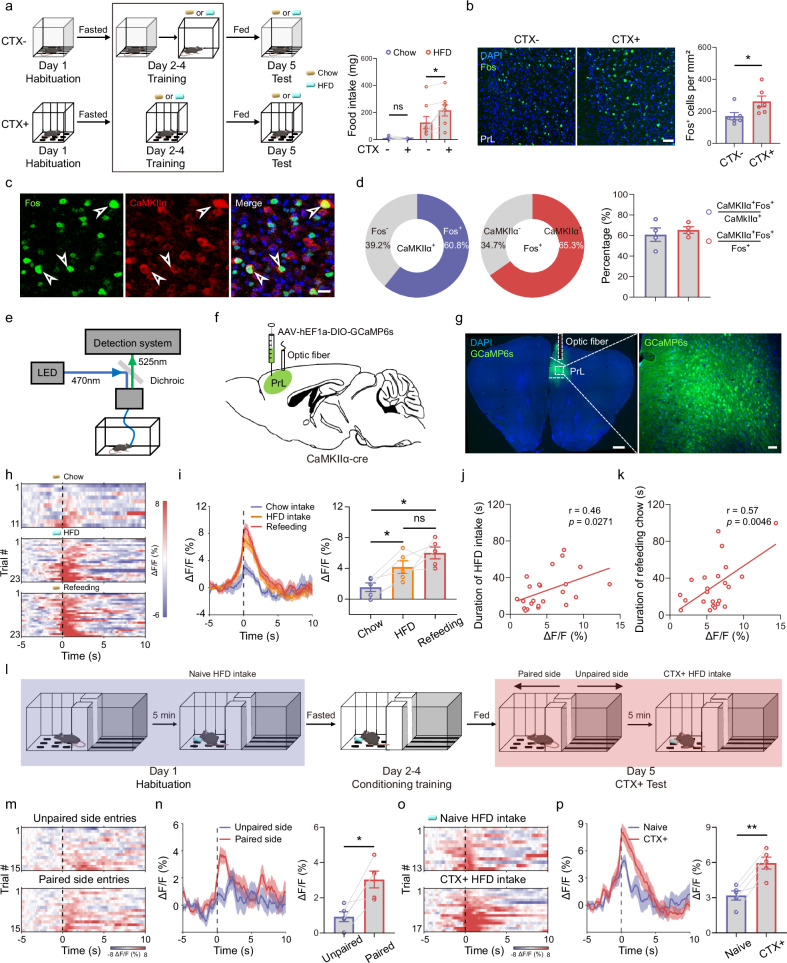 Figure 1
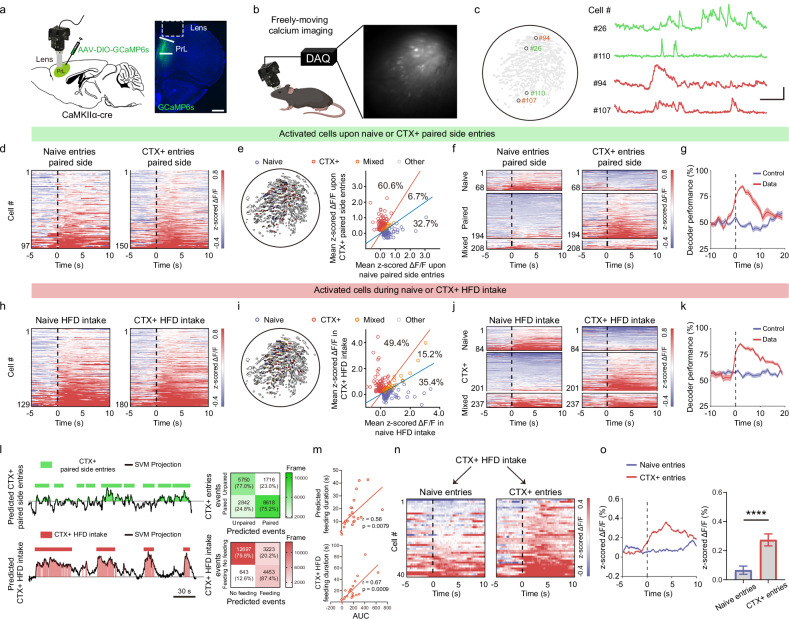 Figure 2
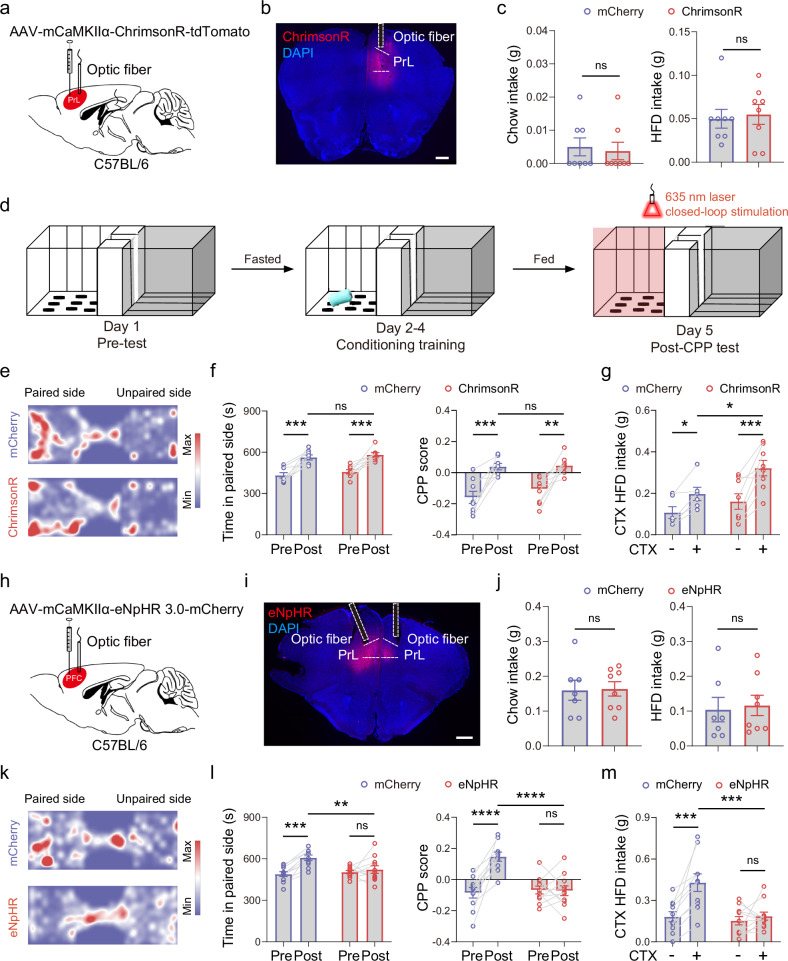 Figure 3
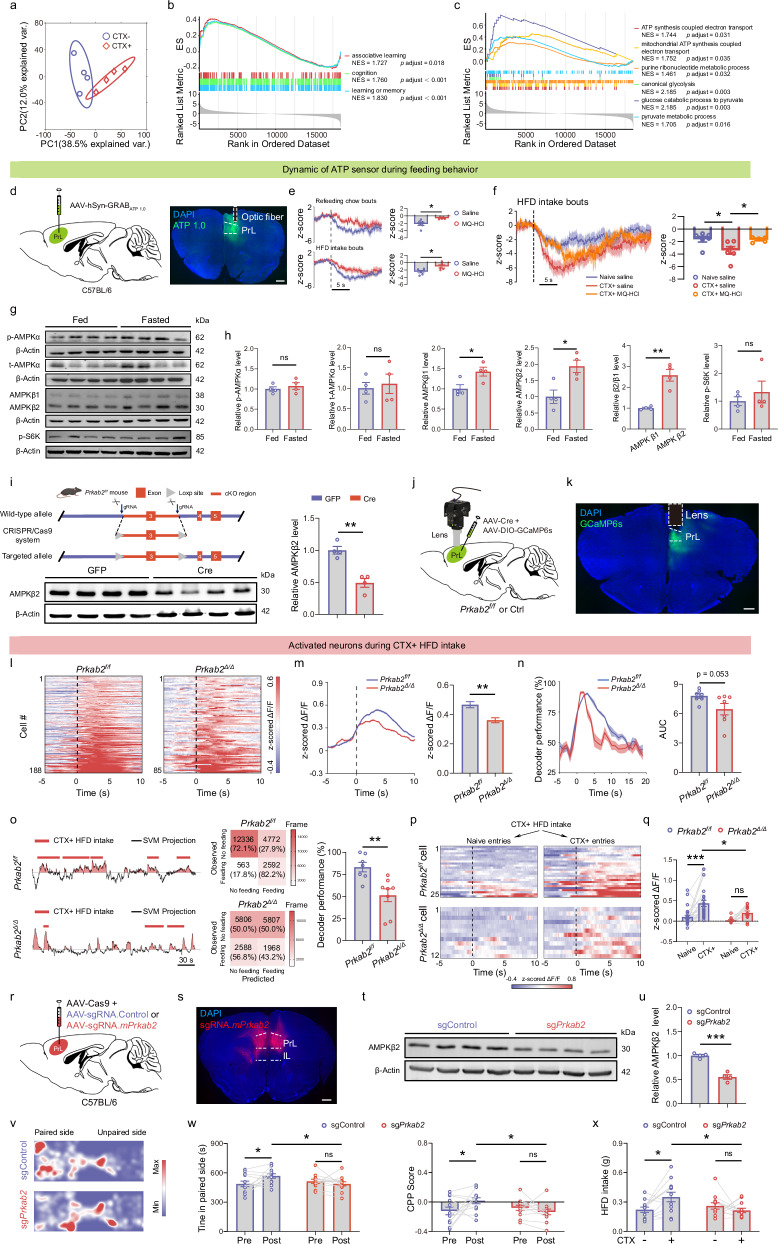 Figure 4
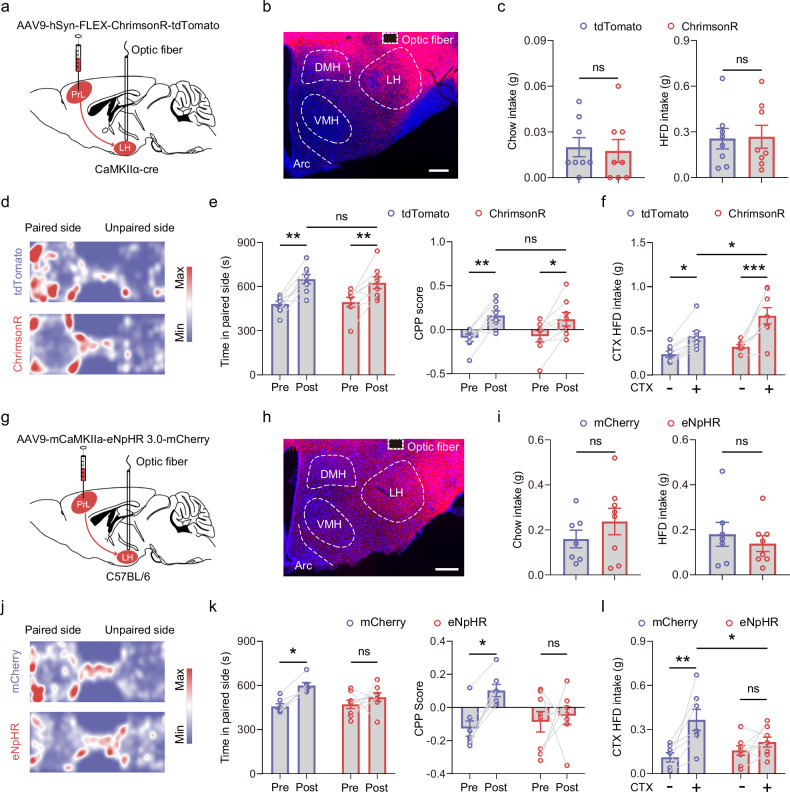 Figure 5
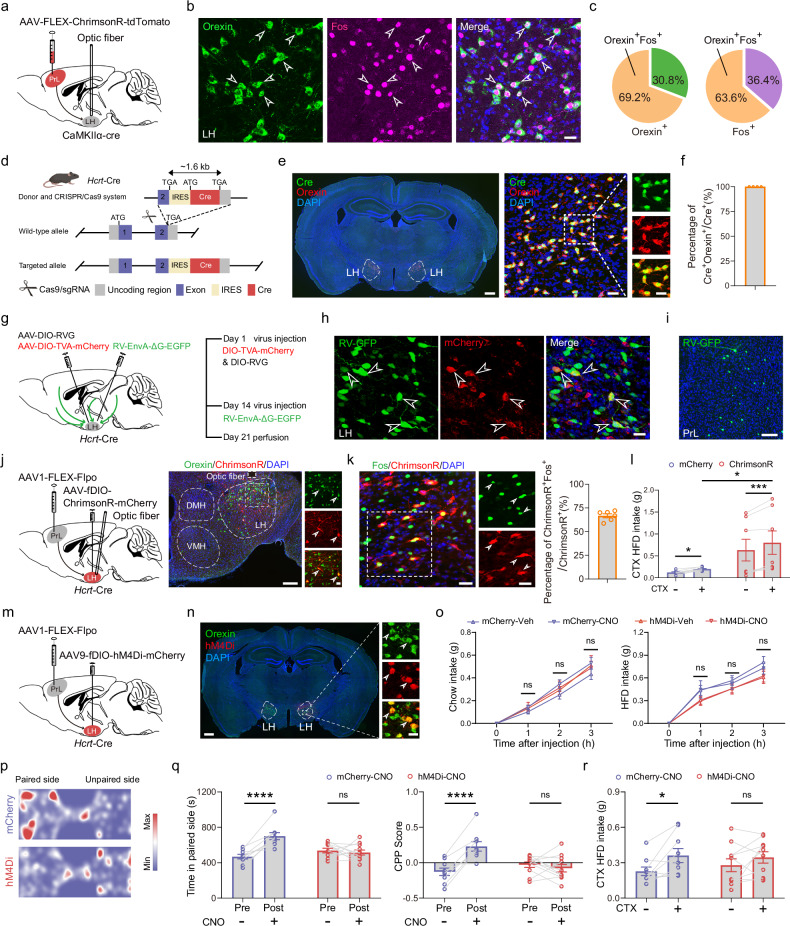 Figure 6
Peer Reviews
No public reviews on file for this paper yet. If you reviewed it on a platform where reviews are public (OpenReview, ICLR, NeurIPS, ICML), you can paste yours below so the community can read it here.
Videos
No videos yet. Explain this paper in a talk, walkthrough, or lecture? Add one.
Taxonomy
TopicsRegulation of Appetite and Obesity · Sleep and Wakefulness Research · Eating Disorders and Behaviors