In Situ Sustained Delivery of Tumor Cell‐Derived Extracellular Nanovesicles With Oncolytic Adenoviruses for Potentiating Cancer Immunotherapy
Tianye Wang, Sheng Zhao, Zao Ji, Zhonggui He, Zhenguo Cheng, Zhen Gu, Yuqi Zhang, Jin Sun, Funan Liu, Mengchi Sun

TL;DR
This study introduces a new method using microneedles to deliver oncolytic viruses and tumor-derived nanovesicles to enhance cancer immunotherapy while reducing immune cell exhaustion.
Contribution
A novel microneedle-based platform is developed for sustained delivery of tumor-derived nanovesicles and oncolytic adenoviruses to improve cancer immunotherapy.
Findings
The MN platform delivers OVs and TDEV selectively to cancer cells, avoiding immune cell lysis.
The method enhances antigen presentation by non-exhausted dendritic cells, improving immunotherapy outcomes.
Significant antitumor effects were observed in xenograft and postoperative tumor recurrence mouse models.
Abstract
Oncolytic adenoviruses (OVs) can directly eliminate cancer cells and subsequently activate immune responses, exhibiting potent antitumor therapeutics. However, it was observed that the immune cells can also be lysed during viral treatment, evidently dampening the OVs‐mediated antitumor immune response. In this study, we develop a microneedle (MN)‐based in situ tumor cell‐derived extracellular nanovesicle (TDEV)‐cloaked OVs platform to enhance cancer immunotherapy and reduce immune cell exhaustion. In this platform, tumor cells pre‐infected with OVs are loaded into the upper reservoir of the MN device. Following the transdermal administration, the hollow MN would constantly facilitate the transport of in situ the generated TDEV‐encapsulating OVs into the tumor site for sustained delivery of OVs, which could subsequently infect cancer cells selectively rather than immune cells. Enhanced…
Genes, proteins, chemicals, diseases, species, mutations and cell lines named across the full text — each resolved to its canonical identifier and authoritative record.
Click any figure to enlarge with its caption.
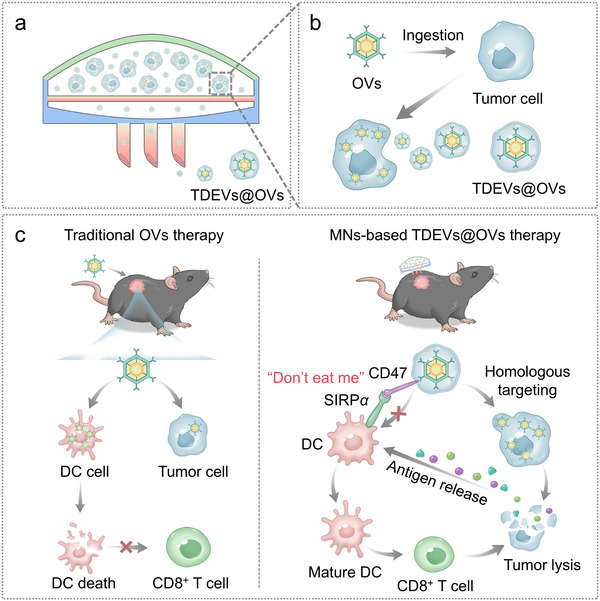 Figure 1
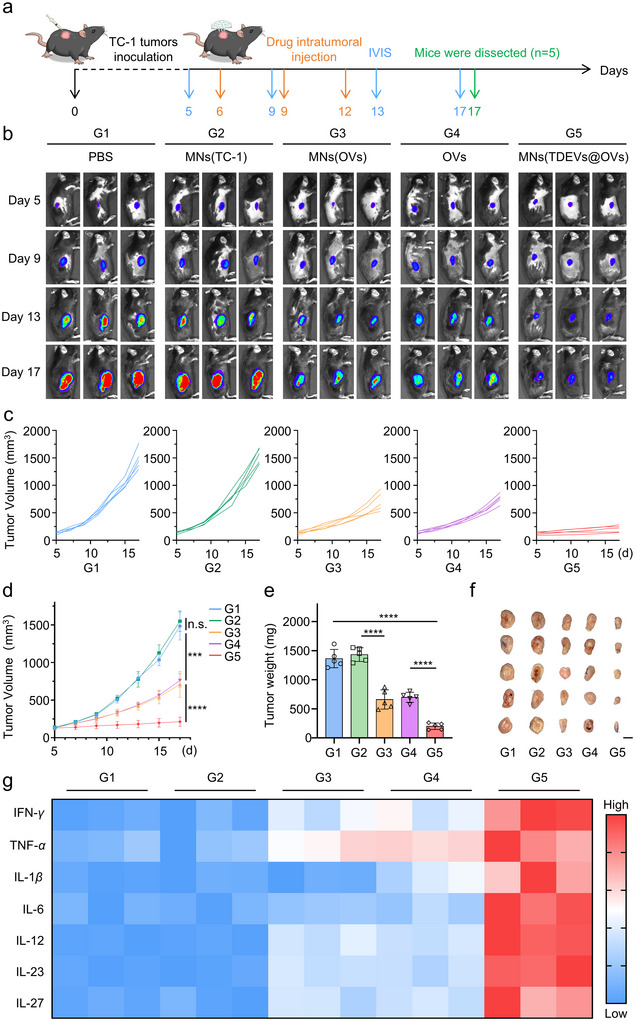 Figure 2
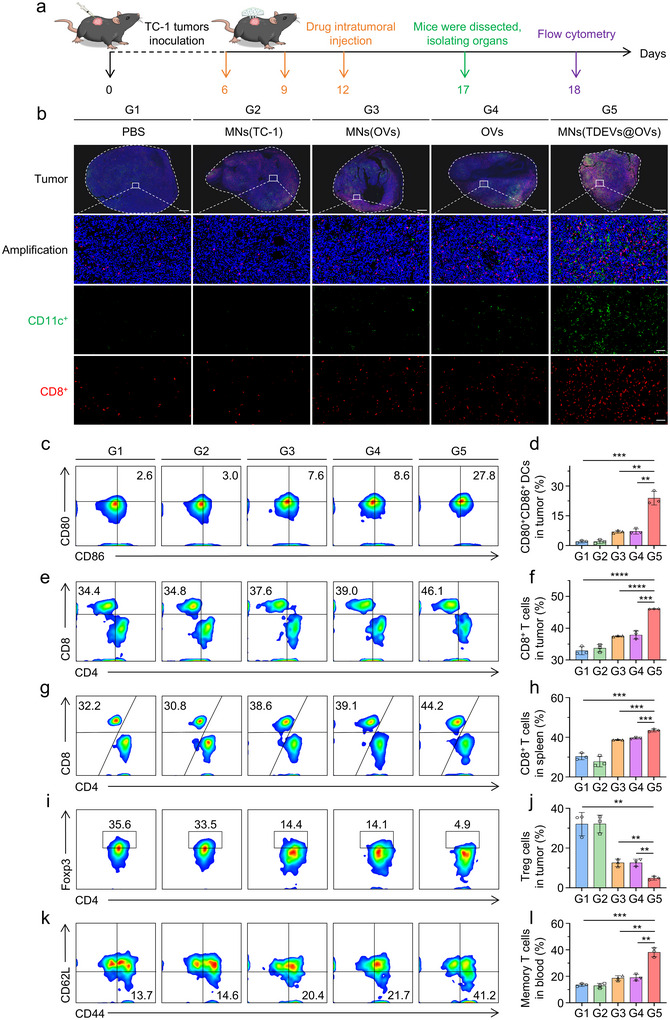 Figure 3
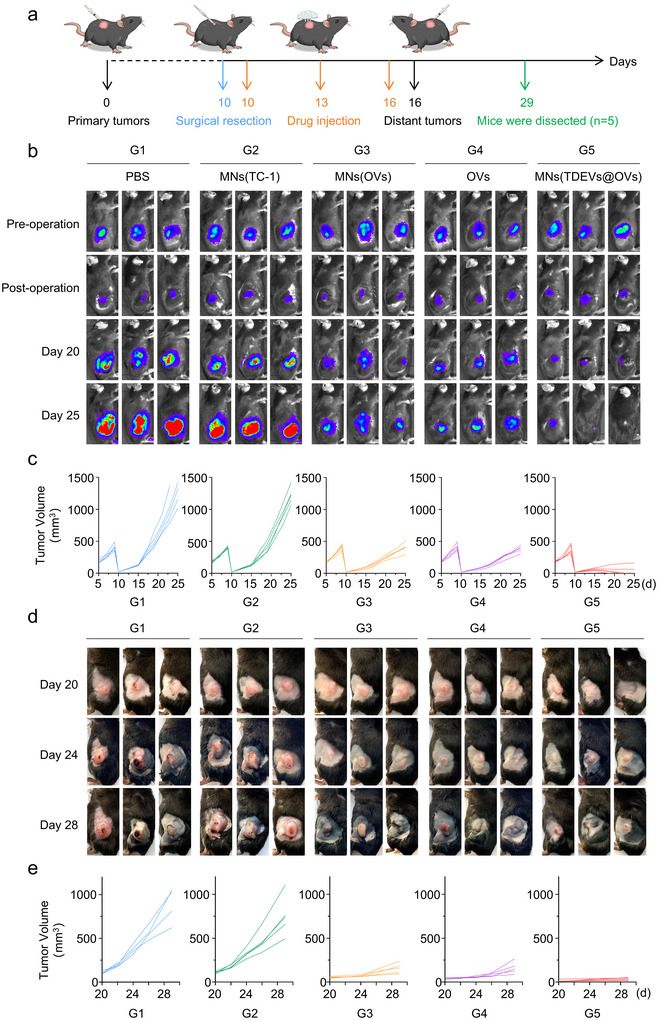 Figure 4
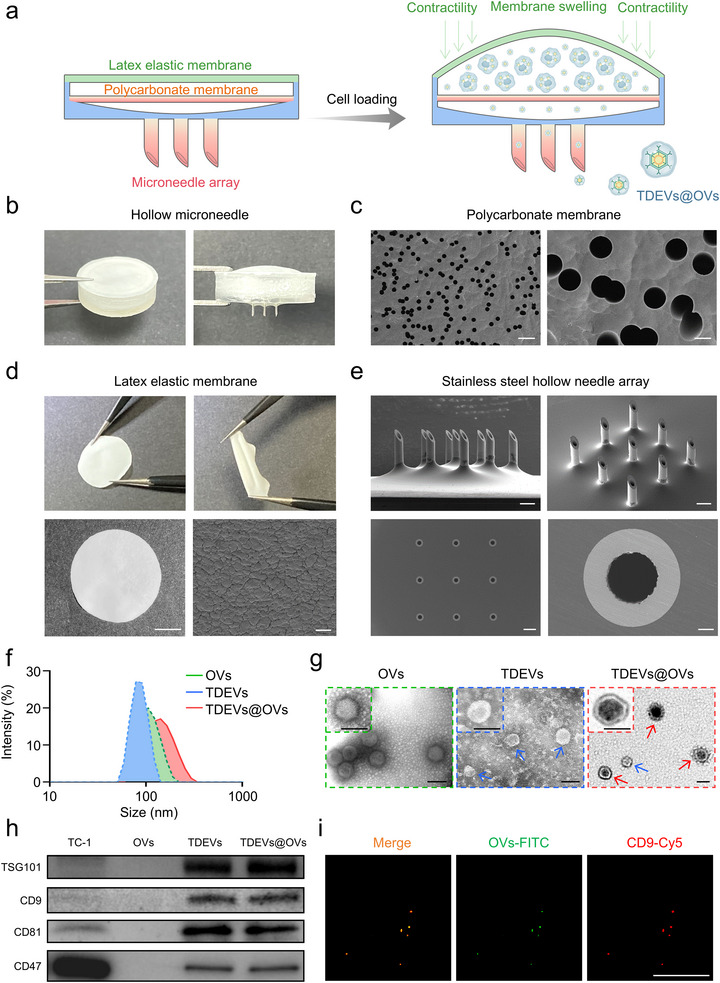 Figure 5
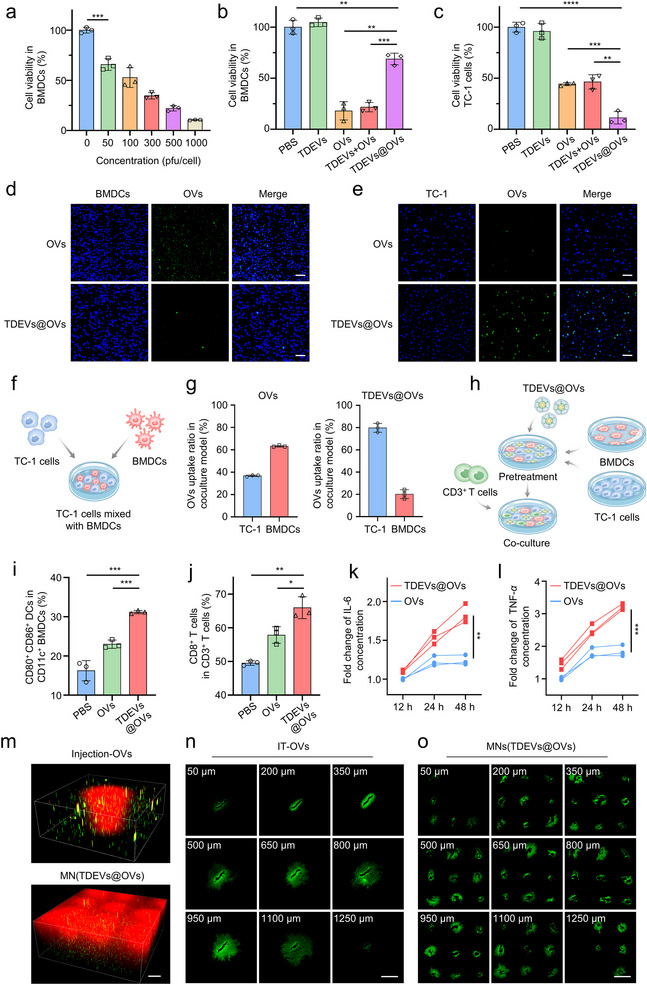 Figure 6
Peer Reviews
No public reviews on file for this paper yet. If you reviewed it on a platform where reviews are public (OpenReview, ICLR, NeurIPS, ICML), you can paste yours below so the community can read it here.
Videos
No videos yet. Explain this paper in a talk, walkthrough, or lecture? Add one.
Taxonomy
TopicsExtracellular vesicles in disease · Nanoplatforms for cancer theranostics · RNA Interference and Gene Delivery