Relapsing peritoneal dialysis‑associated peritonitis caused by Pseudomonas oryzihabitans with concurrent tunnel infection: a case report and literature review
Maria Yoshida, Yujiro Maeoka, Minako Yoshida, Naoki Ishiuchi, Shunji Suemaru, Hiroshi Watanabe, Takao Masaki

TL;DR
A patient with peritoneal dialysis developed peritonitis caused by Pseudomonas oryzihabitans, which recurred with a tunnel infection and was successfully treated without removing the dialysis catheter.
Contribution
This is the first reported case of relapsing Pseudomonas oryzihabitans peritonitis with concurrent tunnel infection successfully treated without catheter removal.
Findings
Pseudomonas oryzihabitans peritonitis recurred after initial treatment and was complicated by tunnel infection.
Cuff-shaving surgery combined with antibiotics resolved the infection without catheter removal.
The infection originated from an exit-site infection caused by a different organism before relapse.
Abstract
Peritoneal dialysis (PD)-associated peritonitis is linked to an increased risk of catheter removal and PD discontinuation, with these risks occurring more frequently in relapsing peritonitis than in primary peritonitis. Relapses are often attributed to persistent infection originating from the PD catheter, including tunnel infection (TI). Although Pseudomonas oryzihabitans is a commensal bacterium and recognized opportunistic pathogen, only a limited number of cases of P. oryzihabitans peritonitis—and none involving relapsing peritonitis with concurrent TI—have been reported. A 73-year-old Japanese man undergoing PD presented with abdominal pain, fatigue, fever, and decreased PD fluid drainage. He was diagnosed with PD-associated peritonitis caused by P. oryzihabitans, which was preceded by a persistent exit-site infection due to different organisms. A 21-day course of antimicrobial…
Genes, proteins, chemicals, diseases, species, mutations and cell lines named across the full text — each resolved to its canonical identifier and authoritative record.
Click any figure to enlarge with its caption.
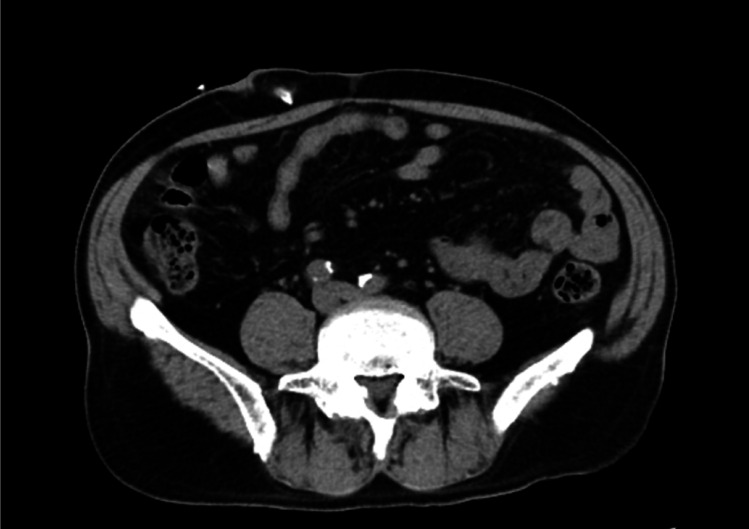 Figure 1
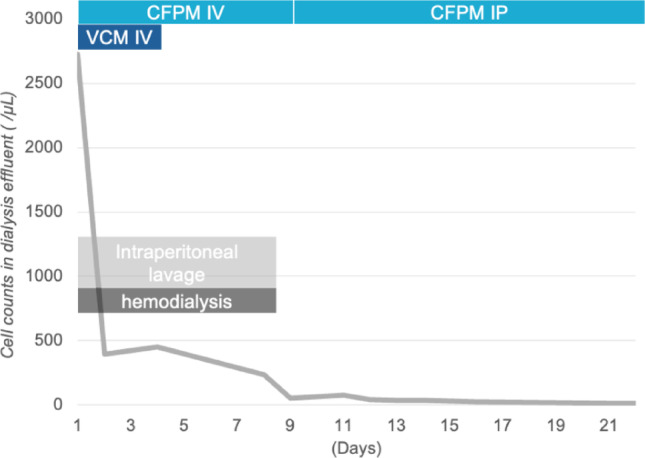 Figure 2
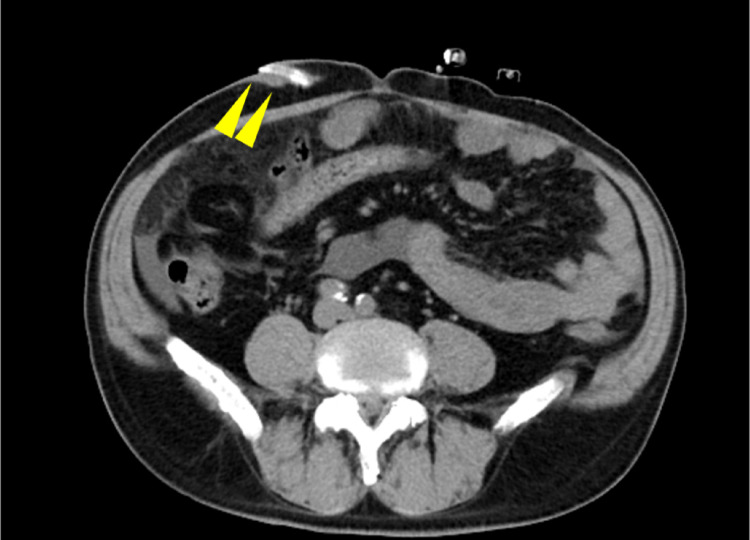 Figure 3
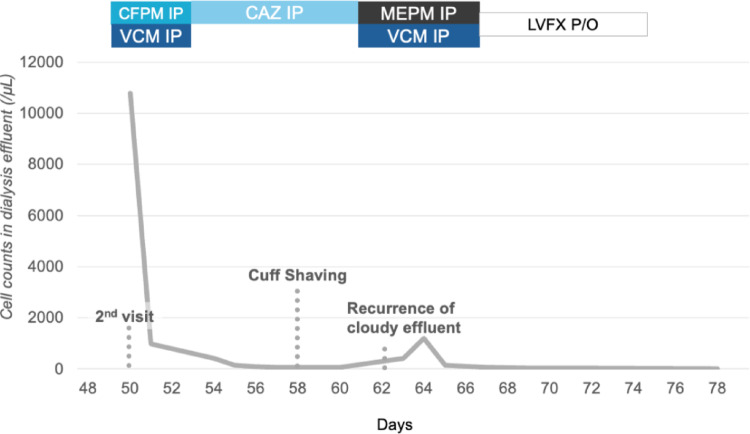 Figure 4
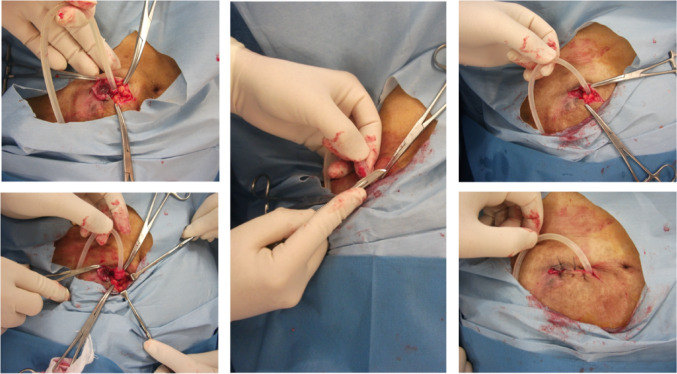 Figure 5
Peer Reviews
No public reviews on file for this paper yet. If you reviewed it on a platform where reviews are public (OpenReview, ICLR, NeurIPS, ICML), you can paste yours below so the community can read it here.
Videos
No videos yet. Explain this paper in a talk, walkthrough, or lecture? Add one.
Taxonomy
TopicsInfections and bacterial resistance · Burkholderia infections and melioidosis · Plant Pathogenic Bacteria Studies