Comparative Transcriptomic Profiling of Mesenchymal Stem Cells from Distinct Tissue Origins and Isolation Methods Highlights the Stability and Immunomodulatory Signature of Umbilical Cord-Derived Smumf Cells
Min Ji Lee, Kyungtaek Park, Sungho Won, Chris Hyunchul Jo

TL;DR
This study compares the genetic profiles of mesenchymal stem cells from different sources and isolation methods, showing that umbilical cord-derived smumf cells have stable and immunomodulatory properties.
Contribution
The study reveals the transcriptomic stability and immunomodulatory signature of umbilical cord-derived smumf cells compared to other MSC sources.
Findings
Fetal MSCs (UC and smumf cells) have distinct transcriptomic profiles compared to adult MSCs.
smumf cells show transcriptomic stability across early and late passages with minimal gene changes.
smumf cells exhibit enhanced immune responses and cholesterol metabolism compared to other UC MSCs.
Abstract
Mesenchymal stem cells (MSCs) derived from bone marrow (BM), adipose tissue (AD), and umbilical cord (UC) exhibit therapeutic potential in regenerative medicine. However, their properties, including transcriptomic profiles, vary based on tissue origin, passage stage, and isolation method, complicating their clinical standardization. Addressing these unresolved differences requires comprehensive approaches, such as RNA sequencing, to analyze transcriptomic profiles in detail. In this study, RNA-seq was employed to analyze MSC transcriptomes from BM, AD, and UC tissues. UC MSCs were isolated using enzymatic digestion or the Minimal Cube Explant (MCE) method (smumf cells), and transcriptomes of early (P3–4) and late (P10) passages of smumf cells were compared. Differentially expressed genes (DEGs) were identified, followed by transcription factor (TF) and pathway analyses. Fetal MSCs (UC…
Genes, proteins, chemicals, diseases, species, mutations and cell lines named across the full text — each resolved to its canonical identifier and authoritative record.
Click any figure to enlarge with its caption.
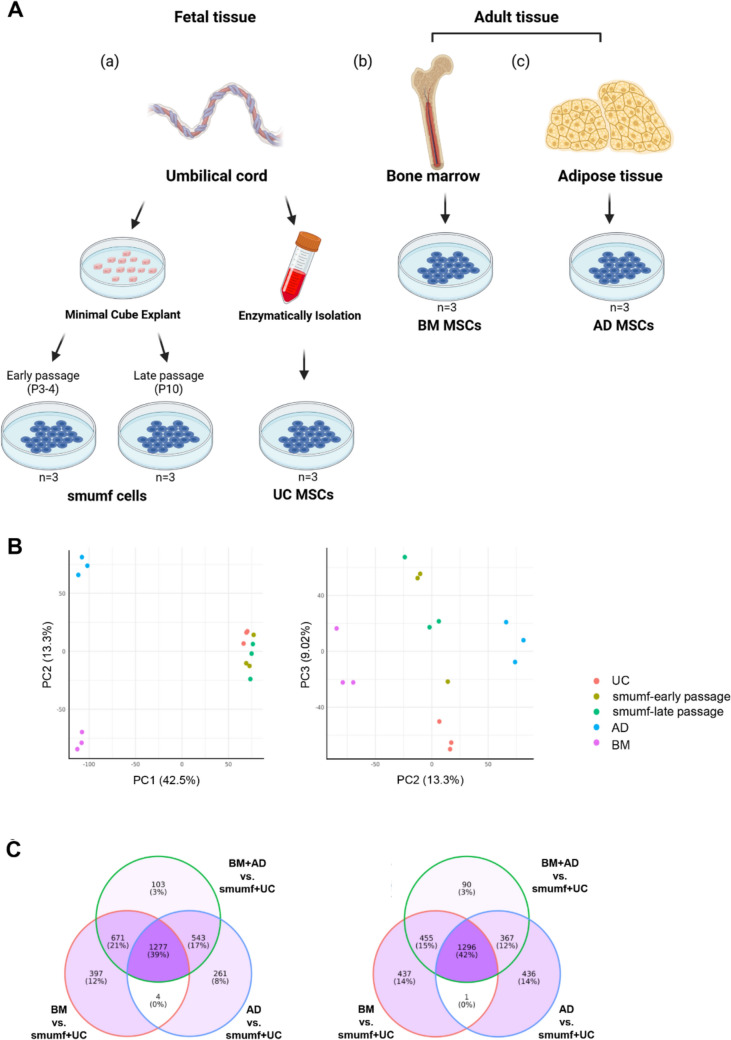 Figure 1
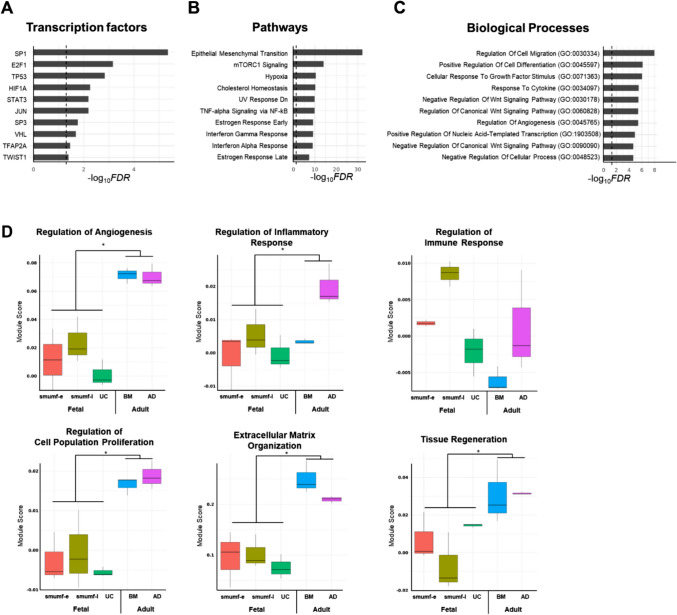 Figure 2
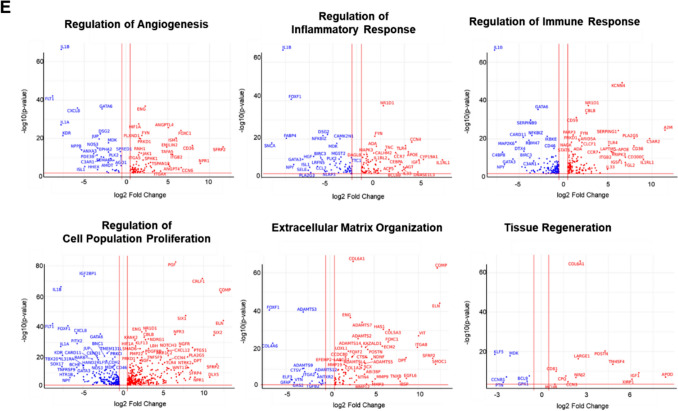 Figure 2
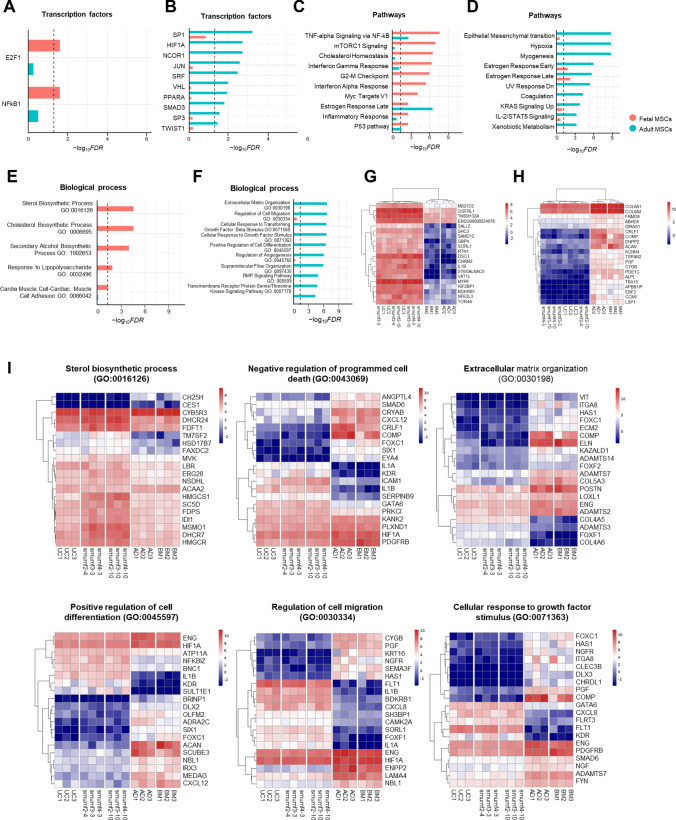 Figure 3
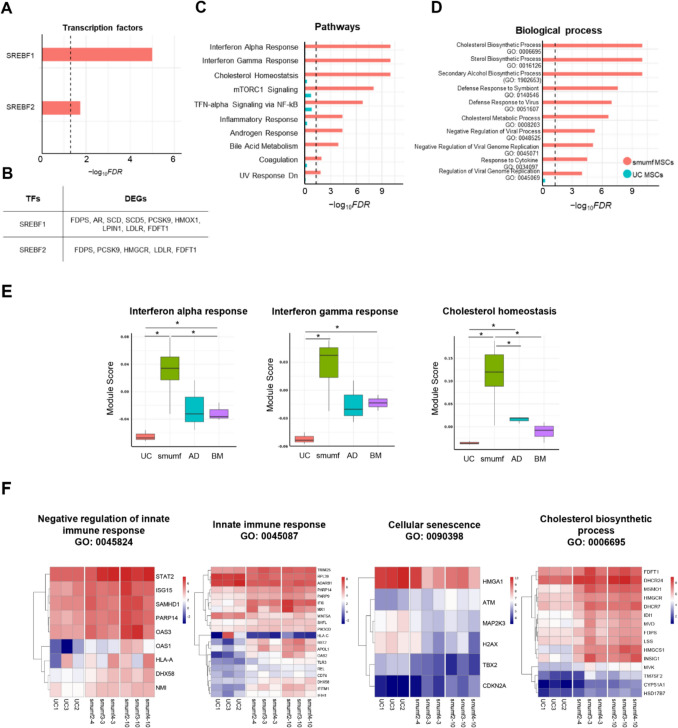 Figure 4
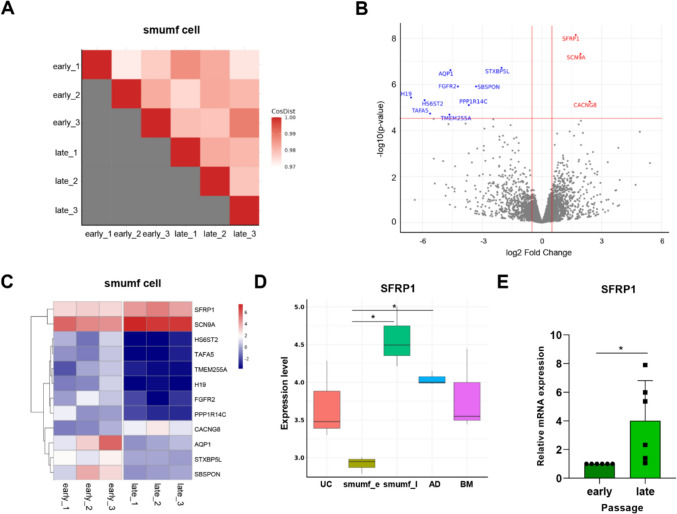 Figure 5
Peer Reviews
No public reviews on file for this paper yet. If you reviewed it on a platform where reviews are public (OpenReview, ICLR, NeurIPS, ICML), you can paste yours below so the community can read it here.
Videos
No videos yet. Explain this paper in a talk, walkthrough, or lecture? Add one.
Taxonomy
TopicsMesenchymal stem cell research · Pluripotent Stem Cells Research · Pancreatic function and diabetes