Marketing Strategies and Factors Influencing the Popularity of Alcohol Videos from Official Brand Accounts on Douyin: Content Analysis Study
Yuchen Zhao, Lingyun Zhang, Chenyu Qian, Wenjie Guo, Weiyun Zhu, Pinpin Zheng

TL;DR
This study analyzed alcohol brand videos on Douyin in China, finding that marketing strategies like short skits and brand highlights boost popularity, while health warnings and age restrictions reduce it.
Contribution
The study identifies specific marketing strategies and their impact on video popularity in alcohol advertising on Douyin, a major Chinese social media platform.
Findings
Short skits and brand elements significantly increase video popularity on Douyin.
Health warnings and age restrictions are rarely used and reduce video engagement.
Alcohol ads peak during July to September and November, with many lacking regulatory compliance.
Abstract
Alcohol consumption in China poses significant public health challenges. Alcohol marketing has been shown to increase public alcohol consumption, with social media platforms such as Douyin (TikTok in Mainland China) being among the main channels for alcohol marketing. This study aimed to analyze the thematic content of alcohol advertising on the Douyin platform and to explore the factors influencing the popularity of these types of advertising. Using data from the JINGDONG platform and alcohol industry reports, we identified 40 popular alcohol brands. For each brand, we located their official Douyin accounts and selected the top 20 most-liked videos posted between November 1, 2020, and November 1, 2021. In total, 659 videos from 37 brands were collected for analysis. Two trained researchers independently coded each video using a predefined codebook, which consisted of 7 sections and…
Genes, proteins, chemicals, diseases, species, mutations and cell lines named across the full text — each resolved to its canonical identifier and authoritative record.
Click any figure to enlarge with its caption.
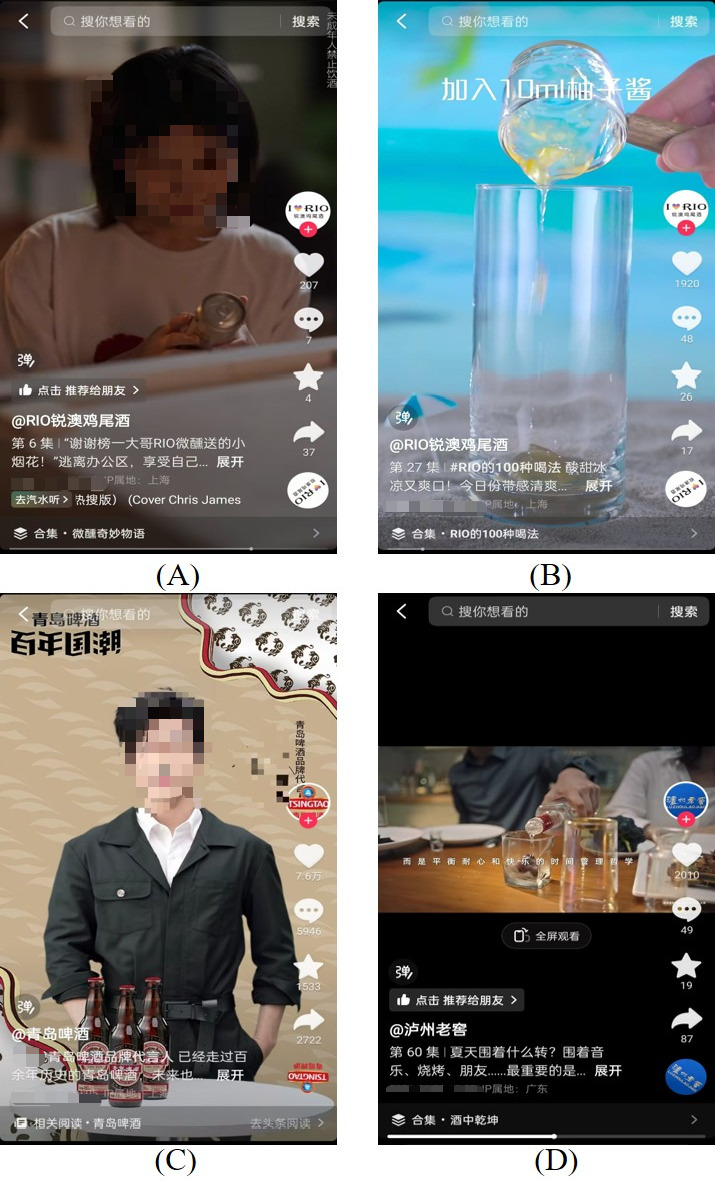 Figure 1
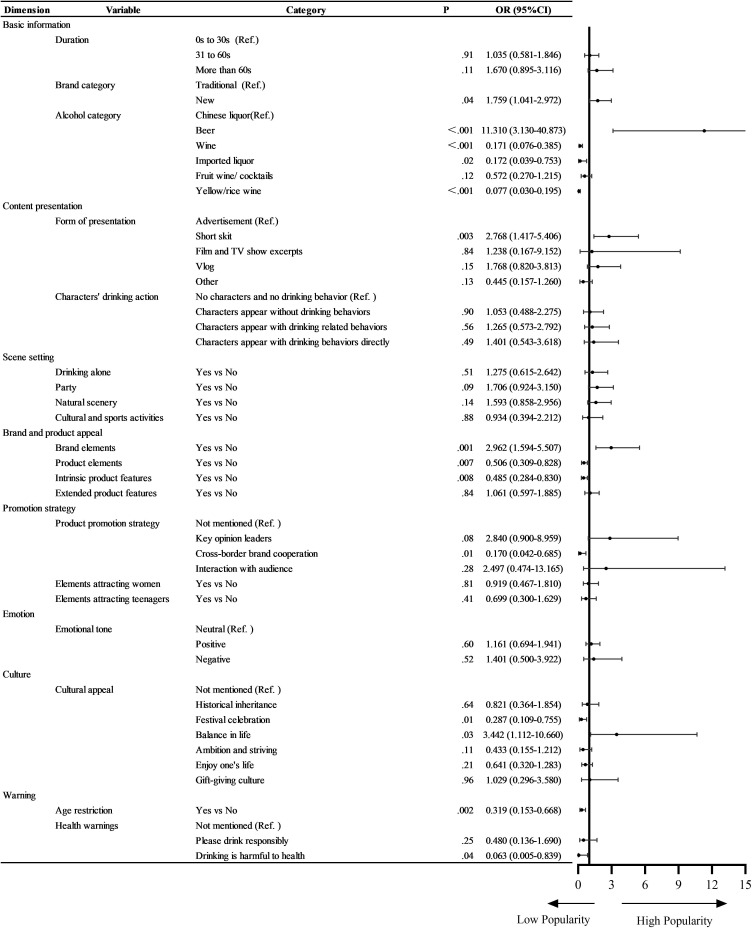 Figure 2
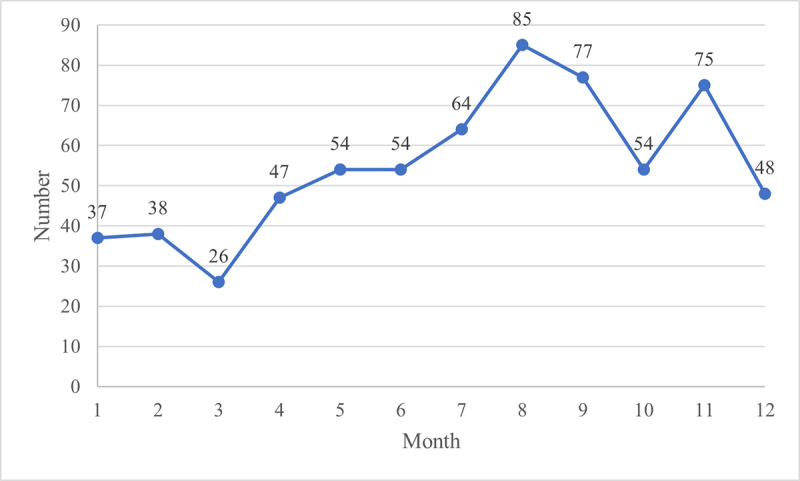 Figure 3
| Categories | Brands |
|---|---|
| Chinese liquor | MOUTAI, WuLiangYe, Luzhou Laojiao, Yanghe, Fen Jiu, and Jiang Xiaobai |
| Beer | Budweiser, Tsingtao, Snowflake, Yanjing, Harbin, and Corona |
| Yellow or rice wine | Guyuelongshan, Kuaijishan, Jimo rice wine, Nverhong, MIK, Suzhou Qiao |
| Wine | Penfolds, Greatwall, Jacob’s Creek, Lafite, Chateau Monlot, Changyu/Torre Oria |
| Fruit wine or preconditioning of cocktails | Jin liquor, Jinro, UMEET, Huatian Xiangz, RIO, Breezer, Power Station, Jiushilang |
| Imported liquor | Absolut Vodka, Bacardi, Johnnie Walker, Ballantine, and Hennessy |
| Dimensions, variable, and category | Definition or example |
|---|---|
| Basic information | |
| Durations | |
| ≤30 | — |
| 31-60 | — |
| ≥61 | — |
| Brand category | |
| Traditional | Brands from database A |
| New | Brands from database B |
| Content presentation | |
| Form of presentation | |
| Advertisement | A direct promotional message aimed at selling a product |
| Short skit | A brief video performance using theatrical elements |
| Vlog | Short-form documentaries |
| Film and TV | The clips from film and TV shows |
| Other | Other forms |
| Characters’ drinking action | |
| No characters and no drinking behavior | No characters appear |
| Characters appear without drinking behavior | Characters do not touch alcohol products |
| Characters appear with drinking-related behavior | Characters hold alcohol glasses or pour alcohol and clink glasses |
| Characters appear with drinking behavior directly | Characters drink alcohol directly |
| Scene setting | |
| Drinking alone | Contain scenes of drinking alone |
| Party | Contain scenes of drinking at parties |
| Natural scenery | Contain scenes of natural scenery |
| Cultural or sports activities | Contain scenes of cultural or sports activities |
| Brand and product appeal | |
| Brand elements | Contain brand name, brand logo, or brand mascot |
| Product elements | Contain product name or product logo |
| Intrinsic product features | Contain information about the odor, color, taste, and materials of the product |
| Extended product features | Contain information about the origin, production process, vintage, and creative drinking methods |
| Promotion strategy | |
| Product promotion strategy | |
| Key opinion leaders | Invite celebrities to endorse |
| Cross-border brand cooperation | Collaborate with other brands to promote |
| Interaction with audience | Engage with the audience to attract fans |
| Not mentioned | — |
| Cues refer to women’s interests | Contain cues that refer to women’s interests, such as flowers, perfume |
| Cues refer to youth’s interests | Contain cues that refer to youth interests, such as cartoons, cosplay |
| Emotion | |
| Emotional tone | |
| Positive | A favorable or optimistic emotion conveyed in the video, such as pleasure, moving |
| Neutral | An emotion neither leans positive nor negative, such as calmness |
| Negative | An unfavorable or unpleasant emotion conveyed in the video, such as sadness, loss |
| Culture | |
| Cultural appeal | |
| Historical inheritance | Highlighting the alcohol’s history, heritage, and tradition |
| Festival celebration | Emphasizing drinking as a way to celebrate the holiday |
| Balance in life | Emphasize the philosophical concept of balance in life gained through drinking |
| Ambition and striving | Drinking symbolizes ambition and striving for success |
| Enjoy one’s life | Emphasizing drinking as a way to enjoy life |
| Not mentioned | — |
| Warning | |
| Age restriction | |
| Yes or no | Contain age restrictions, such as “minors under the age of 18 are prohibited from drinking alcohol” |
| Health warnings | |
| Drinking is harmful to health | Contain health warning related to “drinking is harmful to health” |
| Please drink responsibly | Contain health warning related to "please drink responsibly” |
| Not mentioned | — |
| Dimensions, variable, and category | Values, n (%) | Low likes, n (%) | High likes, n (%) | Chi-square ( | |
|---|---|---|---|---|---|
| Basic Information | |||||
| Durations | 12.1 (2) | .002 | |||
| 0-30 | 340 (51.6) | 184 (54.3) | 156 (48.8) | ||
| 31-60 | 150 (22.8) | 87 (25.7) | 63 (19.7) | ||
| >60 | 169 (25.6) | 68 (20.1) | 101 (31.6) | ||
| Brand category | 9.6 (1) | .002 | |||
| New | 299 (45.4) | 134 (39.5) | 165 (51.6) | ||
| Traditional | 360 (54.6) | 205 (60.5) | 155 (48.4) | ||
| Alcohol category | 161.6 (5) | <.001 | |||
| Chinese liquor | 118 (17.9) | 42 (12.4) | 76 (23.8) | ||
| Beer | 111 (16.8) | 8 (2.4) | 103 (32.2) | ||
| Wine | 103 (15.6) | 80 (23.6) | 23 (7.2) | ||
| Imported liquor | 74 (11.2) | 53 (15.6) | 21 (6.6) | ||
| Fruit wine or preconditioning of cocktails | 134 (20.3) | 69 (20.4) | 65 (20.3) | ||
| Yellow or rice wine | 119 (18.1) | 87 (25.7) | 32 (10.0) | ||
| Content presentation | |||||
| Form of presentation | 7.6 (4) | .11 | |||
| Advertisement | 281 (42.6) | 147 (43.4) | 134 (41.9) | ||
| Short skit | 255 (38.7) | 122 (36.0) | 133 (41.6) | ||
| Film and television show excerpts | 20 (3.0) | 7 (2.1) | 13 (4.1) | ||
| Vlog | 70 (10.6) | 42 (12.4) | 28 (8.8) | ||
| Other | 33 (5.0) | 21 (6.2) | 12 (3.8) | ||
| Characters’ drinking action | 28.1 (3) | <.001 | |||
| No characters and no drinking behavior | 106 (16.1) | 79 (23.3) | 27 (8.4) | ||
| Characters appear without drinking behaviors | 184 (27.9) | 92 (27.1) | 92 (28.8) | ||
| Characters appear with drinking-related behaviors | 265 (40.2) | 119 (35.1) | 146 (45.6) | ||
| Characters appear with drinking behaviors | 104 (15.8) | 49 (14.5) | 55 (17.2) | ||
| Scene setting | |||||
| Drinking alone | 3.1 (1) | .08 | |||
| Yes | 99 (15.0) | 59 (17.4) | 40 (12.5) | ||
| No | 560 (85.0) | 280 (82.6) | 280 (87.5) | ||
| Party | 16.0 (1) | <.001 | |||
| Yes | 170 (25.8) | 65 (19.2) | 105 (32.8) | ||
| No | 489 (74.2) | 274 (80.8) | 215 (67.2) | ||
| Natural scenery | 0.6 (1) | .45 | |||
| Yes | 112 (17.0) | 54 (15.9) | 58 (18.1) | ||
| No | 547 (83.0) | 285 (84.1) | 262 (81.9) | ||
| Cultural or sports activities | 3.5 (1) | .06 | |||
| Yes | 75 (11.4) | 31 (9.1) | 44 (13.8) | ||
| No | 584 (88.6) | 308 (90.9) | 276 (86.3) | ||
| Brand and product appeal | |||||
| Brand elements | 45.9 (1) | <.001 | |||
| Yes | 510 (77.4) | 226 (66.7) | 284 (88.8) | ||
| No | 149 (22.6) | 113 (33.3) | 36 (11.3) | ||
| Product elements | 2.0 (1) | .16 | |||
| Yes | 399 (60.5) | 214 (63.1) | 185 (57.8) | ||
| No | 260 (39.5) | 125 (36.9) | 135 (42.2) | ||
| Intrinsic product features | 48.2 (1) | <.001 | |||
| Yes | 254 (38.5) | 174 (51.3) | 80 (25.0) | ||
| No | 405 (61.5) | 165 (48.7) | 240 (75.0) | ||
| Extended product features | 28.0 (1) | <.001 | |||
| Yes | 161 (24.4) | 112 (33.0) | 49 (15.3) | ||
| No | 498 (75.6) | 227 (67.0) | 271 (84.7) | ||
| Promotion strategy | |||||
| Product promotion | 22.7 (3) | <.001 | |||
| Key opinion leaders | 53 (8.0) | 14 (4.1) | 39 (12.2) | ||
| Cross-border brand cooperation | 32 (4.9) | 23 (6.8) | 9 (2.8) | ||
| Interaction with audience | 12 (1.8) | 3 (0.9) | 9 (2.8) | ||
| Not mentioned | 562 (85.3) | 299 (88.2) | 263 (82.2) | ||
| Cues refer to women’s interests | 4.4 (1) | .04 | |||
| Yes | 241 (36.6) | 111 (32.7) | 130 (40.6) | ||
| No | 418 (63.4) | 228 (67.3) | 190 (59.4) | ||
| Cues refer to teenagers’ interests | 20.5 (1) | <.001 | |||
| Yes | 172 (26.1) | 63 (18.6) | 109 (34.1) | ||
| No | 487 (73.9) | 276 (81.4) | 211 (65.9) | ||
| Emotion | |||||
| Emotional tone | 3.0 (2) | .22 | |||
| Positive | 263 (39.9) | 128 (37.8) | 135 (42.2) | ||
| Neutral | 359 (54.5) | 195 (57.5) | 164 (51.3) | ||
| Negative | 37 (5.6) | 16 (4.7) | 21 (6.6) | ||
| Culture | |||||
| Cultural appeal | 40.4 (6) | <.001 | |||
| Historical inheritance | 65 (9.9) | 43 (12.7) | 22 (48.8) | ||
| Festival celebration | 49 (7.4) | 35 (10.3) | 14 (6.9) | ||
| Balance in life | 45 (6.8) | 8 (2.4) | 37 (4.4) | ||
| Ambition and striving | 33 (5.0) | 17 (5.0) | 16 (19.7) | ||
| Enjoy one’s life | 153 (23.2) | 90 (26.5) | 63 (11.6) | ||
| Gift-giving culture | 21 (3.2) | 9 (2.7) | 12 (5.0) | ||
| Not mentioned | 292 (44.5) | 137 (40.4) | 156 (3.8) | ||
| Warning | |||||
| Age restriction | 19.4 (1) | <.001 | |||
| Yes | 482 (73.1) | 273 (80.5) | 209 (65.3) | ||
| No | 177 (26.9) | 66 (19.5) | 111 (34.7) | ||
| Health warnings | 17.0 (1) | <.001 | |||
| Drinking is harmful to health | 8 (1.2) | 6 (1.8) | 2 (0.6) | ||
| Please drink responsibly | 68 (10.3) | 50 (14.7) | 18 (5.6) | ||
| Not mentioned | 583 (88.5) | 283 (83.5) | 300 (93.8) | ||
Peer Reviews
No public reviews on file for this paper yet. If you reviewed it on a platform where reviews are public (OpenReview, ICLR, NeurIPS, ICML), you can paste yours below so the community can read it here.
Videos
No videos yet. Explain this paper in a talk, walkthrough, or lecture? Add one.
Taxonomy
TopicsSubstance Abuse Treatment and Outcomes · Smoking Behavior and Cessation · Crime, Deviance, and Social Control
Introduction
Alcohol consumption is a leading risk factor for the global disease burden, which is associated with the risk of more than 200 diseases and injuries, causing approximately 3 million deaths globally each year, accounting for 5.3% of all deaths [1]. There is growing evidence that the public’s alcohol consumption could be influenced by “alcogenic environments,” which are settings in which alcohol is easily accepted, available, and affordable [2]. “Alcogenic environments” have been shown to be associated with harmful drinking behaviors, including alcohol addiction and underage drinking [3-5].
As an important part of the “commercial determinants of health,” alcohol marketing is a key driver for creating an alcogenic environment [25]. The alcohol industry often promotes products through intensive advertising and even emphasizes the “function” of drinking [3]. This marketing strategy of widespread advertising could help enhance the acceptability and normalization of alcohol consumption at both the individual and community levels, resulting in an increase in the alcogenic environment [5-8].
The widespread use of digital media has provided new channels for alcohol marketing, such as websites, apps, and social media [910]. Alcohol marketing on social media platforms has grown rapidly over the past two decades, with the alcohol industry reporting that alcohol marketing on social media platforms (including YouTube and Facebook) has reached many more consumers [11]. For instance, a previous study revealed that music videos on YouTube conveyed approximately 10.06 billion alcohol-related impressions to the British population [12].
As a country with high alcohol consumption, alcohol marketing on social media in China is also severe [13]. The annual advertising investment of the Chinese liquor industry has exceeded 20 billion yuan (approximately US $3 billion), with the goal of creating an all-media marketing platform combining television, websites, and social media [14]. A Chinese alcohol industry report in 2021 informed that 89% of alcohol consumers received alcohol-related information through the internet, with more than 30% coming from short video platforms such as Douyin (TikTok in mainland China) [15].
Douyin, China’s leading short video platform with more than 800 million daily active users, is primarily youth-centric, with 60% of its users aged younger than 30 years [16]. It has become a major hub for entertainment, social interaction, and marketing, leveraging algorithm-based recommendations to help users discover tailored content and enabling businesses to reach a broad audience with creative campaigns. Under the “Chinese liquor” tag, videos related to Chinese liquor on Douyin have a total of 65.63 billion views, with the most popular video receiving as many as 878,000 likes [17]. These videos feature diverse drinking scenes and emotions, using promotional strategies, such as collaborations with opinion leaders and brand partnerships [18].
According to the attention-interest-desire-action (AIDA) model, the consumer purchase decision-making process is characterized by a progression through four stages [19]: attention, interest, desire, and action. Previous research has demonstrated that higher levels of alcohol social media marketing exposure are associated with positive drinking expectancies and drinking behaviors [2021], confirming that the AIDA model can be used to explain alcohol advertising exposure, where attention attracted by alcohol advertisements can translate into drinking behavior. However, regarding the “A (attention)” and “I (interest)” components of the AIDA model, likes can be viewed as a preliminary quantitative indicator of successful “interest” capture, and it remains unclear from previous research what types of alcohol-related social media advertisements effectively capture audience attractiveness.
The World Health Organization (WHO) has called for interventions to reduce the alcogenic environment, and the key interventions include restrictions on alcohol marketing [2]. However, China lacks comprehensive regulations governing social media alcohol advertising. It is essential to determine the marketing strategies of alcohol products to formulate more comprehensive regulations and supervision measures.
This study aimed to identify the marketing strategies of alcohol advertisements and the placement of warnings on the Douyin platform, the factors associated with the attractiveness of those alcohol advertisements, and the time trend of these alcohol videos. These findings may contribute to extending the application of the AIDA model in social media alcohol advertising, with a specific focus on exploring the mechanisms through which different types of alcohol marketing strategies facilitate the transition from the “attention” to the “interest” stage. These findings are also expected to provide policymakers with insights into how alcohol products are promoted and marketed on social media, which is crucial for enhancing the regulation of alcohol marketing.
Methods
Sampling and Data Collection
In 2021, the size of the online market for alcohol in China reached 136.31 billion yuan [22], of which JINGDONG [23] was one of the main Chinese e-commerce platforms. The sales rankings of alcohol brands on JINGDONG can reflect the popularity of those brands. By reviewing alcohol industry reports, we categorized the alcohol currently sold in China into six groups: Chinese liquor (spirits), beer, wine, yellow rice wine, fruit wine, and premixed cocktails. On the basis of this classification, we determined the alcohol brands for this study as follows:
Database A: According to retail data from the JINGDONG platform in 2021, the top 5 alcohol brands in each category were selected, resulting in a total of 30 brands representing popular choices across all age groups. These brands represent products commonly purchased by general consumers.Database B: In addition to the brands aforementioned, some new brands are very popular among young people and women but lack large sales records. We identified the 10 most popular brands targeting these demographics by reviewing industry reports on alcohol consumption by young people and women.Combining databases A and B, a total of 40 brands were included in the study. We then identified the official Douyin accounts for each brand. Three brands did not have official Douyin accounts, leaving 37 brands for inclusion (Table 1). Given the similar formats of Douyin advertisements within the same brand and for the feasibility of the study, we selected the top 20 most-liked videos from each account that were released between November 1, 2020, and November 1, 2021. For brands that had released fewer than 20 videos in the past year, all available videos were included. The selection of 2021 as the data collection window was based on a key transition in Douyin’s commercialization process: before 2020, Douyin’s strategy focused primarily on user acquisition, while from 2020 onward, its commercialization accelerated, with the platform achieving the top position in domestic advertising revenue that same year [24]. This makes 2020‐2021 a suitable period for examining the marketing strategies of alcohol brands during the platform’s commercialization push. In total, 659 videos were collected for further analysis.
Coding Method
Codebook development was a top-down or bottom-up process. This process included the following phases. First is the top-down phase—reviewing the previous studies and the related advertising marketing reports [92526], which allowed us to identify the marketing strategies used by official alcohol accounts on Douyin. Afterward, a preliminary framework of the codebook was developed with 8 main dimensions, including basic information, content presentation, scene setting, brand and product appeal, promotion strategy, emotion, culture, and warning (Multimedia Appendix 1). Second is the bottom-up phase—reviewing 20 randomly selected videos of official alcohol accounts on Douyin, which helped us identify the strategies that were undetermined in the preliminary framework. Accordingly, we enriched the codebook with subdimensions derived from the video content, including the specific form of the presentation, the characters’ drinking action, the scene, the product promotion strategy, the emotional tone, the cultural appeal, and different types of warnings. Third, 20 videos were randomly selected from the remaining samples for retested coding to verify the applicability of the current codebook. The resulting codebook consisted of 8 sections with 19 items, including basic information, content presentation, scene setting, brand and product appeal, promotion strategy, emotion, culture, and warning (Table 2).
Apart from the aforementioned elements, this research also collected the like counts of each video as the variable of video attractiveness. As 1000 is close to the median number of likes (Median=870, IQR: 135-7612), we categorized the number of likes into a high likes group and a low likes group using 1000 as the cutoff point.
The content analysis of the alcohol-related video started in December 2021 and took 1 month in total. A total of 659 videos were monitored. A total of 3 public health researchers participated in the coding work, and all researchers received training to unify the coding standards before the start of coding. After the training, the consistency of the researchers when coding the same video reached a kappa value of 92.8%, indicating a high level of consistency in their coding standards.
The specific coding work was conducted via an online questionnaire platform “Wenjuanxing.” The codebook was preentered into the platform and presented in the form of choice questions. Researchers selected the corresponding options on the online questionnaire platform while viewing Douyin videos. All videos were downloaded to local computers and coded independently by 2 researchers. If there were inconsistencies, the 2 researchers were required to rereview the video to confirm it. If they still failed to reach an agreement, the third researcher was involved in the discussion to reach a consensus.
Statistical Analysis
Frequencies and proportions are reported for the basic information, the marketing elements, and the warnings of Douyin videos. Chi-square tests were conducted to examine the association between different marketing strategies and the grouping of like counts, as well as the association between the warnings in videos and the grouping of like counts. As the dependent variable, “grouping of like counts,” is a binary variable, we conducted a binary logistic regression, with the low-likes group serving as the reference. The marketing elements and warning elements of each video, which were recorded through coding, served as the independent variables. The enter method was adopted for the model to explore the factors affecting the popularity of Douyin videos among the public.
Adjusted odds ratios (ORs) and their 95% CIs were used to quantify the effects. To evaluate the model’s goodness of fit, the Nagelkerke R² was used to determine the explanatory power of the model. To investigate the seasonal variations in Douyin videos, this study compiled the release times of the sampled videos and generated a scatter plot depicting the monthly distribution of video releases. IBM SPSS software (version 20.0) was used to carry out all the analyses.
Ethical Considerations
According to Article 32 of China’s National Health Commission, Ministry of Education, and Ministry of Science and Technology Document No. 4 in 2023 “Notice on Issuing the Measures for Ethical Review of Human Life Science and Medical Research,” research using legally obtained publicly available data, data generated through observation without interfering with public behavior, or anonymized information data is exempt from ethical review [27]. This study uses legally accessible public data from social media platforms, involves no individual user data, and does not interfere with public behavior. Therefore, this study qualifies for an exemption from ethical review.
Results
The Marketing Strategies of Alcohol Advertisements and the Placement of Warnings
Among the 659 Douyin videos analyzed, the number of likes ranged from 2 to 440,000, with a median of 870 (IQR: 135-7612). Using 1000 likes as the cutoff point, 320 videos (48.6%) were classified as high-liked videos, with more than 1000 likes, whereas 339 videos (51.4%) were classified as low-liked videos, with fewer than 1000 likes.
Most videos were presented as advertisements (n=281, 42.6%) and short skits (n=255, 38.7%), with 56.0% (n=369) of the characters engaging in drinking-related behavior or drinking directly. The most frequent scenes were parties (n=170, 25.8%) and natural scenery (n=112, 17.0%). A total of 254 (38.5%) videos showed the product’s intrinsic features, such as taste and odor, whereas 161 (24.4%) videos highlighted extended features, such as creative ways of mixing and drinking Rio cocktails with Sprite. Some videos conveyed drinking-related culture, mainly including enjoying one’s life (n=153, 23.2%) and historical inheritance (n=65, 9.9%). For example, “Rainy days go better with blueberry wine” and “Tradition is our unwavering craftsmanship” (Figure 1).
Additionally, 36.6% (n=241) of the videos included elements favored by women, such as flowers and perfume, and 16.1% (n=106) contained elements appealing to teenagers, including e-sports and anime. However, not all videos included age restrictions (n=482, 73.1%), and only 1.2% (8/659) contained health warnings “Drinking is harmful to health” (Table 3).
Screens depicting the marketing strategy for alcohol advertisements on the Douyin platform. (A) Use of a short skit. (B) Creative method of drinking the product (adding grapefruit sauce to a cocktail). (C) Use of key opinion leaders. (D) The promotion of a life balance philosophy (drinking is a time management philosophy that balances patience and happiness).
The Factors Associated With the Attractiveness of Alcohol Advertisements
Compared with videos from traditional brands, videos from new brands were more likely to receive more likes (OR 1.759, 95% CI 1.041‐2.972). Compared with Chinese liquor videos, beer videos garnered more likes (OR 11.310, 95% CI 3.130‐40.873), whereas wine, imported liquor, and yellow or rice wine videos received fewer likes (OR 0.171, 95% CI 0.076‐0.385; OR 0.172, 95% CI 0.039‐0.753; and OR 0.077, 95% CI 0.030‐0.195).
Compared with direct advertisements, videos presented as short skits were more likely to receive likes (OR 2.768, 95% CI 1.417‐5.406). Videos conveying the culture of “balance in life” received more likes (OR 3.442, 95% CI 1.112‐10.660). Additionally, videos that displayed brand-related information were more attractive (OR 2.962, 95% CI: 1.594‐5.507), whereas those showcasing product elements or intrinsic features garnered fewer likes (OR 0.506, 95% CI 0.309‐0.828; and OR 0.485, 95% CI 0.284‐0.830). Furthermore, videos with age restrictions and the health warning “Drinking is harmful to health” tended to receive fewer likes (OR 0.319, 95% CI 0.153‐0.668; OR 0.063, 95% CI 0.005‐0.839). The total Nagelkerke R² of this logistic regression was 0.561 (Figure 2).
Multivariate logistic regression of popularity of alcohol-related videos. OR: odds ratio.
Temporal Trend of Alcohol Video Releases on Douyin
The period from July to September of that year was the peak season for alcohol advertisements on Douyin, with the highest monthly number reaching 85. In addition, a release peak for Douyin alcohol videos was recorded in November, with the number reaching 75 (Figure 3).
Distribution of Douyin alcohol advertisement release times.
Discussion
Principal Findings
To the best of our knowledge, this is the first study to analyze the thematic content of alcohol advertising on the Douyin platform. Through the analysis of 659 Douyin videos, we identified several alcohol marketing strategies, including diverse forms of presentation, highlighting the brand elements and incorporating cultural elements into the videos. In addition, we explored the factors influencing the popularity of those videos and reported that the use of several marketing approaches was positively correlated with the attractiveness of the videos. All these alcohol marketing practices may accelerate public alcohol consumption through enhancing alcogenic environment. These findings emphasize the urgent need for strong policy formulation and enforcement to reduce the negative influence of alcohol marketing on social media platforms.
Alcohol Types and Temporal Trends
According to the results, beer advertisements were more popular than Chinese liquor advertisements, whereas wine, imported liquor, and rice or yellow wine advertisements received less attention. We speculate that this is due to the high overlap between the characteristics of the beer-consuming audience and Douyin users. According to the Douyin user portrait report, the main audience of Douyin consists of young people aged 19 to 30 years from non–first-tier cities [28]. Chinese youth primarily prefer beer, followed by Chinese liquor, whereas wine, imported liquor, and yellow wine are far less popular [29]. The temporal trend of Douyin alcohol videos also reflects young Chinese people’s preferences. Unlike the traditional peak season of Chinese liquor during the Spring Festival season (December to February) [30], alcohol advertisements on Douyin are heavily launched during the summer vacation period (July to September) as well as the month of the Double 11 Shopping Festival to cater to young people’s demand for beer consumption. As in previous studies, all these factors indicate that social media platforms such as Douyin have become popular alcohol marketing channels targeting youth [31-33].
Alcohol Marketing Strategies on Douyin
The first alcohol marketing strategy on the Douyin platform is experiential marketing, a prime example of which is the utilization of short skits [34]. Unlike traditional advertising, these skits occur within an entertainment context, becoming part of an experience that immerses the viewer in the storyline [35]. This approach may blur the lines between audiences’ personal lives and commercial messages while frequently depicting alcohol-related behaviors, which may encourage higher drinking frequency among viewers [313637]. Another marketing strategy is brand marketing, which emphasizes brand elements such as the logo or mascot, rather than simple introductions of products. These elements could convey brand emotions and values, prompting people to hold a positive attitude toward a brand or product, thus increasing the probability of purchasing [3839]. Brand marketing is not only common in China but has also been validated by previous studies as one of the prevalent strategies in global alcohol marketing [40].
The third strategy is collaborative marketing, in which the involvement of celebrities becomes the main strategy. Positive characteristics associated with the celebrity can be transferred to the product. In particular, the celebrity endorsement of young people could increase their recollection of drinking images [3241]. In addition, many alcohol brands choose to collaborate with other brands or activities, including the National Basketball Association and music festivals, which could also broaden their audience beyond traditional alcohol consumers. The last strategy is cultural marketing. Many alcohol brands incorporate cultural elements into their promotions [42]. Similar to previous studies, this is also the most commonly used marketing strategy in alcohol advertisements on Chinese television [43]. Previous studies have demonstrated that adapted cultural value appeals are more persuasive and attractive in advertisements [44]. On the other hand, alcohol advertising could further strengthen the “alcohol culture,” enhance the alcogenic environment, and ultimately promote alcohol consumption.
This study extends the application of the AIDA model to alcohol advertising on the Douyin platform. Multivariate analysis revealed that when audiences are exposed to alcohol videos using experiential, brand, collaborative, and cultural marketing strategies, these videos are more likely to gain audience likes, thereby facilitating the transition from “attention” to “interest.” To prevent the transition of audience attention to purchasing action, reducing the use of these marketing strategies in alcohol videos is crucial, thereby limiting the formation of “interest.”
Age Restriction and Health Warning
Notably, many videos include cues related to teenagers’ interests, such as idols, cartoons, and e-sports. Although there is currently no regulation explicitly requiring alcohol advertisements to include age restriction warnings, Douyin’s platform policy clearly mandates that alcohol advertisements must contain warnings such as “Users under the age of 18 are prohibited from purchasing this product.” [45] However, not all videos contain those age restriction signs. Although the presence of age restrictions may reduce the number of likes, the actual effectiveness of these restrictions remains unclear. It is generally easy to access social media platforms, and even children younger than 13 years can “legally” use social media and view alcohol advertisements, despite these age restrictions in place [46]. It is urgent to standardize the “teenage mode” on these social media platforms to mitigate the influence of alcohol marketing on teenagers.
Moreover, the lack of health warnings on social media platforms is a serious issue. Only 11.5% of the videos include any form of health warning, and most of these are ambiguous messages, “drink responsibly.” In fact, “drink responsibly” messages are associated with increased alcohol consumption [47]. This is because such messages tend to enhance a prodrinking social norm. When “responsible drinking” messages are placed in alcohol advertisements, the alcohol industry can give the impression of fulfilling corporate responsibility without decreasing sales [4849]. As reported in previous studies, only explicit health warnings that inform consumers about the carcinogenic effects of alcohol have a significant effect, rather than ambiguous messages [49]. Consequently, the 2022‐2030 WHO Global Alcohol Action Plan has called for ensuring that the labeling of alcoholic beverages is appropriate [50] and that essential health protection information is displayed.
Policy Implications
Although China’s Advertising Law stipulates that all alcohol advertisements must not encourage drinking, depict drinking behaviors, or emphasize the functional benefits of alcohol consumption, and additionally prohibits the dissemination of alcohol advertisements through mass media targeting minors [51], alcohol marketing remains highly prevalent on social media platforms such as Douyin, where minors can still be easily exposed to such content. This suggests that deficiencies in both the legal provisions on alcohol advertising and their enforcement remain.
With respect to laws governing alcohol advertising, first, the definition of alcohol advertising should be refined to cover not only direct advertisements but also embedded stealth advertising, such as short skits and placements. Thus, legislative restrictions should include a comprehensive ban on all forms of alcohol commercial communication, recommendation, or activity. While these factors may not directly encourage drinking, they could help enhance the alcogenic environment. Moreover, the definition of “media targeting minors” remains ambiguous, making it possible for minors to be exposed to alcohol advertisements through general-audience channels, especially social media [43]. It is imperative to either explicitly prohibit alcohol advertising on social media or establish a robust “teenage mode.” With respect to age restriction warnings and health warnings for alcohol advertising, mandatory regulations should not be limited to platforms such as Douyin but must be incorporated into advertising laws and strictly enforced. Finally, health warnings should be provided to avoid vague expressions such as “drink responsibly” and instead provide specific examples of the health risks associated with alcohol consumption.
With respect to law enforcement, the responsibility for monitoring and enforcing the existing regulations on advertising in China lies primarily with only the current commercial administrative department. In the future, other administrative departments, including health, food, and drug departments, could also participate to establish a comprehensive enforcement network [21]. Previous studies have demonstrated that the low penalties in the case of violation and the lack of effective detection are also key factors hindering its effective enforcement [21]. Enhancing penalty severity, improving regulatory channels, and encouraging public participation in supervision can significantly strengthen the enforcement of the law. With comprehensive legislation and implementation of restrictions, reducing the alcogenic environment caused by alcohol marketing is among the most cost-effective ways.
Limitations
The data collection period for this study (2021) may present certain limitations. With the rapid evolution of the digital marketing environment, the promotional strategies of alcohol brands on social media platforms, such as Douyin, may have become more covert and innovative. In recent years, emerging approaches such as algorithm-driven personalized content placement, interactions with virtual spokespersons, and cross-platform integrated marketing campaigns have increased in prevalence. These strategies are often integrated more deeply into users’ everyday browsing experiences, further blurring the boundary between commercial promotion and organic content. Future monitoring of alcohol advertising should focus on such covert marketing techniques to mitigate the potential impact of alcogenic environments.
There are also several limitations of this study. First, this study only gathered alcohol advertisements from Douyin over a 1-year period, failing to gather data over an extended period to assess the changing trends in marketing strategies over the years. Future studies could conduct longer-term longitudinal research to analyze temporal trends of marketing strategies in alcohol advertising. Second, like counts were used as the only variable representing popularity. The specific expressions and interactions of the audience in the comment section were not included and need further exploration. Despite these limitations, this study lays a foundation for future research on alcohol marketing content on Chinese social media platforms and provides evidence for strengthening the regulation of alcohol marketing on social media platforms.
Conclusions
In conclusion, this study summarized several alcohol marketing strategies on the Douyin platform, including experiential marketing, brand building, cross-border collaboration, and cultural connection. These strategies may enhance video attractiveness and appeal to teenagers, serving as key factors in transforming “attention” into “interest” (2 basic elements in the AIDA model) of alcohol advertisements. However, effective age restrictions and explicit health warnings are rarely shown in these alcohol-related Douyin videos. Urgent actions should include closing existing legal loopholes, such as refining the definition of alcohol advertising, strengthening protections for minors, and requiring specific health warnings, along with enhancing multiagency collaboration and imposing stricter penalties to decrease the alcogenic environment.
Supplementary material
10.2196/74221Multimedia Appendix 1The primary coding book of alcohol videos on Douyin platform.
The reference list from the paper itself. Each links out to its DOI / PubMed record.
- 1Alcohol WHOUR Lhttps://www.who.int/news-room/fact-sheets/detail/alcohol Accessed 09-09-2025
- 2A health promotion approach for reducing youth exposure to alcogenic environments: snapshot series on alcohol policies and practice WHO 2023 UR Lhttps://www.who.int/publications/i/item/9789240073296 Accessed 09-09-2025
- 3Hill KM Foxcroft DR Pilling M “Everything is telling you to drink”: understanding the functional significance of alcogenic environments for young adult drinkers Addict Res Theory Nov 22018266457464 doi 10.1080/16066359.2017.1395022 · doi ↗
- 4Huckle T Huakau J Sweetsur P Huisman O Casswell S Density of alcohol outlets and teenage drinking: living in an alcogenic environment is associated with higher consumption in a metropolitan setting Addiction Oct 20081031016141621 doi 10.1111/j.1360-0443.2008.02318.x Medline 18821871 · doi ↗ · pubmed ↗
- 5Murphy A Roberts B Ploubidis GB Stickley A Mc Kee M Using multi-level data to estimate the effect of an “alcogenic” environment on hazardous alcohol consumption in the former Soviet Union Health Place 05201427205211 doi 10.1016/j.healthplace.2014.02.015Medline 24662529 · doi ↗ · pubmed ↗
- 6Petticrew M Shemilt I Lorenc T et al Alcohol advertising and public health: systems perspectives versus narrow perspectives J Epidemiol Community Health Mar 2017713308312 doi 10.1136/jech-2016-207644 Medline 27789756 · doi ↗ · pubmed ↗
- 7Stockings E Bartlem K Hall A et al Whole-of-community interventions to reduce population-level harms arising from alcohol and other drug use: a systematic review and meta-analysis Addiction Nov 20181131119842018 doi 10.1111/add.14277 Medline 29806876 · doi ↗ · pubmed ↗
- 8Moreno MA Christakis DA Egan KG Brockman LN Becker T Associations between displayed alcohol references on Facebook and problem drinking among college students Arch Pediatr Adolesc Med Feb 20121662157163 doi 10.1001/archpediatrics.2011.180Medline 21969360 PMC 3266463 · doi ↗ · pubmed ↗