Development of a Porcine Cell Line Stably Expressing Ephrin‐B2 for Nipah Virus Research and Diagnostic Testing
Hui Zhang, Akatsuki Saito

TL;DR
Researchers developed a pig cell line that stably expresses ephrin-B2, improving Nipah virus research and diagnostic testing.
Contribution
A novel pig-derived cell line stably expressing ephrin-B2 is developed for enhanced Nipah virus propagation and diagnostics.
Findings
PK-15/Ephrin-B2 cells showed over 1000-fold increased NiV pseudovirus infectivity compared to wild-type cells.
These cells exhibited higher virus susceptibility than Vero cells by more than 30-fold.
Stat2-knockout PK-15/Ephrin-B2 cells maintained stable infectivity in the presence of type I interferon.
Abstract
Nipah virus (NiV) is a highly pathogenic zoonotic virus transmitted from bats to humans through pigs as a crucial intermediate host. NiV outbreaks pose significant public health and economic threats, especially for pig farmers. Although the World Organization for Animal Health recommends African green monkey‐derived Vero cells for NiV isolation, pig‐derived cell lines could represent an optimal platform for propagating pig‐origin NiV, as signs and symptoms of NiV infection differ among different hosts. In this study, we generated and evaluated pig‐derived PK‐15 cells stably expressing pig‐derived ephrin‐B2 (PK‐15/Ephrin‐B2 cells), the primary receptor for NiV. NiV pseudovirus infectivity was increased by > 1000‐fold in PK‐15/Ephrin‐B2 cells compared with that in wild‐type PK‐15 cells, whereas virus susceptibility was higher in PK‐15/Ephrin‐B2 cells than in Vero cells (> 30‐fold).…
Genes, proteins, chemicals, diseases, species, mutations and cell lines named across the full text — each resolved to its canonical identifier and authoritative record.
Click any figure to enlarge with its caption.
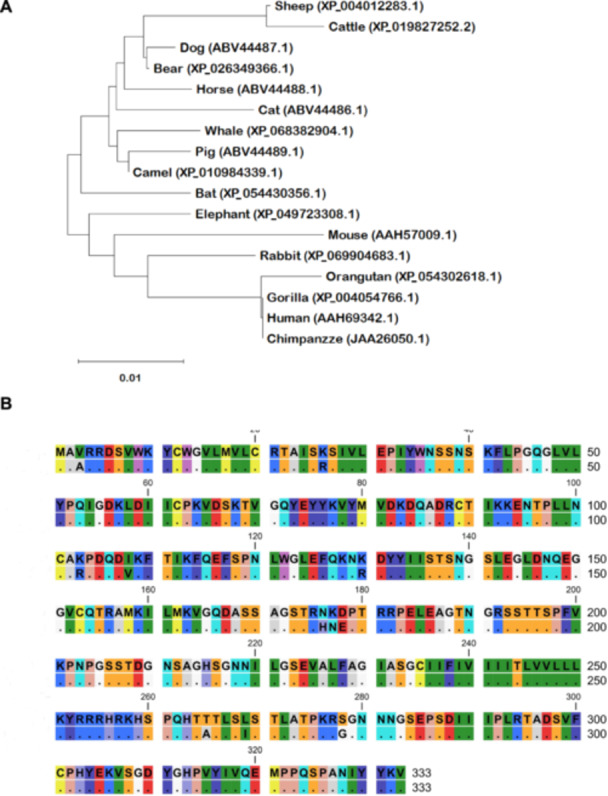 Figure 1
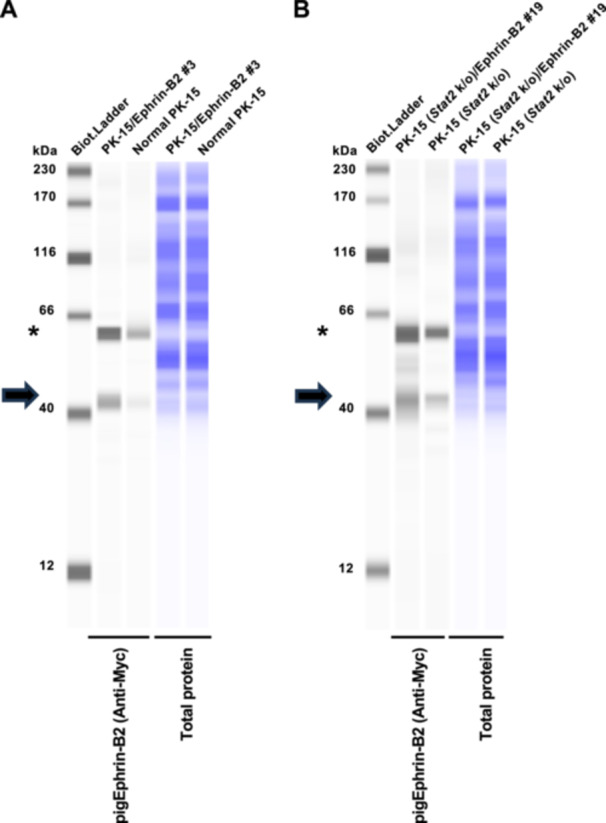 Figure 2
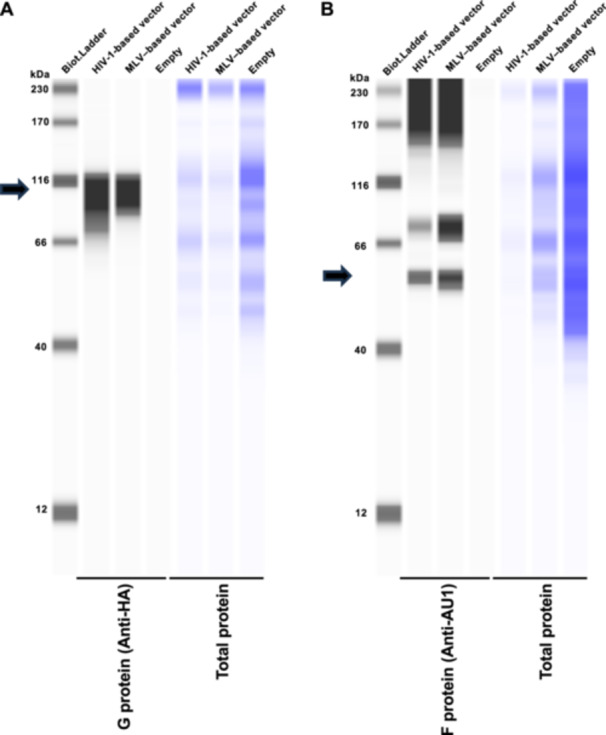 Figure 3
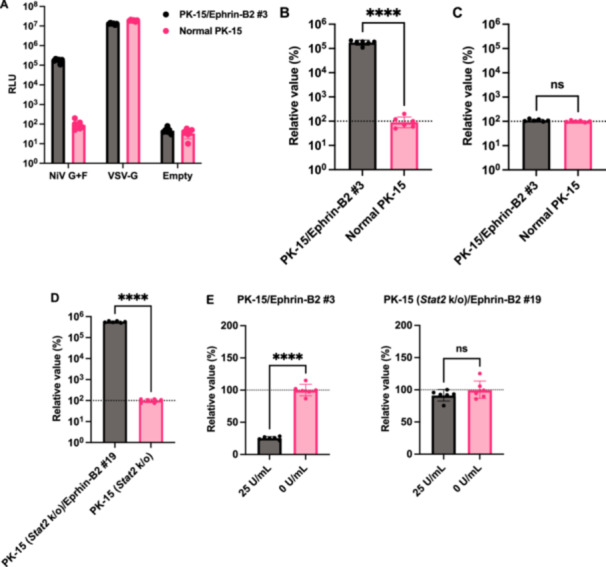 Figure 4
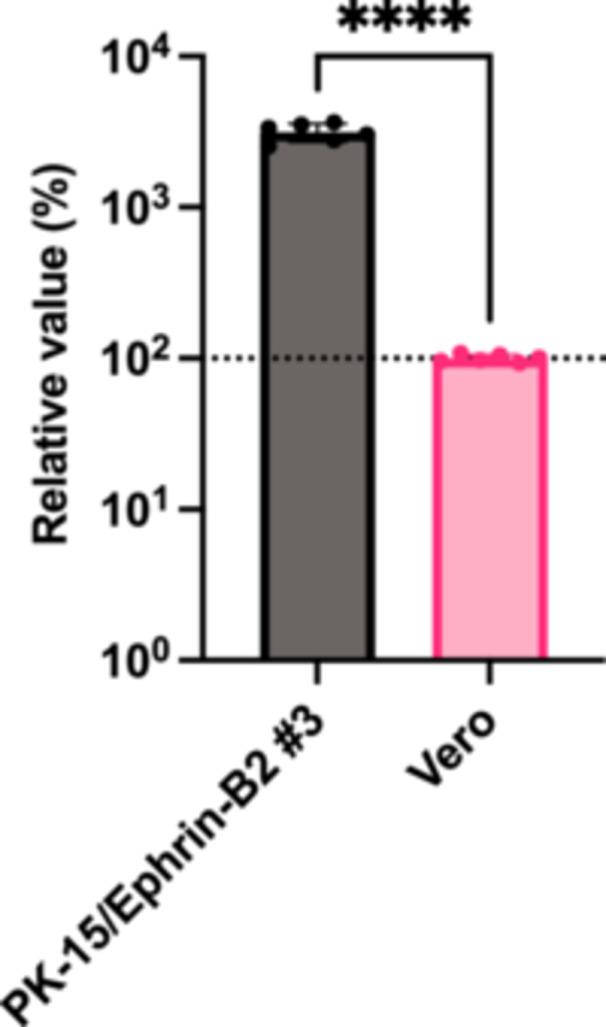 Figure 5
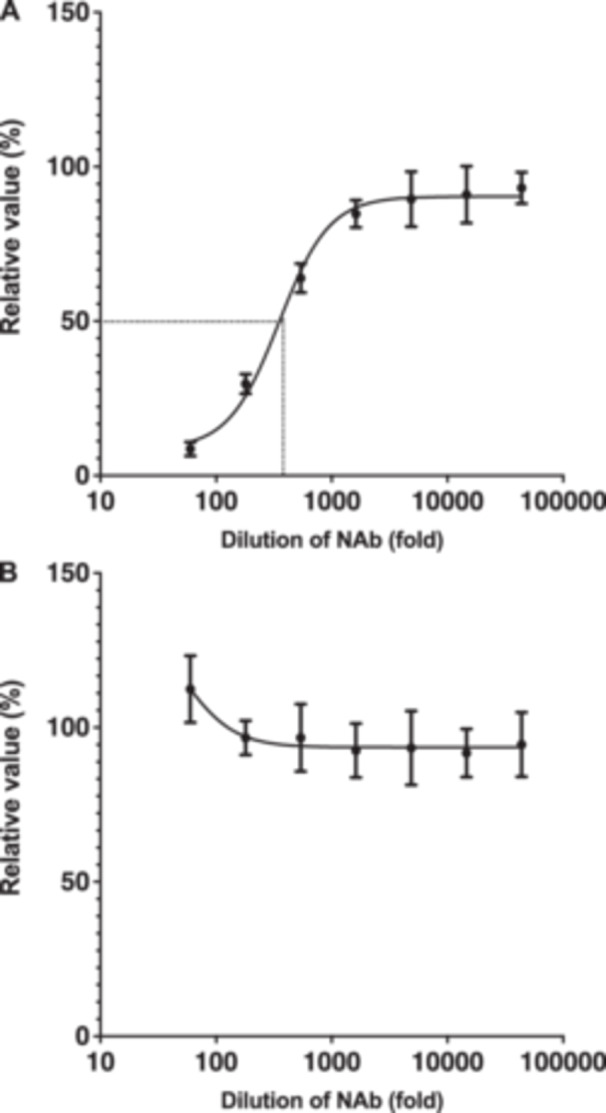 Figure 6
Peer Reviews
No public reviews on file for this paper yet. If you reviewed it on a platform where reviews are public (OpenReview, ICLR, NeurIPS, ICML), you can paste yours below so the community can read it here.
Videos
No videos yet. Explain this paper in a talk, walkthrough, or lecture? Add one.
Taxonomy
TopicsVirology and Viral Diseases · Animal Virus Infections Studies · Virus-based gene therapy research
Introduction
1
Nipah virus (NiV), a single negative‐stranded RNA virus belonging to the genus Henipavirus of the family Paramyxoviridae, can infect pigs [1], leading to significant economic losses in the swine industry [2]. Pigs can also serve as intermediate hosts for NiV between bats and humans. In the Malaysian outbreak, more than one million pigs were culled, and economic losses reached as high as 400 million US dollars [2]. To date, 265 people have been infected through direct contact with NiV‐infected pigs, resulting in 105 deaths [3, 4]. In other NiV outbreaks, although pigs lacked clinical signs, 44.2% of pigs in the outbreak area were anti‐NiV antibody‐positive [5]. These findings indicate that pigs play an essential role in the spread of NiV infection, highlighting the importance of controlling NiV infection in pigs.
Ephrin‐B2 and ephrin‐B3 are the only identified receptors for NiV [6, 7, 8]. These receptors are highly conserved across Mammalia, thereby explaining the broad species tropism of NiV [9]. During outbreaks, NiV isolates from pigs share high sequence similarity with those from humans [10]. However, the manifestation of infection differs between humans and pigs. In the Malaysian outbreak, NiV caused severe‐to‐fatal central nervous system infections in humans, suggesting that the central nervous system is the most severely affected by NiV [11]. Conversely, NiV infection in pigs leads to severe respiratory and neurological symptoms. Lesions appear mainly in the lungs, brain, and kidneys. Furthermore, a large proportion of pigs exhibit asymptomatic infection [12]. Therefore, the viral tropism of NiV and clinical outcome of NiV infection can differ depending on the infecting host species.
The endothelial and smooth muscle cells of small blood vessels are the primary targets of NiV and the regions responsible for histologic changes in humans [13]. Therefore, various cell lines, mostly originating from humans, have been evaluated for NiV permissibility [14, 15, 16]. Given the differences in the respiratory symptoms in pigs, porcine airway epithelial primary cells have also been used to evaluate NiV infection [17, 18, 19]. Although the World Organization for Animal Health (WOAH) recommends African green monkey‐derived Vero cells for NiV isolation [20], pig‐derived cell lines could represent an optimal platform for propagating pig‐origin NiV, as the signs and symptoms of infection differ among infected hosts despite the virus's broad host range. Therefore, in this study, we aimed to develop a porcine cell line highly susceptible to NiV for research and diagnostic testing.
Furthermore, during viral isolation, contamination by type I interferon (IFNs) or IFN‐inducible substances such as double‐stranded RNA or lipopolysaccharides can exert antiviral effects in the target cells. In this cascade, IFN alpha and beta receptor subunit 1 (IFNAR1) on the cell surface and intracellular STAT2 play critical roles [21]. Vero cells are widely used because they do not produce IFN. However, Vero cells can still induce the expression of IFN‐stimulated genes when treated with exogenous IFNs. We recently generated the pig‐derived PK‐15 cell line lacking Ifnar1 and Stat2 to overcome this limitation [22]. Based on this finding, we aimed to establish a PK‐15 cell line highly susceptible to NiV and unresponsive to IFN.
In this study, we established PK‐15 cells stably expressing pig Ephrin‐B2 (PK‐15/Ephrin‐B2 cells) to improve their susceptibility of NiV that utilizes ephrin‐B2. A viral infection assay using an a Human immunodeficiency virus 1 (HIV‐1)–based viral vector pseudotyped with NiV G and F proteins illustrated that the NiV pseudovirus displayed > 1000‐fold higher infectivity in PK‐15/Ephrin‐B2 cells than in normal PK‐15 cells. Furthermore, we demonstrated the usefulness of PK‐15 cells lacking Stat2 with stable expression of pig ephrin‐B2. Finally, we demonstrated that anti‐NiV hyperimmune ascitic fluid specifically neutralized NiV pseudovirus in PK‐15/Ephrin‐B2 cells. These findings suggest that PK‐15/Ephrin‐B2 cells are promising tools for isolating and propagating NiV and other ephrin‐B2–dependent viruses from pig samples.
Materials and Methods
2
Plasmids
2.1
The psPAX2‐IN/HiBiT and pWPI‐Luc2 plasmids were kindly gifted by Dr. Kenzo Tokunaga [17]. pMD2.G was a gift from Dr. Didier Trono (Cat# 12259; http://n2t.net/addgene:12259, accessed on May 10, 2025; RRID: Addgene_12259).
Cell Culture
2.2
Lenti‐X 293 T (TaKaRa, Kusatsu, Japan, Cat# Z2180N), PK‐15 (Japanese Collection of Research Bioresources Cell Bank, Ibaraki, Japan, Cat# JCRB9040), and PK‐15 Stat2 knockout (Stat2 k/o) cells [22] were cultured in Dulbecco's modified Eagle's medium (Nacalai Tesque, Kyoto, Japan, Cat# 08458‐16) supplemented with 10% fetal bovine serum (Cytiva, Marlborough, MA, USA, Cat# SH30396) and 1× penicillin–streptomycin (Nacalai Tesque, Cat# 09367‐34).
Generation of a Retroviral Vector to Express Ephrin‐B2
2.3
To generate a retroviral vector expressing pig ephrin‐B2, the coding sequence of pig ephrin‐B2 was synthesized using the amino acid sequences deposited in GenBank (accession number: ABV44489.1) with codon optimization to pig cells (Integrated DNA Technologies, Inc., Coralville, IA, USA). The synthesized DNA sequence is summarized in Supporting Information S1: File S1. Synthesized DNA was cloned into the pDON‐5 Neo‐vector (TaKaRa, Kusatsu, Japan, Cat# 3657), which was prelinearized by NotI‐HF (New England Biolabs, Ipswich, MA, USA, Cat# R3189L) and BamHI‐HF (New England Biolabs, Cat# R3136L) using an In‐Fusion HD Cloning Kit (TaKaRa, Cat# Z9633N). Plasmids were amplified using NEB 5‐alpha F′ Iq competent Escherichia coli (New England Biolabs, Cat# C2992H) and extracted using the PureYield Plasmid Miniprep System (Promega, Madison, WI, USA, Cat# A1222). The plasmid sequence was verified using a SupreDye v3.1 Cycle Sequencing Kit (M&S TechnoSystems, Osaka, Japan, Cat# 063001) with a Spectrum Compact CE System (Promega).
Generation of PK‐15 Cells Stably Expressing Ephrin‐B2
2.4
Lenti‐X 293 T cells were cotransfected with pDON‐5 Neo‐pig ephrin‐B2 plasmid, pGP packaging plasmid (TaKaRa, Cat# 6160), and pMD2.G plasmid with TransIT‐293 Transfection Reagent (TaKaRa, Cat# V2700) in Opti‐MEM (Thermo Fisher Scientific, Waltham, MA, USA, Cat# 31985062). The supernatant was filtered 2 days after transfection. Collected retroviral vectors were used to infect normal PK‐15 or PK‐15 Stat2 k/o cells, which were then cultured in 500 µg/mL G‐418 (Nacalai Tesque, Cat# 09380‐44) for 6 days. Single‐cell cloning was then performed with an SH800S cell sorter (Sony, Minato‐Ku, Japan). Briefly, a single‐cell clone was sorted into one well of a 96‐well plate. After cell growth, ephrin‐B2 expression in each clone was evaluated by western blot analysis.
Preparation of Plasmids for Expressing NiV G and F Proteins
2.5
The codon‐optimized NiV G (accession number: AAK29088.1) and F genes (accession number: AAK29087.1) were separately inserted into the pTwist vector and synthesized by Twist Bioscience (South San Francisco, CA, USA). G protein had a C‐terminal influenza virus hemagglutinin epitope tag (YPYDVPDYA), and F protein had a C‐terminal Sendai virus‐derived AU1 epitope tag (DTYRYI). None of the tags affected G and F protein function, as previously described [23].
Production of HIV‐1‐Based and Murine Leukemia Virus (MLV)‐Based Viral Vectors Pseudotyped With NiV G and F Proteins
2.6
To rescue an HIV‐1–based viral vector pseudotyped with NiV G and F proteins (NiV pseudovirus), Lenti‐X 293 T cells (2.5 × 10^5^ cells/mL) were cotransfected with 400 ng of psPAX2‐IN/HiBiT, 400 ng pWPI‐Luc2, 40 ng of pTwist‐NiV‐G, and 160 ng of pTwist‐NiV‐F plasmids using 3 μL of TransIT‐293 Transfection Reagent in 100 μL of Opti‐MEM I Reduced Serum Medium. To rescue the MLV‐based pseudovirus, the same procedure was conducted, albeit with cotransfection with 400 ng of pGP, 400 ng of pDON‐5 Neo‐luc2, 40 ng of pTwist‐NiV‐G, and 160 ng of pTwist‐NiV‐F plasmids. The supernatant was filtered 2 days after transfection. The cell lysate of transfected Lenti‐X 293 T cells was collected to evaluate G and F protein expression by western blot analysis.
Virus Infection
2.7
Wild‐type PK‐15 cells and PK‐15/Ephrin‐B2 #3 cells were seeded into 96‐well plates at 1 × 10^4^ cells/well, as previously described [22]. To test viral infectivity in the presence of type I IFN, cells were treated with 25 units/mL Universal Type I IFN (PBL Assay Science, Piscataway, NJ, USA, Cat# 11200) for 24 h. For the luciferase‐encoding virus, 10 μL of virus solution were added to each well. Infected cells were lysed 2 days after infection using britelite plus (PerkinElmer, Shelton, CT, USA, Cat# 6066769), and the luminescent signal was measured using a GloMax Explorer Multimode Microplate Reader (Promega).
Neutralization Test
2.8
PK‐15/Ephrin‐B2 #3 cells were seeded into a 96‐well plate at 1 × 10^4^ cells/well and incubated for 24 h. Pseudotyped NiV solution was mixed with different dilutions of polyclonal anti‐NiV hyperimmune mouse ascitic fluid (BEI Resources, Cat# NR‐48961). After incubation at 37°C for 1 h, 20 μL of the mixture was added to each well, and the luminescent signal was measured 2 days after infection using a GloMax Explorer Multimode Microplate Reader.
Western Blot Analysis
2.9
To evaluate ephrin‐B2 expression, pelleted cells were lysed in 2× Bolt LDS sample buffer (Thermo Fisher Scientific, Cat# B0008) containing 2% β‐mercaptoethanol (Bio‐Rad, Hercules, CA, USA, Cat# 1610710) and incubated at 70°C for 10 min. The expression of NiV G, NiV F in Lenti‐X 293 T cells, and ephrin‐B2 in PK‐15 cells was evaluated using SimpleWestern Abby (ProteinSimple, San Jose, CA, USA) with anti‐HA tag (6E2) mouse monoclonal antibody (Cell Signaling, Danvers, MA, USA, Cat# 2367S), anti‐AU1 tag (AU1) antibody (BioLegend, San Diego, CA, USA, Cat# 901905), and anti‐cellular myelocytomatosis oncogene product (Myc) tag rabbit monoclonal antibody (Cell Signaling Biotechnology, Cat# 2272S, ×125), along with the Anti‐Mouse Detection Module (ProteinSimple, Cat# DM‐001) and Anti‐Rabbit Detection Module (ProteinSimple, Cat# DM‐001). The amount of input protein was visualized using the Total Protein Detection Module (ProteinSimple, Cat# DM‐TP01). The expected sizes of HA‐tagged NiV G, AU1‐tagged NiV F, and Myc‐tagged ephrin‐B2 are 68.1, 62.1, and 38.1 kDa, respectively, according to the Protein Molecular Weight website (https://www.bioinformatics.org/sms/prot_mw.html, accessed on May 10, 2025).
Alignment of Ephrin‐B2 Protein Sequences
2.10
The MUSCLE algorithm on MEGA X (MEGA Software, AZ, USA) was used to align the ephrin‐B2 protein sequences from pigs (Acc. Num: ABV44489.1) and humans (Acc. Num: AAH69342.1). The alignment was visualized using CLC Genomics Workbench software (version 22.0.1, QIAGEN, Hilden, Germany).
Phylogenetic Analysis of Mammalian Ephrin‐B2
2.11
A phylogenetic tree was constructed using ephrin‐B2 sequences obtained from GenBank for various mammals including pigs (accession number: ABV44489.1), humans (accession number: AAH69342.1), cattle (accession number: XP_019827252.2), horses (accession number: ABV44488.1), dogs (accession number: ABV44487.1), cats (accession number: ABV44486.1), mice (accession number: AAH57009.1), chimpanzees (accession number: JAA26050.1), gorillas (accession number: XP_004054766.1), orangutans (accession number: XP_054302618.1), bears (accession number: XP_026349366.1), Mesoamerican common mustached bats (Pteronotus mesoamericanus) (accession number: XP_054430356.1), rabbits (accession number: XP_069904683.1), elephants (accession number: XP_049723308.1), whales (accession number: XP_068382904.1), sheep (accession number: XP_004012283.1), and camels (accession number: XP_010984339.1). The tree was created using the neighbor‐joining method with the Jones–Taylor–Thornton model implemented in a MEGA X program.
Calculation of the Identity of Ephrin‐B2 Among Animal Species
2.12
The identity of ephrin‐B2 sequences among animal species was calculated using MEGA X with a pairwise distance matrix. Analyses were conducted using the Poisson correction model. The rate variation among sites was modeled with a gamma distribution (shape parameter = 5). All ambiguous positions were removed for each sequence pair (pairwise deletion option).
Statistical Analysis
2.13
The results were presented as the mean and standard deviation of six measurements from one assay, representing at least two or three independent experiments. Differences in infectivity between two different conditions (e.g., between PK‐15 and PK‐15/Ephrin‐B2 #3 cells) were evaluated using an unpaired, two‐tailed Student's t‐test. p ≤ 0.05 was considered significant. Tests were performed using Prism 9 software v9.1.1 (GraphPad, Boston, MA, USA). NT_50_ values were determined by fitting a five‐parameter logistic curve on the data, using Prism 9 software v9.1.1.
Results
3
Generation of PK‐15 Cells Stably Expressing Pig Ephrin‐B2
3.1
We constructed a phylogenetic tree using mammalian ephrin‐B2 amino acid sequences retrieved from GenBank, thereby revealing genetic differences in ephrin‐B2 sequences between humans and pigs (Figure 1A). The homology rate of ephrin‐B2 sequences among different animals was approximately 94%, with the rate increasing to approximately 97% between humans and pigs (Figure 1B), suggesting that NiV has the potential to infect a wide range of mammals. Residues 104–122 (Figure 1B) and the G‐H loop of ephrin‐B2 contribute to the binding of the NiV G protein. Specifically, residues F117, L121, and W122 have essential roles in forming interactions [24]. However, as signs and symptoms differ among animals, it was necessary to establish a pig‐derived cell line that can highly support viral infection and replication.
Genetic diversity of mammalian ephrin‐B2. (A) A phylogenetic tree was constructed using ephrin‐B2 sequences retrieved from GenBank. The tree was constructed using the neighbor‐joining method with the Jones–Taylor–Thornton model implemented in MEGA X. (B) Amino acid alignment of ephrin‐B2 sequences between humans and pigs.
Therefore, we designed Myc‐tagged pig ephrin‐B2 using pig genomic information deposited in GenBank (accession number: ABV44489.1) with pig codon optimization. The synthesized DNA was cloned into a retroviral vector, which was used to infect normal PK‐15 cells, and the transduced cells were selected with neomycin. Single‐cell clones were obtained via cell sorting, and western blot analysis using anti‐Myc tag antibody was performed on each cell clone to test pig ephrin‐B2 expression (Supporting Information S1: Figure 1 and Figure 2A). Subsequently, we selected six clones that exhibited higher ephrin‐B2 expression. Then, these clones were infected with the NiV pseudovirus for screening. Among them, PK‐15/Ephrin‐B2 clone #3 exhibited the highest susceptibility to the NiV pseudovirus (Supporting Information S1: Figure 2). Furthermore, we expressed pig ephrin‐B2 in PK‐15 cells lacking Stat2 [22], thereby obtaining PK‐15 (Stat2 k/o)/Ephrin‐B2 #19 cells (Figure 2B).
Generation of PK‐15 cells stably expressing pig ephrin‐B2. (A) Expression of cellular myelocytomatosis oncogene product (Myc)‐tagged ephrin‐B2 in PK‐15 cells was evaluated by western blot analysis. The cellular lysate of normal PK‐15 cells was used as a negative control (empty). Cellular lysates were probed with an anti‐Myc antibody (left) and then re‐probed with the Total Protein Detection Module (right) as a loading control. The black arrows indicate the size of Myc‐tagged ephrin‐B2. The asterisk () indicates the position of nonspecific bands. (B) Expression of Myc‐tagged ephrin‐B2 in PK‐15 [Stat2 knockout (Stat2 k/o)] cells was evaluated by western blot analysis. The cellular lysate of unmodified PK‐15 (Stat2 k/o) cells was used as a negative control (empty). Cellular lysates were probed with an anti‐Myc antibody (left) and then re‐probed with the Total Protein Detection Module (right) as a loading control. The black arrows indicate the size of Myc‐tagged ephrin‐B2. The asterisk () indicates the position of nonspecific bands.
Ephrin‐B2 Expression in PK‐15 Cells Enhances NiV Pseudovirus Infectivity
3.2
We hypothesized that pig ephrin‐B2 expression in PK‐15 cells could enhance susceptibility to NiV infection. To address this, we generated HIV‐1–and MLV‐based vectors pseudotyped with NiV G and F proteins (termed NiV pseudovirus). Western blot analysis demonstrated efficient expression of NiV G (Figure 3A) and F proteins (Figure 3B) in the transfected cells. On western blot analysis, NiV G and F glycoproteins were detected as diffuse, smear‐like bands rather than single sharp bands. This heterogeneous migration pattern is likely attributable to extensive N‐linked glycosylation, as these proteins possess multiple potential glycosylation sites [24, 25].
Production of Nipah virus (NiV) pseudovirus. (A) Expression of influenza virus hemagglutinin (HA)‐tagged NiV G in Lenti‐X 293 T cells was evaluated by western blot analysis. The cellular lysate of Lenti‐X 293 T cells transfected with the pCAGGS empty plasmid was used as a negative control (empty). Cellular lysates were re‐probed with the Total Protein Detection Module (right) as a loading control. The black arrows indicate the sizes of the NiV G protein. (B) Expression of Sendai virus‐derived AU1 epitope tag (AU1)‐tagged NiV F in Lenti‐X 293 T cells was evaluated by western blot analysis. The cellular lysate of Lenti‐X 293 T cells transfected with the pCAGGS empty plasmid was used as a negative control (empty). Cellular lysates were re‐probed with the Total Protein Detection Module (right) as a loading control. The black arrows indicate the sizes of NiV F protein.
Next, we infected normal PK‐15 and pig ephrin‐B2–expressing PK‐15 cells with the NiV pseudovirus. Although NiV pseudovirus showed minimal infection in normal PK‐15 cells (Figure 4A), NiV pseudovirus infectivity was significantly enhanced by more than 1000‐fold in PK‐15/Ephrin‐B2 #3 cells compared with that in normal PK‐15 cells (Figure 4A,B).
*Stable ephrin‐B2 expression in PK‐15 cells enhances Nipah virus (NiV) pseudovirus infectivity. (A) Normal PK‐15 cells or PK‐15 cells stably expressing ephrin‐B2 (PK‐15/Ephrin‐B2 #3 cells) were infected with lentiviral vectors pseudotyped with NiV G and F (NiV G + F), VSV‐G, or no envelope protein (Empty). The luminescent signal was measured 2 days after infection. The relative value was calculated according to that in normal PK‐15 cells. The results, presented as the mean and standard deviation of sextuplicate measurements from one assay, are representative of at least three independent experiments. (B) Normal PK‐15 or PK‐15/Ephrin‐B2 #3 cells were infected with the NiV pseudovirus. The luminescent signal was measured 2 days after infection. The relative value was calculated according to that in normal PK‐15 cells. The results, presented as the mean and standard deviation of sextuplicate measurements from one assay, are representative of at least three independent experiments. Differences between PK‐15/Ephrin‐B2 #3 and normal PK‐15 cells infected with NiV pseudovirus were examined using a two‐tailed, unpaired Student's t‐test. ****p < 0.0001. (C) PK‐15/Ephrin‐B2 #3 and normal PK‐15 cells were infected with HIV‐1 vector pseudotyped with VSV‐G, and the luminescent signal was measured 2 days after infection. The results, presented as the mean and standard deviation of sextuplicate measurements from one assay, are representative of at least three independent experiments. Differences between PK‐15/Ephrin‐B2 #3 and normal PK‐15 cells were examined using a two‐tailed, unpaired Student's t‐test. ns (not significant). (D) PK‐15 [Stat2 knockout (Stat2 k/o)]/Ephrin‐B2 #19 cells were infected with NiV pseudovirus. The luminescent signal was measured 2 days after infection. The relative value was calculated according to that in PK‐15 (Stat2 k/o) cells. The results, presented as the mean and standard deviation of sextuplicate measurements from one assay, are representative of at least three independent experiments. Differences between PK‐15 (Stat2 k/o)/Ephrin‐B2 #19 and PK‐15 (Stat2 k/o) cells infected with NiV pseudovirus were examined using a two‐tailed, unpaired Student's t‐test. **** p < 0.0001. (E) PK‐15/Ephrin‐B2 #3 and PK‐15 (Stat2 k/o)/Ephrin‐B2 #19 cells were treated with 25 units/mL Universal Type I IFN or left untreated for 24 h and then infected with NiV pseudovirus. The luminescent signal was measured 2 days after infection. The results, presented as the mean and standard deviation of sextuplicate measurements from one assay, are representative of at least three independent experiments. The relative value was calculated according to that in PK‐15 cells without Universal Type I IFN treatment. ***p < 0.0001, ns (not significant).
We then investigated the specificity of the enhancement in NiV pseudovirus infectivity in PK‐15/Ephrin‐B2 #3 cells. Specifically, we tested whether pig ephrin‐B2 enhances the infectivity of an HIV‐1–based lentiviral vector pseudotyped with VSV‐G, the infection of which is mediated by endocytosis [26]. No difference in infection efficiency was observed between normal PK‐15 and PK‐15/Ephrin‐B2 #3 cells (Figure 4C), suggesting that pig ephrin‐B2 expression does not affect the infectivity of ephrin‐B2–independent viruses. Therefore, stable expression of pig ephrin‐B2 in PK‐15 cells specifically promoted NiV pseudovirus infectivity.
Type I IFN exerts antiviral effects by binding to IFNAR1 on the cellular surface, and STAT2 plays a critical role in this response. To avoid the inhibition of viral isolation by IFN, we recently generated a PK‐15 cell line lacking Ifnar1 or Stat2 [22]. In this study, we tested the usefulness of PK‐15 (Stat2 k/o)/Ephrin‐B2 #19 cells for investigating NiV pseudovirus infectivity in the presence of IFNs. Virus infectivity was higher in PK‐15 (Stat2 k/o)/Ephrin‐B2 #19 cells lacking type I IFN than in PK‐15 (Stat2 k/o) cells (Figure 4D). We also observed a significant difference in infectivity in PK‐15/Ephrin‐B2 #3 with or without type I IFN treatment (Figure 4E). Conversely, virus infectivity in PK‐15 (Stat2 k/o)/Ephrin‐B2 #19 cells was not affected by the addition of type I IFN (Figure 4E). These results suggest that ephrin‐B2 expression in PK‐15 cells enhances NiV pseudovirus infectivity. Furthermore, in the presence of IFN or IFN‐inducible substances in clinical samples, PK‐15 (Stat2 k/o) cells with stable ephrin‐B2 expression could be more useful for efficient virus isolation than PK‐15/Ephrin‐B2 #3 cells.
NiV Pseudovirus More Efficiently Infected PK‐15/Ephrin‐B2 #3 Cells Than Vero Cells
3.3
Having demonstrated that NiV pseudovirus robustly infected PK‐15/Ephrin‐B2 #3 cells (Figure 4A,B), we hypothesized that PK‐15/Ephrin‐B2 #3 cells would be superior to other cell lines for NiV propagation. To investigate this, we compared NiV pseudovirus infectivity between PK‐15/Ephrin‐B2 #3 and Vero E6 cells, which WOAH recommends for NiV isolation. As TRIM5 in Vero cells blocks infection by HIV‐1–based lentiviral vectors [27], we used an MLV‐based retroviral vector pseudotyped with NiV G and F proteins. The result demonstrated that NiV pseudovirus infectivity was higher (> 30‐fold) in PK‐15/Ephrin‐B2 #3 cells than in Vero E6 cells (Figure 5). Thus, PK‐15/Ephrin‐B2 #3 cells could be promising for NiV propagation.
*Nipah virus (NiV) pseudovirus more efficiently infected PK‐15 cells stably expressing ephrin‐B2 (PK‐15/Ephrin‐B2 #3 cells) than in Vero cells. PK‐15/Ephrin‐B2 #3 or Vero E6 cells were infected with NiV pseudovirus, and the luminescent signal was measured 2 days after infection. The relative values were calculated in comparison to those in Vero E6 cells. The results, presented as the mean and standard deviation of sextuplicate measurements from one assay, are representative of at least three independent experiments. Differences between PK‐15/Ephrin‐B2 #3 and Vero E6 cells were examined using a two‐tailed, unpaired Student's t‐test. ***p < 0.0001.
PK‐15/Ephrin‐B2 #3 Cells Can Be Used for Neutralization Testing
3.4
We tested whether neutralization antibodies against NiV could block NiV pseudovirus infection in PK‐15/Ephrin‐B2 #3 cells. Neutralization tests illustrated that different dilutions of anti‐NiV hyperimmune mouse ascitic fluid neutralized NiV pseudovirus in PK‐15/Ephrin‐B2 #3 cells (Figure 6A). The calculated NT_50_ of anti‐NiV hyperimmune mouse ascitic fluid was 349.5‐fold dilution. Conversely, ascitic fluid did not exert any effect against the HIV‐1–based lentiviral vector pseudotyped with VSV‐G in PK‐15/Ephrin‐B2 #3 cells (Figure 6B), highlighting the specificity of our assay.
PK‐15 cells stably expressing ephrin‐B2 (PK‐15/Ephrin‐B2 #3 cells) can be used in neutralization assays. (A) NiV pseudovirus was mixed with serially diluted anti‐Nipah virus (NiV) hyperimmune ascitic fluid for 1 h. The mixture was then added to PK‐15/Ephrin‐B2 #3 cells. The values of anti‐NiV hyperimmune ascitic fluid against NiV pseudovirus was measured 2 days after infection. The NT50 values were determined by fitting a five‐parameter logistic curve on the data, using Prism 9 software v9.1.1. The results, presented as the mean and standard deviation of sextuplicate measurements from one assay, are representative of at least three independent experiments. (B) HIV‐1 vector pseudotyped with VSV‐G was mixed with serially diluted anti‐NiV hyperimmune ascitic fluid for 1 h. The mixture was then added to PK‐15/Ephrin‐B2 #3 cells. The NT50 of anti‐NiV hyperimmune ascitic fluid against HIV‐1 vector pseudotyped with VSV‐G was measured 2 days after infection. The results, presented as the mean and standard deviation of sextuplicate measurements from one assay, are representative of at least three independent experiments.
Discussion
4
To date, no vaccines or drugs are approved for NiV infection in pigs or humans. Virus isolation from clinical specimens is essential for understanding the growth characteristics and pathogenicity of virus strains, and isolated viruses can be used to prepare vaccine antigens. In this study, we generated a porcine PK‐15 cell line with stable pig ephrin‐B2 expression to enhance NiV replication. The infectivity of NiV pseudovirus was significantly enhanced by > 1000‐fold in PK‐15/Ephrin‐B2 #3 cells compared with that in wild‐type PK‐15 cells (Figure 4A,B), and NiV pseudovirus was markedly and specifically inhibited by an anti‐NiV neutralizing antibody (Figure 6A). We believe that PK‐15/Ephrin‐B2 #3 cells can improve the viral isolation efficiency of clinical samples from the respiratory or neurological organs of pigs infected with NiV. However, as our laboratory facilities are not capable of conducting biosafety level 4 (BSL‐4) experiments, we used a pseudotyped virus instead of replication‐competent NiV. Further studies are required to evaluate NiV replication efficiency in a BSL‐4 laboratory.
Ephrin‐B2 is a widely used receptor in henipaviruses, including NiV, Hendra virus, and Cedar virus [28]. As viruses exhibit optimal replication in their natural hosts, we believe that PK‐15/Ephrin‐B2 #3 cells can be an essential tool for isolating henipaviruses from pigs. Furthermore, we successfully generated PK‐15 (Stat2 k/o)/Ephrin‐B2 #19 cells to isolate viruses in the presence of IFNs (Figure 4E). To prove the usefulness of these cells, we will test the isolation efficiency of a variety of pig‐derived viruses in future studies.
The lack of enhanced infectivity of lentiviral vectors pseudotyped with VSV‐G in PK‐15/Ephrin‐B2 #3 cells (Figure 4C) confirmed that the observed enhanced infectivity of NiV pseudovirus in this cell line was strictly dependent on ephrin‐B2–mediated entry. This specificity is crucial for diagnostic applications. Furthermore, we observed > 30‐fold higher NiV pseudovirus infectivity in PK‐15/Ephrin‐B2 #3 cells than in Vero cells (Figure 5), underscoring the higher sensitivity of the latter cell line for NiV infection. Additionally, some monoclonal antibodies, such as m102.4 and Hu1F5, have been tested in nonhuman primates, and they exhibited promising postexposure prophylactic and therapeutic effects [29, 30]. Vero cells are extensively used in neutralization tests [31, 32]. Given the broad tissue distribution of ephrin‐B2, alternative cell lines such as HEK293T have also been used in NiV neutralization tests [33]. However, none of these cells is of porcine origin. The neutralization of NiV pseudovirus in PK‐15/Ephrin‐B2 #3 cells by anti‐NiV hyperimmune ascitic fluid (Figure 6A) validated the utility of the developed cells for neutralization assays in veterinary vaccine and therapeutic antibodies development.
Our study had some limitations. First, as previously discussed, confirmatory tests using replication‐competent NiV to evaluate the replication efficiency of the virus in PK‐15/Ephrin‐B2 #3 cells in a BSL‐4 laboratory are required. Second, the adverse effects of stable ephrin‐B2 expression on the isolation or propagation of ephrin‐B2–independent viruses should be considered. In this regard, we did not observe any adverse effect of stable ephrin‐B2 expression on the infectivity of a lentiviral vector pseudotyped with VSV‐G (Figure 4C). Nevertheless, we must assess this possibility further in future studies.
In conclusion, we established a pig‐derived PK‐15 cell line stably expressing pig ephrin‐B2, and NiV pseudovirus infectivity was significantly enhanced in these cells, suggesting a promising approach for isolating and propagating henipaviruses. We believe our cells will make significant contributions to both NiV research and preparedness for Henipavirus disease outbreaks in the pig population and assessments of Henipavirus transmission risk from pigs to humans.
Ethics Statement
The authors have nothing to report.
Conflicts of Interest
The authors declare no conflicts of interest.
Data Availability Statement
The data that support the findings of this study are available from the corresponding author upon reasonable request.
Supporting information
Supporting Text 1: Synthesized DNA for generating a plasmid expressing pig ephrin‐B2. The coding sequence of pig ephrin‐B2 was synthesized according to the amino acid sequence deposited in GenBank (accession number: ABV44489.1) with codon optimization to pig cells. The start and stop codons are underlined. Supporting Text 2: Synthesized DNA for generating a plasmid expressing Nipah virus (NiV) G and F. The coding sequences of NiV G and F proteins were synthesized according to the amino acid sequences deposited in GenBank (accession numbers: AAK29088.1 and AAK29087.1). The start and stop codons are underlined.
Supporting Figure 1: Expression screening of PK‐15/Ephrin‐B2 cell clones. Expression of cellular myelocytomatosis oncogene product (Myc)‐tagged pig ephrin‐B2 in PK‐15 cells was evaluated by western blotting. The cellular lysate of normal PK‐15 cells was used as a negative control (empty). Cellular lysates were probed with an anti‐Myc antibody (left) and then re‐probed with the Total Protein Detection Module (right) as a loading control. The calculated expression level for each clone is presented below the figure. Supporting Figure 2: Functional screening of PK‐15/Ephrin‐B2 cell clones. Normal PK‐15 cells or PK‐15/Ephrin‐B2 cell clones were infected with the NiV pseudovirus. The luminescent signal was measured 2 days after infection. The relative value was calculated according to that in normal PK‐15 cells. Differences between normal PK‐15 cells and PK‐15/Ephrin‐B2 cell clones infected with the NiV pseudovirus were examined using a two‐tailed, unpaired Student's t‐test. ****p < 0.0001.
The reference list from the paper itself. Each links out to its DOI / PubMed record.
- 1R. K. Mc Lean and S. P. Graham , “The Pig as an Amplifying Host for New and Emerging Zoonotic Viruses,” One Health 14 (2022): 100384.35392655 10.1016/j.onehlt.2022.100384 PMC 8975596 · doi ↗ · pubmed ↗
- 2D. D. Kulkarni , C. Tosh , G. Venkatesh , and D. Senthil Kumar , “Nipah Virus Infection: Current Scenario,” Indian Journal of Virology 24, no. 3 (2013): 398–408.24426305 10.1007/s 13337-013-0171-y PMC 3832692 · doi ↗ · pubmed ↗
- 3K. B. Chua , W. J. Bellini , P. A. Rota , et al., “Nipah Virus: A Recently Emergent Deadly Paramyxovirus,” Science 288, no. 5470 (2000): 1432–1435.10827955 10.1126/science.288.5470.1432 · doi ↗ · pubmed ↗
- 4U. D. Parashar , L. M. Sunn , F. Ong , et al., “Case‐Control Study of Risk Factors for Human Infection With a New Zoonotic Paramyxovirus, Nipah Virus, During a 1998–1999 Outbreak of Severe Encephalitis in Malaysia,” Journal of Infectious Diseases 181, no. 5 (2000): 1755–1759.10823779 10.1086/315457 · doi ↗ · pubmed ↗
- 5S. Chowdhury , S. U. Khan , G. Crameri , et al., “Serological Evidence of Henipavirus Exposure in Cattle, Goats and Pigs in Bangladesh,” P Lo S Neglected Tropical Diseases 8, no. 11 (2014): e 3302.25412358 10.1371/journal.pntd.0003302 PMC 4238985 · doi ↗ · pubmed ↗
- 6M. I. Bonaparte , A. S. Dimitrov , K. N. Bossart , et al., “Ephrin‐B 2 Ligand Is a Functional Receptor for Hendra Virus and Nipah Virus,” Proceedings of the National Academy of Sciences 102, no. 30 (2005): 10652–10657.10.1073/pnas.0504887102 PMC 116923715998730 · doi ↗ · pubmed ↗
- 7O. A. Negrete , E. L. Levroney , H. C. Aguilar , et al., “Ephrin B 2 Is the Entry Receptor for Nipah Virus, an Emergent Deadly Paramyxovirus,” Nature 436, no. 7049 (2005): 401–405.16007075 10.1038/nature 03838 · doi ↗ · pubmed ↗
- 8O. A. Negrete , M. C. Wolf , H. C. Aguilar , et al., “Two Key Residues in ephrin B 3 Are Critical for Its Use as an Alternative Receptor for Nipah Virus,” P Lo S Pathogens 2, no. 2 (2006): e 7.16477309 10.1371/journal.ppat.0020007 PMC 1361355 · doi ↗ · pubmed ↗