Diversity and spatial distribution of malaria vectors in the WHO Eastern Mediterranean region from 1900 to 2024: a systematic review
Roya Rashti, Ebrahim Chavoshi, Leili Tapak, Fatemeh Nikpoor, Erfan Ayubi, Hossein Asakereh, Younes Mohammadi

TL;DR
This review maps the diversity and distribution of malaria-carrying mosquitoes in the WHO Eastern Mediterranean region from 1900 to 2024.
Contribution
A comprehensive systematic review of Anopheles species diversity and spatial distribution in the WHO Eastern Mediterranean region.
Findings
45 Anopheles species were documented across the region, with five species dominating research.
Iran contributed the most studies, followed by Pakistan, Sudan, and Egypt.
The review emphasizes the need for ongoing monitoring of mosquito populations for effective malaria control.
Abstract
Malaria remains a major public health challenge in the WHO Eastern Mediterranean region, transmitted by various Anopheles species. The main objective of this review was to collect the knowledge on the diversity and spatial distribution of malaria vectors in the World Health Organization (WHO) Eastern Mediterranean region. A comprehensive literature search was conducted in PubMed, Web of Science, and Scopus through August 2024 using the terms “Anopheles”, “malaria vector”, and relevant country names. Eligible field studies documenting captures of adult or larval Anopheles with detailed information about the capture locations (including both rural and urban areas, as well as various breeding sites and feeding behaviours), were systematically included. Out of 3637 identified publications, 276 met the inclusion criteria. This systematic review identified 45 species of Anopheles mosquitoes…
Genes, proteins, chemicals, diseases, species, mutations and cell lines named across the full text — each resolved to its canonical identifier and authoritative record.
Click any figure to enlarge with its caption.
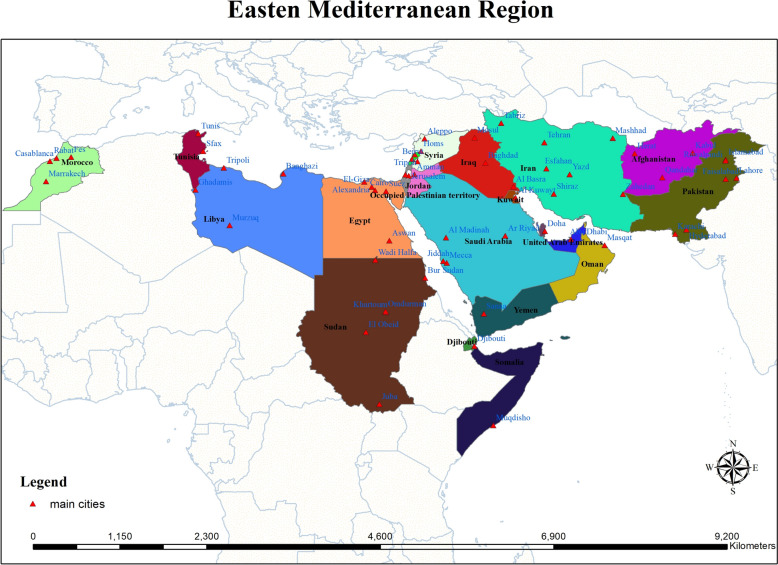 Figure 1
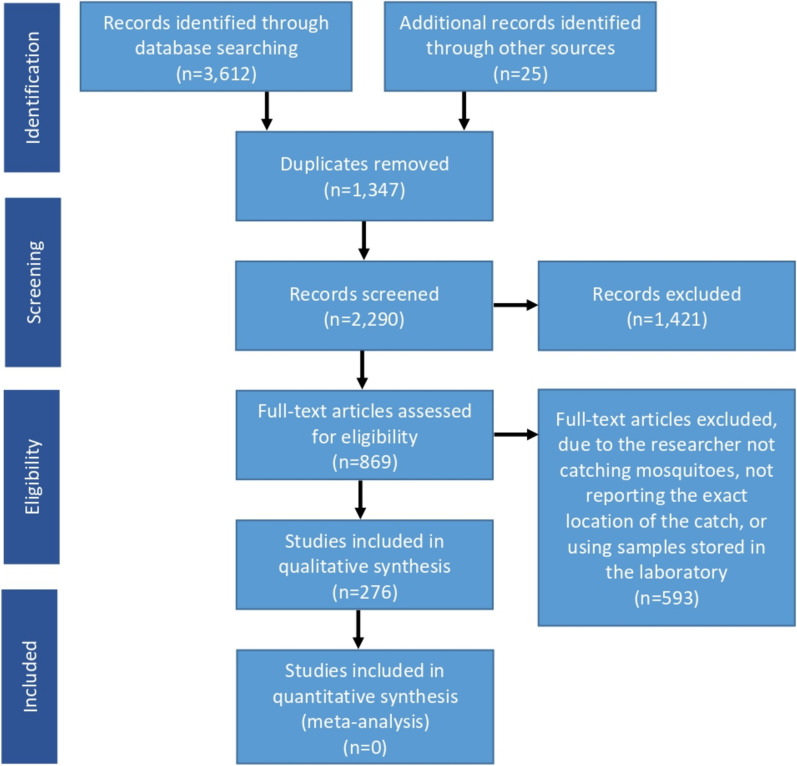 Figure 2
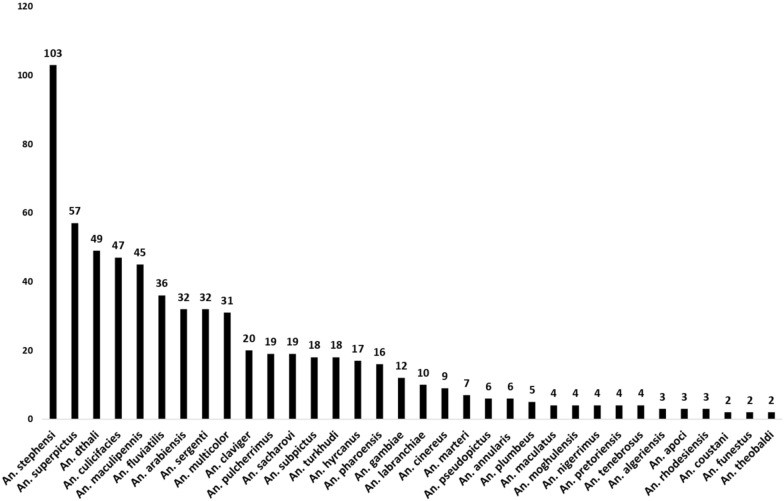 Figure 3
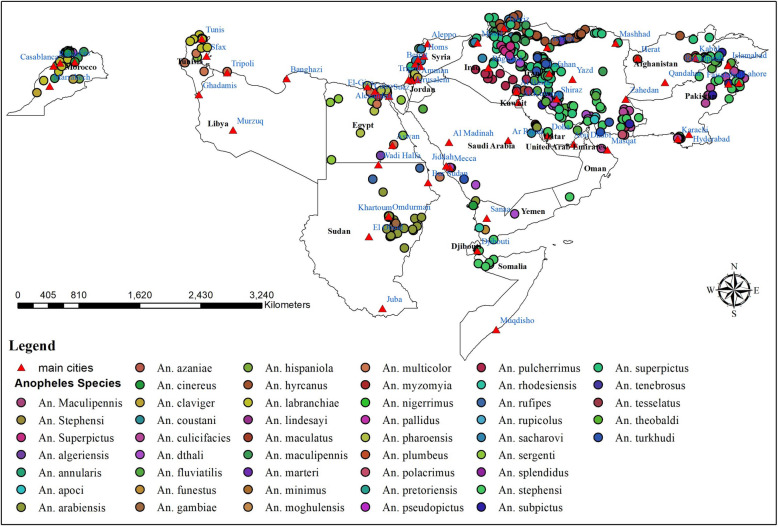 Figure 4
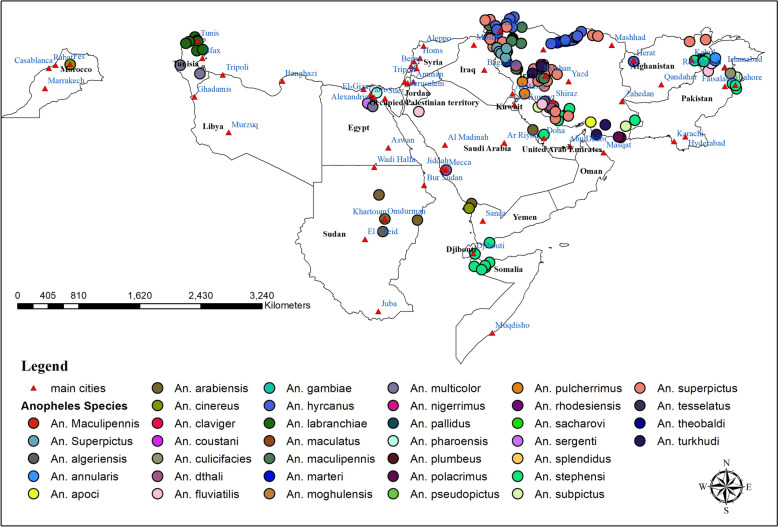 Figure 5
Peer Reviews
No public reviews on file for this paper yet. If you reviewed it on a platform where reviews are public (OpenReview, ICLR, NeurIPS, ICML), you can paste yours below so the community can read it here.
Videos
No videos yet. Explain this paper in a talk, walkthrough, or lecture? Add one.
Taxonomy
TopicsMalaria Research and Control · Mosquito-borne diseases and control · Parasitic Diseases Research and Treatment
Background
Malaria is a serious and potentially life-threatening illness caused by parasitic organisms transmitted to humans through the bites of infected female Anopheles mosquitoes [1]. This disease is both preventable and treatable [2]. Five specific parasites are known to cause malaria in humans, with Plasmodium falciparum and Plasmodium vivax posing the greatest threat [3]. In 2023, it was estimated that there were approximately 263 million cases of malaria, resulting in an anticipated mortality of around 597,000 individuals [4]. Malaria incidence in the Eastern Mediterranean Region increased from 41.6 cases per 1000 in 2015 to 61.5 cases per 1000 in 2020, with notable increases in Djibouti, Somalia, Sudan, and Yemen following the detection of Anopheles stephensi [5]. Worldwide, 41 main species of mosquitoes can transmit malaria, with 9 species in the Americas, 6 in Europe and the Middle East, 7 in Africa, and 19 in Asia [6]. To prevent malaria, several control methods can be employed, including insecticide-treated nets (ITNs), indoor residual spraying (IRS), topical repellents, insecticide sprays, microbial larvicides, and home improvements, such as screening and insecticide wall coatings [7]. Larval source management, which often combines two or more of these methods, is also effective [8]. Political instability and population displacement can disrupt healthcare systems and malaria control programs, increasing vulnerability to outbreaks [9].
Many countries have been certified as having eliminated malaria between 1955 and 2024. Some of these countries implemented control measures, while others have been malaria-free from the start or witnessed the disease disappear without any intervention [10]. Previous studies have identified various species of Anopheles mosquitoes in the Eastern Mediterranean region [11–13]. However, comprehensive data on their distribution remains limited [5]. This study aims to gather information on the diversity and the geographical distribution of Anopheles across all Eastern Mediterranean region, without any time restrictions with a focus on the last decade. By simplifying this information and pinpointing the geographical locations of Anopheles populations, we can identify areas at potential risk for malaria [14]. This will aid in developing and implementing effective malaria prevention strategies, as well as in the strategic allocation of resources for disease control. Additionally, insights into vector distribution can assist researchers in creating new control methods and contribute to improving public health outcomes in affected countries [15, 16].
Methods
Study area
This study was conducted in the World Health Organization (WHO) Eastern Mediterranean Region (EMR), which comprises 22 countries extending from North Africa and the Middle East to Central and South Asia [17]. The region covers diverse geographical landscapes, including arid deserts, coastal plains, mountain ranges, fertile river valleys, and tropical lowlands. The EMR experiences a wide range of climatic conditions, from hyper-arid desert climates in the Arabian Peninsula and North Africa to Mediterranean and subtropical climates in the Levant and mountainous regions, and monsoon-influenced environments in parts of Pakistan and Afghanistan [18]. The total population of the EMR is nearly 679 million people, characterized by a mixture of densely populated urban centers, rapidly growing peri-urban areas, and rural communities [19]. Environmental and ecological conditions vary substantially across the region, influencing mosquito breeding habitats and malaria transmission dynamics [20]. Key ecological features include oases and irrigation systems, river basins such as the Nile and Indus, coastal wetlands, and temporary rain-dependent water bodies [21]. Figure 1 shows the geographic extent of the WHO Eastern Mediterranean Region, including the countries included in this review.Fig. 1. Geographic location of the WHO Eastern Mediterranean Region (study area)
PICOTS criteria
- Population: countries of the WHO Eastern Mediterranean region
- Intervention (exposure): not applicable
- Control: not applicable
- Outcome: Presence of malaria vectors
- Time: 1900 to 2024
- Study: field study
Eligibility criteria
The documents selected for this study were based on the eligibility criteria. The inclusion criteria were: field studies that recorded the capture of either the adult insect or its larvae, along with exact information about the capture location (including any rural or urban areas, any breeding sites, and any feeding habits), were selected. Studies were excluded if they: (1) were not conducted in countries of the WHO Eastern Mediterranean Region; (2) did not report field collection of Anopheles mosquitoes (either adults or larvae); (3) lacked specific geographic location data; (4) were laboratory-based studies without field sampling; (5) lacked sufficient methodological information.
Search strategy
The search for articles was conducted in the online databases like PubMed, Web of Science, and Scopus. These databases were systematically examined up to August 20, 2024. Additionally, the reference lists of the studies included in this review were explored. The following combinations of search terms were used: "Anopheles" OR "Malaria vector" AND "Afghanistan" OR "Bahrain" OR "Djibouti" OR "Egypt" OR "Iran" OR "Iraq" OR "Jordan" OR "Kuwait" OR "Lebanon" OR "Libya" OR "Morocco" OR "Palestine" OR "Oman" OR "Pakistan" OR "Qatar" OR "Saudi Arabia" OR "Somalia" OR "Sudan" OR "Syrian Arab Republic" OR "Tunisia" OR "United Arab Emirates" OR "Yemen" (Additional file 1: Table S1).
Study selection
The search results from all databases were compiled using EndNote X8, and duplicate entries were systematically eliminated. Following this, two authors (R.R. and F.N.) independently reviewed the titles and abstracts to exclude studies that did not meet the eligibility criteria. Any disagreements were resolved with the assistance of a third person (Y.M.). The full texts of studies considered potentially relevant were then retrieved for a thorough evaluation.
Data extraction
Two researchers (R.R. and Y.M.) independently extracted the study data using a structured electronic form, designed and implemented in the Excel software version 2021. The gathered data included: the name of the author, the year in which the work was published, the year of the study was conducted, the species of Anopheles, the name of the country, province, city, and village, as well as the geographic coordinates of the locations where the Anopheles mosquito is documented to exist (in instances where the geographic coordinates are not provided within the manuscript, this information was obtained from Google Maps). Moreover, all maps were made using ArcGIS 10.8.2.
Results
Search results
After analysing the different databases, 3637 scholarly articles were compiled. After eliminating duplicates and conducting a careful review of titles and abstracts, 869 records were selected for an in-depth evaluation of their full texts. Ultimately, 276 articles were deemed to fully meet the established inclusion criteria (Fig. 2).Fig. 2. Flow of information through the various phases of the systematic review
Study characteristics
The characteristics of the studies included in this research can be found in Additional file 2: Table S2. A total of 276 studies documented the presence of 45 Anopheles species across countries in the WHO Eastern Mediterranean region. The majority of these studies focused on five species: Anopheles stephensi (102 studies), Anopheles superpictus (57), Anopheles dthali (49), Anopheles culicifacies (47), and Anopheles maculipennis (45) (Fig. 3). Additionally, the species Anopheles azaniae, Anopheles hispaniola, Anopheles lindesayi, Anopheles minimus, Anopheles myzomyia, Anopheles pallidus, Anopheles polacrimus, Anopheles rufipes*, Anopheles rupicolus, *Anopheles splendidus, and Anopheles tesselatus have each been reported in only one study.Fig. 3. Chart of the number of studies that report the presence of a species
The studies were from 18 countries. The highest number of studies originated from Iran (122), followed by Pakistan (35), Sudan (31), Egypt (30), Morocco (14), Saudi Arabia (14), Iraq (7), and Afghanistan (6). The remaining countries each contributed fewer than five studies.
Spatial distribution of Anopheles species in the WHO Eastern Mediterranean
The distribution of Anopheles species in the WHO Eastern Mediterranean region from 1900 to 2024 is shown in Fig. 4. The specific distribution patterns of each Anopheles species are detailed as follows:Fig. 4. Spatial distribution of Anopheles species in the WHO Eastern Mediterranean Region, from 1900 to 2024
Anopheles stephensi has been documented in several regions, including the eastern parts of Afghanistan, the southern areas of Djibouti, central and southeastern Egypt, and throughout the southern, southeastern, and southwestern regions of Iran.
Additionally, it has been reported in the central and southeastern areas of Iraq, the northern and southern regions of Oman, as well as the northwest, northeast, east, and southeast of Pakistan. The species is also found in the northeastern part of Qatar, along with both western and eastern regions of Saudi Arabia, the northern areas of Somalia, and the southern parts of Yemen.
Anopheles superpictus has been documented in the eastern regions of Afghanistan, throughout Iran, the eastern and northeastern parts of Iraq, the northern and northwestern areas of Jordan, western Lebanon, the eastern and southeastern regions of Pakistan, southern Saudi Arabia, and western Syria.
Anopheles dthali has been observed in the southern and southeastern regions of Iran, as well as throughout the west, east, southwest, and southeast of Saudi Arabia.
Additionally, its presence has been documented in southern Jordan, northwest Morocco, southern Oman, northwest Pakistan, and east-central Yemen, with individual research studies conducted for each of these locations.
Anopheles culicifacies. The distribution of this species has been documented in several geographical regions, including the northwest, northeast, and southeastern parts of Pakistan. Additionally, its presence has been noted in the southern and southeastern regions of Iran, the northern territory of Oman, the eastern areas of Afghanistan, and the western and southwestern zones of Saudi Arabia, as well as in the western regions of Yemen.
Anopheles maculipennis has been recorded in northern, northwestern, and western Iran, as well as in northern, central, and northwestern Morocco.
Additionally, individual research studies have documented its presence in northern Iraq, southern Lebanon, and western Syria.
Anopheles fluviatilis has been recorded in various geographical regions, specifically within the southern and southeastern territories of Iran, as well as the eastern and western areas of Saudi Arabia.
Additionally, its presence has been noted in the northwestern and northeastern regions of Pakistan. Furthermore, a study has documented occurrences of this species in the eastern region of Afghanistan.
Anopheles arabiensis has been recorded in southern and southwestern Saudi Arabia, nearly all regions of Sudan, and Yemen, particularly in Zubaid city.
Anopheles sergenti. Reports of An. sergenti have been documented in various regions, including the north, northeast, central, and southeast of Egypt; the south of Iran; the northwest of Jordan; the northwest of Morocco; the south of Oman; the east and southwest of Saudi Arabia; the central part of Tunisia; and the east of Yemen.
Anopheles multicolor has been reported across various locations, including all regions of Egypt, the central and southern parts of Iran, northwest Jordan, and the Jordan Valley.
It can also be found in the eastern, western, and southwestern regions of Saudi Arabia, as well as in the central and southern areas of Tunisia. Additionally, this species has been documented in western Libya and at the Al Hassan Addakhil dam in Morocco, with individual research studies conducted for each of these locations.
Anopheles claviger has been observed in the northern, northwestern, and western regions of Iran.
Additionally, it has been documented in the eastern part of Lebanon (Beirut), southern Lebanon, the northern areas of Jordan (specifically in Jarash and Irbid Governorate), and the northeastern region of Morocco (Chefchaouen) through individual research studies conducted for each location.
Anopheles pulcherrimus has been observed in northeastern, eastern, southeastern, and southern Iran; northern Afghanistan; central, southern, and eastern Iraq; northeastern and northwestern Pakistan.
Additionally, it has also been identified in a study conducted in the eastern province of Saudi Arabia.
Anopheles sacharovi has been recorded in the southern, northern, and northwestern regions of Iran, as well as in the northern, eastern, and southeastern areas of Iraq, and in northern Jordan.
Additionally, it has been documented in northern Lebanon and western Syria through individual research studies for each of these locations.
Anopheles subpictus has been documented in the northwest, northeast, and southern areas of Pakistan, southern Iran, and across various regions of Saudi Arabia, including the west, east, southwest, and southeast.
Anopheles turkhudi has been documented in southern, central, and southeastern Iran, as well as southern Saudi Arabia.
Anopheles hyrcanus has been documented in northern, northeastern, and northwestern Iran, as well as northern and western Afghanistan, with a notable record also in the Jordan Valley.
Anopheles pharoensis has been documented in northeastern Egypt (both Lower and Upper regions) and central Egypt, as well as in eastern Sudan and northwest Jordan through individual research studies.
Anopheles gambiae has been documented in the eastern, east-central, and northeastern regions of Sudan, as well as the eastern, western, and southwestern areas of Saudi Arabia.
It has also been recorded in southern Djibouti and along Egyptian railways from upper to lower regions.
Anopheles labranchiae has been documented in the northern and northwestern regions of Morocco and Tunisia.
Anopheles cinereus has been reported in eastern, southern, and western Saudi Arabia, and in northern and northeastern Morocco.
Anopheles marteri has been recorded in the northern, central, and western parts of Iran.
It has also been documented in a singular study conducted in the northwest region of Jordan, specifically within Ajloun Province.
Anopheles apoci, Anopheles pseudopictus, Anopheles moghulensis, Anopheles plumbeus, and Anopheles polacrimus
These Anopheles species have been reported exclusively in Iran. Anopheles apoci, An. moghulensis, and An. polacrimus have been identified in the southern regions. Anopheles pseudopictus was observed in the northern and northwestern areas. Additionally, An. plumbeus has been noted in the northern region of Iran.
Anopheles annularis*, Anopheles nigerrimus, Anopheles pallidus, Anopheles lindesayi, Anopheles maculatus, Anopheles splendidus, *Anopheles tesselatus, and Anopheles theobaldi. These Anopheles species have been documented exclusively in the northwestern and northeastern regions of Pakistan, specifically within the provinces of Punjab and Khyber Pakhtunkhwa.
Anopheles azaniae*, *Anopheles pretoriensis and Anopheles rupicolus. These Anopheles species have been exclusively reported in Saudi Arabia. Anopheles azaniae is primarily found in the Jezan region, while An. pretoriensis has been documented in the eastern, southern, and southwestern areas of the country. Moreover, An. rupicolus has been observed in the southern region of Saudi Arabia.
Anopheles myzomyia and *Anopheles rufipes. *The following Anopheles species have been definitively reported only in Sudan. Anopheles myzomyia is found in the southeastern region, while An. rufipes is prominently located in the north.
Anopheles algeriensis has been documented in northwestern Jordan, southern Egypt, and southwestern Tunisia.
Anopheles coustani has been documented in a study conducted in the eastern regions of Saudi Arabia, as well as in another investigation focusing on the northern regions of Egypt.
Anopheles hispaniola was documented in a singular study conducted at the Al Hassan Addakhil Dam in Morocco.
Anopheles tenebrosus has been documented in the eastern region of Saudi Arabia and the northern territory of Egypt.
Anopheles funestus has been documented from the east of Sudan and the south of the Yemen in an individual research study for each location.
Anopheles rhodesiensis has been reported from the Tehama area, west of Yemen and east of Saudi Arabia.
A comparison of Anopheles species reported in WHO Eastern Mediterranean countries from 1900 to 2024 and 2015 to 2024 (the last 10 years) is shown in Table 1. The distribution of Anopheles species reported from 2015 to 2024 is also shown in Fig. 5. The majority of reports continue to be from Iran, Pakistan, and Saudi Arabia. Iran has maintained the presence of all twenty (20) Anopheles species from 1900 to 2024. No study was found for Iraq, Jordan, Lebanon, Oman, Djibouti, and Syria. The presence of An. stephensi has also been seen in most countries in the last decade. Table 1. The comparison of Anopheles species reported in Eastern Mediterranean Countries from 1900 to 2024 and 2015 to 2024 (the last ten years)Country1900–20242015–2024No. of studiesNo. of locationsNo. of Anopheles speciesAnopheles speciesNo. of studiesNo. of locationsNo. of Anopheles speciesspeciesIran12265920An. apoci, An. claviger, An. culicifacies, An. dthali, An. fluviatilis, An. hyrcanus, An. maculipennis, An. marteri, An. moghulensis, An. multicolor, An. plumbeus, An. polacrimus, An. pseudopictus, An. pulcherrimus, An. sacharovi, An. sergenti, An. stephensi, An. subpictus, An. superpictus, An. turkhudi3933520An. apoci, An. claviger, An. culicifacies, An. dthali, An. fluviatilis, An. hyrcanus, An. maculipennis, An. marteri, An. moghulensis, An. multicolor, An. plumbeus, An. polacrimus, An. pseudopictus, An. pulcherrimus, An. sacharovi, An. sergenti, An. stephensi, An. subpictus, An. superpictus, An. turkhudiPakistan3516715An. annularis, An. culicifacies, An. dthali, An. fluviatilis, An. lindesayi, An. maculatus, An. nigerrimus, An. pallidus, An. pulcherrimus, An. splendidus, An. stephensi, An. subpictus, An. superpictus, An. tesselatus, An. theobaldi64012An. annularis, An. culicifacies, An. dthali, An. fluviatilis, An. maculatus, An. nigerrimus, An. pallidus, An. splendidus, An. stephensi, An. subpictus, An. tesselatus, An. theobaldiSaudi Arabia3115919An. arabiensis, An. azaniae, An. cinereus, An. coustani, An. culicifacies, An. dthali, An. fluviatilis, An. gambiae, An. multicolor, An. pretoriensis, An. pulcherrimus, An. rhodesiensis, An. rupicolus, An. sergenti, An. stephensi, An. subpictus, An. superpictus, An. tenebrosus, An. turkhudi6198An. arabiensis, An. cinereus, An. dthali, An. fluviatilis, An. multicolor, An. rhodesiensis, An. sergenti, An. stephensiSudan30936An. arabiensis, An. funestus, An. gambiae, An. myzomyia, An. pharoensis, An. rufipes4102An. arabiensis, An. gambiaeMoroco14748An. cinereus, An. claviger, An. dthali, An. hispaniola, An. labranchiae, An. maculipennis, An. multicolor, An. sergenti394An. cinereus, An. labranchiae, An. maculipennis, An. sergentiEgypt14698An. algeriensis, An. coustani, An. gambiae, An. multicolor, An. pharoensis, An. sergenti, An. stephensi, An. tenebrosus4124An. coustani, An. multicolor, An. pharoensis, An. sergentiIraq7375An. maculipennis An. pulcherrimus An. sacharovi An. stephensi An. superpictus000NRAfghanistan6196An. culicifacies, An. fluviatilis, An. hyrcanus, An. pulcherrimus, An. stephensi, An. superpictus2123An. hyrcanus, An. stephensi, An. superpictusJordan41810An. algeriensis, An. claviger, An. dthali, An. hyrcanus, An. marteri, An. multicolor, An. pharoensis, An. sacharovi, An. sergenti, An. superpictus000NRTunisia3154An. algeriensis, An. labranchiae, An. multicolor, An. sergenti1114An. algeriensis, An. labranchiae, An. multicolor, An. sergentiLebanon3124An. claviger, An. maculipennis, An. sacharovi, An. superpictus000NRYemen288An. arabiensis, An. culicifacies, An. dthali, An. funestus, An. minimus, An. rhodesiensis, An. sergenti, An. stephensi111An. stephensiSomalia261An. stephensi161An. stephensiOman254An. culicifacies An. dthali An. sergenti An. stephensi000NRDjibouti232An. gambiae, An. stephensi000NRSyria233An. maculipennis, An. sacharovi, An. superpictus000NRQatar121An. stephensi121An. stephensiLibya111An. multicolor000NRNR not reportedFig. 5Spatial distribution of Anopheles species in the WHO Eastern Mediterranean Region, from 2015 to 2024
Discussion
This systematic review examines the diversity and spatial distribution of Anopheles species in the WHO Eastern Mediterranean Region from 1900 to 2024, as well as the last 10 years, revealing a complex assemblage of mosquito vectors with distinct geographic distributions that underscore the ecological diversity of the region. The spatial distribution of Anopheles species across the WHO Eastern Mediterranean is heterogeneous, with significant concentrations of these species in Iran, Pakistan, and Sudan. The high number of studies from Iran (n = 122) reflects the significant malaria burden in the country and ongoing efforts to monitor and control vector populations [9, 22]. In this study, An. stephensi, a known urban malaria vector, has been reported in a wide range of locations from Afghanistan to Yemen, indicating its adaptability to different environments [23]. The presence of An. stephensi in most studies over the past 10 years also suggests a role for this species in malaria transmission, highlighting the importance of ongoing surveillance and vector control efforts in the region. It is the most common Anopheles species in the WHO Eastern Mediterranean region, which also had the highest documented record in this study [24]. This species has spread from Asian countries and the Arabian Peninsula to the Horn of Africa. In other studies, the spreadability of An. stephensi has been mentioned in the absence of control [25, 26]. This adaptation poses a significant challenge to malaria control, especially in urban areas where the risk of transmission may be increased due to human-mosquito interactions [26]. In this study, species such as An. culicifacies and An. superpictus are more frequently encountered in Pakistan, Iran, and Saudi Arabia. These species are typically found in rural and agricultural environments [27–29]. These findings indicate that the dynamics of malaria transmission could vary greatly between urban and rural regions, necessitating tailored vector control measures that consider the specific ecological conditions of each area. The distribution patterns also reveal that certain species are restricted to specific geographic areas, such as An. azaniae and An. pretoriensis in Saudi Arabia, and An. myzomyia and An. rufipes in Sudan. This localized presence may be influenced by environmental factors such as climate, land use, and human activities, which can affect mosquito breeding habitats and survival rates. Understanding these factors is crucial for developing targeted vector control interventions [30, 31]. The identification of An. gambiae and An. funestus in regions like Sudan and Yemen, indeed raises concerns about increased malaria transmission due to their high efficiency as vectors. Both species are highly anthropophilic, meaning they prefer feeding on humans, which significantly enhances their role in malaria transmission [9]. Also, An. funestus has shown resistance to common insecticides like pyrethroids, which are widely used in insecticide-treated nets (ITNs) and indoor residual spraying (IRS) [32]. The presence of these species, belonging to two genera, in the region may complicate existing malaria control efforts and necessitate a reevaluation of current strategies.
In this study, several species of Anopheles have been reported in one study. The limited distribution of these species suggests that they may be under-researched [33], as in this study, some countries, such as Somalia and Libya, do not have sufficient documentation for the presence of Anopheles mosquitoes, and other studies have also pointed out this difference in the focus of research and the availability of data in different countries [13, 33], or that control measures have been implemented to combat them [34]. However, considering that some of these species, such as An. pallidus, An. polacrimus, An. rufipes, and An. tesselatus, in regions where they were not previously recorded (were published after 2000), may indicate changing ecological dynamics or the introduction of new vectors. For example, An. pallidus was recorded for the first time in the Garhwal region of India, suggesting localized climate-driven distribution changes [35]. Similarly, An. tesselatus was identified as a new malaria vector in South Kalimantan, Indonesia, highlighting its potential role in disease transmission in previously unaffected areas [36]. These findings underscore the importance of monitoring vector species, as their emergence or introduction could be linked to environmental changes, human activities, or shifts in vector control strategies. Further studies are needed to assess their ecological roles and potential impacts on public health.
There was no report of any Anopheles species in Iraq, Jordan, Lebanon, Oman, Djibouti, and Syria during the last 10 years (2015–2024), indicating a potential absence or lack of data on these species in that period. This may warrant further investigation into the ecological and environmental factors affecting Anopheles populations in the region [37]. The continuity of some Anopheles species in Iran, Pakistan, Saudi Arabia, and other countries from 1900 to 2024 highlights the importance of ongoing surveillance and research to understand their ecology and the potential impact on public health, particularly concerning vector-borne diseases.
One of the limitations of this study was the lack of investigation of the prevalence of Anopheles species. This is because we were looking for the locations of species presence and many studies had not investigated prevalence. They were genetic studies, insecticide studies, but they were included in this study because they had carried out mosquito trapping and reported the location of the trap. Also, this study did not investigate their feeding behaviours (anthropophilic, endophagous, endophilic or exophilic), habitat preferences (such as swamps, rivers, water reservoirs, and tanks), and transmission dynamics. These factors are crucial for the effective implementation of control measures.
Conclusion
This systematic review aimed to identify and map the diversity and spatial distribution of Anopheles species across the WHO Eastern Mediterranean Region from 1900 to 2024. The findings demonstrated the presence of 45 Anopheles species in the region, with the highest number of reports from Iran, Pakistan, Saudi Arabia, and Sudan. Anopheles stephensi was the most frequently reported species, highlighting its expanding geographic range and increasing public health relevance. The heterogeneous distribution of vector species across diverse ecological settings underscores the importance of continuous entomological surveillance and adaptive malaria control strategies. Future research should focus on assessing the abundance and seasonal dynamics of Anopheles species, as well as their trophic behaviour and habitat preferences, to improve early detection and inform targeted vector management programmes. Strengthening integrated vector surveillance systems will be essential for mitigating the risk of malaria transmission in the Eastern Mediterranean Region.
Supplementary Information
Additional file 1: Table S1: Search Strategy.Additional file 2: Table S2: Characteristics of the Studies Included in this Research.
The reference list from the paper itself. Each links out to its DOI / PubMed record.
- 1Larson B. Origin of two most virulent agents of human malaria: Plasmodium falciparum and Plasmodium vivax. In: Kasenga FH, editor. Malaria. Intech Open; 2019.
- 2WHO. Malaria, Key Facts. Geneva: World Health Organization; 2024. https://www.who.int/news-room/fact-sheets/detail/malaria.
- 3WHO World Malaria Day 2014: invest in the future. Defeat malaria. Geneva: World Health Organization; 2014. https://www.who.int/news-room/events/detail/2014/04/25/default-calendar/world-malaria-day-2014.24952117 · pubmed ↗
- 4WHO, Global Malaria Programme. Countries and territories certified malaria-free by WHO. Geneva: World Health Organization; 2025. https://www.who.int/teams/global-malaria-programme/elimination/countries-and-territories-certified-malaria-free-by-who.
- 5WHO. Eastern Mediterranean Region: countries. Geneva: World Health Organization. https://www.emro.who.int/countries.html.
- 6WHO Regional Office for the Eastern Mediterranean. Clima Health 2025. 1 Nov 2025. https://climahealth.info/expert-groups/who-regional-office-for-the-eastern-mediterranean/?utm_source=chatgpt.com.