New Cinnamamide and Derivatives as New Larvicides against Aedes aegypti Vector Larvae: Facile Synthesis, In Silico Study, In Vitro Noncytotoxicity, and Nontoxicity against Zebrafish
Adrielle Firmino da Silva, Saraliny Bezerra França, Erick Gabriel Alves Ferreira, Emiliano de Oliveira Barreto, Jeniffer Mclaine Duarte de Freitas, Johnnatan Duarte de Freitas, Edeildo Ferreira da Silva Júnior, Ana Catarina Rezende Leite, Pedro Correia Gomes dos Santos

TL;DR
This study develops new cinnamamide compounds that effectively kill Aedes aegypti larvae without harming human cells or zebrafish, offering a safer alternative to traditional larvicides.
Contribution
The study introduces new cinnamamide derivatives with larvicidal activity and low toxicity, supported by in silico and in vitro evaluations.
Findings
Two cinnamamides, AF03 and AF18, showed larvicidal activity against Aedes aegypti larvae with LC50 values of 41.6 and 45.4 μg/mL, respectively.
AF03 was noncytotoxic to A549 cells and caused no mortality in zebrafish, indicating low environmental and human toxicity.
Molecular docking and dynamics simulations identified sterol carrier protein-2 as a stable target for AF03, suggesting a potential mechanism of action.
Abstract
Every year, millions of people are infected by arboviruses, such as Dengue, a neglected disease that mainly affects regions with lower socioeconomic development. One of the main strategies to combat these diseases is population control of mosquito vectors, such as Aedes aegypti. Chemical control is an effective approach to reducing the population of these vectors; however, challenges such as toxicity and increasing resistance in populations make it necessary to search for new bioactive and selective substances continuously. In this sense, this study presents the synthesis and evaluation of the larvicidal activity of cinnamamides derived from cinnamic acid against the larvae of the A. aegypti mosquito. Given the increase in resistance to traditional larvicides, this research aims to offer safer and more effective alternatives for vector control. In this study, we synthesized 21…
Genes, proteins, chemicals, diseases, species, mutations and cell lines named across the full text — each resolved to its canonical identifier and authoritative record.
Click any figure to enlarge with its caption.
 1
1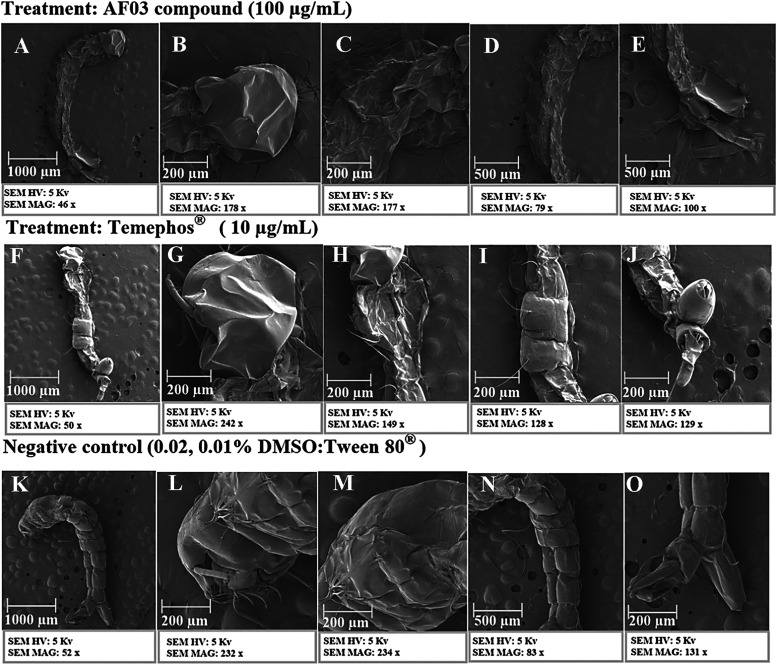 2
2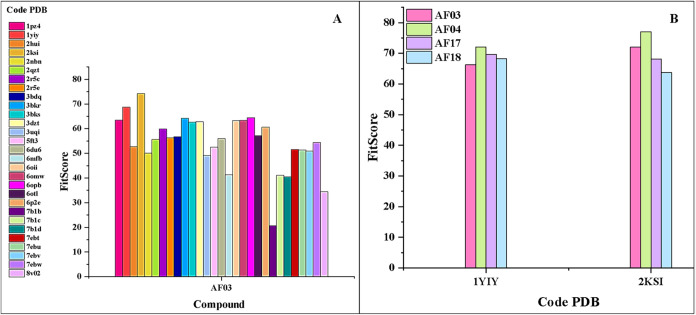 3
3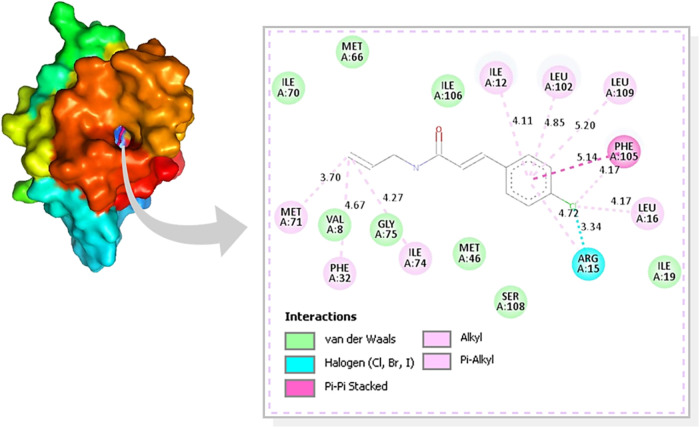 4
4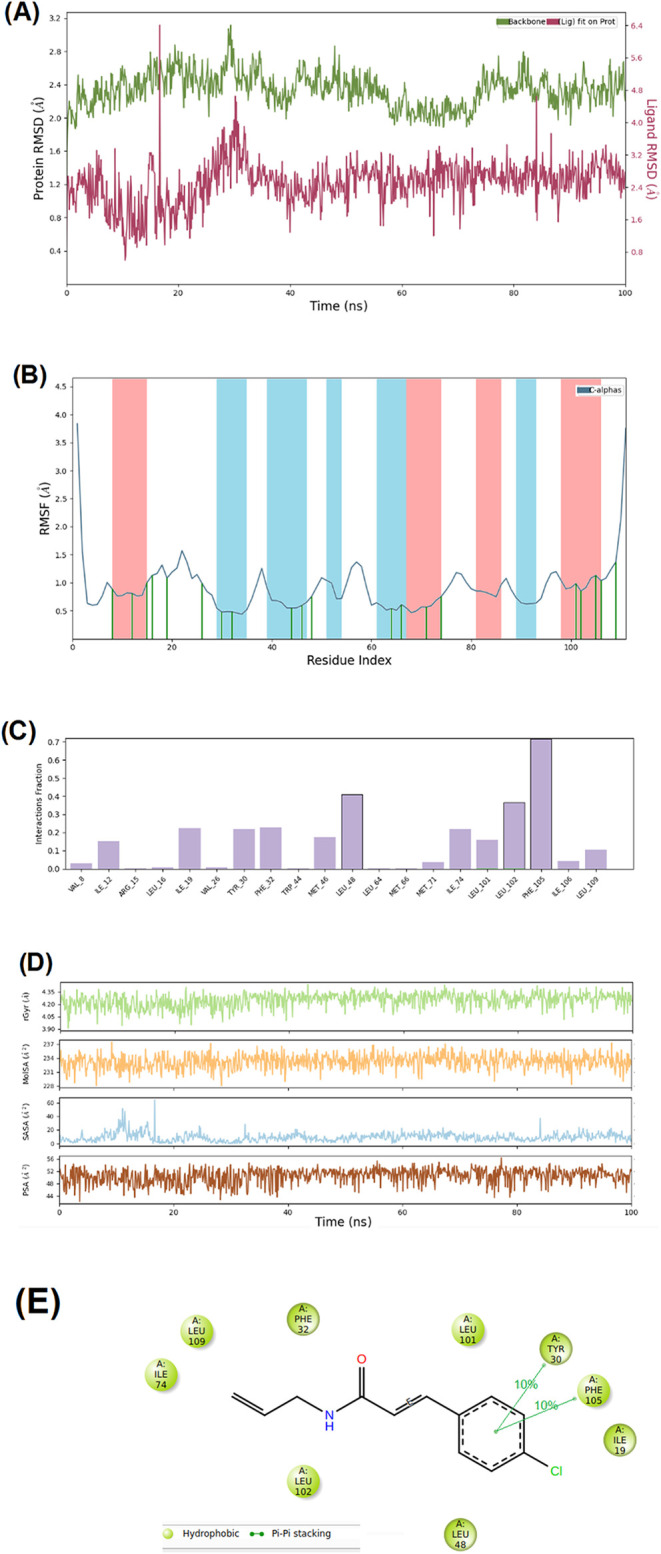 5
5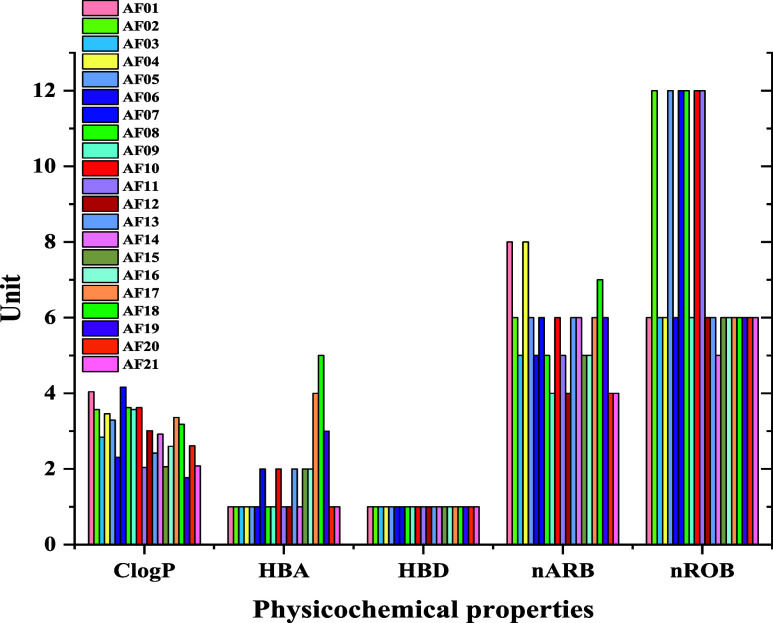 6
6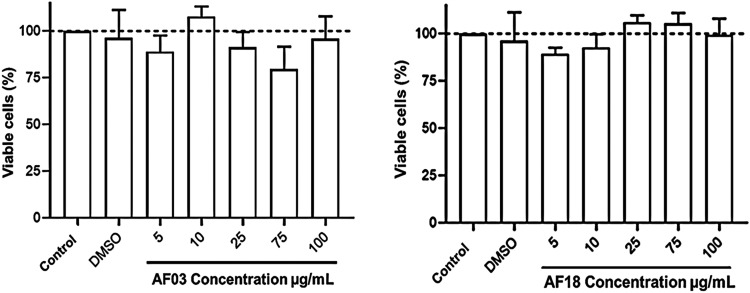 7
7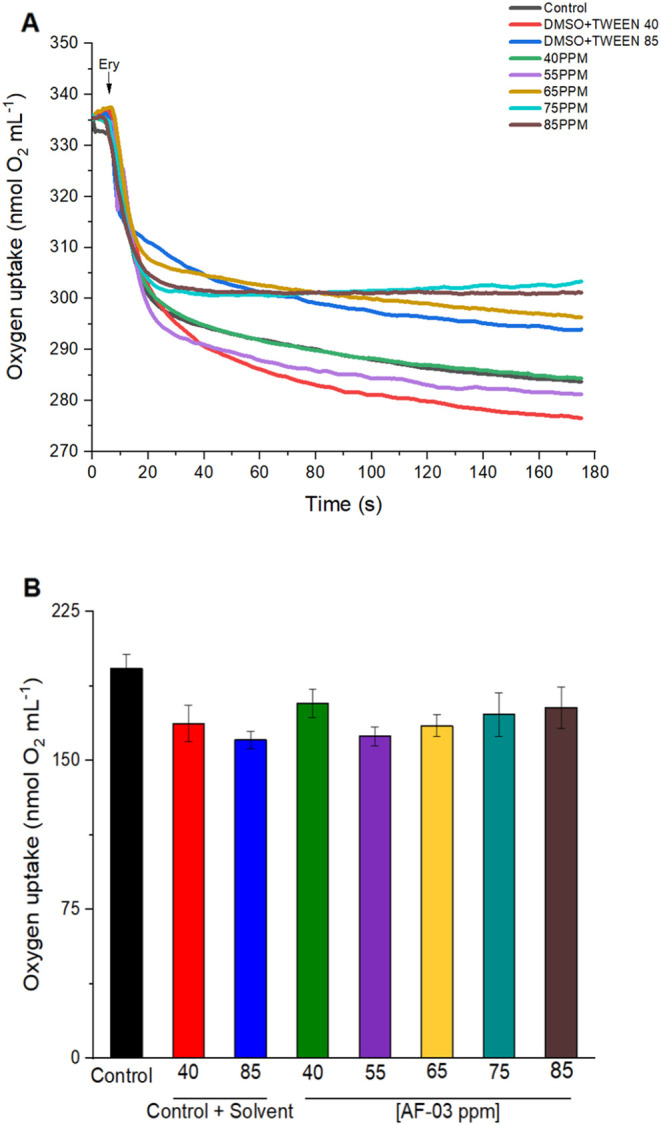 8
8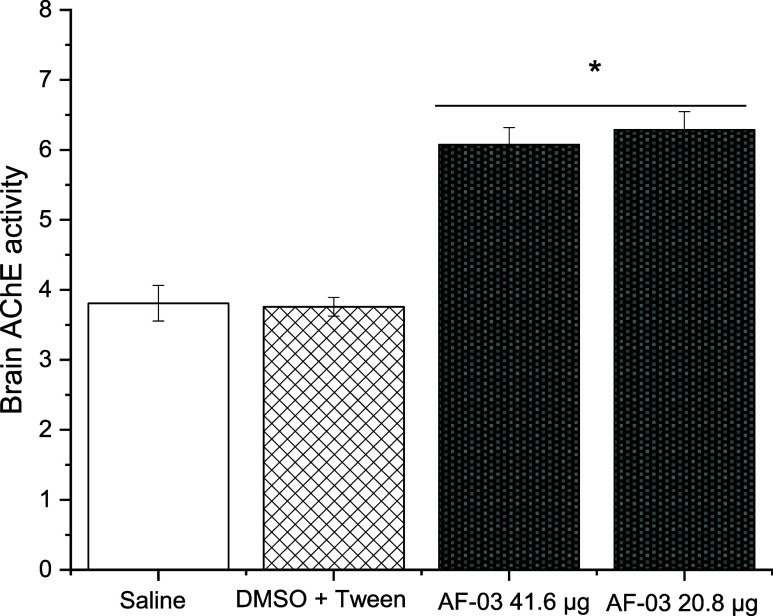 9
9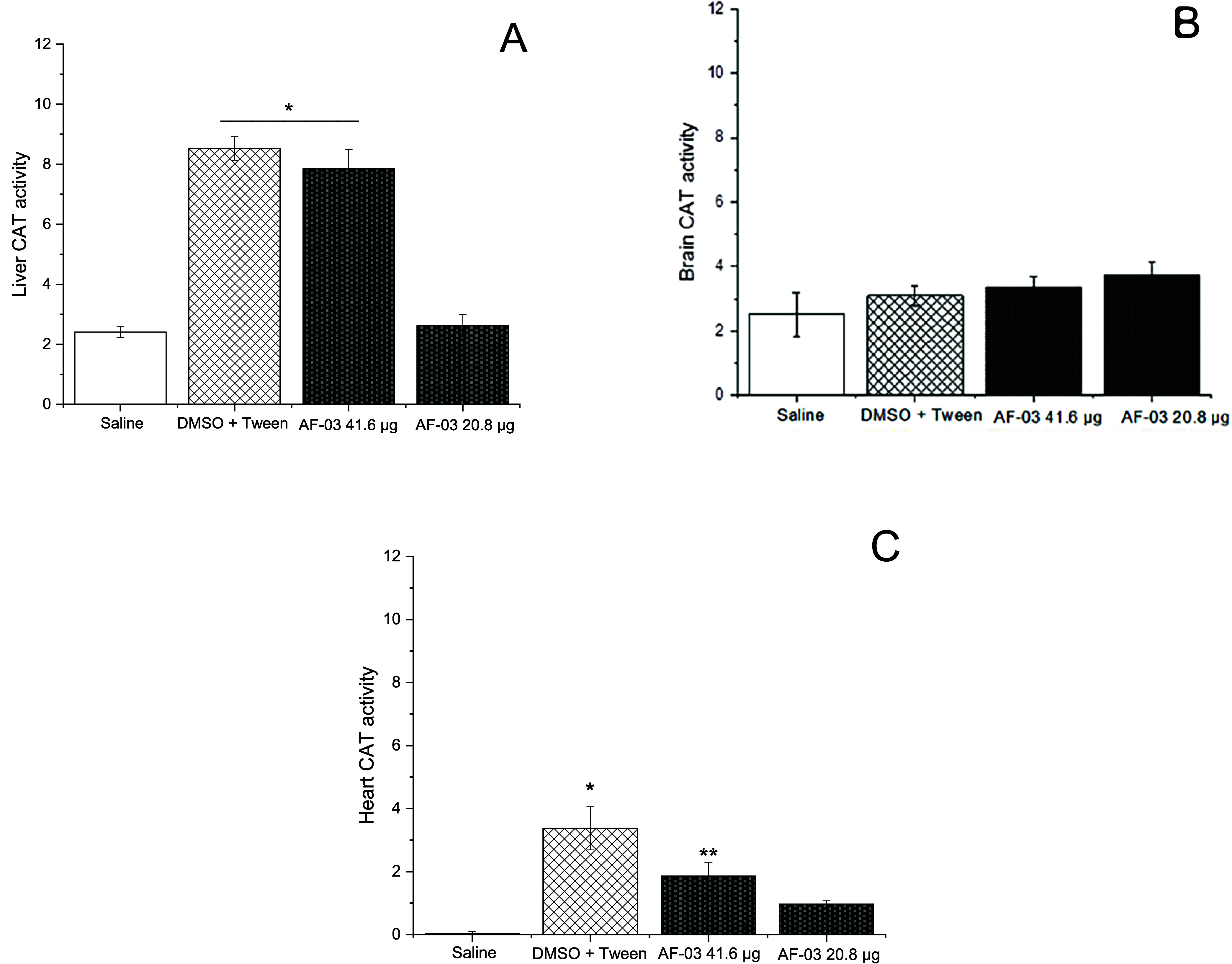 10
10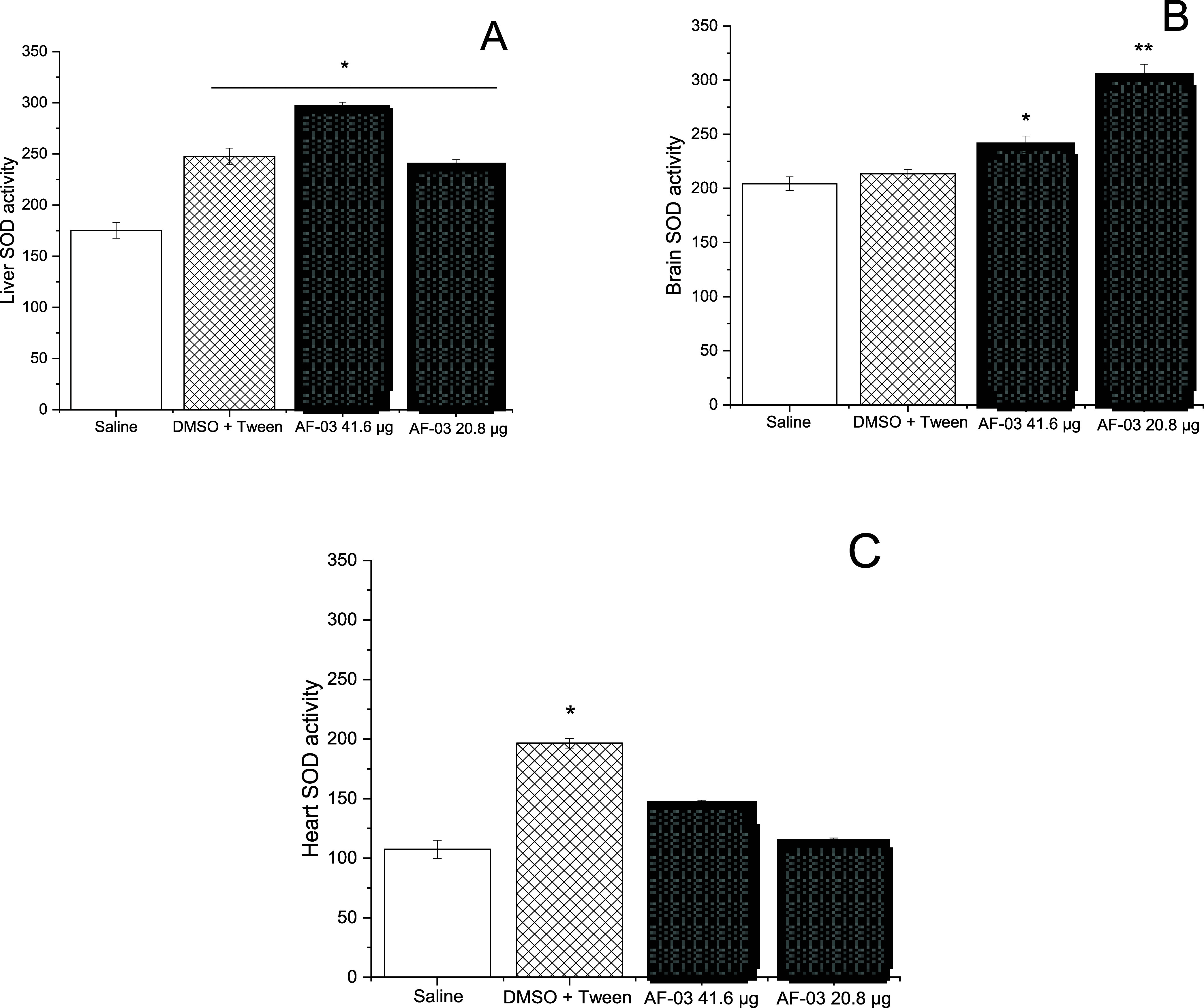 11
11- —Funda??o de Amparo ? I z Pesquisa do Estado de Alagoas10.13039/501100003401
- —Funda??o de Amparo ? I z Pesquisa do Estado de Alagoas10.13039/501100003401
Peer Reviews
No public reviews on file for this paper yet. If you reviewed it on a platform where reviews are public (OpenReview, ICLR, NeurIPS, ICML), you can paste yours below so the community can read it here.
Videos
No videos yet. Explain this paper in a talk, walkthrough, or lecture? Add one.
Taxonomy
TopicsInsect Pest Control Strategies · Organic Chemistry Synthesis Methods · Chemical synthesis and pharmacological studies
Introduction
1
Diseases caused by arboviruses represent a major global public health challenge with a wide geographical distribution, particularly in tropical regions. This is largely due to highly efficient vectors such as the Aedes aegypti mosquito, which is responsible for the transmission of emerging and re-emerging arboviruses, including Zika (ZIKV), Chikungunya (CHIKV), and Dengue (DENV). ?−? ? Between January and July 2025, more than 4 million cases and over 3.000 deaths were reported to the World Health Organization (WHO) across 97 countries.? Most of these cases occurred in regions monitored by the WHO and the Pan American Health Organization (PAHO), which documented over 11 million notifications in 2024 alone. Within PAHO, the cumulative number of deaths from Dengue has surpassed 6.000, corresponding to a case fatality rate (CFR) of 0.057%.? The economic burden of Dengue management is considerable, driving a continuous increase in healthcare expenditures due to the rising incidence of the disease.?
Although a vaccine has already been developed for the Dengue virus (Qdenga, CYD-TDV: Dengvaxia), its use remains restricted.? Furthermore, no widely available and approved vaccines exist for ZIKV and CHIKV.? Thus, vector control remains the primary method of preventing these diseases.? Other strategies include habitat management and biological and chemical control. With a focus on chemical control, the main larvicides used belong to the organochlorine and pyrethroid groups, which act on ion channels.? In addition, carbamates and organophosphates are widely used, acting as acetylcholinesterase inhibitors.?
Temephos, an organophosphate larvicide, was widely used to control A. aegypti and, for many years, was the only larvicide approved by the WHO for use in potable water.? However, since the late 1990s, several studies have indicated an increase in the resistance of this vector to temephos, compromising the effectiveness of this larvicide. ?,?−? ? ? In addition, studies have shown the toxicity and potential carcinogenic effects of substances on nontarget organisms, including humans and aquatic fauna.? Nowadays, the larvicides available are based on microbial agents such as spinosad, insect growth regulators (IGRs) such as pyriproxyfen, and other botanical origins.? Regarding pyriproxyfen, studies have already reported its toxicity to nontarget species.? This underscores the necessity of continuously developing new substances to control this vector. Addressing this challenge requires the development of effective, safe, and environmentally sustainable larvicides.
In this context, cinnamic acids and their derivatives, both natural and synthetic, have been widely studied for their larvicidal action against the larvae of the A. aegypti vector. Among these compounds, acid, ester, and aldehyde derivatives stand out, as they have documented larvicidal activity. ?−? ? ? ? ? ? ? However, the literature does not report on the larvicidal action of amides derived from these acids on the vector in question.
Cinnamamides, amides derived from cinnamic acid, have versatile structures that have been investigated in pharmaceuticals, agriculture, and biological products. Several studies have reported their leishmanicidal,? antimicrobial,? antiproliferative, and antimetastatic activity,? as well as their anti-inflammatory,? antitrypanosomal,? antidiabetic,? anticancer,? antituberculosis,? and antimalarial properties.? In addition, various investigations into these derivatives have been reported in the field of pesticides, such as their herbicidal,? fungicidal, ?,? nematicidal, ?,? insecticidal,? and larvicidal activity against the larvae of the Aedes albopictus vector.? Investigating cinnamamides as potential larvicides addresses a critical need for effective and environmentally safe strategies to control arbovirus transmission.
Previous studies by this group have demonstrated the excellent activity of cinnamic esters, with ethyl p-chlorocinnamate standing out, exhibiting an LC_50_ of 8.3 μg/mL.? Structure–activity relationship analyses indicate that the presence of a chlorine atom confers higher larvicidal activity compared to other substituents (F < Br < Cl), possibly due to polarity and interactions with the molecular target. Considering these results, along with the report by Han et al.? of a cinnamamide with an LC_50_ of 0.45 ppm against A. albopictus, and the investigation by Oliveira et al.? on tryptamine-derived amides against A. aegypti, it was observed that an increase in the number of aliphatic carbons in the amide side chain enhances larvicidal potency, possibly related to hydrophobicity. Chlorinated derivatives showed up to ten times higher activity than nonchlorinated compounds.?
Based on these findings, this study investigated the larvicidal activity of cinnamamides with and without electron-withdrawing groups, containing both aliphatic and aromatic substituents. In this context, considering the low toxicity of substances derived from cinnamic acid and the unprecedented larvicidal action of cinnamamides against the larvae of the A. aegypti vector, this research set out to synthesize, characterize, and evaluate different cinnamic amides in terms of their larvicidal efficacy. Additionally, in silico studies and morphological analyses were performed to investigate the potential mechanism of action. Furthermore, in vitro toxicity assays and tests using the nontarget organism Danio rerio (zebrafish) were conducted to evaluate the toxic effects of the most active compound.
Experimental Section
2
Synthesis and Characterization of Cinnamic
Amides
2.1
Method A
2.1.1
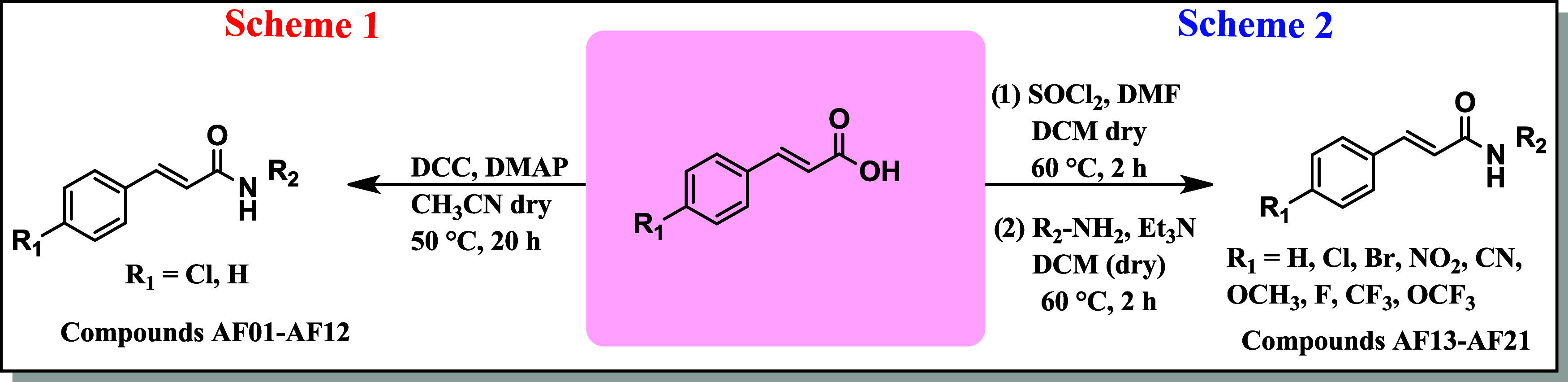
Cinnamamides from AF01 to AF12 were synthesized by the Steglich reaction? using cinnamic acids, primary amines, dicyclohexylcarbodiimide (DCC) as a coupling reagent, dimethylaminopyridine (DMAP) as a catalyst, and acetonitrile under anhydrous conditions and an inert atmosphere. The compounds were characterized by hydrogen nuclear magnetic resonance (^1^H NMR) and carbon nuclear magnetic resonance (^13^C NMR) using the DEPTQ technique, using Bruker equipment with frequencies of 600, 400, 150, and 100 MHz. The deuterated solvents used to prepare the samples were obtained commercially from Cambridge Isotope Laboratories and contained tetramethylsilane (TMS) as an internal standard. TopSpin 4.0.8 software (BRUKER) was used to analyze the ^1^H and ^13^C spectra. The multiplicities of the hydrogen nuclei energy absorption signals in the ^1^H NMR spectra are indicated according to the following convention: s (singlet), d (doublet), t (triplet), and m (multiplet). The chemical shifts were expressed in parts per million (scale δ) and the coupling constants in Hertz (Hz). All of the compounds’ infrared (IR) spectra, obtained using the Fourier Transform Infrared (FT-IR) spectroscopy technique, were obtained on a Shimadzu IRPrestige apparatus. Finally, the mass spectrometry analysis for the unpublished compounds was carried out on a Bruker model HCT Ultra ion trap mass spectrometer coupled to HPLC (mass range: 50–6000 m/z) (See the Supporting Information).
(E)-3-(4-Chlorophenyl)-N-hexylacrylamide (AF01)
2.1.1.1
White solid, purity: 100%; yield: 54%; mp: 113–114 °C. ^1^H NMR (600 MHz, CDCl_3_, δ (ppm)): 7.56 (d, J = 16.0 Hz, 1H); 7.40 (d, J = 8.4 Hz, 2H); 7.30 (d, J = 8.4 Hz, 2H); 6.35 (d, J = 16.0 Hz, 1H); 3.37 (q, J = 6.8 Hz, 2H); 1.56 (q, J = 7.2 Hz, 2H); 1.3 (m, 6H); 0.85 (t, J = 6.8 Hz, 3H); 5.69 (s, 1H); ^13^C NMR (150 MHz, CDCl_3_, δ (ppm)): 165.50 (CO); 135.42 (C–Cl); 133.46 (C); 139.47 (CH); 129.04 (CH); 121.43 (CH); 39.86 (CH_2_); 31.47 (CH_2_); 29.63 (CH_2_); 26.61 (CH_2_); 22.52 (CH_2_); 13.95 (CH_3_); FT-IR (cm^–1^): 3296 (vs N–H); 2927 (vs C–H and vas C–H); 2854 (vs CH_2_/CH_3_ and vas CH_2_/CH_3_); 1537–1614 (v CC aromatic ring); 1320–1279 (vs C–O); 1708 (CO); 1651 (trans double bond); 727 (long chain band); 821 (p-disubstituted ring).?
(E)-3-(4-Chlorophenyl)-N-phenethylacrylamide (AF02)
2.1.1.2
White solid, purity: 100%; yield: 47%; mp: 147–148 °C. ^1^H NMR (600 MHz, CDCl_3_, δ (ppm)): 7.58 (d, J = 16.0 Hz, 1H); 7.40 (d, J = 8.2 Hz, 2H); 7.32 (t, J = 7.1 Hz, 4H); 7.25 (q, J = 6.9 Hz, 3H); 6.28 (d, J = 16.0 Hz, 1H); 5.67 (s, 1H); 3.67 (q, J = 6.6 Hz, 2H); 2.89 (t, J = 6.8 Hz, 2H); ^13^C NMR (150 MHz, CDCl_3_, δ (ppm)): 165.52 (CO); 138.81 (C–Cl); 135.51 (C); 133.36 (C); 139.71 (CH); 128.71 (CH); 126.70 (CH); 121.20 (CH); 40.80 (CH_2_); 35.64 (CH_2_); FT-IR (cm^–1^): 3308 (vs N–H); 2930 (vs C–H and vas C–H); 2848 (vs CH_2_/CH_3_ and vas CH_2_/CH_3_); 1486–1615 (CC of aromatic ring); 1326–1214 (vs C–O); 1651 (CO); 972 (trans double bond); 820 (ring p-substituted).?
(E)-N-Allyl-3-(4-chlorophenyl)acrylamide (AF03)
2.1.1.3
White solid, purity: 98%; yield: 51%; mp: 117–119 °C. ^1^H NMR (600 MHz, CDCl_3_, δ (ppm)): 7.63 (d, J = 16.0 Hz, 1H); 7.45 (d, J = 8.4 Hz, 2H); 7.36 (d, J = 8.4 Hz, 2H); 6.38 (d, J = 16.0 Hz, 1H); 5.90 (m, 1H); 5.73 (s, 1H); 5.24 (dd, J = 1.2 and 1.1 Hz, 1H); 5.18 (dd, J = 0.9 and 0.9 Hz, 1H); 4.04 (t, J = 5.7 Hz, 2H); ^13^C NMR (150 MHz, CDCl_3_, δ (ppm)): 165.35 (CO); 135.57 (C–Cl); 133.33 (C); 116.73 (CH_2_); 139.97 (CH); 134.02 (CH); 129.09 (CH); 128.94 (CH); 121.01 (CH); 42.19 (CH_2_); FT-IR (cm^–1^): 3257 (vs N–H); 2924 (vs C–H and vas C–H); 2842 (vs CH_2_ and vas CH_2_); 1657 (CO); 1615–1491 (CC aromatic ring); 1084 (vs C–O); 972 (trans double bond); 813 (p-displaced ring); HRMS (ESI) calcd for C_12_H_12_ClNO [M + H]^+^, 221.06812, found, 222.06812.
N-Hexylcinnamamide (AF04)
2.1.1.4
Colorless oil, purity: 100%; yield: 72%. ^1^H NMR (600 MHz, CDCl_3_, δ (ppm)): 7.63 (d, J = 16.0 Hz, 1H); 7.49 (d, J = 7.0 Hz, 2H); 6.38 (d, J = 16.0 Hz, 1H); 7.35 (d, J = 7.0 Hz, 3H); 5.78 (s, 1H); 3.36 (q, J = 6.4 Hz, 2H); 1.57 (q, J = 7.6 Hz, 2H); 1.35 (m, 6H); 0.88 (t, J = 6.4 Hz, 3H); ^13^C NMR (150 MHz, CDCl_3_, δ (ppm)): 165.88 (CO); 134.95 (C); 140.83 (CH); 128.78 (CH); 127.74 (CH); 120.85 (CH); 39.84 (CH_2_); 31.50 (CH_2_); 29.65 (CH_2_); 22.54 (CH_2_); 13.98 (CH_3_); FT-IR (cm^–1^): 3290 (vs N–H); 2994 (vs C–H and vas C–H); 2850 (vs CH_2_/CH_3_ and Vas CH_2_/CH_3_); 1450–1615 (CC of aromatic ring); 1332–1219 (vs C–O); 1651 (CO); 974 (trans double bond); 720 (long chain band); 690 (singly substituted ring).?
N-Phenethylcinnamamide
(AF05)
2.1.1.5
White solid, purity: 100%; yield: 64%; mp 121–122 °C. ^1^H NMR (600 MHz, CDCl_3_, δ (ppm)): 7.58 (d, J = 16.0 Hz, 1H); 7.46 (d, J = 5.4 Hz, 2H); 7.33 (q, J = 6.4 Hz, 5H); 7.23 (q, J = 7.1 Hz, 1H); 6.29 (d, J = 16.0 Hz, 1H); 5.67 (s, 1H); 3.63 (q, J = 6.6 Hz, 2H); 2.86 (t, J = 6.9 Hz, 2H); ^13^C NMR (150 MHz, CDCl_3_, δ (ppm)): 165.85 (CO); 138.89 (C); 134.88 (C); 141.03 (CH); 129.63 (CH); 128.79 (CH); 128.69 (CH); 127.76 (CH); 126.56 (CH); 120.69 (CH); 40.79 (CH_2_); 35.69 (CH_2_); FT-IR (cm^–1^): 3296 (vs N–H); 2924 (vs C–H and vas C–H); 2854 (vs CH_2_–/CH_3_ and vas CH_2_/CH_3_); 1444–1610 (CC aromatic ring); 1214–1196 (vs C–O); 1651 (CO); 967 (trans double bond); 690 (singly substituted ring).?
N-Allylcinnamamide (AF06)
2.1.1.6
White solid, purity: 98%; yield: 51%; mp 88–89 °C. ^1^H NMR (600 MHz, CDCl_3_, δ (ppm)): 7.64 (d, J = 16.0 Hz, 1H); 7.50 (d, J = 6.2 Hz, 2H); 7.36 (d, J = 6.5 Hz, 3H); 6.41 (d, J = 16.0 Hz, 1H); 5.88 (m, 1H); 5.76 (s, 1H); 5.23 (d, J = 17.1 Hz, 1H); 5.17 (d, J = 10.2 Hz, 1H); 4.03 (t, J = 5.4 Hz, 2H); ^13^C NMR (150 MHz, CDCl_3_, δ (ppm)): 165.70 (CO); 134.81 (C); 116.65 (CH_2_); 141.31 (CH); 134.14 (CH); 129.68 (CH); 128.81 (CH); 127.78 (CH); 120.48 (CH); 42.2 (CH_2_); FT-IR (cm^–1^): 3279 (vs N–H); 3060 (vs C–H and vas C–H); 2913 (vs CH_2_ and vas CH_2_); 1651 (CO); 1444–1621 (CC aromatic ring); 1214 (vs C–O); 972 (trans double bond); 690 (single substitute ring).?
(E)-3-(4-Chlorophenyl)-N-(4-fluorophenethyl)acrylamide (AF07)
2.1.1.7
White solid, purity: 100%; yield: 55%; mp 153–154 °C. ^1^H NMR (600 MHz, CDCl_3_, δ (ppm)): 7.55 (d, J = 16.0 Hz, 1H); 7.40 (d, J = 8.2 Hz, 2H); 7.32 (d, J = 8.2 Hz, 2H); 7.17 (q, J = 5.6 Hz, 2H); 7.00 (t, J = 8.6 Hz, 2H); 6.32 (d, J = 16.0 Hz, 1H); 5.72 (s, 1H); 3.61 (q, J = 6.7 Hz, 2H); 2.85 (t, J = 6.9 Hz, 2H); ^13^C NMR (150 MHz, CDCl_3_, δ (ppm)): 165.56 (CO); 162.54 (C–F); 135.57 (C–Cl); 134.44 (C); 133.29 (C); 139.85 (CH); 130.19 (CH); 129.07 (CH); 128.94 (CH); 121.06 (CH); 115.56 (CH); 115.42 (CH); 40.93 (CH_2_); 34.88 (CH_2_); FT-IR (cm^–1^): 3287 (vs N–H); 2927 (vs C–H and vas C–H); 2854 (vs CH_2_ and vas CH_2_); 1654 (CO); 1614–1500 (CC of aromatic ring); 1320 (vs C–O); 820 (p-disubstituted ring); HRMS (ESI) calcd for C_17_H_15_ClFNO [M + H]^+^, 305.15692, found, 305.15692.
(E)-N-Benzyl-3-(4-chlorophenyl)acrylamide (AF08)
2.1.1.8
White solid, purity: 98% yield: 51%; mp: 145–147 °C. ^1^H NMR (600 MHz, CDCl_3_, δ (ppm)): 7.62 (d, J = 16.0 Hz, 1H); 741 (d, J = 8.4 Hz, 2H); 7.30 (m, 7H); 6.37 (d, J = 16.0 Hz, 1H); 5.95 (s, 1H); 4.58 (d, J = 5.6 Hz, 2H); ^13^C NMR (150 MHz, CDCl_3_, δ (ppm)): 165.41 (CO); 138.09 (C–Cl); 135.60 (C); 133.31 (C); 140.12 (CH); 129.09 (CH); 128.95 (CH); 128.79 (CH); 127.93 (CH); 127.66 (CH); 43.95 (CH_2_); FT-IR (cm^–1^): 3290 (vs N–H); 2919 (vs C–H and vas C–H); 2842 (vs CH_2_ and vas CH_2_); 1657 (CO); 1486–1615 (CC of aromatic ring); 1220 (vs C–O); 967 (trans double bond); 695 (monosubstituted ring); 813 (p-substituted ring).?
(E)-3-(4-Chlorophenyl)-N-cyclohexylacrylamide (AF09)
2.1.1.9
White solid, purity: 100%; yield: 53%; mp 199–200 °C. ^1^H NMR (600 MHz, CDCl_3_, δ (ppm)): 7.52 (d, J = 16.0 Hz, 1H); 7.39 (d, J = 6.2 Hz, 2H); 7.30 (d, J = 6.5 Hz, 2H); 6.30 (d, J = 16.0 Hz, 1H); 5.51 (s, 1H); 3.88 (t, J = 5.4 Hz, 2H); 1.96 (d, J = 10.2 Hz, 1H); 1.72 (m, 4H); 1.37 (m, 2H); 1.16 (m, 2H) ^13^C NMR (150 MHz, CDCl_3_, δ (ppm)): 164.55 (CO); 135.37 (C–Cl); 133.51 (C); 139.35 (CH); 129.04 (CH); 128.87 (CH); 121.75 (CH); 48.44 (CH); 33.22 (CH_2_); 25.55 (CH_2_); 24.83 (CH_2_); FT-IR (cm^–1^): 3279 (vs N–H); 3060 (vs C–H and vas C–H); 2913 (vs CH_2_ and vas CH_2_); 1651 (CO); 1444–1621 (CC aromatic ring); 1214 (vs C–O); 972 (double trans); 690 (single substitute ring).?
N-(4-Fluorophenethyl)cinnamamide
(AF10)
2.1.1.10
White solid, purity: 99%; yield: 55%; mp 144–145 °C. ^1^H NMR (600 MHz, CDCl_3_, δ (ppm)): 7.44 (d, J = 16.0 Hz, 1H); 7.32 (d, J = 7.5 Hz, 2H); 7.15 (d, J = 5.9 Hz, 3H); 7.13 (q, J = 5.6 Hz, 2H); 6.97 (t, J = 8.6 Hz, 2H); 6.28 (d, J = 16.0 Hz, 1H); 5.62 (s, 1H); 3.58 (q, J = 6.6 Hz, 2H); 2.82 (t, J = 6.9 Hz, 2H); ^13^C NMR (150 MHz, CDCl_3_, δ (ppm)): 165.85 (CO); 162.54 (C–F); 134.81 (C); 134.50 (C); 141.19 (CH); 130.20 (CH); 129.69 (CH); 128.80 (CH); 127.77 (CH); 120.52 (CH); 115.54 (CH); 115.40 (CH); 40.90 (CH_2_); 34.92 (CH_2_); FT-IR (cm^–1^): 3326 (vs N–H); 2924 (vs C–H and vas C–H); 2854 (vs CH_2_ and vas CH_2_); 1657 (CO); 1615–1503 (CC aromatic ring); 1220 (vs C–O); 967 (trans double bond); 825 (p-disubstituted ring). HRMS-ESI calcd for C_17_H_16_FNO [M + H]^+^, 270.12897, found, 270.12897.
N-Benzylcinnamamide
(AF11)
2.1.1.11
White solid, purity: 98%; yield: 55%; mp 100–101 °C. ^1^H NMR (600 MHz, CDCl_3_, δ (ppm)): 7.50 (d, J = 16.0 Hz, 1H); 7.48 (m, 2H); 7.40 (m, 8H); 6.40 (d, J = 16.0 Hz, 1H); 5.97 (s, 1H); 4.57 (d, J = 5.6 Hz, 2H); ^13^C NMR (150 MHz, CDCl_3_, δ (ppm)): 165.73 (CO); 138.21 (C); 134.82 (C); 141.45 (CH); 129.72 (CH); 128.82 (CH); 128.77 (CH); 127.94 (CH); 127.80 (CH); 127.61 (CH); 120.45 (CH); 43.91 (CH_2_). FT-IR (cm^–1^): 3326 (vs N–H); 2924 (vs C–H and vas C–H); 2854 (vs CH_2_ and vas CH_2_); 1657 (CO); 1550–1615 (CC of aromatic ring); 1220 (vs C–O); 972 (trans double bond); 666 (monosubstituted ring); 825 (p-substituted ring).?
N-Cyclohexylcinnamamide
(AF12)
2.1.1.12
White solid, purity: 100%; yield: 51%; mp 178–179 °C. ^1^H NMR (600 MHz, CDCl_3_, δ (ppm)): 7.63 (d, J = 16.0 Hz, 1H); 7.49 (d, J = 6.5 Hz, 2H); 7.34 (m, 2H); 6.37 (d, J = 16.0 Hz, 1H); 5.60 (s, 1H); 3.91 (m, 1H); 1.99 (d, J = 9.8 Hz, 2H); 1.72 (m, 2H); 1.63 (d, J = 13.1, 1H); 1.37 (m, 2H); 1.18 (t, J = 5.6, 3H); ^13^C NMR (150 MHz, CDCl_3_, δ (ppm)): 164.91 (CO); 135.01 (C); 140.69 (CH); 129.50 (CH); 128.76 (CH); 127.71 (CH); 121.20 (CH); 127.71 (CH); 121.20 (CH); 48.40 (CH); 33.25 (CH_2_); 25.57 (CH_2_); 24.85 (CH_2_); FT-IR (cm^–1^): 3266 (vs N–H); 2913 (vs C–H and vas C–H); 2848 (vs CH_2_ and Vas CH_2_); 1651 (CO); 1545–1615 (CC of aromatic ring); 1220 (vs C–O); 978 (trans double bond); 677 (singly substituted ring).?
Method B
2.1.2
Cinnamamides from AF13 to AF21 were obtained by converting cinnamic acids to acyl chlorides for subsequent amidation reactions. This method used thionyl chloride, anhydrous dichloromethane, anhydrous dimethylformamide, and primary amines.?
(E)-N-Allyl-3-(4-methoxyphenyl)acrylamide (AF13)
2.1.2.1
White solid, purity: 97%; yield: 75%; mp 117–118 °C. ^1^H NMR (600 MHz, CDCl_3_, δ (ppm)): δ 3.85 (s, 3H); 4.03 (dd, J = 7.0 Hz, 2H); 5.17–5.27 (2H, 5.17 (dd, J = 16.0, 1.3 Hz); 5.27 (dd, J = 10.0, 1.3 Hz)); 5.89 (1H, ddt, J = 16.0 Hz, 10.0, 5.5 Hz, 1H); 6.28 (d, J = 15.5 Hz, 1H); 6.90 (d, J = 8.8 Hz, 2H); 7.46 (d, J = 8.8 Hz, 2H); 7.61 (d, J = 15.5 Hz); ^13^C NMR (150 MHz, CDCl_3_, δ (ppm)): 166.01 (C); 160.95 (C) 140.90 (CH); 134.29 (CH); 129.52 (CH); 129.32 (CH); 127.56 (C); 118.09 (CH); 116.52 (C); 114.28 (CH); 55.34 (CH_3_); 42.13 (CH_2_); FT-IR (cm^–1^): 3221 (vs N–H); 2346 (vs C–H and vas C–H); 1651 (v CO); 1597–1497 (CC aromatic ring); 1244 (vs C–O); 990 (trans double bond); 813 (p-displaced ring). HRMS (ESI) calcd for C_13_H_15_NO_2_ [M + H]^+^, 218.11758, found, 218.11758.
(E)-N-Allyl-3-(4-bromophenyl)acrylamide (AF14)
2.1.2.2
White solid, purity: 100%; yield: 95%; mp 150–151 °C. ^1^H NMR (600 MHz, CDCl_3_, δ (ppm)): δ 4.0 (dd, J = 7.0 Hz, 2H); 5.16–5.27 (2H, 5.16 (dd, J = 16.0, 1.3 Hz); 5.27 (dd, J = 10.0, 1.3 Hz)); 5.67 (s, 1H); 5.85 (1H, ddt, J = 16.0 Hz, 10.0, 5.5 Hz, 1H); 5.90 (d, J = 15.5 Hz); 7.36 (d, J = 8.8 Hz, 2H); 7.50 (d, J = 8.8 Hz, 2H); 7.63 (d, J = 15.5 Hz); ^13^C NMR (150 MHz, CDCl_3_, δ (ppm)): 165.38 (C); 133.73 (C); 140.05 (CH); 133.98 (CH); 132.05 (CH); 129.20 (CH); 123.85 (CH); 121.09 (CH); 116.75 (CH_2_) 42.20 (CH_2_); FT-IR (cm^–1^): 3272 (vs N–H); 1645 (v CO); 1615–1527 (CC aromatic ring); 1214 (vs C–O); 972 (trans double bond); 813 (p-displaced ring). HRMS (ESI) calcd for C_12_H_12_BrNO [M + H]^+^, 266.01740, found, 266.01740.
(E)-N-Allyl-3-(4-cyanophenyl)acrylamide (AF15)
2.1.2.3
White solid, purity: 100%; yield: 98%; mp: 159–164 °C. ^1^H NMR (600 MHz, CDCl_3_, δ (ppm)): δ 4.04 (tt, J = 1.5, 3.0 e 7.8 Hz, 2H); 5.19–5.29 (2H, 5.19 (dd, J = 10.0, 1.5 Hz, 1H); 5.29 (dd, J = 16.0, 1.5 Hz, 1H)); 5.76 (s, 1H); 5.87 (ddt, 5.7, 10, 16 Hz, 1H); 6.50 (d, J = 15.5 Hz, 1H); 7.57 (d, J = 7.5 Hz, 2H); 7.63 (d, J = 7.5 Hz, 2H); 7.67 (d, J = 15.5 Hz); ^13^C NMR (150 MHz, CDCl_3_, δ (ppm)): 165.05 (C); 139.66 (CH); 138.21 (C); 133.85 (CH); 131.12 (CH); 127.91 (CH); 125.23 (CH); 122.89 (CH); 116.87 (CH_2_); 42.25 (CH_2_); HRMS (ESI) calcd for C_13_H_12_N_2_O_1_ [M + H]^+^, 213.1019, found, 213.1019.
(E)-N-Allyl-3-(4-fluorophenyl)acrylamide (AF16)
2.1.2.4
White solid, purity: 100%; yield: 98%; mp: 159–164 °C. ^1^H NMR (600 MHz, CDCl_3_, δ (ppm)): δ 4.01 (tt, J = 1.5, 4.3 e 6.2 Hz, 2H); 5.15–5.27 (5.15 (dd, J = 10.0, 1.5 Hz, 1H); 5.27 (dd, J = 16.0, 1.5 Hz, 1H)); 5.82 (s, 1H); 5.85 (ddt, 5.7, 10, 16 Hz, 1H); 6.33 (d, J = 15.5 Hz, 1H); 7.03 (dd, J = 2.0, 8.6 Hz, 2H); 7.05 (dd, J = 2.0, 8.6 Hz, 2H); 7.46 (d, J = 15.5 Hz); ^13^C NMR (150 MHz, CDCl_3_, δ (ppm)): δ 42.81 (1 CH_2_); 115.82 (2 CH); 116.04 (1 CH_2_); 120.16 (1 CH); 129.54 (2 CH); 134.06 (1 CH); 140.08 (1 CH); 162.31 (C); 164.79 (C–F); 165.69 (CO); FT-IR (cm^–1^): 3234 (vs N–H); 1662 (v CO); 1607–1504 (CC aromatic ring); 1205 (vs C–O); 968–919 (trans double bond); 827 (p-displaced ring). HRMS (ESI) calcd for C_12_H_12_FNO [M + H]^+^, 206.0976, found, 206.0976.
(E)-N-Allyl-3-(4-(trifluoromethyl)phenyl)acrylamide (AF17)
2.1.2.5
White solid, purity: 98%; yield: 95%; mp 143–144 °C. ^1^H NMR: δ 4.0 (tt, J = 1.5, 2.3 e 7.2 Hz, 2H); 5.19–5.30 (5.19 (dd, J = 1.3, 10.0 Hz, 1H); 5.30 (dd, J = 17.0, 1.3 Hz, 1H); 5.71 (s, 1H); 5.87 (ddt, J = 5.7, 10.0, 17.0 Hz, 2H)); 6.48 (d, J = 15.6 Hz, 1H); 7.60 (d, J = 7.5 Hz, 2H); 7.66 (d, J = 7.5 Hz, 2H); 7.71 (d, J = 15.6 Hz); ^13^C NMR (150 MHz, CDCl_3_, δ (ppm)): δ 42.28 (1 CH_2_); 112.85 (1 CH_2_); 116.93 (1 C); 118.45 (1 C); 123.92 (1 CH); 128.17 (2 CH); 132.60 (2 CH); 139.16 (1 CH); 139.21 (1 C) 164.75 (1 C). FT-IR (cm^–1^): 3266 (vs N–H); 1657 (v CO); 1615–1550 (CC aromatic ring); 1061 (vs C–O); 972–913 (trans double bond); 825 (p-displaced ring). HRMS (ESI) calcd for C_13_H_12_F_3_NO [M + H]^+^, 256.09430, found, 256.09430.
(E)-N-Allyl-3-(4-(trifluoromethoxy)phenyl)acrylamide (AF18)
2.1.2.6
White solid, purity: 98%; yield: 90%; mp 120–123 °C. ^1^H NMR (600 MHz, CDCl_3_, δ (ppm)): δ 4.03 (tt, J = 1.4, 2.8 e 7.2 Hz, 2H); 5.18 (dd, J = 1.4, 11.0 Hz, 1H); 5.24 (dd, J = 1.4, 17.0 Hz, 1H); 5.84 (s, 1H); 5.88 (ddt, J = 5.7, 11.0, 17.0 Hz, 1H); 6.39 (d, J = 15.6 Hz, 1H); 7.21 (d, J = 8.0 Hz, 2H); 7.52 (d, J = 8.0 Hz); 7.60 (d, J = 15.6 Hz, 1H); ^13^C NMR (150 MHz, CDCl_3_, δ (ppm)): δ 42.22 (1 CH_2_); 116.80 (1 CH_2_); 121.16 (1 CH); 121.29 (1 CH); 129.18 (2 CH); 133.42 (1 C); 133.95 (1 CH); 139.74 (1 CH); 165.31 (1 C); FT-IR (cm^–1^): 3072 (vs N–H); 1657 (v CO); 1610–1503 (CC aromatic ring); 1084 (vs C–O); 967–908 (trans double bond); 825 (p-displaced ring). HRMS (ESI) calcd for C_13_H_12_F_3_NO_2_ [M + H]^+^, 272.08896, found, 272.08896.
(E)-N-Allyl-3-(4-nitrophenyl)acrylamide (AF19)
2.1.2.7
Yellow solid, purity: 100%; yield: 98%; mp 158–160 °C. ^1^H NMR (600 MHz, CDCl_3_, δ (ppm)): δ 4.03 (tt, J = 1.4, 3.0, 5.7 Hz); 5.18 (dd, J = 17.3, 1.3 Hz); 5.28 (dd, J = 10.6, 1.3 Hz); 5.85 (s, 1H); 5.86 (ddt, J = 17.3, 10.6, 5.7 Hz, 1H); 6.53 (d, J = 15.6 Hz); 7.63 (d, J = 8.8 Hz); 7.67 (d, J = 15.6 Hz, 1H); 7.71 (ddd, J = 8.7, 1.9, 0.5 Hz, 2H); 8.22 (d, J = 8.8 Hz, 2H); ^13^C NMR (150 MHz, CDCl_3_, δ (ppm)): δ 42.31 (1 CH_2_); 117.01 (1 CH_2_); 124.15 (2 CH); 124.58 (1 CH); 128.37 (2 CH); 133.70 (1 CH); 138.73 (1 CH); 141.06 (1 C); 148.20 (1 C) 164.57 (1 C); FT-IR (cm^–1^): 3261 (vs N–H); 3072 (vs NO_2_); 1709 (v CO); 1651–1509 (CC aromatic ring); 1326–1208 (vas NO_2_); 1084 (vs C–O); 972 (trans double bond); 831 (p-displaced ring). HRMS (ESI) calcd for C_12_H_12_N_2_O_3_ [M
- H]^+^, 233.09218, found, 233.09218.
(E)-3-(4-Chlorophenyl)-N-ethylacrylamide (AF20)
2.1.2.8
White solid, purity: 100%; yield: 70%; mp 146–147 °C. ^1^H NMR (400 MHz, CDCl_3_, δ (ppm)): 7.55 (d, J = 16.0 Hz, 1H); 7.43 (d, J = 8.4 Hz, 2H); 7.41 (d, J = 8.4, 2H); 6.37 (d, J = 16.0 Hz, 1H); 5.66 (s, 1H); 3.40 (m, 2H); 1.19 (t, J = 7.2, 3H); ^13^C NMR (100 MHz, CDCl_3_, δ (ppm)): 165.46 (CO); 135.43 (C–Cl); 133.39 (C); 129.01 (CH); 128.91 (CH); 121.30 (CH); 34.67 (CH_2_); 14.88 (CH_3_); FT-IR (cm^–1^): 3225 (vs N–H); 3060 (vs C–H and vas C–H); 2871 (vs CH_2_ and vas CH_2_); 1645 (CO); 1556 (trans double bond); 813 (p-substituted ring). HRMS (ESI) calcd for C_11_H_12_ClNO [M + H]^+^, 210.06804, found, 210.06804.
Ethylcinnamamide (AF21)
2.1.2.9
White solid, purity: 100%; yield: 88%; mp 91–92 °C. ^1^H NMR (600 MHz, CDCl_3_, δ (ppm)): 7.49 (d, J = 16.0 Hz); 7.48 (m, 2H); 7.47 (m, 3H); 6.35 (d, J = 16.0 Hz, 1H); 5.68 (s, 1H); 3.39 (m, 2H); 1.18 (t, J = 7.2 Hz, 3H); ^13^C NMR (100 MHz, CDCl_3_, δ (ppm)): 165.80 (CO); 134.89 (C); 140.85 (CH); 129.61 (CH); 120.75 (CH); 128.81 (CH); 127.76 (CH); 14.91 (CH_3_); 34.64 (CH_2_); FT-IR (cm^–1^): 3271 (vs N–H); 2978 (vs C–H and vas C–H); 2908 (vs CH_2_ and vas CH_2_); 2854 (CO); 1220 (vs C–O); 972 (trans double); 716 (singly substituted ring).?
Biological Tests
2.2
Maintenance of A. aegypti
2.2.1
The A. aegypti strain used in this study comes from the Laboratory of Organic Chemistry Applied to Materials and Bioactive Compounds of the Institute of Chemistry and Biotechnology of the Federal University of Alagoas, Maceio, Brazil. Eggs of A. aegypti were hatched in tap water under static conditions, containing cat food at a temperature and humidity equivalent to 28 ± 2 °C and 80 ± 4%, respectively, at a 12 h photoperiod. Fourth-instar larvae were collected after three days of hatching according to the protocol described by the World Health Organization (WHO),? with some adaptations. ?,?
Larvicidal Activity
2.2.2
The stock solution (100 μg/mL) was prepared by dissolving 0.01 g of cinnamamide (AF01–AF21) in 0.02% DMSO (v/v) and 0.01% Tween 80, followed by the addition of distilled water to a final volume of 100 mL. All tests were performed in triplicate by adding twenty-fourth-instar larvae of the vector into containers containing the cinnamamides solution (20 mL) at concentrations ranging from 5 to 100 μg/mL.?
Larval mortality was recorded at 48 h, when no larval movement was observed.? The controls consisted of temephos as the positive control and distilled water containing 0.02% DMSO (v/v) and 0.01% Tween 80 as the negative control. The larvicidal assay initially consisted of a qualitative analysis considering the mean mortality percentage (%M) to classify the compound’s potential according to the following activity levels: active (M > 75%), moderately active (50% < M ≤ 75%), weakly active (25% < M ≤ 50%), and inactive (M < 25%). When control mortality was below 5%, the mortality percentage was corrected using Abbott’s equation.? Compounds considered promising were subsequently subjected to quantitative analysis, along with assessment of the positive control, by calculating the lethal concentrations required to eliminate 10, 50, and 90% of the organisms (LC_10_, LC_50_, and LC_90_, respectively).?
Application of Scanning Electron Microscopy
(SEM) in Larval Analysis
2.2.3
Fourth-instar larvae, after 24 h of exposure to (E)-N-allyl-3-(4-chlorophenyl)acrylamide (AF03), the positive control (temephos), or the negative control (0.02% v/v Tween 80), were collected and treated for 2 h in a solution of 2.5% (v/v) glutaraldehyde in 0.1 M cacodylate buffer (pH 7.4).? The samples were then dehydrated for 10 min using an ascending ethanol series (15, 30, 60, 90, and 100%). The dehydrated samples were subsequently placed on SEM stubs using graphite double-sided tape, sputter-coated with gold (Quorum Technology, model Q150R ES, East Sussex, UK), and analyzed using a field emission scanning electron microscope (XL30S FEG, Philips Electron Optics B.V., Netherlands) coupled to an EDXS system (energy-dispersive X-ray spectroscopy, Oxford INCA x-act, Oxford Instruments). ?,?
Assessment of Cell Viability Using the MTT
Assay
2.2.4
The effect of the samples on the viability of A549 cells was assessed using the MTT test (3-(4,5-dimethylthiazol-2yl)-2,5-diphenyl tetrazolium bromide). After treating the cells for 24 h with different concentrations of the samples (5, 10, 25, 50, 75, and 100 μg/mL), MTT was added to the culture medium at a final concentration of 5 mg/mL. The culture was kept at 37 °C for 3 h in a humidified CO_2_ incubator. After this time, DMSO was added, and the optical density (OD) was measured by a spectrophotometer at 570 nm, using DMSO as a blank. Cell viability was expressed as a percentage of untreated cells (control, 100%).?
Chicken Erythrocytes Function Evaluation
2.2.5
The protocol described by Sales et al. (2022),? was followed, in which oxygen consumption by erythrocytes (Ery) was measured using an OXIGY oxygraph electrode (Hansatech Instruments) in a 1.0 mL glass chamber equipped with a magnetic stirrer. The initial oxygen concentration in the reaction medium at 28 °C was 225 nmol O_2_ mL^–1^. The only difference was that Ery used in this protocol were from chickens,? and whole blood was collected in heparinized tubes. Ery samples were subjected to total protein quantification using the Bradford method,? and we used 325 μg/mL. The experiments were performed in phosphate buffer (0.1 M) at pH 7.4, in which the Ery samples were incubated for 3 min in the presence of different concentrations of the compound AF03, in addition to controls corresponding to the solvents used in the solubilization of this compound (DMSO and Tween).
Ecotoxicity Assessment of Cinnamamide AF03
Using Zebrafish
2.2.6
Animal Care
2.2.6.1
Adult wild-type zebrafish were kept in the Laboratory of Mitochondrial Metabolism of Zebrafish (Mitofish), University of Pernambuco (UPE), in the city of Garanhuns. The zebrafish were maintained in a recirculating system at 24 ± 1 °C, and physicochemical parameters were monitored daily. The light/dark cycle was 10 h light/14 h dark, and the zebrafish density in the aquarium was 5 animals/L. The animals were fed once a day with Tropical Poytara and Artemia spp. ad libitum. For compound testing, healthy male zebrafish were included in the experimental design. All experimental procedures were evaluated and approved by the Ethics Committee on the Use of Animals of University of Pernambuco (CEUA–UPE; process number 004/2024).
In Vivo Exposure Using Zebrafish
2.2.6.2
The new larvicide AF03 was administered to adult zebrafish by oral gavage.? The concentrations tested (41.6 and 20.8 μg/mL) were based on the LC_50_ results with A. aegypti. Zebrafish were anesthetized using MS-222 (10 mg/mL) for 2 min, and gavage was carried out daily for 3 days. Saline was used as the negative control, and 0.1% DMSO was included as a positive control. After AF03 administration, the zebrafish were placed in a tank with fresh water for 2 min until recovery from anesthesia. After full recovery, they were transferred to their respective experimental units.?
Tissue Collection and Homogenate Obtention
2.2.6.3
The animals were anesthetized using 20 mg/mL MS-222, followed by manual decapitation according to ethical guidelines. Tissues of zebrafish (liver, brain, and heart) were collected after AF03 exposure and homogenized using a tissue homogenizer (Nova Técnica) in 0.1 M PBS buffer (pH 7.4) containing 137 mM NaCl, 10 mM NaH_2_PO_4_, 1.76 mM KH_2_PO_4_, 1 mM orthovanadate, and 200 μg/mL PMSF, kept on ice. The tissue homogenates were centrifuged at 4 °C and 8000g for 10 min. The supernatant was collected and used for the enzymatic assays. The protein content of zebrafish homogenates was determined using the BCA method.?
Enzymatic Assays
2.2.6.4
The homogenates obtained from liver, brain, and heart were used to estimate the enzymatic activity of acetylcholinesterase [(AChE) EC 3.1.1.7], superoxide dismutase [(SOD) EC 1.15.1.1], and catalase [(CAT) EC 1.11.1.6]. ?−? ? The AChE assay was performed at 405 nm using zebrafish brain homogenate and 0.25 mM DTNB (pH 7.4). AChE activity was monitored for 3 min, and acetylcholine (62 mM) was used as the substrate. Enzymatic activity was determined as the amount of enzyme that hydrolyzes 1 μmol of substrate per minute. The SOD assay was performed using 50 mM glycine buffer (pH 10.0). Activity was monitored for 9 min at 480 nm, and epinephrine diluted in 0.05% acetic acid was used as the SOD substrate. Results represent the SOD capacity to inhibit the autoxidation of 1 μmol of epinephrine. For the CAT assay, 300 mM H_2_O_2_ was employed as the substrate, and the assay was carried out in 50 mM PBS (pH 7.0). The rate of decomposition of H_2_O_2_ over 3 min at 37 °C was used to calculate CAT activity, and absorbance was monitored spectrophotometrically at 240 nm.
Computational Methods
2.3
Molecular Docking
2.3.1
Molecular docking calculations were carried out, in which the designed molecules were initially drawn using Chem3D software, optimized with the Spartan program, and saved in the. mol2 format. The molecular docking studies were performed using the GOLD 3.0 program on a Windows 11 PC. The proteins were pretreated by adding polar hydrogens and removing all water molecules. The catalytic region was then selected within a 6 Å search radius. Afterward, 29 targets were screened against compound AF03 using the scoring function. The binding sites and chemical interactions formed between proteins and ligands were analyzed using BIOVIA Discovery Studio 2019 software, and PyMOL version 2.3.1 was used to create the illustrations. ?,?
Molecular Dynamics Simulations
2.3.2
The sterol carrier protein-2 from A. aegypti (AeSCP-2) (PDB: 2KSI, available at: 10.2210/pdb2KSI/pdb) complexed with AF03, initially obtained through docking simulations, was further investigated using molecular dynamics (MD) simulations over a 100 ns time frame. The MD simulations were conducted on a high-performance Asus desktop computer (Taipei, Taiwan), equipped with a 13th-generation Intel Core i9 processor (5.8 GHz), 128 GB RAM, and an NVIDIA GeForce RTX 3080 GPU with 12 GB GDDR6 memory and 8960 CUDA cores, operating on a Linux platform. The macromolecular complex was prepared for simulations using the Protein Preparation Wizard module available in the Desmond software suite, integrated within the Maestro environment from Schrödinger 2023.4 (https://www.deshawresearch.com/resources.html). Initially, the complex was optimized at a physiological pH of 7.4 by using the PROPKA module. Then, sodium (Na^+^) and chloride (Cl^–^) ions were added to achieve a 0.15 M concentration, approximating physiological conditions, while the TIP3P explicit solvent model was applied to simulate water molecules. The complex was then placed within an orthorhombic simulation box, ensuring an appropriate microenvironment for the system. Energy minimization of the system was carried out using the OPLS_2005 force field to optimize initial atomic positions and reduce the potential energy during a preliminary 10 ns minimization run. Subsequently, a 100 ns MD simulation was performed, maintaining a constant temperature of 300 K using a Nose–Hoover thermostat and a pressure of 1.031 bar with a Martyna–Tobias–Klein barostat. Following the 100 ns MD simulation, a comprehensive clustering analysis was performed to identify the most representative conformations of the complex. Postsimulation analyses included the generation of key trajectory profiles, such as root-mean-square deviation (RMSD), root-mean-square fluctuation (RMSF), and detailed ligand–target interaction diagrams. These analyses provided crucial insights into the dynamic behavior, structural stability, and interaction patterns within the AF03-AeSCP-2 complex. All procedures were performed according to previously published studies from our research group. ?−? ?
Statistical Analysis
2.4
The biological tests (larvicide and cytotoxicity) were carried out in triplicate, and the results were expressed as the mean ± standard deviation of the measurements taken. The data were submitted to analysis of variance (ANOVA) combined with Dunnett’s method for multiple comparisons. ?,? GraphPad Prism software was used for these statistical analyses, while the probit method was employed for quantitative larvicide analysis. The CLAD quantification was then processed using Origin Pro 9 software (Northampton, MA). Linear regression using the least-squares method was applied to obtain parameters such as the slope (α), intercept (b), coefficient of determination (r ^2^), and correlation coefficient (r). For the toxicity and enzymatic tests involving zebrafish, the data were subjected to the Shapiro–Wilk test for normality and Levene’s test for homogeneity of variances. A one-way ANOVA followed by Tukey’s post hoc test was also performed. The level of significance was set at p < 0.05.
Results and Discussion
3
Synthesis
3.1
The synthesis of cinnamamides was carried out using two main approaches: the Steglich reaction (Scheme 1) and the reaction between acyl chlorides and amines (Scheme 2) (Figure). In the Steglich reaction, 12 cinnamamides were synthesized with yields ranging from 40 to 70%. To increase yields and reduce reaction time, the cinnamic acid derivatives were converted into acyl chlorides and then reacted with primary amines, resulting in the synthesis of 9 cinnamamides, all with yields of over 75%. A total of 21 cinnamamides were synthesized, 9 of which were new. All of the compounds were characterized using ^1^H and ^13^C NMR and FT-IR.
Synthesis of cinnamamides.
Screening of Cinnamamides against A. aegypti Larvae
3.2
Once all of the cinnamamides had been obtained, they were submitted to a preliminary larvicidal test. In this context, the results of the larvicidal test (Table) indicated that, among the compounds evaluated, two showed a promising larvicidal action, according to the WHO classification: AF03 and AF04. Of these, cinnamamide AF03, which has a chlorine atom in the para position of the cinnamoyl portion, stood out as the most active of the series tested. At a 95% confidence interval, there was no statistically significant difference from the positive control (temephos). On the other hand, cinnamamide AF04, which has an aliphatic portion in the side chain to the amide group, showed promise in the preliminary larvicidal screening. These two compounds (AF03, AF04) have an alkyl chain with 3 to 6 carbon atoms attached to the amide function of the molecules, respectively. In addition, two other cinnamamides stood out as being partially active: AF05 and AF11, which have aromatic substituents on the side chain to the amide, noting that the increase in aromatic bonds may have caused a reduction in larvicidal efficacy, leading the compounds to be partially active.
1: Screening of Larvicidal Activity against A. aegypti and Synthesis Yield of Cinnamic Amides
In addition, this study compared the compounds ethylcinnamamide (AF21) and (E)-3-(4-chlorophenyl)-N-ethylacrylamide (AF20) (Table) with the esters ethyl cinnamate and ethyl p-chlorocinnamate reported by França et al. (2021),? which showed mortality percentages of 95 and 100%, respectively, both at a concentration of 45 mg/mL. These compounds, which are called bioisosteres, consequently have similar physicochemical properties. Despite this, unlike the esters, compounds AF20 and AF21 were not promising regarding their larvicidal activity. One of the hypotheses in this regard is related to interactions in the biological target. Esters are more reactive compounds and, therefore, favorable to hydrolysis, unlike amides, which are much more stable species and less susceptible to hydrolysis.?
The active and partially active cinnamides were subjected to a quantitative analysis to obtain the lethal concentration for 50, 90, and 10% of a population (LC_50_, LC_90_, and LC_10_), as shown in Table. The LC_50_ of the insecticide temephos was also calcd for comparison purposes. Quantitative analysis showed an increase in the LC_50_ value for temephos when compared to the value reported in the literature (LC_50_ of 3.0 μg/mL), which may be related to the accelerated metabolization of this larvicide by Aedes larvae.? As far as cinnamamides are concerned, temephos has a more significant larvicidal effect when compared to the promising compounds in this study, among which AF03 is the most active of the compounds evaluated, showing the lowest LC_50_ value (Table), followed by cinnamamide AF04, AF05, and AF11, which have aromatic substituents.
2: Quantitative Evaluation of the Larvicidal Activity of Cinnamamides against A. aegypti Larvae in the Fourth Stage, after 48 h
To obtain a compound with a lower LC_50_ value, and based on the structure of compound AF03, seven new cinnamamides (AF13-AF19) were synthesized with different electron donor and electron-withdrawing atoms in the para position of the cinnamoyl portion (OCH_3_, F, CF_3_, OCF_3_, Br, CN, NO_2_) (Table). Only compounds AF17 and AF18 showed larvicidal activity against the vector’s larvae, with LC_50_ values of 45.4 and 73.0 μg/mL, respectively (Table).
Scanning Electron Microscopy
3.3
Morphological analysis of the larva exposed to the 100 μg/mL concentration of compound AF03 reduced the body mass and deformity in the midgut region of the larva. Deformities were also noted in the siphon region, along with slight shrinkage in the anal papillae (Figure). This organ is involved in regulating electrolyte levels? and the ability to absorb sodium, potassium, chloride, and phosphate ions from the environment; this function was reduced or lost in larvae without gills. This indicates that the lack or dysfunction of the anal gills probably led to an interruption in osmotic and ionic regulation. ?,?,? As seen in Figure, the damage caused by the compound occurred mainly in the midgut. This region performs several essential functions, such as digestion, absorption of nutrition, transport of ions, ionic and osmotic regulation, storage of lipids and carbohydrates, control of the pH of the midgut lumen, and secretion of digestive enzymes.?
Application of SEM for morphological analysis of larvae exposed to the treated groups (compound AF03, temephos, and negative control). Legend: (A–E) Larvae treated with AF03; (F–J) larvae exposed to temephos; (K–O) larvae treated with temephos; (B, G, and L) larval head; (C, H, and M) thorax; (D, I, and N) abdomen; (E, J, and O) anal papillae and siphon.
The midgut mainly comprises epithelial cells supported by a basal membrane that lines the body wall. Similar to other insects, the larval stomach functions not only in digestion but also in chemical and mechanical defense against pathogens.? These harmful changes in the organism’s midgut indicate that they are a joint response to cellular intoxication. Therefore, the larvae’s degenerative responses lead to dysfunction, which can cause death.?
Molecular Docking
3.4
As observed in the morphological analysis results, it is assumed that the biological targets involved may be receptor proteins, transporters, or digestive system proteins. In this sense, molecular docking calculations were carried out with compound AF03 against different targets present in the fourth-stage larva of the vector under study, with 29 structures available in the Protein Data Bank (PDB). The results pointed to two macromolecules whose FitScore value was higher: sterol carrier protein (PDB: 2ksi) and kynurenine aminotransferase (PDB: 1yiy) (FigureA). Subsequently, these two targets were selected for docking calculations involving the other compounds, whose LC_50_ was determined experimentally, to compare. The results shown in FigureB indicated that the macromolecule sterol carrier protein (PDB: 2ksi) exhibited the best performance according to the FitScore value and was therefore chosen for molecular dynamics studies (FigureB). The AeSCP-2 protein and kynurenine aminotransferase (AeKAT), including insects, are expressed throughout the animal kingdom. AeKAT is a multifunctional enzyme that catalyzes the transamination of various amino acids and is expressed mainly in adults’ heads, indicating its essential role in the central nervous system. ?−? ? This enzyme catalyzes the conversion of L-kynurenine to kynurenic acid. AeKAT is essential for neuromuscular homeostasis and larval development, influencing the balance between quinolinic and kynurenic acid, which are fundamental for growth and protection against oxidative damage.? In addition, it is a promising target for insecticides and chemical interventions. The inhibition of this could jeopardize the mosquito’s life cycle, helping to control diseases transmitted by A. aegypti.?
(A) Result of the docking calculation for compound AF03 against 29 macromolecules with the ChemPLP scoring function; (B) FitScore of the most active compounds against the most promising targets selected after screening with compound AF03.
AeSCP-2 is an intracellular lipid transporter located in the midgut and is responsible for the delivery and uptake of cholesterol across the cellular barrier between the hemocele and the midgut. This protein is vital in absorbing cholesterol and fatty acids, contributing to essential lipid metabolism in both larvae and adult mosquitoes. ?,?
AeSCP-2 has an α/β-fold conformation, creating a central hydrophobic cavity ideal for binding lipid molecules. Analysis of the interactions of compound AF03 in the active site of AeSCP-2 reveals that the compound is positioned within this cavity and stabilized by van der Waals interactions with hydrophobic residues. These interactions involve 17 amino acid residues belonging to the protein’s active site cavity. ?,? The interactions include van der Waals interactions with VAL^8^, ILE1^9^, and MET^46^, the pi–pi stacked interaction with PHE^109^, and the interaction of the ARG^15^ residue with the chlorine atom of the cinnamoyl portion of the compound (Figure).
Interactions between the amino acid residues of the AeSCP-2 active site and compound AF03.
Molecular Dynamics
3.5
The molecular dynamics (MD) simulation of compound AF03 bound to AeSCP-2 provided comprehensive insights into the binding stability and structural dynamics of the protein–ligand complex over a 100 ns simulation. The analyses included root-mean-square deviation (RMSD), root-mean-square fluctuation (RMSF), and its intermolecular interactions, each offering valuable details about the system’s behavior during the simulation. The RMSD profiles (Figure A) for both the protein backbone and AF03 were monitored to assess the structural stability and binding consistency. The protein backbone RMSD values ranged between 2.0 and 3.0 Å throughout the simulation, indicating that AeSCP-2 maintained its structural integrity without significant unfolding or destabilization. During the first ∼10 ns, the system underwent an initial stabilization phase, reflecting its relaxation to equilibrium. Minor fluctuations observed after 20 ns likely correspond to natural protein dynamics rather than to any structural instability. The RMSD plot of AF03, calculated relative to the protein, exhibited fluctuations between 0.5 and 2.0 Å, which suggests that the ligand maintained stable binding throughout the simulation. Occasional peaks, such as the one observed at ∼20 ns, may be attributed to transient conformational rearrangements of the ligand within the binding pocket. Importantly, the ligand’s RMSD remained consistently lower than that of the protein backbone, reinforcing the hypothesis of a stable and specific interaction between AF03 and AeSCP-2. The RMSF values (Figure B) for Cα atoms provided residue-level insights into protein flexibility during the simulation. The majority of residues exhibited RMSF values below 1.0 Å, indicating that AeSCP-2’s secondary structure remained stable throughout the simulation. These stable regions likely correspond to α-helices and β-sheets, which are characterized by their structural rigidity. Peaks in the RMSF plot, particularly at the N- and C-terminal regions, indicate greater flexibility. Such behavior is expected, as terminal regions often lack strong secondary structure and experience enhanced mobility in solution. Moderate RMSF values in the ligand-binding pocket suggest a degree of flexibility that facilitates ligand accommodation and supports induced-fit binding mechanisms. This flexibility likely enhances the specificity of AF03 binding by enabling localized conformational adjustments. The low RMSD values for AF03 indicate the formation of a stable complex with AeSCP-2. This stability may be attributed to strong noncovalent interactions, including hydrogen bonds, van der Waals forces, and π-stacking interactions within the binding pocket. The RMSF data demonstrate that while AeSCP-2 retains overall structural stability, localized flexibility in specific regions, including the binding pocket, supports dynamic interactions with the ligand. Such flexibility may be essential for the protein’s biological function in sterol transport. The combined results from RMSD and RMSF analyses suggest that AF03 binding does not perturb the global stability of AeSCP-2. Instead, the ligand leverages the localized flexibility within the binding pocket to establish optimal interactions, which could contribute to its efficacy as an inhibitor. Additionally, it is verified in the RMSF plot that AF03 interacts preferentially in α-helices structures, comprising 30–65 residues indexed. Additionally, complementary analyses of the MD simulation of AF03 bound to AeSCP-2 were performed, providing insights into residue-level interactions, structural properties, and specific binding contacts, respectively. FigureC illustrates the interaction fraction for the AF03- AeSCP-2 interaction, in which Leu^48^, Leu^102^, and Phe^105^ showed high interaction fractions, suggesting their critical roles in stabilizing the protein–ligand complex. These interactions predominantly involve hydrophobic contacts. Moreover, FigureD provides metrics related to the protein–ligand complex’s structural stability and exposure. In this context, the radius of gyration (Rg) shows fluctuations around a consistent range (∼4.35 Å), indicating that the protein maintains its compact structure throughout the simulation. Molecular surface area (MolSA) shows minor fluctuations (ranging from 232 to 234 Å^2^), reflecting changes in the protein’s solvent-accessible regions. This suggests that the protein undergoes slight conformational rearrangements while remaining structurally stable. Then, the solvent-accessible surface area (SASA) plot shows variations in SASA, especially around 20–40 ns. These fluctuations likely correspond to transient rearrangements of hydrophobic residues interacting with AF03. Besides, the polar surface area (PSA) plot indicates low PSA values (48–52 Å^2^), which is consistent with the dominance of hydrophobic interactions in the binding pocket, as observed in FigureC. Finally, the 2D-ligand interaction map (Figure E) provides a detailed map of specific residues involved in hydrophobic and π–π stacking interactions with AF03. Residues such as Ileu^19^, Phe^32^, Leu^48^, Ile^74^, Leu^101^, and Leu^102^ perform hydrophobic contacts via van der Waals interactions. The presence of π–π stacking interactions with Tyr^30^ and Phe^105^ residues enhances the specificity and stability of AF03. Moreover, some of these residues were observed in a previous study reported by Sivasankaran et al.? Furthermore, the MD simulation results demonstrate that AF03 forms a stable and specific interaction with AeSCP-2. The protein’s overall structural stability, coupled with the ligand’s low RMSD values, reinforces the reliability of the binding mode predicted by docking studies. The moderate flexibility observed in the binding pocket highlights its adaptive nature, potentially enabling the high-affinity binding of AF03. These findings provide a robust foundation to validate AF03 as a potential inhibitor of AeSCP-2.
Molecular dynamics (MD) simulations for AF03-AeSCP-2 complex within a 100 ns time frame. (A) Root-mean-square deviation (RMSD) plot for AeSCP-2 (green line) and AF03 (pink line). (B) Root-mean-square fluctuation (RMSF) plot for AeSCP-2 in complex with AF03, in which beige barriers mean β-sheets, blue barriers represent α-helices, whereas green lines mean AF03 contacts. (C) Interaction fraction shows hydrophobic interactions (purple barriers). (D) Green plot, radius of gyrations; Orange plot, molecular surface area; Blue plot, solvent-accessible surface area; Brown plot, polar surface area. (E) Map of interactions for AF03 in complex AeSCP-2.
Physicochemical Properties
3.6
In line with the molecular docking results, the physicochemical properties of the compounds evaluated (Figure) are within the norms that provide for the biorational development of a selective and environmentally safe insecticide,? where for all of the compounds, it was possible to obtain MM < 435 Da, ClogP < 6, HBA < 6, HBD ≤ 2, nRBO < 9, and nARB < 17. Among these parameters, nRBO and CLogP stand out, which relate to flexibility and permeability in the insect’s lipophilic cuticle, respectively, in which the cinnamamides in question were similar to cinnamic acid derivatives containing the hydrazide group.?
Physicochemical properties of the molecules under study.
Cellular Cytotoxicity
3.7
Finally, the most promising AF03 and AF18 compounds in the tested series were subjected to cytotoxicity analysis against human lung cancer cell lines (A549). Metabolic activity was then assessed using the colorimetric MTT assay in which formazan formation was quantified spectrophotometrically at 570 nm (Figure). Thus, according to the experimental data, none of the compounds tested affected A549 cell viability in the range of 5 to 100 μg/mL compared to the control. The results corroborate what has already been reported in the literature about the low toxicity of cinnamic derivatives against the same cell line used in this study. ?,?
Effect on the viability of A549 human airway epithelial cells assessed by an MTT assay after 24 h of incubation with various concentrations. The results are expressed as a percentage of the control cells. The values are reported as the mean ± the SD of three independent experiments.
Chicken Erythrocyte Function
3.8
Following the biological evaluations focusing on toxicity assays, we performed another type of study using erythrocytes from healthy chicken. Erythrocytes have as main function the oxygen transport that is directly performed by the protein hemoglobin. This protein has a heme ring where the iron center has an affinity to oxygen. In this study, we verify that the more promised molecule, AF03, showed no statistical difference when compared to the control (Figure). To avoid the possibility of DMSO or Tween interference, we also performed control experiments just with them, in the higher and lower concentrations used to solubilize the drug. The compromising of hemoglobin capacity to transport oxygen is indicative of toxicity, as shown in experiments conducted in human erythrocytes in the presence of ethylmercury, or mercury itself. ?,? In this same way, erythrocytes from hypercholesterolemic mice exposed to HgCl_2_ showed a decrease in oxygen uptake.? In the present study, the compound AF03 did not show any change in chicken erythrocytes’ main function as an oxygen carrier.
Oxygen uptake in erythrocytes exposed to AF03: (A) Representative graph where each line represents the oxygen consumption in erythrocytes at 28 °C of the control and solvent control (DMSO + Tween) groups, equivalent to the concentrations used of the AF03 compound solutions at 40 and 85 ppm, respectively. The arrow indicates the addition of erythrocytes. (B) Quantification of the maximum oxygen consumption capacity for 10 s. The data represent n = 4 independent experiments performed in duplicate. One-way ANOVA followed by Tukey’s post hoc test was applied. The results did not show statistically significant differences between the groups.
Zebrafish Physiological Responses
3.9
During the exposure, the zebrafish gills appeared a little irritated, especially at the concentration of 41.6 μg/ml of cinnamamide AF03. However, the irritation does not show an impact on the behavior of zebrafish. This includes food preferences that remained unchanged during the test. This result is particularly compelling because behavioral changes are commonly observed even at low doses of agrochemicals. The identification of effects can provide early indicators of toxicity to nontarget organisms like zebrafish and signalize to effects of sublethal exposures. Furthermore, no animals died during the exposure, indicating that AF03 at the concentrations tested was not acutely lethal.
To expand the understanding of possible sublethal effects, the enzymes AChE, SOD, and CAT were studied. Acetylcholinesterase is a well-known biomarker of neurotoxicity for a wide range of pesticides, as its inhibition is a common mechanism that leads to toxic effects in the nervous system of nontarget organisms. The result of the enzymatic activity of brain AChE is represented in Figure. The results show that both AF03 concentrations increase AChE activity (p = 0.001). These results can be related to a potential physiological adjustment of the zebrafish nervous system, which is crucial for a nontarget organism to maintain neural function while safety environmental changes were carried out. Considering a possible influence on the redox system, the enzymes (catalase), CAT, and superoxide dismutase (SOD) were also evaluated. CAT is a key enzyme to perform hydrogen peroxide decomposition, and a myriad of conditions can impair the enzymatic activity. The results of the CAT assay using zebrafish liver, brain, and heart are presented in Figure. In the zebrafish liver, the results show that AF03 at 41.6 μg/mL increases CAT levels or activity (p = 0.02). However, this difference was also observed in the positive control adopted, suggesting that these effects are more likely associated with DMSO + Tween, which are well-known because of the toxic effects. More than that, it is plausible to infer a possible synergism between AF03 and the solvent, which reduces hepatic toxicity, as indicated by the results registered at 20.8 μg/mL. The results of the zebrafish brain show that any difference was observed (FigureB). In the zebrafish heart, the treatments of DMSO+Tween and AF03 at 41.6 μg/mL increase the CAT activity when compared to the negative control (p = 0.01 and p = 0.05, respectively). The superoxide dismutase (SOD) assay demonstrated an increase in SOD activity across all treated groups compared to the saline control (p < 0.01). It is important to note that the results obtained with AF03 are similar to those of the solvent used. In the zebrafish brain (FigureB), both tested concentrations appeared to increase SOD activity, possibly as a physiological adjustment after AF03 administration. In the zebrafish heart, none of the tested AF03 concentrations showed a significant effect on the SOD activity, indicating a lower impact. In summary, the multisystemic approach employed is helpful to gain a deeper understanding of the effects of AF03 on different tissues.
Zebrafish acetylcholinesterase activity. The acetylcholinesterase (AChE) activity was measured using zebrafish brain homogenate. The values are means ± SD (n = 3). * p < 0.001.
Zebrafish catalase (CAT) activity. The catalase activity was represented in the liver (A), brain (B), and heart (C) of adult zebrafish; no statistical differences were observed between the groups tested. Bars are means ± SE, and the values are the units of enzyme activity estimated as the amount of the catalase that decomposes 1 μM of H2O2 per minute. In zebrafish liver, * p = 0.01, and in zebrafish heart, * p = 0.03, ** p = 0.05. (n = 3).
Zebrafish superoxide dismutase activity. The SOD activity was represented in adult zebrafish. The results are means ± SD of the area under the SOD curve. Liver SOD is represented in part (A) * p = 0.001. Brain SOD is represented in part (B) * p = 0.01, ** p = 0.001, and heart homogenate is represented in part (C) * p < 0.001. (n = 3).
Conclusion
4
The synthesis of cinnamamides was carried out using two main approaches and resulted in 21 compounds, nine of which were new. In the larvicidal study, compounds AF03 and AF18 were the most promising, with LC_50_ values of 41.6 and 45.4 μg/mL, respectively, against A. aegypti larvae. Morphological analysis by SEM showed that AF03 caused significant changes in essential structures of the larvae, such as the midgut and anal gills, affecting their homeostasis and possibly leading to mortality. The molecular docking study indicated that AF03 interacts with the AeSCP-2 protein, which is a relevant target for new larvicides. This finding was reinforced by molecular dynamics studies, which confirmed the stability of the compound’s binding to the protein’s active site. In addition, the compounds tested showed physicochemical properties compatible with the criteria for developing selective and environmentally safe larvicides. The cell viability of compounds AF03 and AF18 was assessed in A549 adenocarcinoma cells, and no cytotoxic effect was observed. Consistently, the functionality of erythrocytes was not compromised, and their capacity for O_2_ uptake was maintained in the presence of AF03. In addition, short-term ecotoxicological bioassays indicated that the species D. rerio (zebrafish) was not sensitive to AF03, nor were any neurotoxic changes detected in the redox system of this animal model, which reinforces the low toxicity already described for cinnamic derivatives. Overall, this study provides unprecedented evidence of the larvicidal activity of cinnamamides and highlights AF03 as a promising candidate for the control of A. aegypti. These findings contribute to the advancement of new strategies to combat arboviruses. However, further studies are needed to test its efficacy in actual environmental conditions and to evaluate possible structural modifications that could improve its larvicidal activity.
Supplementary Material
The reference list from the paper itself. Each links out to its DOI / PubMed record.
- 1Lopes N.Nozawa C.Linhares R. E. C.Características gerais e epidemiologia dos arbovírus emergentes no Brasil Rev. Pan-Amaz. Saúde 2014531010.5123/S 2176-62232014000300007 · doi ↗
- 2Braack L.de Almeida A. P. G.Cornel A. J.Swanepoel R.de Jager C.Mosquito-borne arboviruses of African origin: Review of key viruses and vectors Parasites Vectors 20181112910.1186/s 13071-017-2559-929316963 PMC 5759361 · doi ↗ · pubmed ↗
- 3Fernandes C. O. S.Fernandes D. R. A. S.Baracat R. V. M.Silveira P. T. M.Braga G. O.Arboviroses emergentes e reemergentes no Brasil: Dengue, chikungunya e Zika Braz. J. Implantol. Health Sci.2024685036504810.36557/2674-8169.2024 v 6n 8p 5036-5048 · doi ↗
- 4Souza T. M. A.Faria N. R.Lourenço J.Nascimento E. J. M.de Souza L. S.de Lima C. P. S.de Andrade L. D. M.de Melo F. L.de Oliveira R. A. S.Candido D. S.Emergence of the East-Central-South-African genotype of chikungunya virus in Brazil and the city of Rio de Janeiro may have occurred years before surveillance detection Front. Public Health 202412141832610.3389/fpubh.2024.1418326 · doi ↗
- 5Oliveira A. R. S. Aedes aegypti e Aedes albopictus: Análise filogenética e sua importância para a saúde pública Rev. Educ. Saúde 2021927076
- 6Gardner C. L.Ryman K. D.Yellow fever: A reemerging threat Clin. Lab. Med.201030123726010.1016/j.cll.2010.01.00120513550 PMC 4349381 · doi ↗ · pubmed ↗
- 7Liu-Helmersson J.Stenlund H.Wilder-Smith A.Rocklöv J.Vectorial capacity of Aedes aegypti: Effects of temperature and implications for global dengue epidemic potential P Lo S One 201493 e 8978310.1371/journal.pone.008978324603439 PMC 3946027 · doi ↗ · pubmed ↗
- 8Sabino-Santos G.Jr.Maia L. M.Fumagalli M. J.Araujo D. B.Vieira T. M.Ghilardi F.Rocha N.Duraes-Carvalho R.Reis A. F. N.Romano C. M.Yellow fever virus infectivity for Bolomys lasiurus and Calomys expulsus, two rodent species from Brazil Sci. Rep.201881408510.1038/s 41598-018-22344-0 · doi ↗