Intoxication by Self-administered Cesium Salts, the Clinical Impact of Questionable Research Output
Jasmijn Brouwer, Soumaya Asaggau, Marjan Wafa, Julia P. J. Janssen, Willem Y. Hament, Hiela Bazgarjar, Kim G. Zwinkels, Ruben A. van Diest, Marcel A. G. van der Heyden

TL;DR
Cesium chloride, wrongly promoted as an alternative cancer treatment, can cause severe health issues and even death when self-administered.
Contribution
This paper provides a comprehensive analysis of cesium intoxication cases and highlights the dangers of unverified alternative treatments.
Findings
Most patients were female and used cesium as an alternative cancer treatment.
Common symptoms included cardiovascular issues like QT prolongation and Torsade de Pointes.
Five patients died due to cesium intake, emphasizing its life-threatening risks.
Abstract
Cesium chloride (CsCl) is a non-radioactive salt wrongly promoted and used as part of an alternative cancer treatment based on questionable research output published in the mid-eighties. Self-administered cesium can lead to various symptoms. We analyzed the complete set of published case reports of people who have taken cesium to characterize demographics, reasons for intake, clinical effects, reported symptoms, pathophysiology, treatment options, and outcomes, followed by a historical and critical note. A total of 20 cases were included in this literature review. Most patients were females (n = 14), and almost half of the patients were between 40 and 49 years. Most patients used cesium as an alternative treatment for cancer (n = 15). When the route of administration was mentioned, it was most often oral, followed by intravenous use and combined routes. Symptoms occurred across multiple…
Genes, proteins, chemicals, diseases, species, mutations and cell lines named across the full text — each resolved to its canonical identifier and authoritative record.
Click any figure to enlarge with its caption.
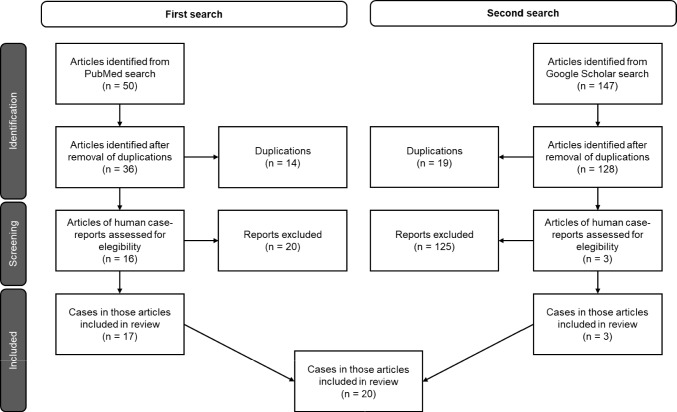 Figure 1
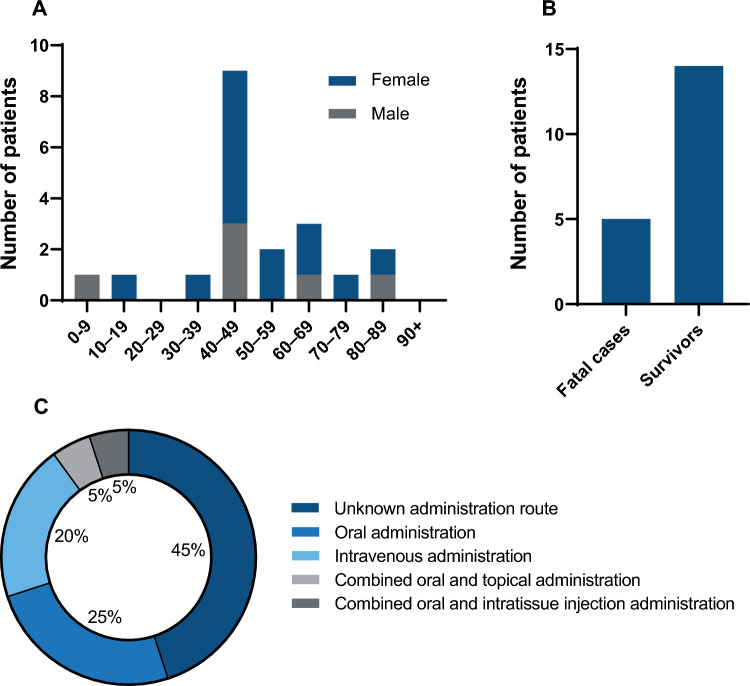 Figure 2
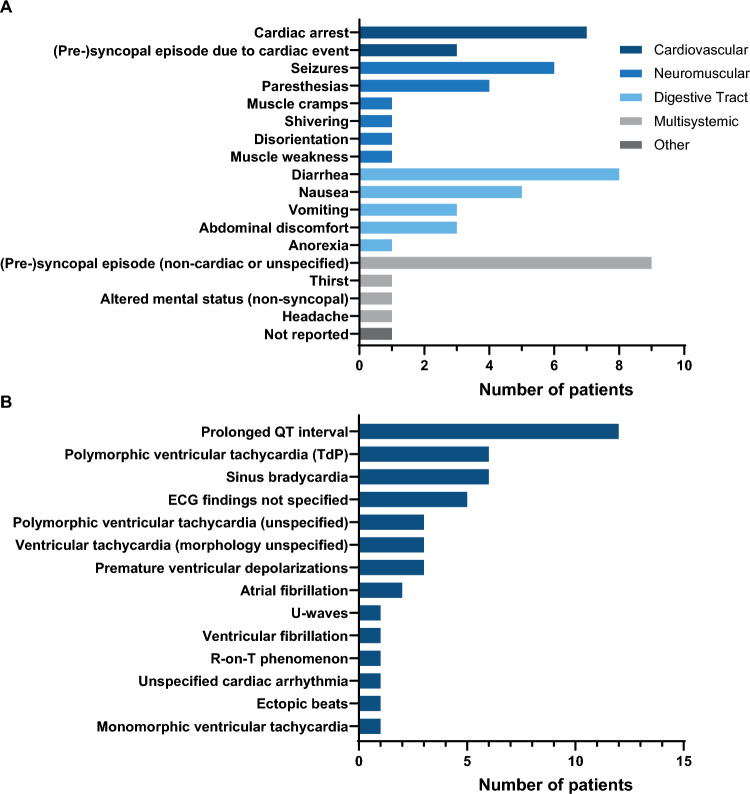 Figure 3
Peer Reviews
No public reviews on file for this paper yet. If you reviewed it on a platform where reviews are public (OpenReview, ICLR, NeurIPS, ICML), you can paste yours below so the community can read it here.
Videos
No videos yet. Explain this paper in a talk, walkthrough, or lecture? Add one.
Taxonomy
TopicsPotassium and Related Disorders · Thallium and Germanium Studies · Plant-based Medicinal Research
Introduction
Cesium is an alkali metal that belongs to the same group as lithium, sodium, potassium, and rubidium. Due to the chemical and physical similarities among these elements, cesiums interaction with the human body, particularly in the context of its accumulation and excretion, is closely related to potassium. Cesium mimics potassium ions and will disrupt normal cellular processes, particularly those involving potassium ion channels. This can have significant clinical consequences, especially within the cardiovascular system [1].
Cesium chloride (CsCl) has been promoted as an alternative cancer treatment since the 1980s [2, 3], coined as “High pH Therapy” by Aubrey K. Brewer in 1984 [2]. CsCl was suggested to elevate the intracellular pH of tumor cells and eliminate toxins generated by tumor cells, thereby inhibiting their ability to divide and thus shorten their lifespan. Importantly, no solid clinical research has confirmed these claims. Remarkably, at about the same time, several research groups worked on the development of a canine cardiac arrhythmia model based on CsCl injection, using similar doses as promoted in “High pH Therapy” [4–7], which at time already should have raised questions about the safety and potential side effects of the promoted therapeutic CsCl application.
Since then, many cancer patients who do not wish to have the standard treatment, or have not found success with it, may turn to alternatives like CsCl. Information from various internet sources, private clinics, and books, promote such unproven therapies, including its dosing, for example [8]. CsCl remains readily available for purchase online via platforms such as Amazon, AliExpress, Etsy, and eBay, with prices ranging from €0.76 to €19.59 per gram when searched for on November 14th, 2024, and often without any warning of its pro-arrhythmic effects, e.g. [9]. This widespread availability enables self-administration by patients, often without medical supervision or awareness of the associated risks. From 1984 onwards, a number of case reports have been published on cesium intoxication and its frequent lethal outcome.
This study aims to analyze the complete set of published case reports, in any language, of people who have taken cesium. It will explore the reasons for intake, clinical effects, reported symptoms, pathophysiology, and treatment options. This will provide a more comprehensive understanding of the health risks related to cesium intake, offer valuable insights for healthcare providers, and depicts the serious consequences of scientific misinformation.
Methods
We conducted a literature search of case reports on cesium chloride or carbonate intake using PubMed and Google Scholar, including articles published on these platforms up to September 16, 2024. The search terms used in PubMed included: ‘Cesium chloride "case report"’, ‘CsCl case report’, ‘Alternative cancer therapy cesium case report’, ‘Cesium chloride hypokalemia’, ‘Cesium carbonate "case report"’, and ‘Cesium carbonate hypokalemia’. The search terms used in Google Scholar were: ‘“cesium chloride” torsade de pointes “case report”’, ‘"cesium intake" "case report"’, ‘"CsCl" "case report" arrhythmia cesium’, and ‘"CsCl" "cesium chloride" "case report" ventricular arrhythmia’.
Additional case reports were identified by reviewing the reference lists of the primary articles retrieved. Only articles containing full-text case reports on patients taking non-radioactive cesium were included in the analysis. Exclusion criteria included articles on patients who had been exposed to radioactive cesium, studies involving animals, and duplicate publications or those reporting the same cases. A total of 20 cases were included in this literature review (Fig. 1). All included reports were written in English, except for one Norwegian article, which was reviewed in its original language by the current authors and partially translated using Google Translate.Fig. 1. Flowchart depicting the search and selection process for case reports of patients who took cesium. The initial PubMed search yielded 50 results, reduced to 16 case reports, describing 17 cases. A second search in Google Scholar identified 147 articles, which after removing duplications and non-case reports yielded 3 not previously identified articles. In total, 20 cases were included in this literature review
From each case, we collected data on patient demographics (age, sex), medical background, cesium dosage, route and frequency of administration, maximum corrected QT interval (QTc), electrocardiogram (ECG) findings, blood values, clinical symptoms, treatments, duration of hospitalization, and the outcome of the case. We also documented the geographical origin of the article, determined by the location of the first author.
Each of the collected case reports was independently reviewed by at least two authors, who reached a consensus regarding the interpretation of the data.
Results
The search for cesium salt intoxication cases yielded 19 reports presenting a total of 20 individual cases (Fig. 1, Table 1) [10–28]. The vast majority of these cases originated from North America, predominantly from the United States of America and Canada (Table 1). Most patients were female, with nearly half aged between 40 and 49 years (Fig. 2A). Cesium intoxication resulted in fatal outcomes in five patients (Fig. 2B). Of the five fatal cases, two resulted from cardiac arrest, one from an unspecified cardiac arrhythmia, and one occurred during hospitalization after a seizure, during which the patient developed sepsis and multiple subsequent seizures. In the remaining fatal case, the cause of death was not documented.Table 1. Overview of reported cases involving cesium useCase no.Patient charactReason for intakeOutcomeMean dose(g/Day)Origin of publicationFirst authorYear of publicationCase 141/MSelf-experimentSurvived6USANeulieb [10]1984Case 247/FPrevention: Breast CancerSurvived3USASaliba [11]2001Case 362/MTreatment: Prostate CancerSurvived4CanadaPinter [12]2002Case 452/FTreatment: Colon CancerSurvived3CanadaLyon [13]2003Case 541/MTreatment: Kidney CancerDiedNot ReportedUSACenteno [14]2003Case 682/MTreatment: Lung CancerDiedNot ReportedUSACenteno [14]2003Case 743/FTreatment: GlioblastomaSurvived9USADalal [15]2004Case 88/MTreatment: Osteogenic SarcomaSurvivedNot ReportedUSACurry [16]2006Case 939/FMenorrhagiaSurvivedNot ReportedUSAVyas [17]2006Case 1055/FTreatment: Ovarian CancerDied7.5USANuwayhid [18]2007Case 1116/FTreatment: Liver CancerSurvived3USAO’Brien [19]2008Case 1284/FTreatment: Kidney CancerNot Reported3CanadaPainter [20]2008Case 1365/FTreatment: Rectal CancerSurvivedNot ReportedHong KongChan [21]2009Case 1445/FTreatment: Breast CancerSurvived3CanadaWiens [22]2009Case 1546/FTreatment: MelanomaSurvived10CanadaYoung [23]2013Case 1661/FTreatment: Breast massDiedNot ReportedUSASessions [24]2013Case 1742/FTreatment: Breast CancerDiedNot ReportedAustraliaKhangure [25]2013Case 1840/FTreatment: Rectal CancerSurvived9NorwayWarsame [26]2014Case 1945/MTreatment: Laryngeal CancerSurvived3USAHorn [27]2015Case 2077/FTreatment: Colon CancerSurvived0.5USAHetavi [28]2019^^In cases 15 and 18 cesium-carbonate was used, in all other cases cesium-chloride was takenFig. 2A Age and sex distribution of cesium intoxication cases. B distribution of clinical outcome. C Routes of cesium salt self-administration
The primary indication to take cesium was cancer-related, reported in 18 cases: 16 patients used cesium as an alternative cancer treatment, one for cancer prevention, and one for treating a tumor of unknown malignancy (Table 1). In two isolated cases, cesium was taken either as part of a self-experiment or to manage menorrhagia.
When reported, the route of cesium administration was predominantly oral or intravenous (Fig. 2C). Occasionally, oral administration was combined with topical application or intratissue injection. Among the five fatal cases, cesium was administered intravenously in three, a combination of oral and intratissue injection was used in one, and in the remaining case, the route of administration was not documented. Cesium was most commonly administered in the form of cesium chloride (CsCl) (n = 16). In two cases, cesium carbonate (Cs_2_CO_3_) was used, while in another two cases the specific chemical form of cesium was not documented. The ingested dose of cesium, administered either as CsCl or Cs_2_CO_3_, was documented in eleven cases (Table 1). The median daily dose was 23.8 mmol Cs⁺ (interquartile range [IQR], 17.8 – 53.5 mmol/day) (Table 2). In four of the five fatal cases, the dose was not documented.Table 2. Serum potassium, QTc interval duration and internalized dose of cesium-ionsCase no.Serum potassium(mmol/L)Maximum QTc interval (ms)Cs^+^ Mean dose (mmol/day)Case 1––36.8Case 23.269117.8Case 32.8–23.8Case 42.8580–Case 5–––Case 6–––Case 73.162453.5Case 8–710–Case 93.1616–Case 10––44.6Case 11–68317.8Case 12––17.8Case 132.8620-Case 14351617.8Case 153.762061.4Case 162.7694–Case 17–––Case 182.859655.2Case 193.3–17.8Case 203.5––^^Potentially misreported as mg/dL by the authors^**^Cesium was administered as cesium carbonate in cases 15 and 18; in all other cases, cesium chloride was used
Hypokalemia was observed in 10 of 12 patients with reported serum potassium levels, with a median concentration of 3.05 mmol/L (IQR, 2.8 – 3.25 mmol/L) (Table 2). A serum potassium level was documented in only one of the five fatal cases, measuring 2.7 mmol/L.
Clinical manifestations following cesium intake affected multiple organ systems, including cardiovascular, neuromuscular, and gastrointestinal systems (Fig. 3A). Cardiac arrest occurred in seven cases, while presyncopal or syncopal episodes attributable to cardiac events were reported in an additional three cases. Another 9 patients experienced presyncopal or syncopal episodes without a specified underlying cause. Seizures were documented in 6 patients. Less severe but frequently reported symptoms included diarrhea, nausea, and paresthesias. In one case, no symptoms were reported.Fig. 3A Frequency of clinical symptoms following cesium intoxication. B Frequency of observed ECG characteristics. In five cases, no ECG data are reported
In association with half of the cases presenting with cardiovascular effects of cesium, 13 different ECG changes were reported in 15 patients (Fig. 3B). The most frequently observed abnormality was QT-interval prolongation, described in 14 cases. QTc interval durations were provided in eleven of these cases, with a median QTc of 620 ms (IQR, 596–691 ms) (Table 2). Polymorphic ventricular tachycardia was reported in nine cases, with Torsades de Pointes (TdP) specifically identified in six. In the remaining three cases, the polymorphic ventricular tachycardia subtype was unspecified. Monomorphic ventricular tachycardia was documented in one case, and in three cases ventricular tachycardia was noted without morphological details. Other ECG abnormalities included sinus bradycardia and premature ventricular depolarizations.
Treatment was documented in sixteen patients, addressing various clinical needs such as management of cesium exposure, electrolyte correction, cardiovascular and respiratory support, and seizure prophylaxis and treatment (Table 3). Cesium cessation was reported in eight cases to limit exposure, and in three cases, Prussian Blue was administered to facilitate cesium removal via ion exchange [29]. Potassium supplementation, often combined with magnesium supplementation, was given to correct hypokalemia. Cardiovascular support commonly involved lidocaine, cardiopulmonary resuscitation (CPR), and electrical cardioversion. Seizure prophylaxis was documented five times, all administered to a single patient.Table 3. Frequencies of treatment modalities usedTreatmentNumber of pts. (%)Management of cesium exposure Prussian Blue3 (15) Cessation of cesium therapy8 (40)Electrolyte correction Na^+^ suppletion3 (15) K^+^ suppletion12 (60) Mg^2+^ suppletion9 (45)Cardiovascular support CPR5 (25) Electrical cardioversion4 (20) Pacemaker1 (5) Amiloride1 (5) Amiodarone3 (15) Isoproterenol2 (10) Atenolol1 (5) Metoprolol1 (5) Adenosine1 (5) Lidocaine6 (30)Respiratory support Intubation2 (10)Anti-seizure Mannitol1 (5) Dexamethasone1 (5) Valproic acid1 (5) Levetiracetam1 (5) Lorazepam1 (5)Supportive care Cooling1 (5) Analgesics1 (5)Other No treatment reported4 (20)^^In eight out of nine patients, magnesium was given in combination with potassium suppletion^**^Given because of a high intracranial pressureCPR Cardiopulmonary resuscitation
Discussion
We reviewed case reports of non-radioactive cesium poisoning resulting from self-administration. The majority of patients, we are inclined to call them victims, took several grams of CsCl in an attempt to treat their diagnosed cancer, as promoted on various websites and books, without supervision of a certified clinician. Many patients experienced cardiac arrhythmia, (pre)syncope and five (25%) died due to the cesium intake, as stated in the case reports.
When ingested, cesium is almost completely absorbed from the small intestine [1]. Cesium is mainly excreted via the kidneys and has a half-life of approximately 2 to 4 months [30, 31]. This long half-life may prolong the occurrence of toxic effects or adverse reactions. Following absorption, cesium is distributed throughout the body, where it inhibits ion channels, mainly for potassium. This potassium ion channel blockade most likely stands at the basis of many of the reported symptoms following cesium intoxication.
Inhibition of the delayed rectifier potassium channels in the myocardium results in QT prolongation on the ECG, reported in 60% of the case reports. QT prolongation is an established risk factor of ventricular cardiac arrhythmias [32]. In preclinical research that used six healthy dogs (10–20 kg), a bolus injection of 1.7 to 3.4 g (1 mmol/kg) resulted in a transient QT prolongation, and following a second bolus after 10 min, all animals developed ventricular arrhythmia [6].
Potassium inward rectifier channels of the KCNJ gene family are also targeted by cesium resulting in channel inhibition in the micromolar range [33]. This diverse inward rectifier potassium channel family has roles in multiple organ systems (neural, kidney, heart) and its inhibition results in, for example, unstable plasma-membrane potential in neural and cardiac cells, and disturbances in renal electrolyte handling [34, 35]. The latter likely involves inhibition of the inward rectifier channels Kir1.1 and Kir4.1, resulting in excessive renal potassium wasting, inducing hypokalemia, which contributes to the QTc prolongation [36]. Furthermore, cesium may induce hypokalemia by inhibiting channels responsible for potassium uptake from dietary sources. Finally, potassium depletion may occur through increased gastrointestinal losses as associated with the frequently observed diarrhea (Fig. 3A). Two mechanisms have been described for the blockade of KCNJ channels. The first mechanism, called the "obstruction mechanism", occurs when cesium ions align with potassium ions within the selectivity filter of the Kir channel. Potassium ions can easily overcome energy barriers within the channel, allowing for the passage of potassium ions across the membrane. In contrast, cesium ions are unable to overcome all the necessary energy barriers, resulting in them being "trapped" within the channel. This trapping prevents potassium ions from moving across the membrane, thereby inhibiting potassium influx [37–39]. In the second mechanism, cesium ions likely bind to common sites on the Kir channel outside the selectivity filter, preventing the outward movement of potassium ions [40].
Finally, pacemaker channels of the HCN family become also inhibited by cesium in the low millimolar range [33, 41]. It cannot be excluded that the observed sinus bradycardia in six patients relates to this pacemaker channel inhibiting effect.
Misconception of cesium as alternative cancer therapy, history and critical note
The use of cesium as an alternative cancer treatment originates from a misinterpretation of early hypotheses concerning cancer cell metabolism. In 1956, Dr. Otto Warburg, a pioneer in the field of oncometabolism and Nobel laureate, observed that cancer cells rely heavily on anaerobic glycolysis for energy production; a phenomenon that results in elevated lactic acid levels. Warburg postulated that this metabolic shift played a causative role in malignant transformation [42]. However, research has since demonstrated that such alterations in metabolism are secondary to genetic mutations in oncogenes and tumor suppressor genes, rather than a primary cause of cancer pathogenesis [43, 44]. Nonetheless, misconception of the Warburg’s hypothesis still feeds false claims, for instance in popular books and social media, on the efficacy of dietary therapies and their dangerous consequences [45]. It also served as the foundation for so-called “High pH Therapy”, introduced by Dr. Aubrey Keith Brewer [2]. This alternative medicine therapy was first published in a supplement of Pharmacology Biochemistry and Behavior, edited by F.S. Messiha in 1984, which features several papers on CsCl-based “High pH Therapy” by invited experts and participants of the 2nd Annual Toxicology Conference (October 1983, El Paso, Tx, USA). Among them were empirical studies, theoretical discussions and the first case report on self-administered CsCl [10].
Brewer hypothesized that increasing intracellular pH through administration of CsCl could inhibit cancer progression [2]. In his publications, he described tumor regression in mice within two–three weeks of cesium/CsCl administration and reported complete tumor disappearance and symptom resolution within 12 to 24 h in 30 human cancer patients [2, 46]. This rationale was echoed by Sartori, who outlined the theoretical basis for cesium therapy in cancer [47]. Additionally, Sartori presented a case series involving 50 patients with advanced, metastatic disease [3]. He claimed a 50% recovery rate and consistent pain relief within 1 to 3 days of initiating CsCl therapy. The side effects Sartori and Brewer reported were limited to loss of appetite, nausea, diarrhea, and perioral paresthesia. Furthermore, they administered doses up to 30 g/day, significantly exceeding then-available protocol recommendations of 6–9 g/day. Sartori was later convicted of practicing medicine without a license, further undermining the credibility of his findings [48].
Neither Brewer’s nor Sartori’s results were presented with robust data, long-term follow-up or have ever been independently verified in other studies. While their publications are sometimes briefly mentioned in reviews or used as contextual background for investigations into other metals (e.g., rubidium, magnesium and potassium), multiple sources critically describe their work [1, 49, 50]. Nonetheless, their claims have remained influential and are frequently cited in support of cesium therapy for cancer. Of the 19 case-report articles reviewed for this study, 16 referenced “High pH Therapy” or directly cited Sartori’s and Brewer’s publications, often as the sole justification for using cesium therapeutically.
In the Netherlands, the Nationaal Vergiftigingen Informatie Centrum has reported no cases involving cesium intoxication [51]. Moreover, no data on the number of cesium users is available, but in view of additional cases briefly mentioned by the FDA [52], we may assume many more intoxications do occur. In light of mounting evidence of toxicity, most notably severe cardiac arrhythmias, the U.S. Food and Drug Administration (FDA) issued several public health warnings between 2018 and 2023 [52–55]. These warnings explicitly advise against the use of cesium for any therapeutic purpose and sale of CsCl-containing supplements. In 2023, the FDA reaffirmed that CsCl is a new dietary ingredient for which no adequate evidence of safety has been provided. As such, dietary supplements containing CsCl are considered adulterated under the Federal Food, Drug, and Cosmetic Act. Similarly, cesium is not listed in the European Union’s Directive 2002/46/EC, which defines approved substances for use in food supplements. While this does not constitute an outright ban, it renders its sale as a supplement unlawful under current federal regulations in the US and EU. Even more encouragingly, only one case report has been published since the issuance of the first FDA warning in 2018 [28].
This review exemplifies the far-reaching consequences of unchecked and non-corrected scientific misinformation. Despite earlier publications on the consequences of CsCl administrations as that of Melnikov in 2010 [1], the continued citation and application of flawed studies not only erode the integrity of scientific discourse, but also pose direct threats to patient safety, as becomes evident from the publication of six case reports since, of which two reporting a lethal outcome [23–28]. Although correcting scientific knowledge over time is part of the scientific process, studies indicate that publications remain being cited in scholarly publications after their retraction [56]. Moreover, non-scholarly publications still refer to “High pH Therapy” work as “scientifically proven” as long as the work exists in its current form.
Here, we highlight several methodological weaknesses, 20 case reports and repeated health warnings for a supplement of the journal Pharmacology Biochemistry and Behavior. We therefore plea for the release of an editorial note or expression of concern on the entire issue, in line with the COPE Guidelines on Expressions of Concern, Position on old papers [57, 58]. Similar foundational studies on alternative medicine therapies have been retracted previously [59, 60].
Conclusion
Self-administration of cesium salts is often done for alternative treatment of cancers of various types, promoted in books and social media as high-pH therapy, but without any solid clinical research. Most case reports originate from North America and show an overrepresentation of the 40–49-year age group. Many patients develop serious neurological and cardiac symptoms, like seizures, syncope, ventricular arrhythmia and cardiac arrest. Electrolyte correction, cardiovascular support and cessation of cesium therapy are the mostly provided treatments. Twenty-five percent of the presented cases had a fatal outcome. The continued presence of non-corrected scientific misinformation in the life sciences scholarly literature can lead to serious health issues.
The reference list from the paper itself. Each links out to its DOI / PubMed record.
- 1Wycoff Wellness Center. (n.d.). High p H Diet Therapy Protocol Cesium Protocol [Internet]. Retrieved August 1, 2025, from: https://www.wycoffwellness.com/sites/default/files/u 4/5_High_p H_Diet_Therapy_Protocol.pdf
- 2Amazon. (n.d.). [Internet]. Retrieved November 14, 2024, from: https://www.amazon.nl/Pure-Cesium-Certificaat-gecertificeerd-laboratorium/dp/B 07NQK 1791
- 3Nationaal Vergiftigingen Informatie Centrum (2024). Jaaroverzichten Umcutrecht.nl [Internet]. Retrieved Jul 29, 2025, from: https://nvic.umcutrecht.nl/nvic/nl/jaaroverzichten
- 4U.S. Food and Drug Administration. (2018). FDA alerts health care professionals to significant safety risks associated with cesium chloride. https://www.fda.gov/drugs/human-drug-compounding/fda-alerts-health-care-professionals-significant-safety-risks-associated-cesium-chloride
- 5U.S. Food and Drug Administration. (2020). Public health alert concerning dietary supplements containing cesium salts. https://www.fda.gov/food/information-select-dietary-supplement-ingredients-and-other-substances/public-health-alert-concerning-dietary-supplements-containing-cesium-salts
- 6U.S. Food and Drug Administration. (2020). Recent FDA action on dietary supplements containing cesium chloride [Constituent update]. https://www.fda.gov/food/hfp-constituent-updates/recent-fda-action-dietary-supplements-containing-cesium-chloride
- 7U.S. Food and Drug Administration. (2023). Cesium chloride in dietary supplements [Safety communication]. https://www.fda.gov/food/information-select-dietary-supplement-ingredients-and-other-substances/cesium-chloride-dietary-supplements
- 8COPE Council. Handling retractions and expressions of concern for old articles - English. 10.24318/Z 4F 7s Vo I © 2024 Committee on Publication Ethics (CC BY-NC-ND 4.0) https://publicationethics.org