Comparison of Three Different Staging Systems Capable of Predicting the Severity of Congenital Lower Urinary Tract Obstruction (LUTO) and Its Prognosis
Ugo Maria Pierucci, Irene Paraboschi, Matthieu Peycelon, Chryso P. Katsoufis, Alireza Alam, Gabriele Tonni, Mark D. Kilby, Gloria Pelizzo, Rodrigo Ruano

TL;DR
This paper compares three staging systems for predicting the severity and outcomes of fetal urinary tract obstruction, highlighting their strengths and limitations.
Contribution
The study systematically evaluates and contrasts three clinical staging systems for LUTO to inform better prenatal management strategies.
Findings
Ruano's system combines ultrasound and biochemical markers with stage-specific management guidance.
Fontanella's system relies only on ultrasound parameters without biochemical data or treatment guidelines.
Nassr's score uses a numerical framework with ultrasound and biochemical data to identify severe cases.
Abstract
Lower urinary tract obstruction (LUTO) is a rare but severe fetal condition associated with significant morbidity and long‐term renal risk. Several prenatal staging systems have been proposed to guide management and predict outcomes, yet their comparative prognostic value remains uncertain. This review provides a structured evaluation of three staging systems currently used in clinical practice: those proposed by Ruano, Fontanella, and Nassr. Ruano's system integrates detailed ultrasound findings and biochemical markers, providing explicit stage‐specific management recommendations and guidance for specific prenatal therapy. Fontanella's approach depends solely on ultrasound parameters, specifically bladder volume and the gestational timing of oligohydramnios onset, without incorporating biochemical markers or offering clear treatment guidelines. Nassr's score employs both ultrasound and…
Genes, proteins, chemicals, diseases, species, mutations and cell lines named across the full text — each resolved to its canonical identifier and authoritative record.
Click any figure to enlarge with its caption.
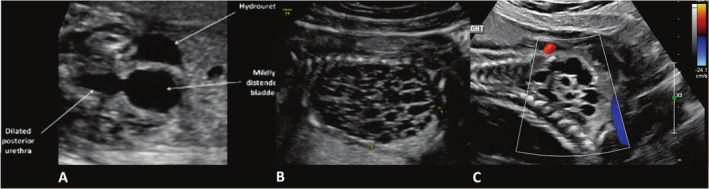 Figure 1
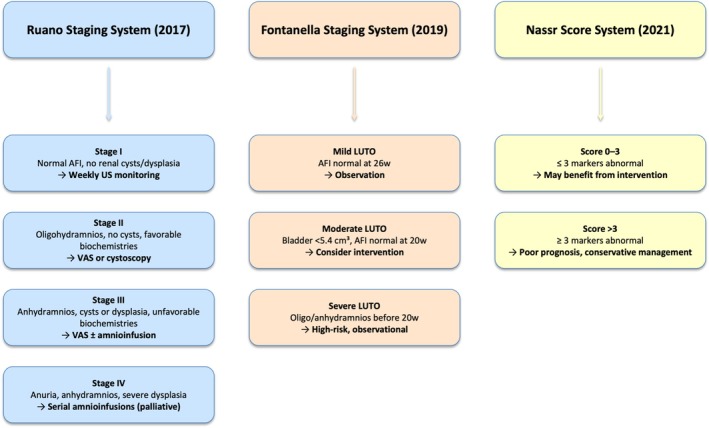 Figure 2
 Figure 3
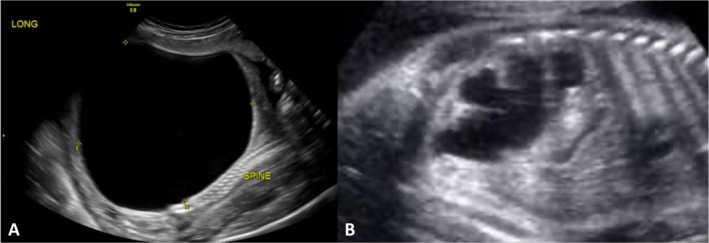 Figure 4
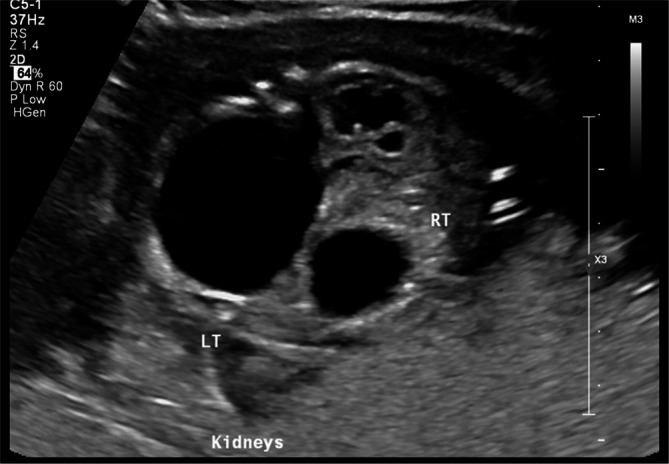 Figure 5
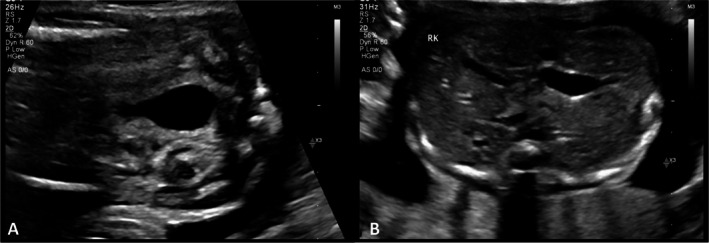 Figure 6
Peer Reviews
No public reviews on file for this paper yet. If you reviewed it on a platform where reviews are public (OpenReview, ICLR, NeurIPS, ICML), you can paste yours below so the community can read it here.
Videos
No videos yet. Explain this paper in a talk, walkthrough, or lecture? Add one.
Taxonomy
TopicsPediatric Urology and Nephrology Studies · Urinary Tract Infections Management · Urological Disorders and Treatments