STEM-PD trial protocol: a multi-centre, single-arm, first-in-human, dose-escalation trial, investigating the safety and tolerability of intraputamenal transplantation of human embryonic stem cell-derived dopaminergic cells for Parkinson’s disease
Gesine Paul, Hjalmar Bjartmarz, Anders Björklund, Emma Cutting, Amy Evans, Bronwen Harry, Oskar Hansson, Saeed Kayhanian, Agnete Kirkeby, Nicholas Lao-Kim, Olle Lindvall, Jenny Nelander, Paola Piccini, Ruben Smith, Susann Ullén, Trinette Van Vliet, Hakan Widner, Malin Parmar

TL;DR
This trial tests the safety of transplanting stem cell-derived dopamine neurons into the brains of Parkinson's patients.
Contribution
It is the first human trial using human embryonic stem cell-derived dopaminergic cells for Parkinson’s disease.
Findings
The trial will assess safety and tolerability of the cell transplantation over 12 months.
Secondary outcomes will include clinical improvements and graft survival measured by imaging.
Eight patients will be enrolled across two European sites.
Abstract
Parkinson’s disease (PD) is a common neurodegenerative disease, which has extensive pathology that critically includes the loss of midbrain dopaminergic neurons. This loss leads to debilitating motor features such as bradykinesia and rigidity, as well as some non-motor symptoms. Intracerebral dopamine cell transplants have been explored for many years as a new approach to treating PD and initially used human fetal ventral mesencephalic tissue with inconsistent results, related in part to major logistical challenges in sourcing enough tissue of the right quality and the limited possibilities for quality control and standardisation. Dopaminergic neurons can now be derived reliably from human stem cell sources, which may overcome some of the challenges associated with fetal tissue transplantations. STEM-PD is a multi-centre, single-arm, dose-escalation, first-in-human advanced therapy…
Genes, proteins, chemicals, diseases, species, mutations and cell lines named across the full text — each resolved to its canonical identifier and authoritative record.
Click any figure to enlarge with its caption.
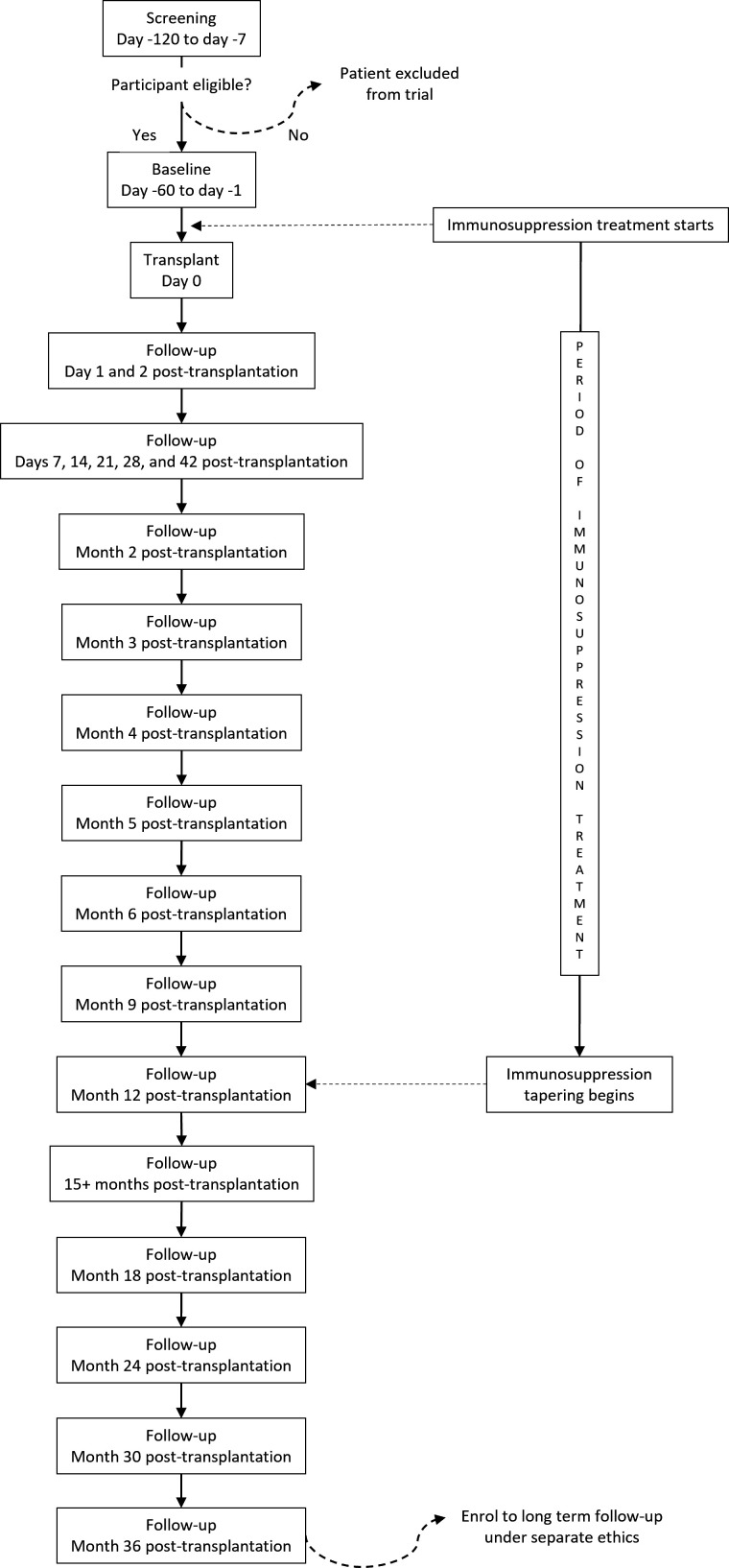 Figure 1
Peer Reviews
No public reviews on file for this paper yet. If you reviewed it on a platform where reviews are public (OpenReview, ICLR, NeurIPS, ICML), you can paste yours below so the community can read it here.
Videos
No videos yet. Explain this paper in a talk, walkthrough, or lecture? Add one.
Taxonomy
TopicsPluripotent Stem Cells Research · Biomedical Ethics and Regulation · Nerve injury and regeneration