Mental health peer support relationship: a realist informed qualitative meta synthesis
Corinna Hackmann, Amanda Green, Ruby Pease, Izobel Clegg, Melanie Handley

TL;DR
This study identifies key factors in mental health peer support that lead to better recovery outcomes.
Contribution
The APPEAR framework is introduced as a new model for understanding effective peer support relationships.
Findings
Five contextual factors (APPEAR) were identified as crucial for successful peer support.
These factors improve outcomes like self-acceptance, confidence, and relationships.
The framework provides a basis for designing and evaluating peer support interventions.
Abstract
To understand how key relational factors lead to observed outcomes in mental health peer support. This realist-informed qualitative review synthesised findings from 18 studies to develop programme theory relating to interpersonal contexts, linked outcomes and underlying mechanisms of change of mental health peer support. Four databases were searched: PsycINFO, Embase, Medline, CINAHL. All studies were evaluated for relevance and rigour for development of programme theory. Qualitative data were extracted from 20 studies. A realist-informed synthesis identified repeating themes with context-mechanism-outcome configurations. This identified five key contextual factors that together form the APPEAR framework (Accepting, Personalised Practice, Empowering, Available and Reciprocal). These contextual factors were found to interact to create the conditions for improved personal recovery…
Genes, proteins, chemicals, diseases, species, mutations and cell lines named across the full text — each resolved to its canonical identifier and authoritative record.
Click any figure to enlarge with its caption.
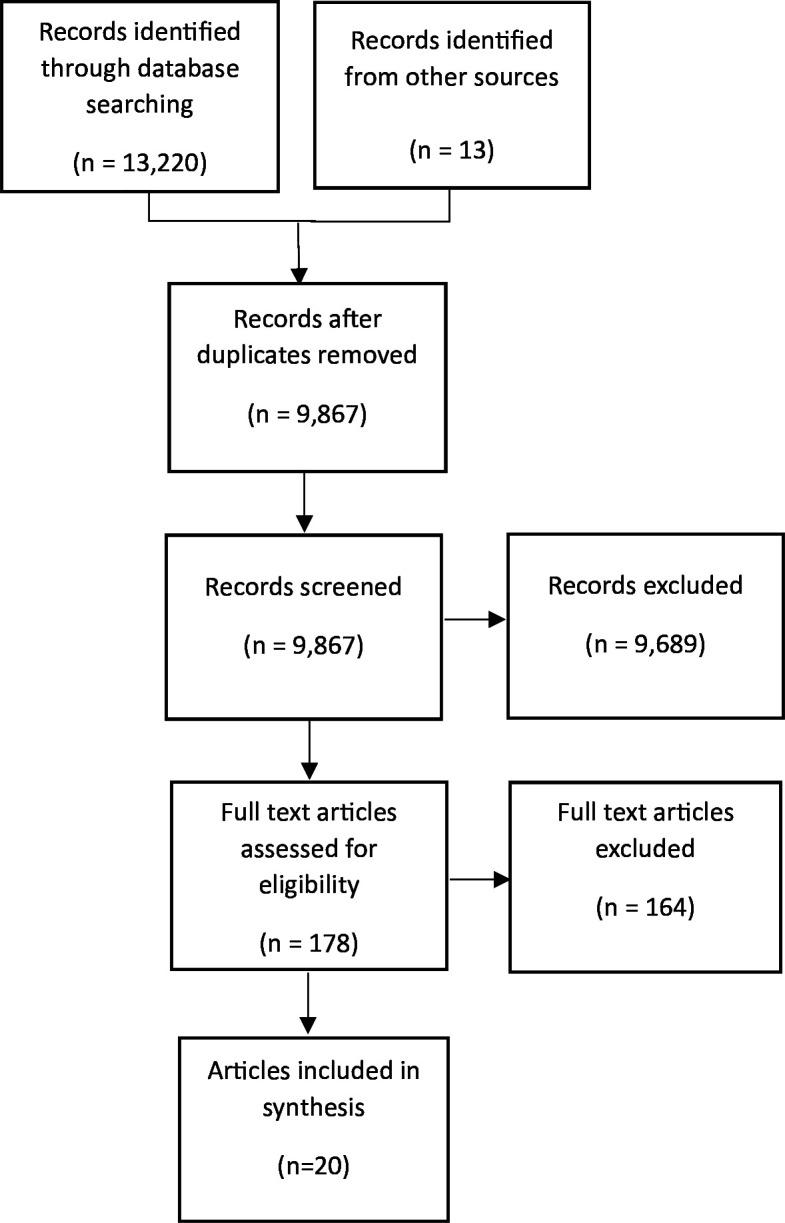 Figure 1
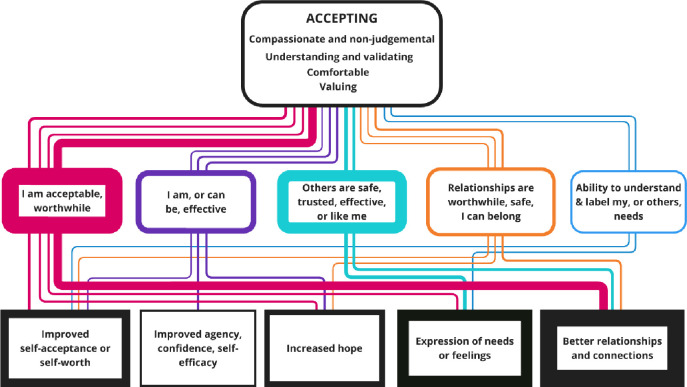 Figure 2
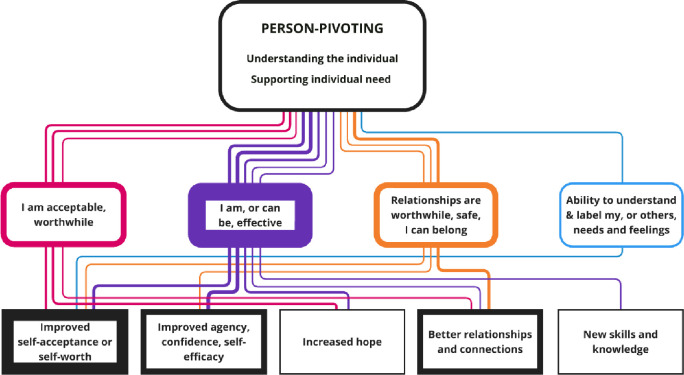 Figure 3
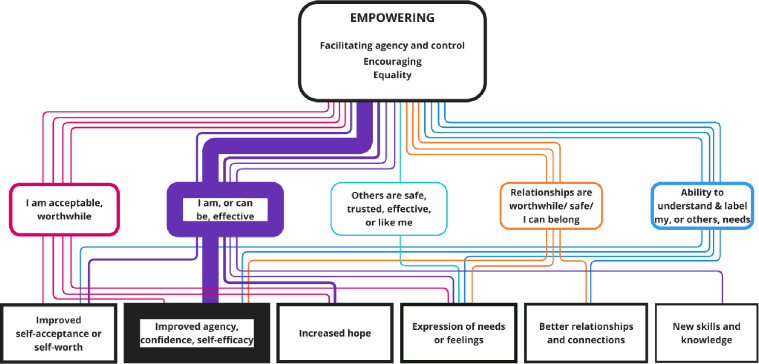 Figure 4
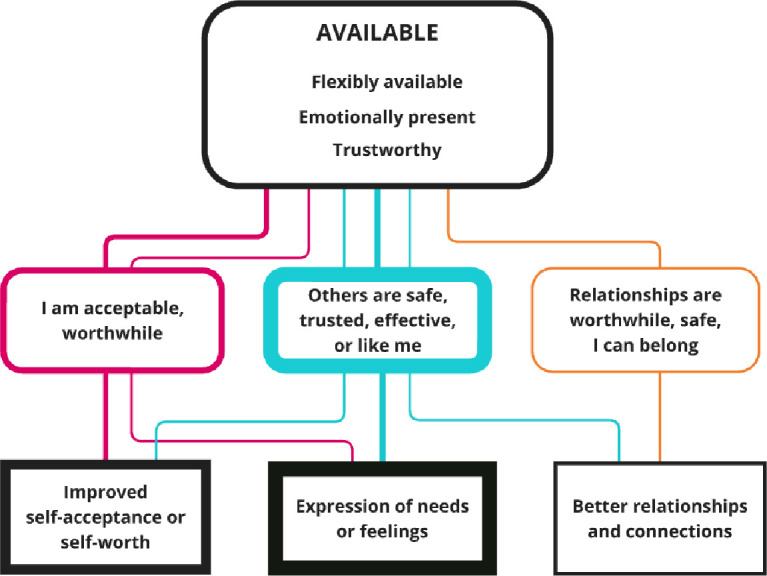 Figure 5
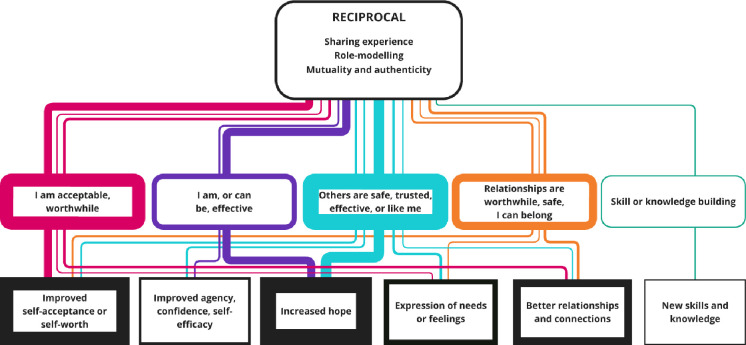 Figure 6
Peer Reviews
No public reviews on file for this paper yet. If you reviewed it on a platform where reviews are public (OpenReview, ICLR, NeurIPS, ICML), you can paste yours below so the community can read it here.
Videos
No videos yet. Explain this paper in a talk, walkthrough, or lecture? Add one.
Taxonomy
TopicsMental Health and Patient Involvement · Mental Health Treatment and Access · Digital Mental Health Interventions