Intelligent monitoring to predict atrial fibrillation (NOTE-AF): clinical study 1 for the ‘Health virtual twins for the personalised management of stroke related to atrial fibrillation (TARGET)’ project – a protocol for a prospective cohort analysis
Hani Essa, Brian Johnston, Gregory Y.H. Lip, Sandra Ortega-Martorell, Karen Williams, Ingeborg D. Welters, Sandra Ortega-Martorell

TL;DR
This study uses intelligent monitoring and AI to predict atrial fibrillation in high-risk patients, aiming to improve stroke prevention.
Contribution
The study introduces a novel approach using health virtual twins and machine learning to predict new-onset atrial fibrillation.
Findings
1200 patients will be monitored with wireless patches to detect new-onset AF episodes.
The study will analyze 30-day and 90-day readmission rates and AF-related complications.
Data will be used to develop and validate health virtual twin models for AF prediction.
Abstract
Atrial Fibrillation (AF) is the most common arrhythmia worldwide affecting an estimated 5% of people over the age of 65 and is a leading cause of stroke and heart failure. Identification of patients at risk allows preventative measures and treatment before these complications occur. Conventional risk prediction models are static, do not have flexibility to incorporate dynamic risk factors and possess only modest predictive value. Artificial intelligence and machine learning-powered health virtual twin technology offer transformative methods for risk prediction and guiding clinical decisions. In this prospective observational study, 1200 patients will be recruited in two tertiary centres. Patients hospitalised with acute illnesses (sepsis, heart failure, respiratory failure, stroke or critical illness) and patients having undergone high-risk surgery (major vascular surgery, upper…
Genes, proteins, chemicals, diseases, species, mutations and cell lines named across the full text — each resolved to its canonical identifier and authoritative record.
Click any figure to enlarge with its caption.
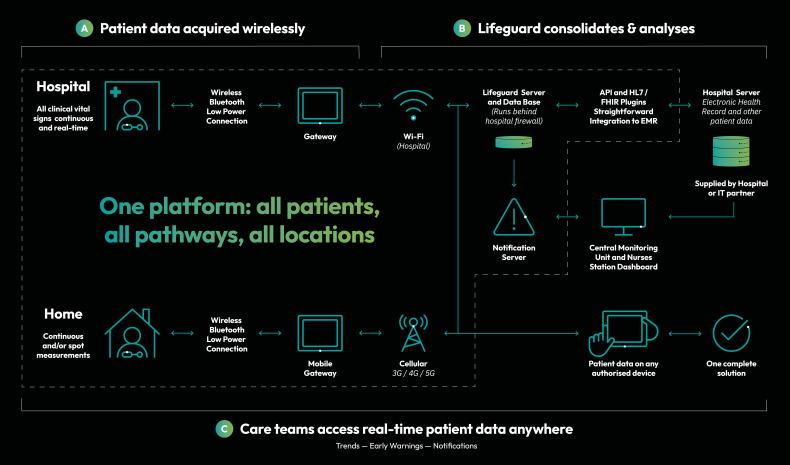 Figure 1
Peer Reviews
No public reviews on file for this paper yet. If you reviewed it on a platform where reviews are public (OpenReview, ICLR, NeurIPS, ICML), you can paste yours below so the community can read it here.
Videos
No videos yet. Explain this paper in a talk, walkthrough, or lecture? Add one.
Taxonomy
TopicsAtrial Fibrillation Management and Outcomes · Artificial Intelligence in Healthcare · Artificial Intelligence in Healthcare and Education