Pleurotus djamor Mycelium: Sustainable Production of a Promising Protein Source from Carrot Side Streams
Leonie Cora Juhrich, Iris Lammersdorf, Pascal Schmitt, Lars Tasto, Falk Speer, Denise Salzig, Kai Reineke, Holger Zorn, Martin Gand

TL;DR
This study explores using Pleurotus djamor mycelium to produce sustainable protein from carrot waste, which could serve as a nutritious and tasty alternative to plant-based proteins.
Contribution
The study identifies Pleurotus djamor as a high-yield protein source from carrot side streams, with superior sensory performance in food products.
Findings
Pleurotus djamor achieved biomass yields of ∼15 g L–1 from carrot side streams.
Protein content reached 31.0 ± 5.9 g 100 g–1 in the optimized orange carrot medium.
Mycelium outperformed vegetable proteins in sensory tests for burgers and vegan sausages.
Abstract
Innovative protein sources are urgently needed to feed a growing global population and to support the increasing shift toward vegetarian and vegan lifestyles. Mycelia of edible fungi offer a sustainable and efficient alternative food source. In this study, 106 fungal strains were explored for their ability to ferment two different liquid carrot side streams. Among the candidates, Pleurotus djamor demonstrated exceptional potential, with high yields of biomass of ∼15 g L–1 and high protein contents of 31.0 ± 5.9 (optimized orange carrot medium) or 21.6 ± 1.9 g 100 g–1 (optimized black carrot medium), respectively. When used in burger patties and vegan sausage analogs, the mycelia outperformed vegetable proteins in sensory tests, highlighting their viability as a nutritious, versatile, and consumer-accepted protein alternative.
Genes, proteins, chemicals, diseases, species, mutations and cell lines named across the full text — each resolved to its canonical identifier and authoritative record.
Click any figure to enlarge with its caption.
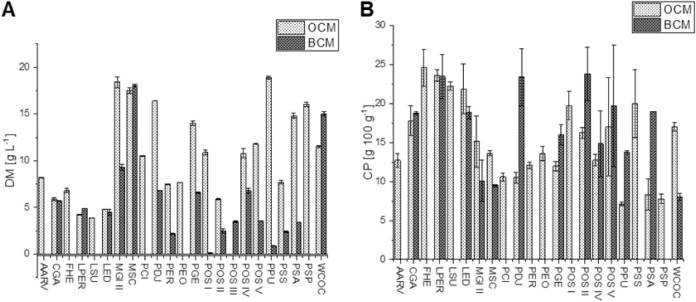 Figure 1
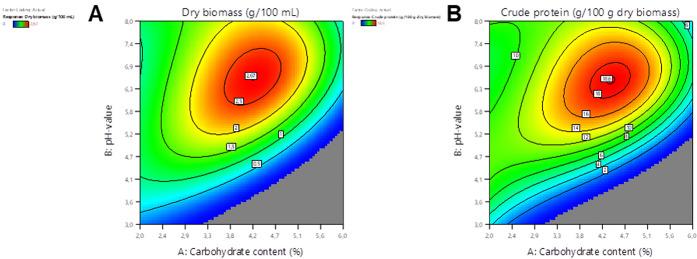 Figure 2
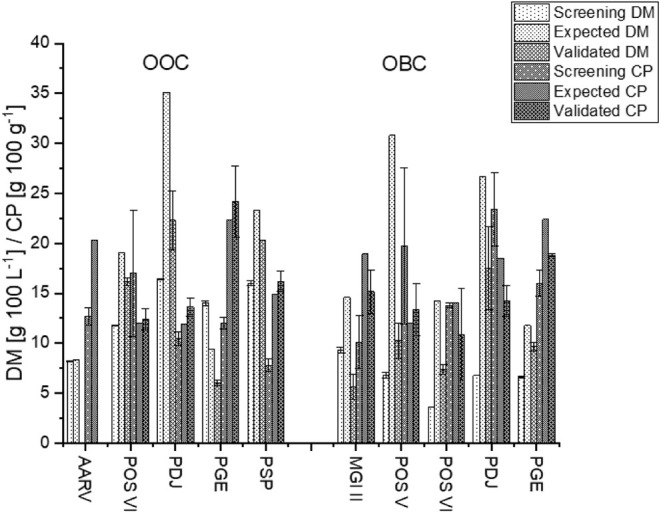 Figure 3
 Figure 4
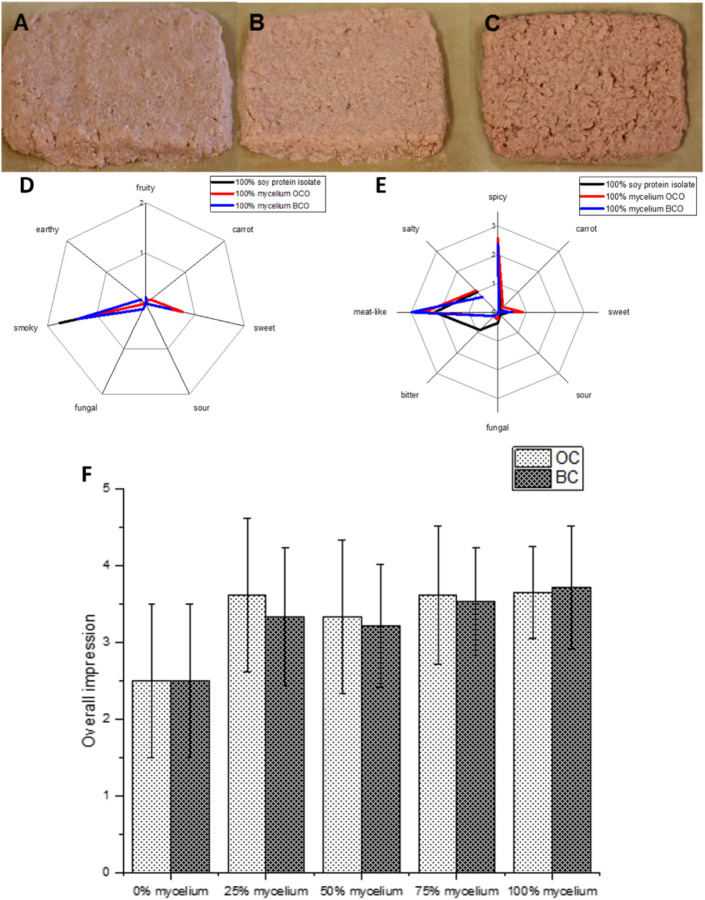 Figure 5
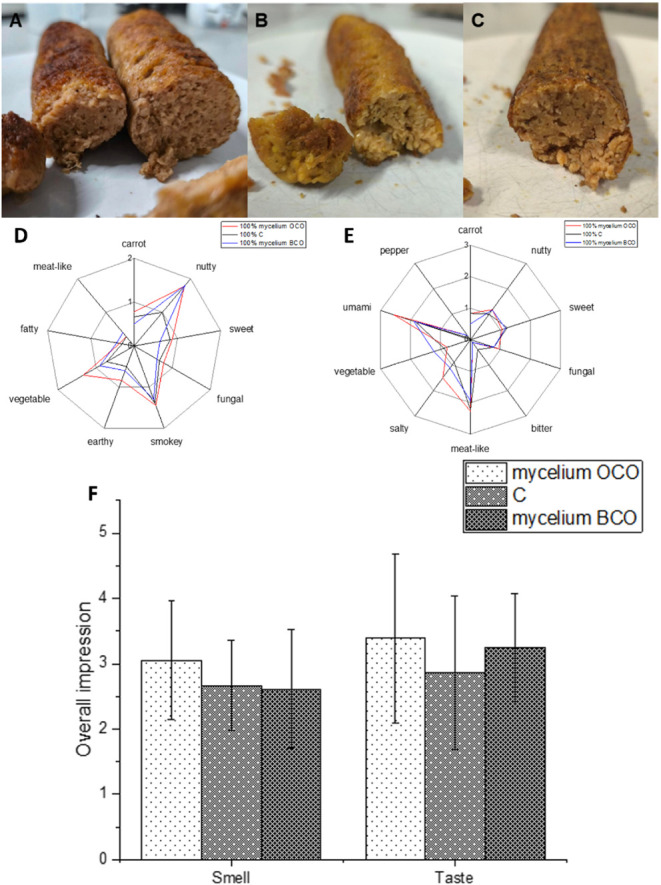 Figure 6
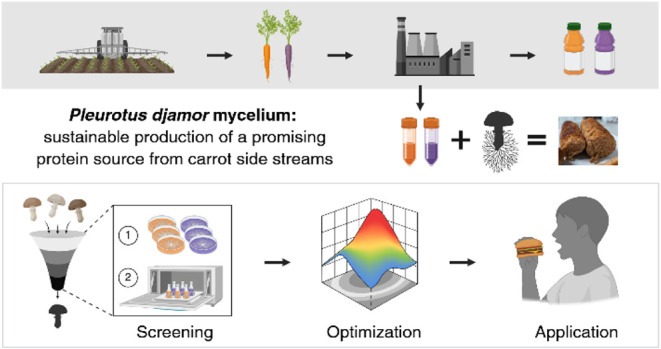 Figure 7
 Figure 8
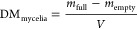 Figure 9
Peer Reviews
No public reviews on file for this paper yet. If you reviewed it on a platform where reviews are public (OpenReview, ICLR, NeurIPS, ICML), you can paste yours below so the community can read it here.
Videos
No videos yet. Explain this paper in a talk, walkthrough, or lecture? Add one.
Taxonomy
TopicsFungal Biology and Applications · Plant and Biological Electrophysiology Studies · Agriculture Sustainability and Environmental Impact