Lattice Engineering in Hydroxyapatite Enables Direct Photocatalytic Synthesis of C4 Products from CO2
Marc Arnau, Isabel Teixidó, Pau Turon, Carlos Alemán, Jordi Sans

TL;DR
This paper presents a new method using engineered hydroxyapatite to convert CO2 into C4 products efficiently under solar light.
Contribution
The study introduces vacancy-engineered hydroxyapatite with thermal polarization for direct CO2-to-C3+ conversion.
Findings
A 15% selectivity toward C3–C4 products was achieved under solar light and mild conditions.
Crystal lattice vacancies were identified as key to CO2 bond cleavage and product formation.
DFT and experimental methods confirmed the role of band gap trap states in photocatalytic activity.
Abstract
Amid the burst of carbon dioxide (CO2) capture and conversion technologies, research prioritizing industrially feasible catalysts is vital to minimize climate change effects. In the present work, permanently polarized hydroxyapatite-based biphasic systems have been strategically designed through vacancy engineering and a thermally stimulated polarization (TSP) process, achieving a 15% selectivity toward C3–C4 products through a single-step CO2 continuous-flow reaction (CO2-to-C3+) under solar light irradiation and mild reaction conditions. To elucidate the underlying catalytic mechanism, extensive experimental characterization has been performed in combination with theoretical density functional theory (DFT) calculations. More specifically, Raman spectroscopy, X-ray diffraction, and high-resolution transmission electron microscopy have been used for structural characterization, and…
Genes, proteins, chemicals, diseases, species, mutations and cell lines named across the full text — each resolved to its canonical identifier and authoritative record.
Click any figure to enlarge with its caption.
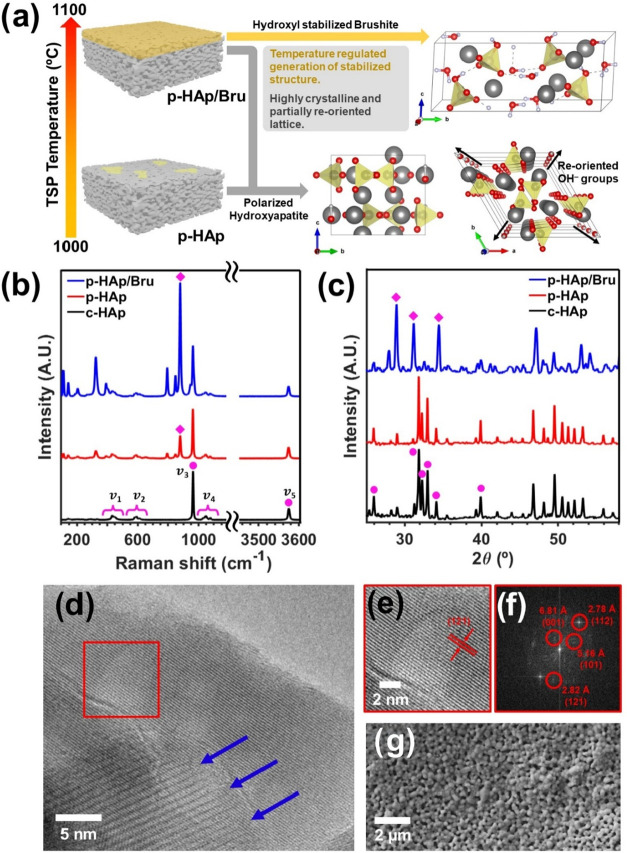 Figure 1
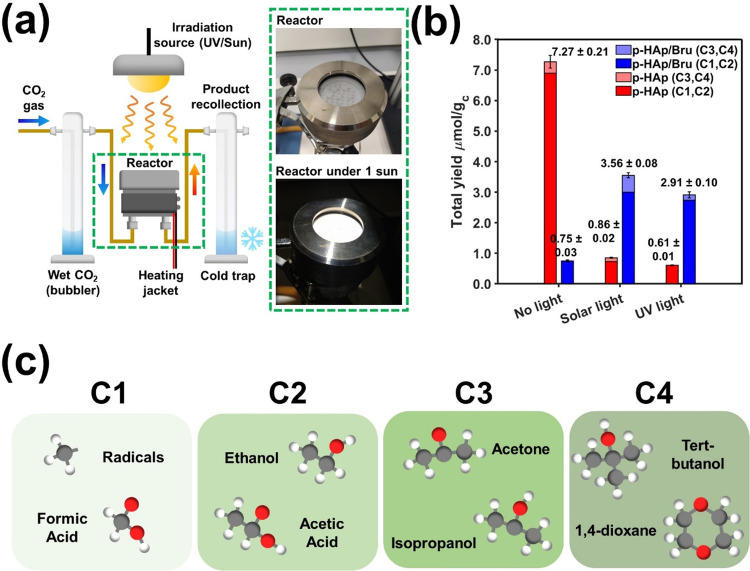 Figure 2
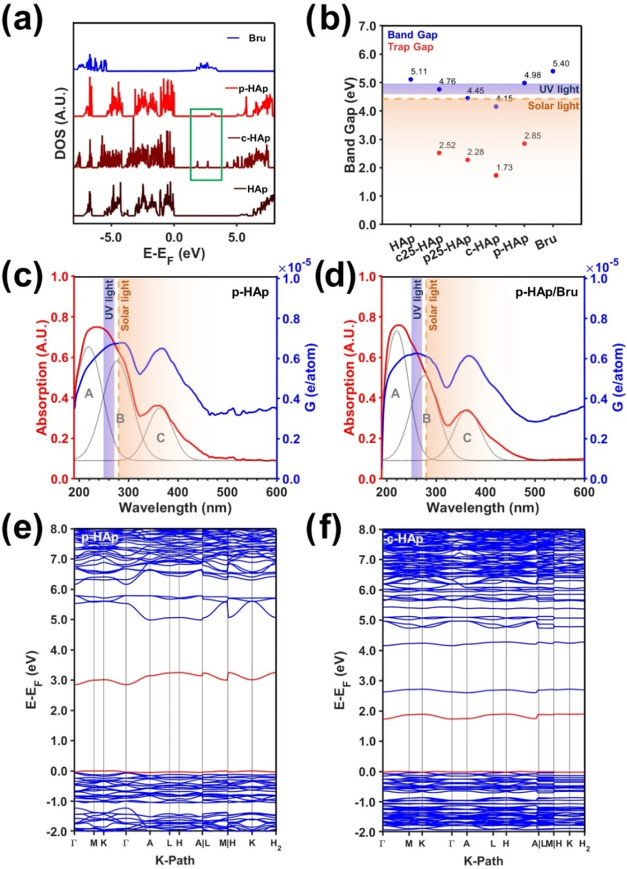 Figure 3
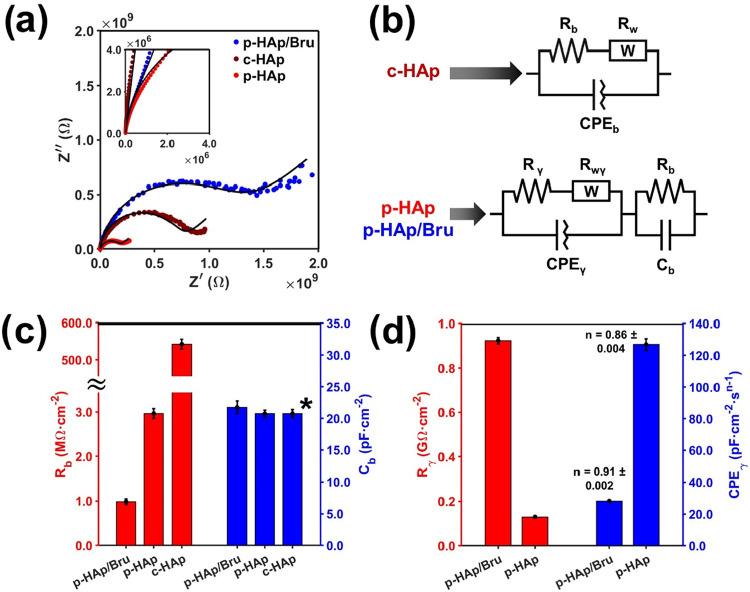 Figure 4
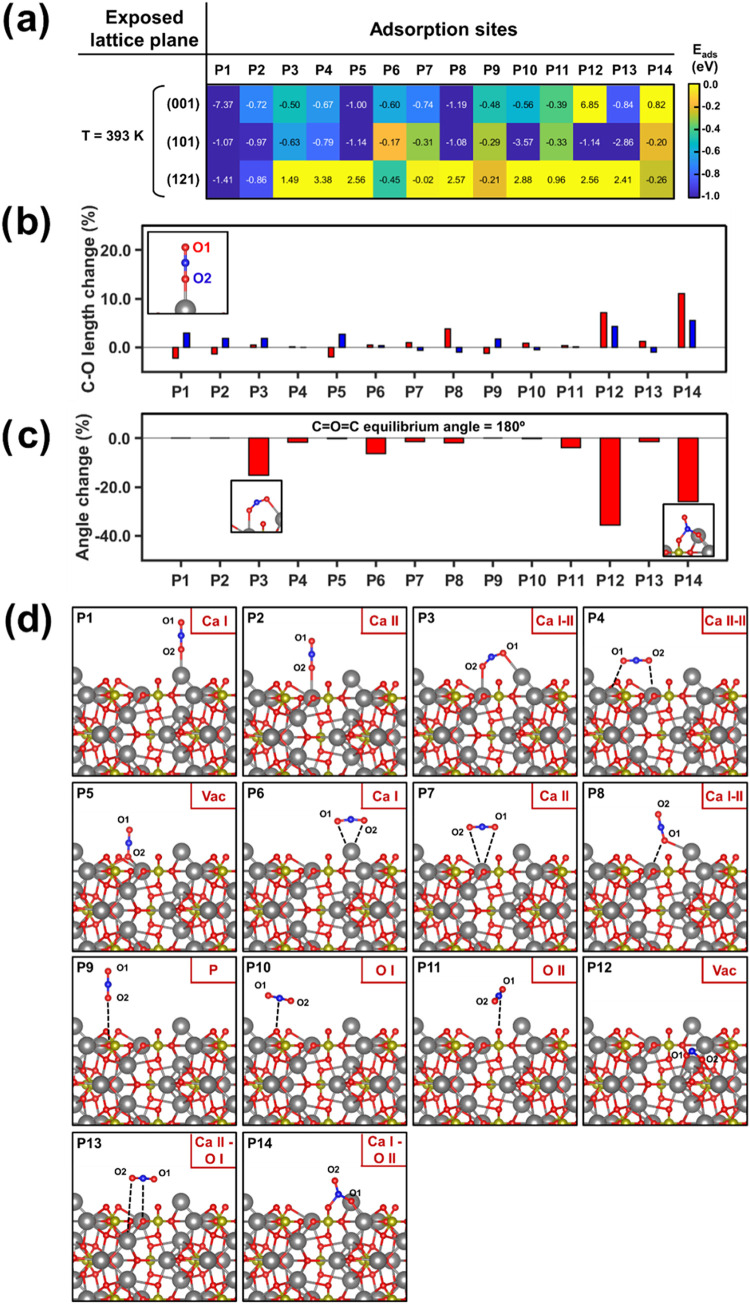 Figure 5
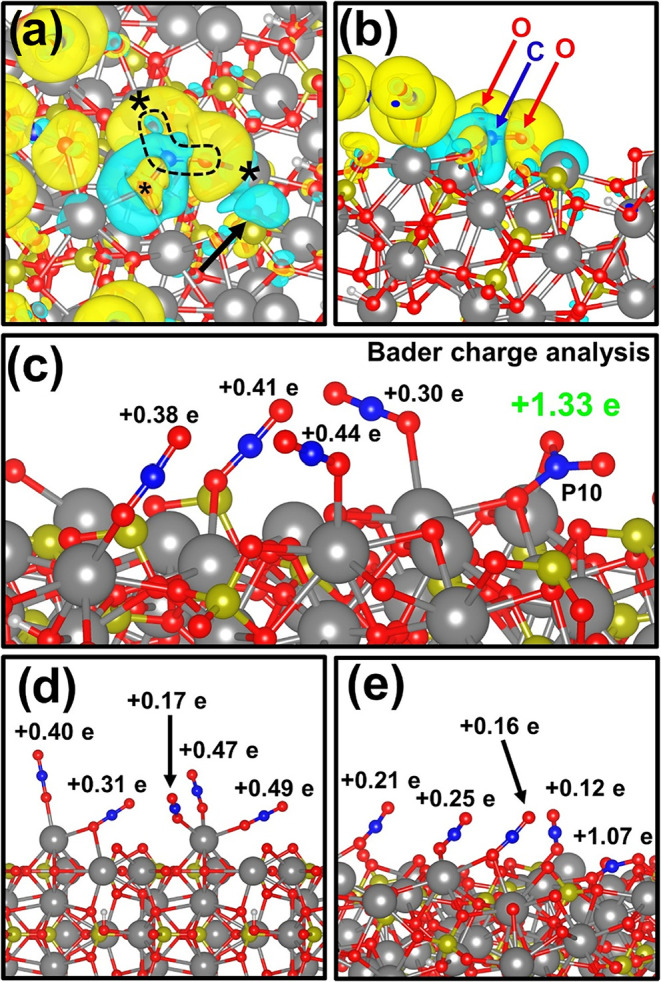 Figure 6
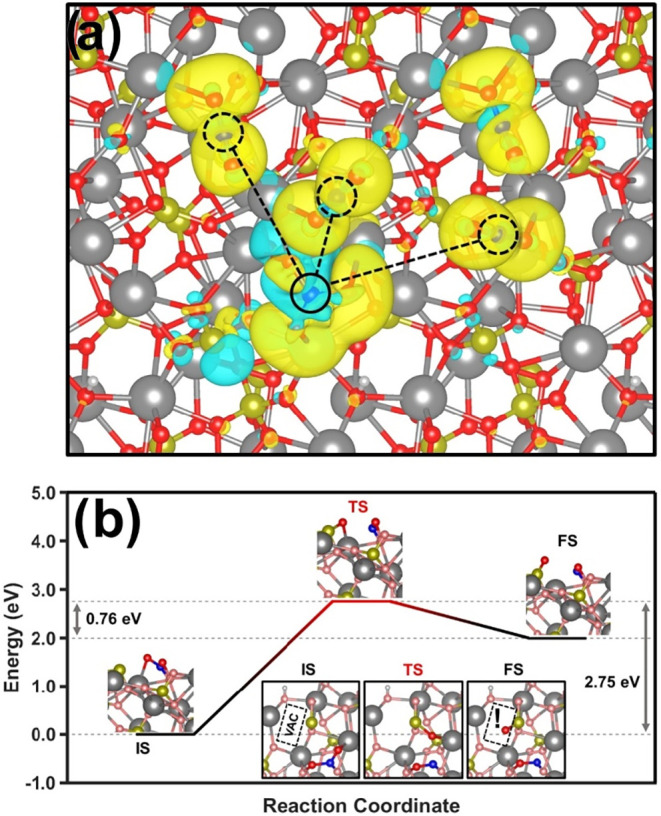 Figure 7
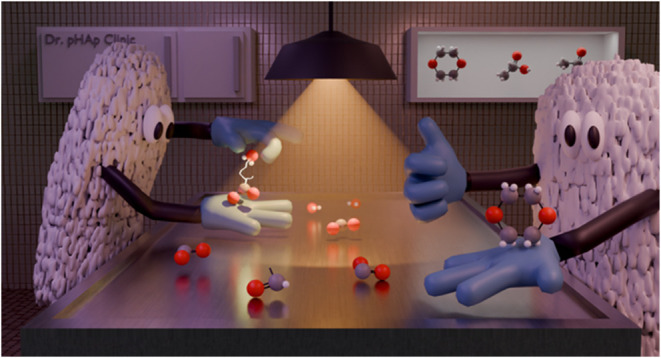 Figure 8
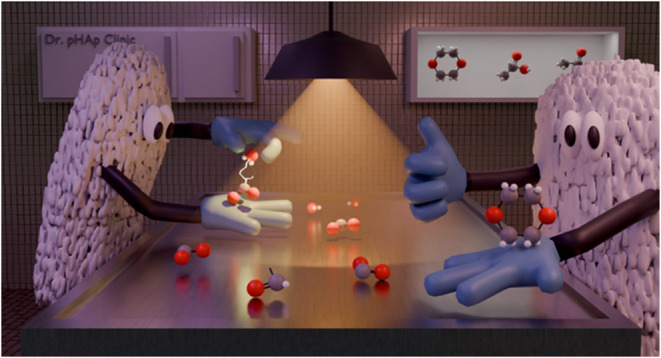 Figure 9
Peer Reviews
No public reviews on file for this paper yet. If you reviewed it on a platform where reviews are public (OpenReview, ICLR, NeurIPS, ICML), you can paste yours below so the community can read it here.
Videos
No videos yet. Explain this paper in a talk, walkthrough, or lecture? Add one.
Taxonomy
TopicsCO2 Reduction Techniques and Catalysts · Advanced Photocatalysis Techniques · Catalysts for Methane Reforming