Cardiac magnetic resonance imaging-large language model Meta AI: a finetuned large language model for identifying findings and associated attributes in cardiac magnetic resonance imaging reports
Michelle Z. Fang, Makiya Nakashima, Kailash Singh, Eileen Galvani, Xiaotan Sun, Sharmeen Sorathia, Kevin Dorocak, Deborah Kwon, Christopher Nguyen, David Chen

TL;DR
This paper introduces a fine-tuned large language model for automatically extracting cardiovascular findings and attributes from cardiac MRI reports, improving clinical data processing.
Contribution
A novel fine-tuned LLaMA model (CMR-LLaMA) that extracts 34 cardiovascular conditions and their attributes from CMR reports with high accuracy.
Findings
The model achieved an average F1 score of 0.85 for identifying cardiovascular conditions in CMR reports.
It demonstrated strong performance in extracting attributes like certainty and severity with average F1 scores of 0.97.
The model showed moderate accuracy in external validation with an average F1 score of 0.78 for condition mentions.
Abstract
Cardiac magnetic resonance imaging (CMR) studies contain a wealth of information on a patient’s cardiovascular status. The ability to extract this data from free-text reports could serve to automate clinical decision support tools and generate data for retrospective clinical knowledge discovery, and clinical operational purposes. Few studies have examined the automatic extraction of data from free-text CMR reports, and the existing studies that do have key limitations, including small sample size and disease-specific data extraction. Existing studies also fail to extract features associated with the cardiovascular conditions that reflect nuances in natural language, such as uncertainty, severity, subtype, and anatomical locations of the condition. The goal of this study was to build a broad named entity recognition model to automatically extract a broad variety of common CMR findings…
Genes, proteins, chemicals, diseases, species, mutations and cell lines named across the full text — each resolved to its canonical identifier and authoritative record.
Click any figure to enlarge with its caption.
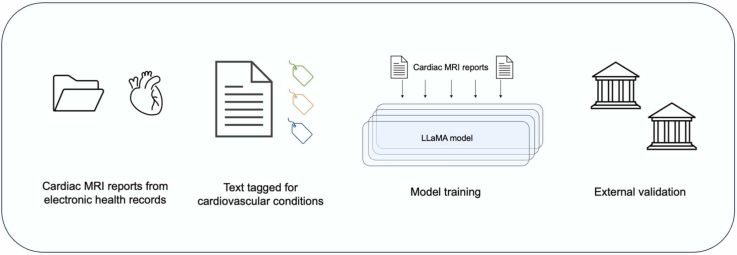 Figure 1
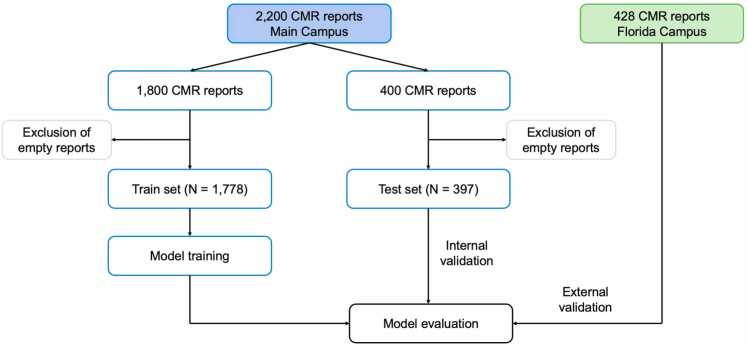 Figure 2
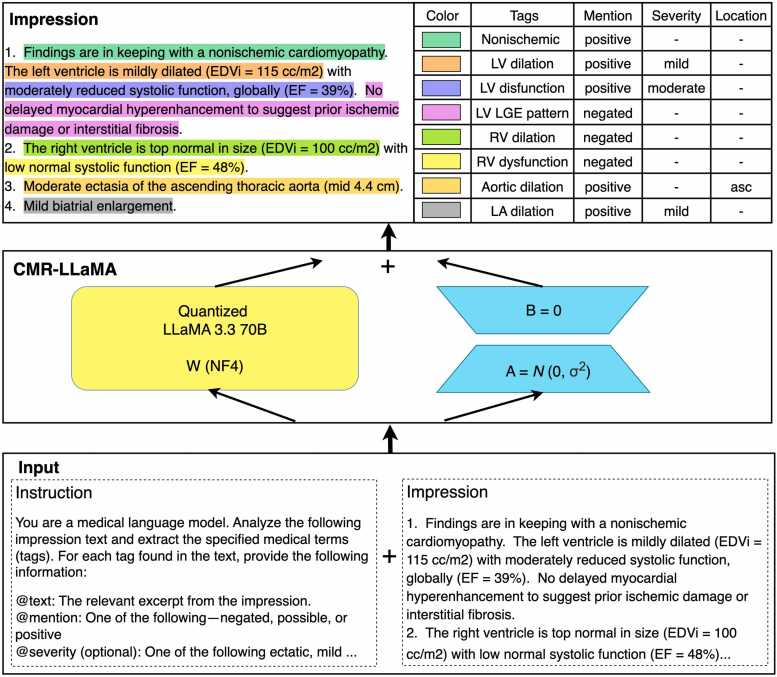 Figure 3
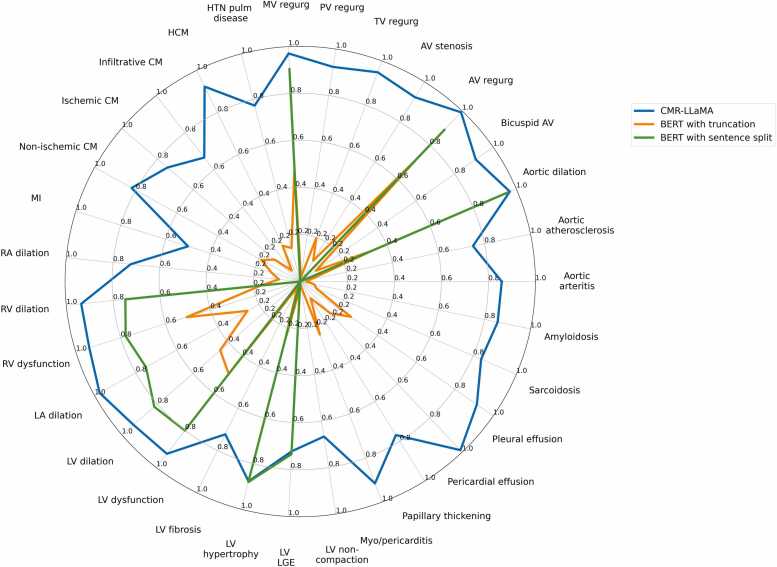 Figure 4
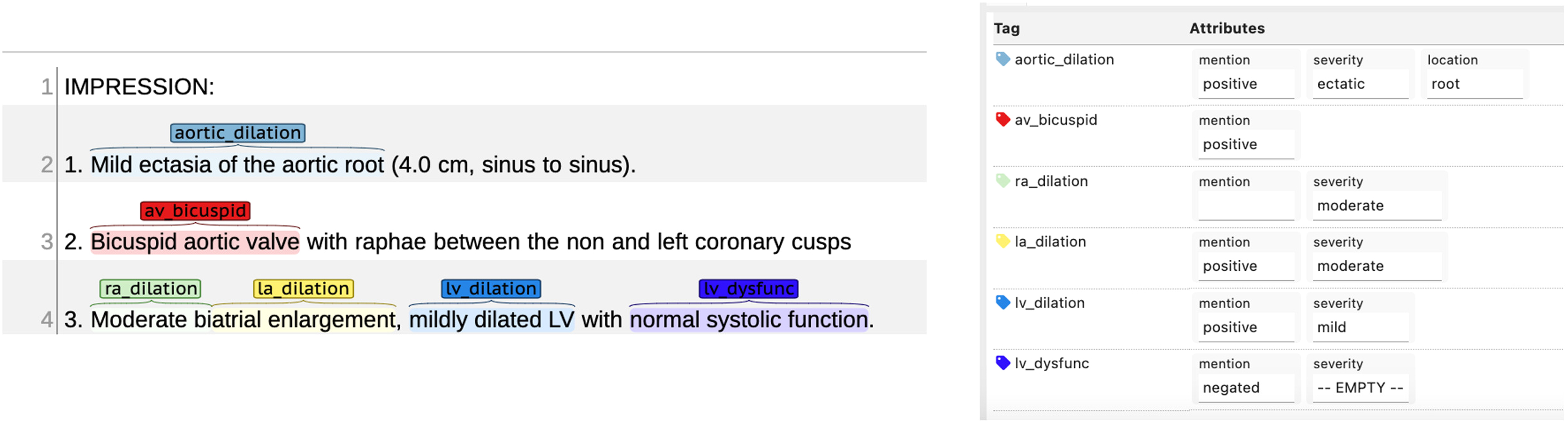 Figure 5
Peer Reviews
No public reviews on file for this paper yet. If you reviewed it on a platform where reviews are public (OpenReview, ICLR, NeurIPS, ICML), you can paste yours below so the community can read it here.
Videos
No videos yet. Explain this paper in a talk, walkthrough, or lecture? Add one.
Taxonomy
TopicsArtificial Intelligence in Healthcare and Education · Machine Learning in Healthcare · Explainable Artificial Intelligence (XAI)