Subphenotyping sepsis based on organ interaction trajectory using a deep temporal graph clustering model: a retrospective cohort study
Xue Feng, Lei Sun, Jintao Zhu, Xuan Yao, Zhongheng Zhang, Qing Pan, Luping Fang, Gangmin Ning

TL;DR
This study uses a new deep learning model to identify three distinct sepsis subtypes based on how organs interact over time, which could help personalize treatment and improve outcomes.
Contribution
A novel deep temporal graph clustering model is introduced to subphenotype sepsis based on dynamic organ interaction trajectories.
Findings
Three distinct sepsis phenotypes were identified with differing organ interaction patterns and mortality rates.
Phenotype A showed the lowest mortality and most synchronous organ improvement, while Phenotype C had the highest mortality.
A simplified classifier achieved high predictive performance for early phenotype classification at 4 hours post-diagnosis.
Abstract
Sepsis is a heterogeneous syndrome with varying degrees of multi-organ dysfunction. Identifying dynamic inter-organ interactions is critical for accurate sepsis subphenotyping and targeted therapy, yet remains unexplored. In this study, we aimed to quantify the dynamic trajectories of organ interactions to define sepsis phenotypes, supporting personalized treatment and clinical decision-making. We proposed a novel deep temporal graph clustering model to identify sepsis phenotypes by quantifying dynamic multi-organ interactions within 48 h post-diagnosis. The model was trained and validated on the Medical Information Mart for Intensive Care III (MIMIC-III) dataset (admissions from 2001 to 2012) and externally validated on the eICU Collaborative Research (eICU) dataset (admissions from 2014 to 2015). Its effectiveness was benchmarked against state-of-the-art clustering algorithms.…
Genes, proteins, chemicals, diseases, species, mutations and cell lines named across the full text — each resolved to its canonical identifier and authoritative record.
Click any figure to enlarge with its caption.
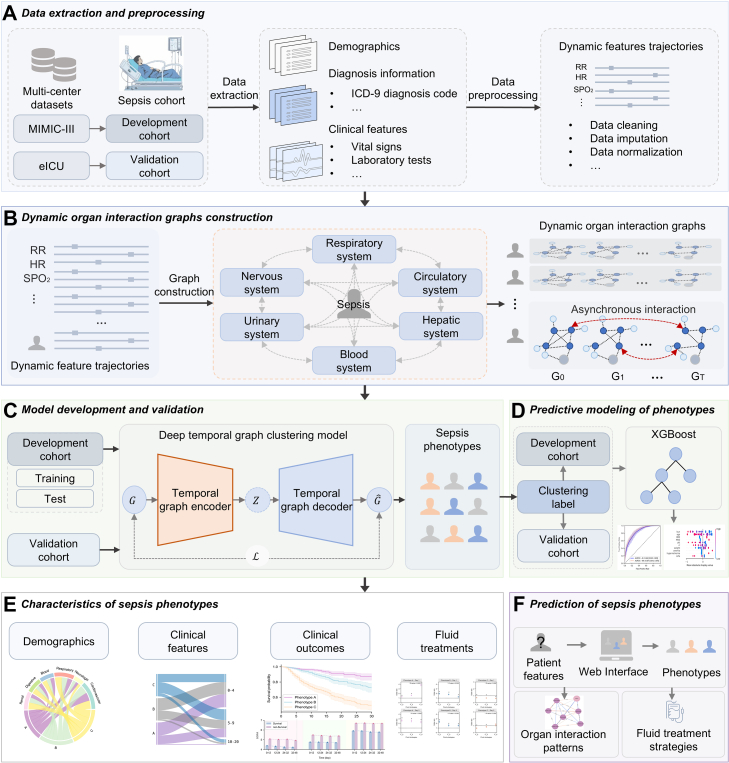 Figure 1
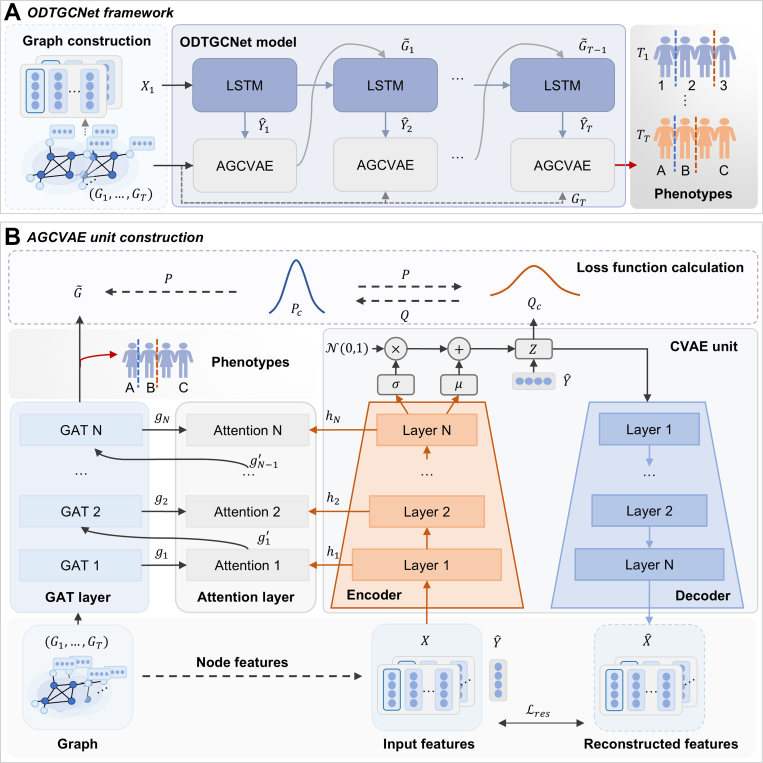 Figure 2
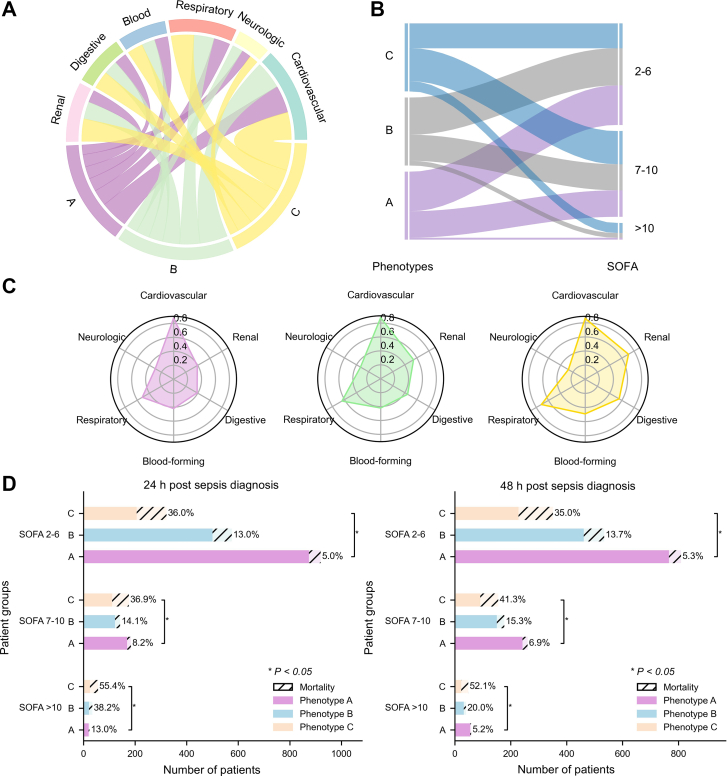 Figure 3
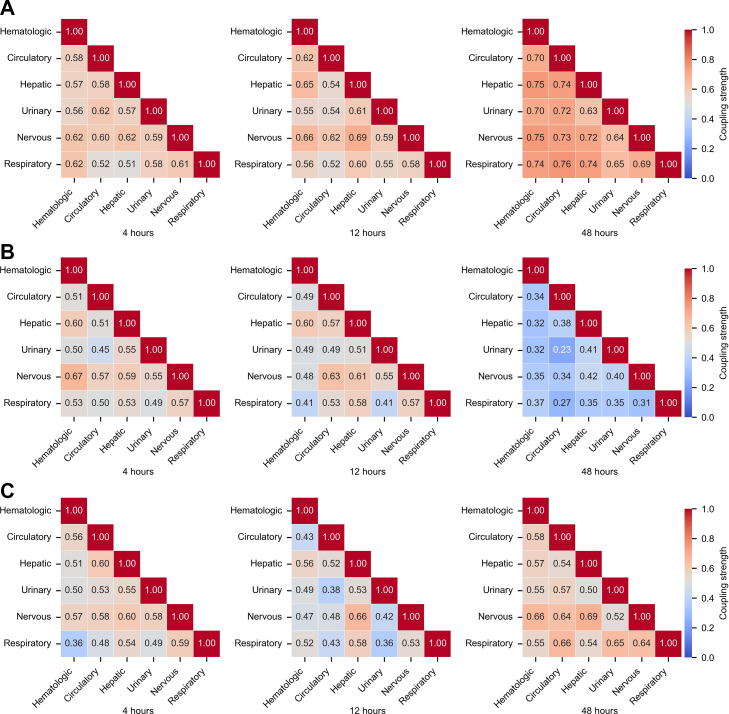 Figure 4
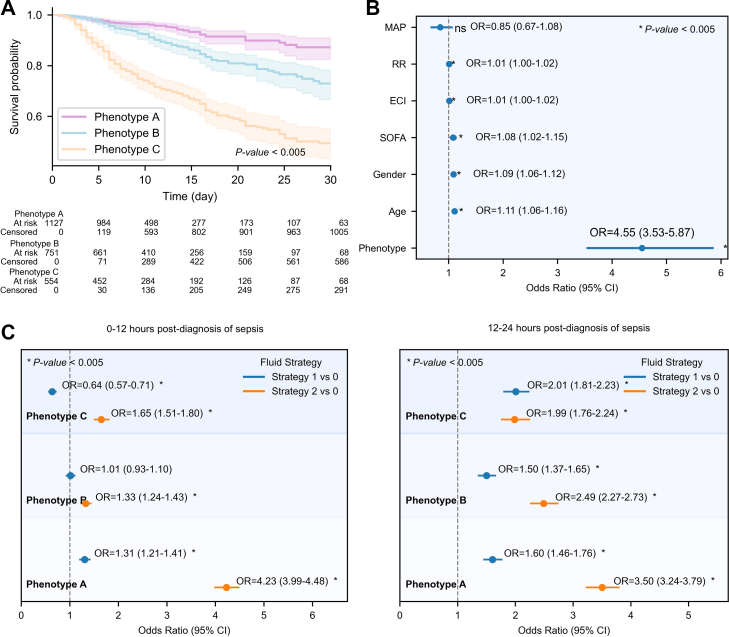 Figure 5
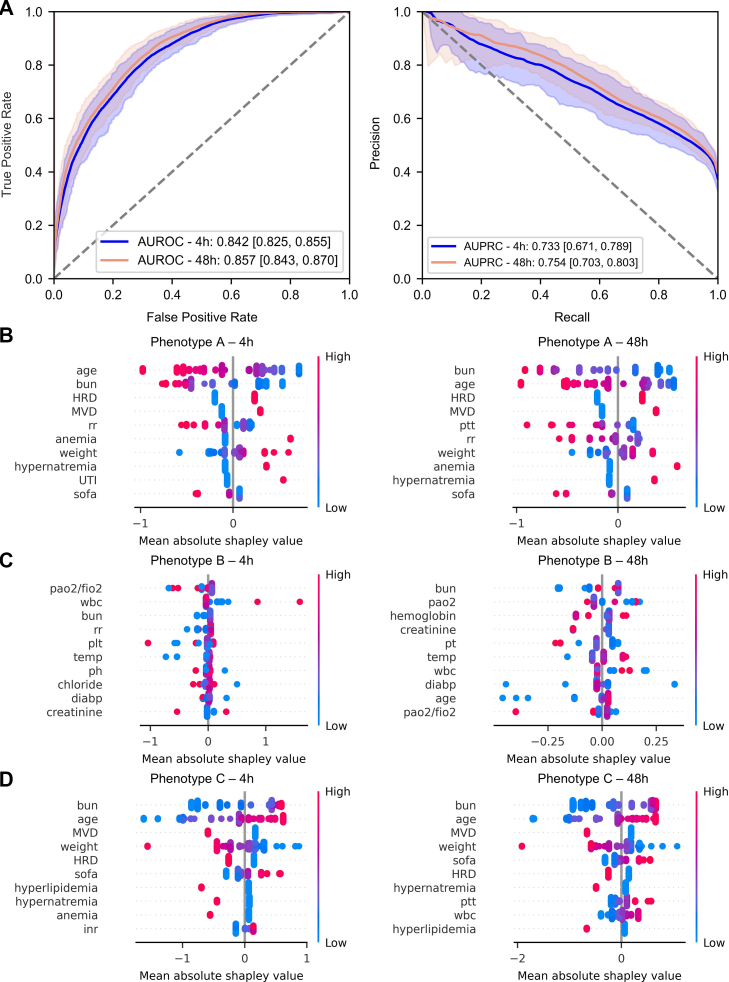 Figure 6
Peer Reviews
No public reviews on file for this paper yet. If you reviewed it on a platform where reviews are public (OpenReview, ICLR, NeurIPS, ICML), you can paste yours below so the community can read it here.
Videos
No videos yet. Explain this paper in a talk, walkthrough, or lecture? Add one.
Taxonomy
TopicsSepsis Diagnosis and Treatment · Machine Learning in Healthcare · Intensive Care Unit Cognitive Disorders