Tripartite hydrogen-bonding as a driving force for high-concentration cyclization of poly(l-lactide)
Sébastien Moins, Alexandre Mignot, Céline Henoumont, Sophie Laurent, Philippe Leclère, Olivier Coulembier

TL;DR
A new method uses hydrogen bonding to efficiently create large cyclic polylactide molecules under practical conditions.
Contribution
A tripartite hydrogen-bonding complex enables high-concentration cyclization of poly(l-lactide) with practical synthetic conditions.
Findings
Cyclic PLLA with Mn ≈ 26,000 g mol⁻¹ was achieved at 0.5 M concentration.
Nanorings with diameters matching expected chain lengths were observed via SPM imaging.
Intramolecular transesterification at a benzylic ester triggers ring closure efficiently.
Abstract
A three-step strategy enables efficient cyclization of high-Mn PLLA at 0.5 M. Key to success is a persistent tripartite complex driven by hydrogen bonding and ion pairing. Selective intramolecular transesterification at a benzylic ester triggers ring closure, affording cyclic PLLA (Mn ≈ 26 000 g mol−1) under synthetically practical conditions. SPM imaging reveals nanorings with diameters consistent with the expected contour length of cyclic PLLA chains. A three-step strategy enables efficient cyclization of high-Mn PLLA at 0.5 M.
Genes, proteins, chemicals, diseases, species, mutations and cell lines named across the full text — each resolved to its canonical identifier and authoritative record.
Click any figure to enlarge with its caption.
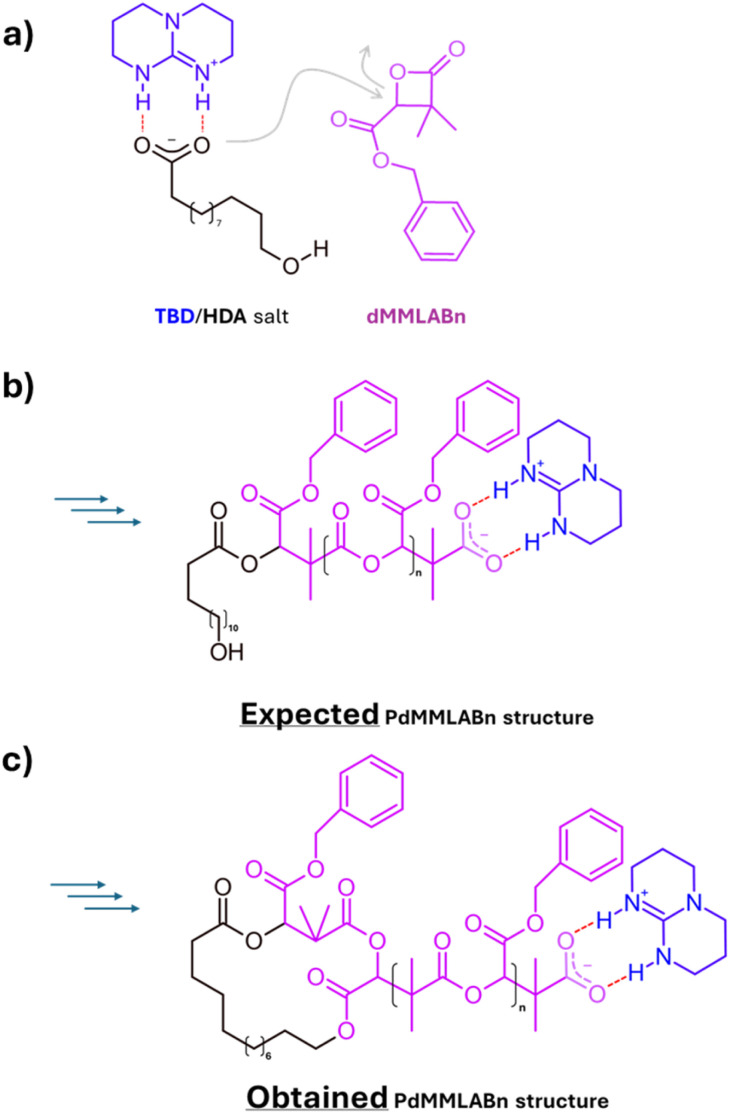 Figure 1
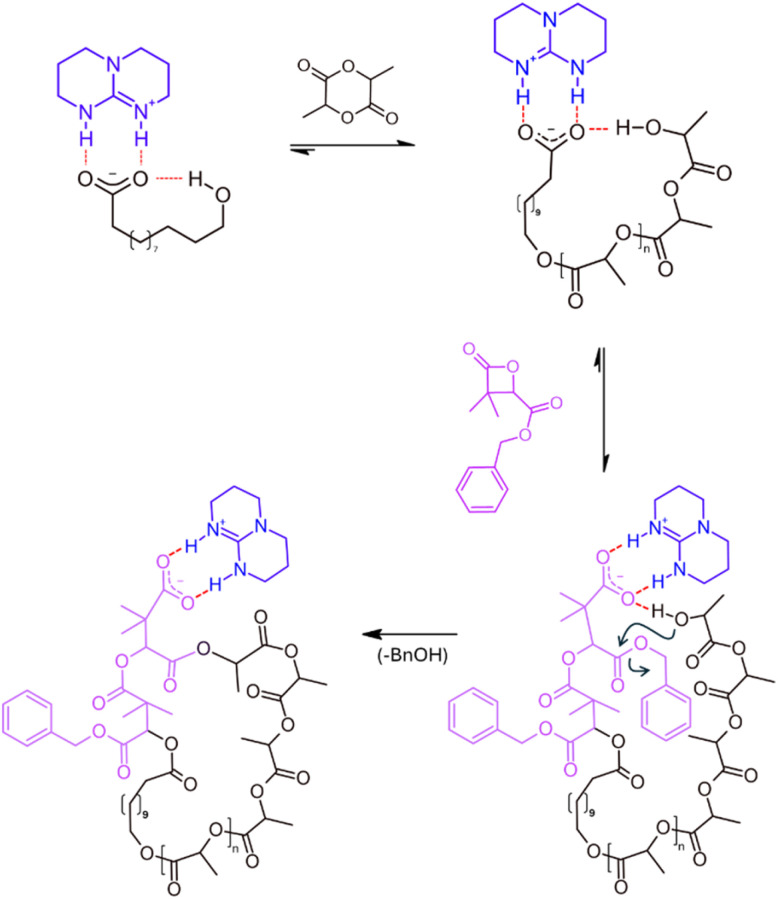 Figure 2
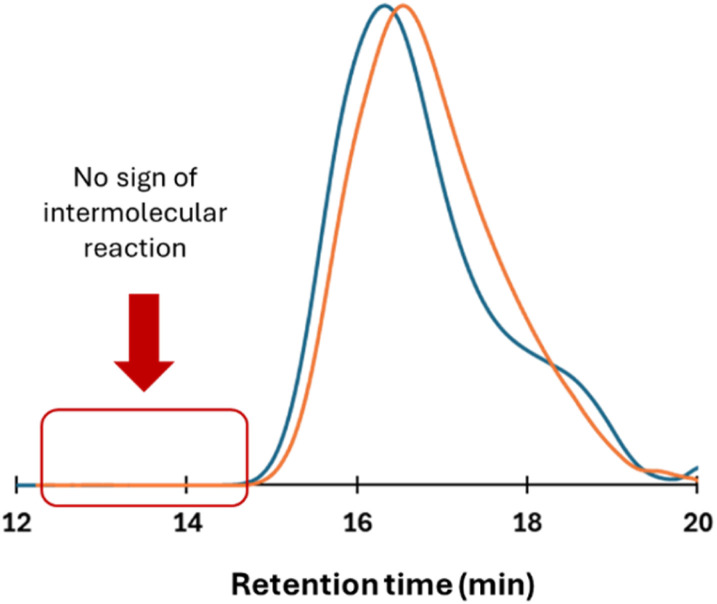 Figure 3
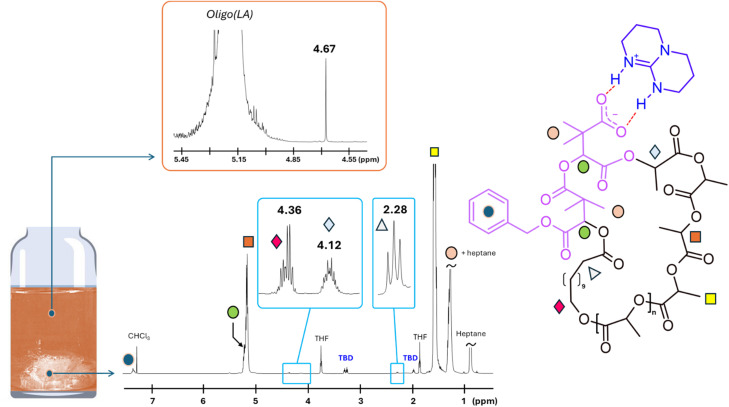 Figure 4
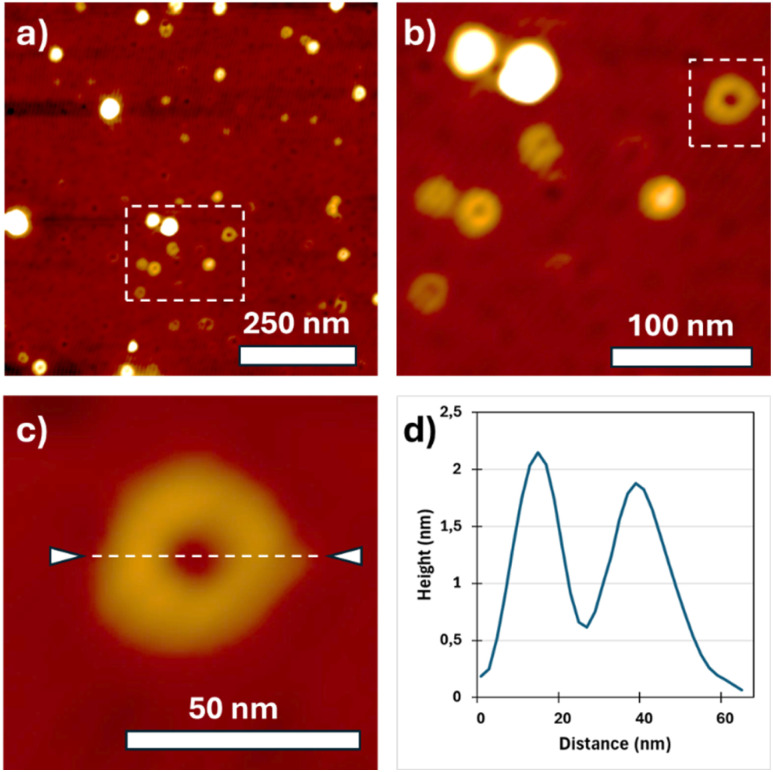 Figure 5
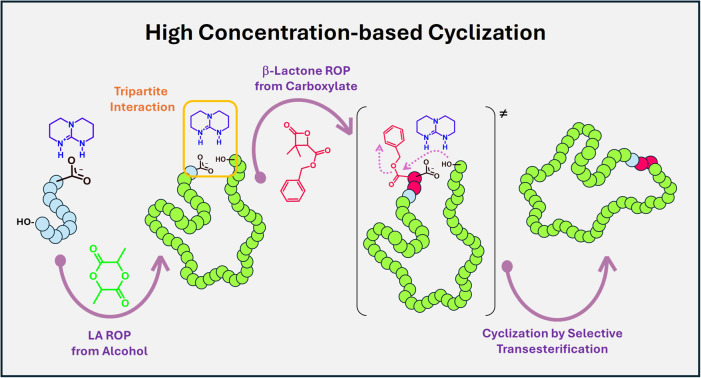 Figure 6
Peer Reviews
No public reviews on file for this paper yet. If you reviewed it on a platform where reviews are public (OpenReview, ICLR, NeurIPS, ICML), you can paste yours below so the community can read it here.
Videos
No videos yet. Explain this paper in a talk, walkthrough, or lecture? Add one.
Taxonomy
Topicsbiodegradable polymer synthesis and properties · Synthetic Organic Chemistry Methods · Enzyme Catalysis and Immobilization