A Novel In‐Cell ELISA With Superior Sensitivity and Specificity for the Detection of African Swine Fever Virus‐Specific IgM and IgG Antibodies
Ping Wu, Aric J. McDaniel, Yelitza Y. Rodríguez, Vivian O’Donnell, Wei Jia

TL;DR
A new in-cell ELISA test was developed to more accurately detect antibodies against African swine fever virus, improving early detection and reducing false negatives.
Contribution
The novel in-cell ELISA (icELISA) offers superior sensitivity and specificity for detecting both IgM and IgG antibodies against ASFV.
Findings
The icELISA achieved 99.46% analytical sensitivity and 99.43% analytical specificity with an optimized cutoff S/P ratio of 47%.
The icELISA detected 18 more positive samples than the blocking ELISA-IPT combination, due to its ability to detect IgM antibodies.
The icELISA outperforms existing methods in early detection of ASFV, especially when only IgM antibodies are present.
Abstract
African swine fever (ASF), a high‐profile transboundary animal disease caused by ASF virus (ASFV), imposes a devastating impact on the global swine industry. Given that vaccines are still under development, including field evaluations, early detection of ASFV is crucial for effective disease control and mitigation. Although PCR is the primary viral detection method of acute or subacute ASFV infections, antibody detection plays a unique role in detecting low‐virulent ASFV infection, identifying recovered animals, and tracking viral transmission. ELISA for ASFV antibody detection is commonly used for initial serological screening. To avoid false positive results, the World Organisation for Animal Health (WOAH) recommends using a second serologic method, such as the indirect immunofluorescence assay (IFA), indirect immunoperoxidase test (IPT), or immunoblot test, to confirm the…
Genes, proteins, chemicals, diseases, species, mutations and cell lines named across the full text — each resolved to its canonical identifier and authoritative record.
Click any figure to enlarge with its caption.
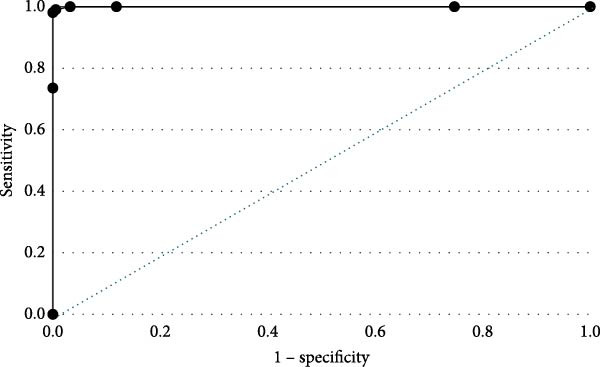 Figure 1
 Figure 2
 Figure 3
 Figure 4
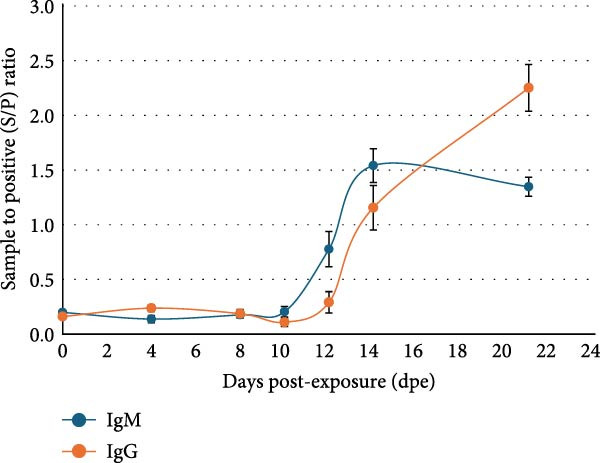 Figure 5
 Figure 6
Peer Reviews
No public reviews on file for this paper yet. If you reviewed it on a platform where reviews are public (OpenReview, ICLR, NeurIPS, ICML), you can paste yours below so the community can read it here.
Videos
No videos yet. Explain this paper in a talk, walkthrough, or lecture? Add one.
Taxonomy
TopicsAnimal Disease Management and Epidemiology · Animal Virus Infections Studies · Vector-Borne Animal Diseases