Continuous sleep tracking in digital CBT-I: Efficacy and insights from a naturalistic-environment study
Alexandra Hinterberger, Esther-Sevil Eigl, Aniko Szeko, Pavlos I Topalidis, Manuel Schabus

TL;DR
A digital CBT-I program with continuous sleep tracking improved insomnia and well-being in a real-world study over eight weeks.
Contribution
The study introduces a novel app-based CBT-I program with continuous sleep tracking in a naturalistic setting.
Findings
Insomnia prevalence decreased from 92% to 67% after the intervention.
Subjective sleep quality and psychological strain improved significantly.
Objective data showed trends toward reduced total sleep time and light sleep.
Abstract
Insomnia is highly prevalent, yet few receive cognitive behavioral therapy for insomnia (CBT-I) due to limited treatment availability. Unguided digital CBT-I offers an accessible alternative to traditional face-to-face therapy. Research in this area often relies on either subjective sleep measurements (e.g., sleep diaries) or controlled single-night lab studies. This study examines the effectiveness of a novel app-based CBT-I program combining therapy with continuous subjective and objective sleep tracking via a heart rate (HR) sensor in a naturalistic setting. Eighty-eight participants (56.8 % female) aged 20–85 years (M = 49.9 ± 13.10) completed an 8-week app-based CBT-I intervention with continuous sleep tracking (sleep diaries and HR sensor), followed by a 2-week follow-up. Assessments at baseline, post-intervention, and follow-up included sleep related problems, psychological…
Genes, proteins, chemicals, diseases, species, mutations and cell lines named across the full text — each resolved to its canonical identifier and authoritative record.
Click any figure to enlarge with its caption.
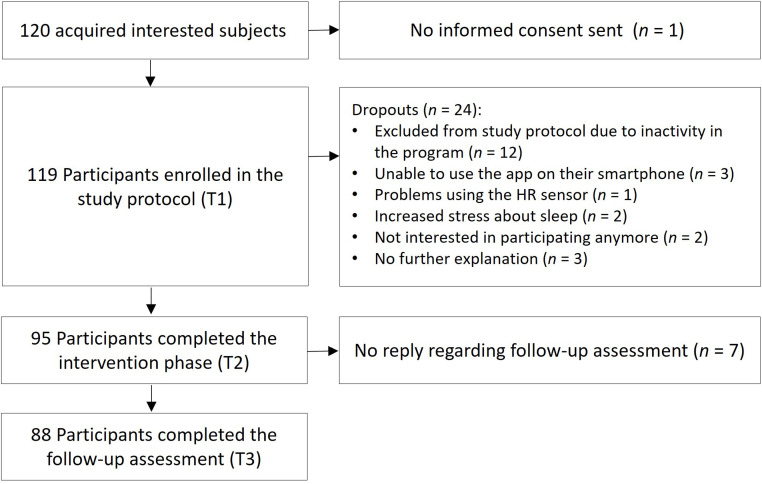 Figure 1
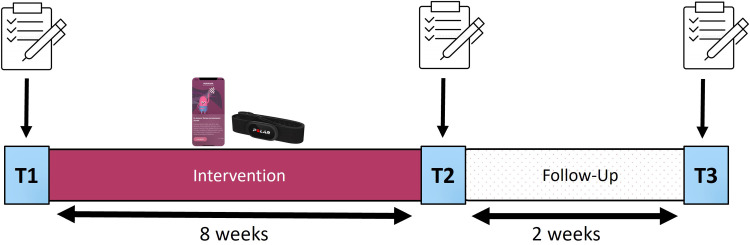 Figure 2
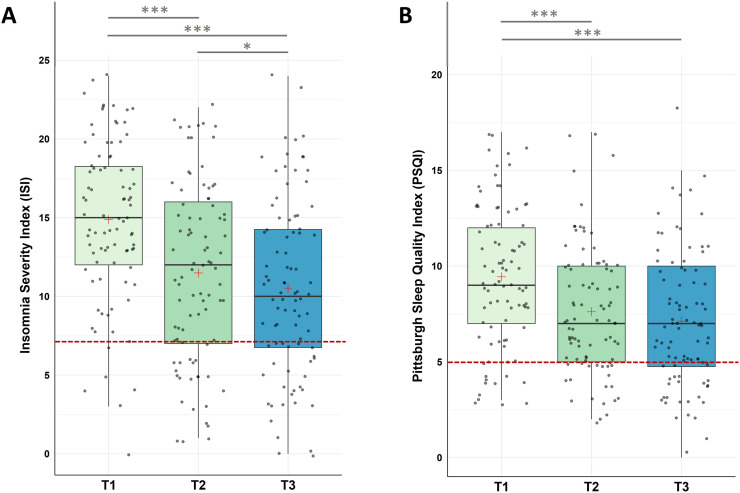 Figure 3
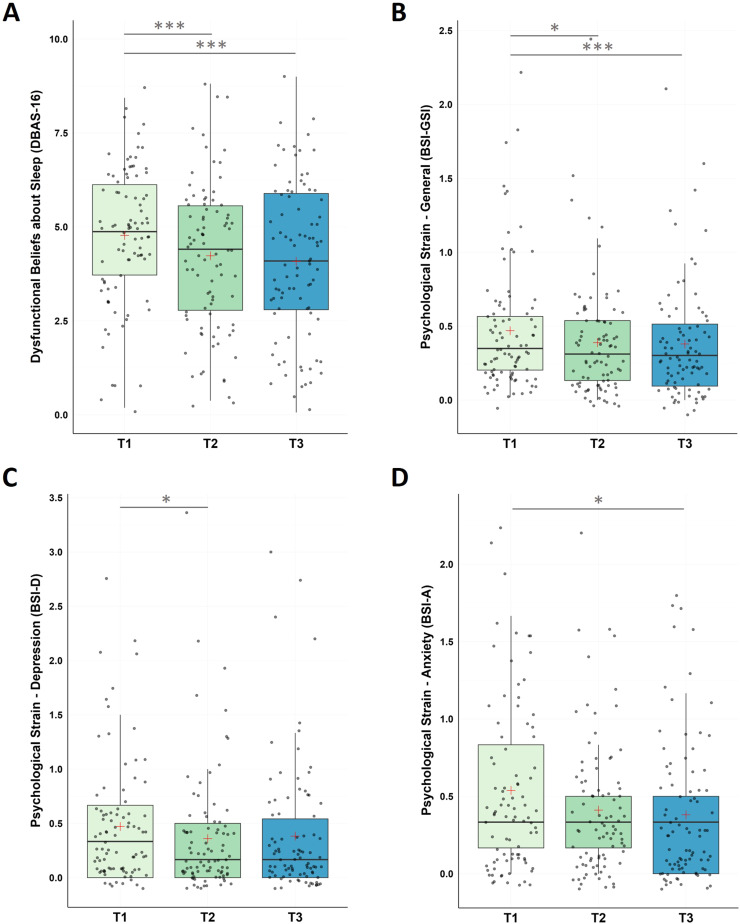 Figure 4
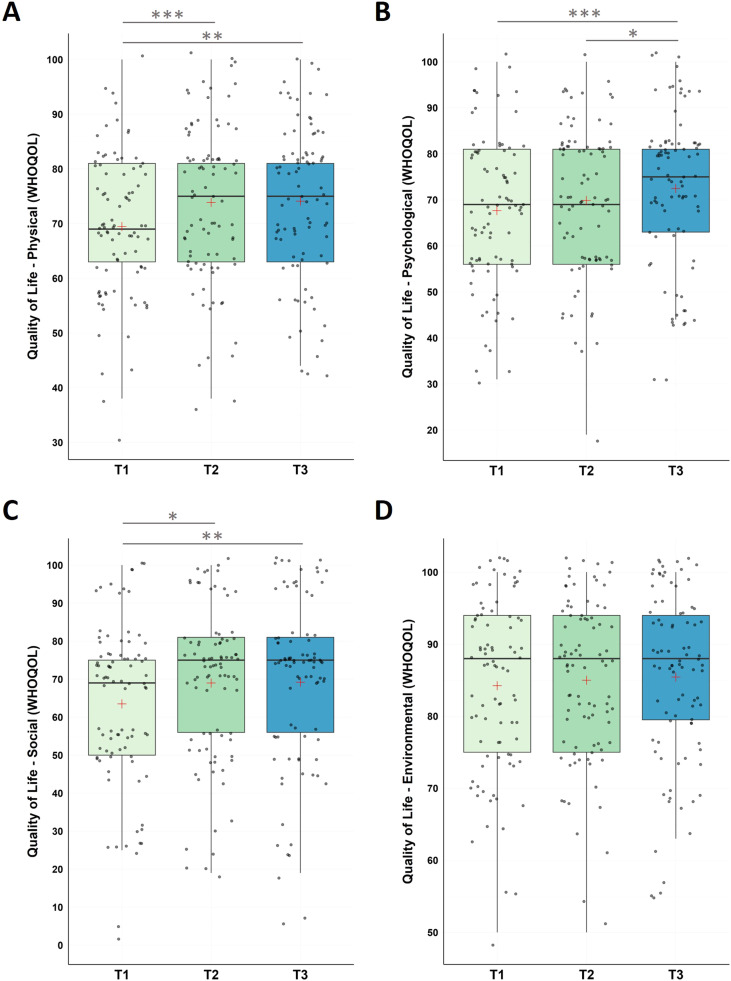 Figure 5
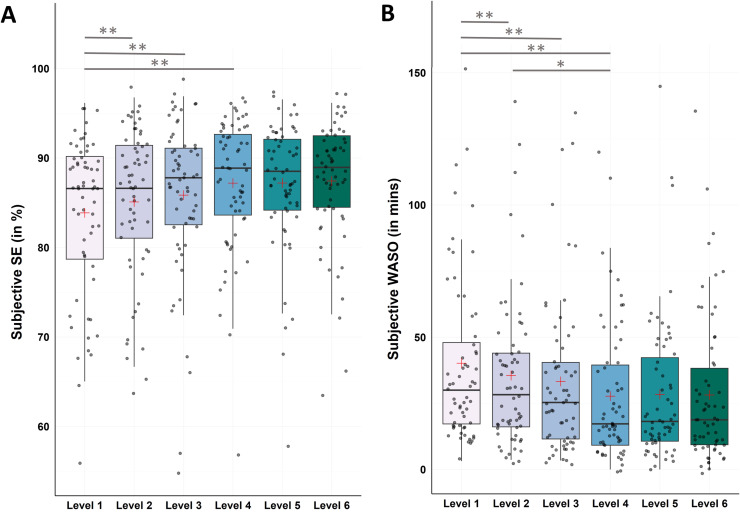 Figure 6
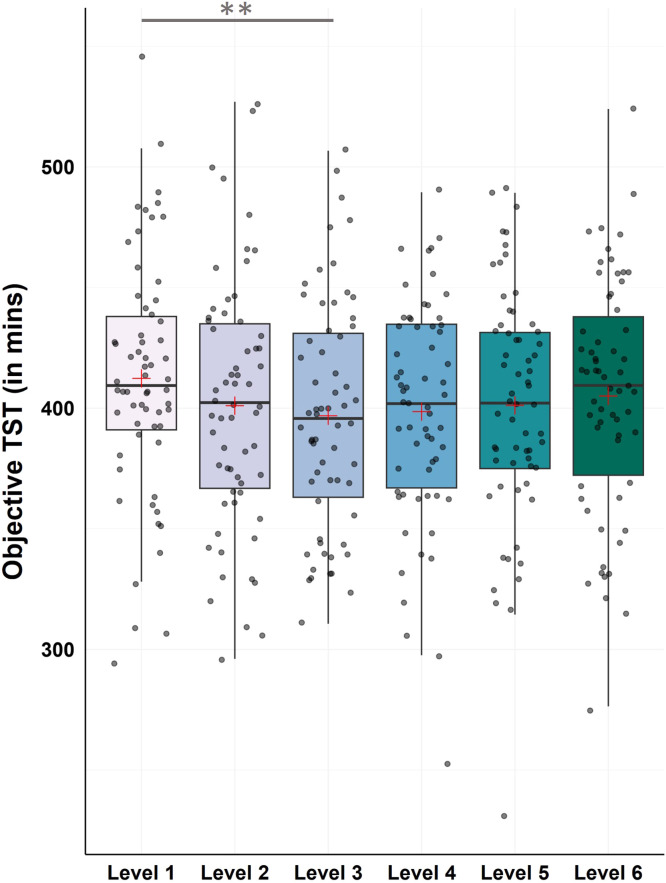 Figure 7
Peer Reviews
No public reviews on file for this paper yet. If you reviewed it on a platform where reviews are public (OpenReview, ICLR, NeurIPS, ICML), you can paste yours below so the community can read it here.
Videos
No videos yet. Explain this paper in a talk, walkthrough, or lecture? Add one.
Taxonomy
TopicsDigital Mental Health Interventions · Sleep and related disorders · Innovative Human-Technology Interaction