Unraveling the Causal Linkages of RBP7 and SCGB3A1 on Pelvic Organ Prolapse: Multifaceted Insights From Genome‐Wide Mendelian Randomization, Single‐Cell RNA Analysis, and Network Pharmacology
Ying Yang, Weiyuan Xing, Xiaoqin Wang, Qiran Sun, Ningning Hu, Liwen Zhang, Fuyun Dong, Rujun Chen

TL;DR
This study explores how two genes, RBP7 and SCGB3A1, influence pelvic organ prolapse risk using genetic and cell-level data, and identifies potential drug targets.
Contribution
The study integrates Mendelian randomization, single-cell RNA analysis, and network pharmacology to uncover causal gene links and drug candidates for pelvic organ prolapse.
Findings
RBP7 high expression increases pelvic organ prolapse risk (OR 1.262, p = 0.002).
SCGB3A1 high expression decreases pelvic organ prolapse risk (OR 0.907, p = 0.008).
Fibroblast gene expression changes in collagen metabolism are significant for POP.
Abstract
Pelvic organ prolapse (POP) is a common pelvic floor disorder in middle‐aged and elderly women. Its pathophysiology is complex, involving weakened pelvic floor muscles and connective tissues. There is a need to explore its underlying pathogenesis and develop effective treatments. We integrated single‐cell sequencing (scRNA‐seq) data analysis with Mendelian randomization (MR) analysis. scRNA‐seq data of vaginal mucosal tissue were obtained from individuals with and without pelvic organ prolapse (POP); we then performed dimensionality reduction and cell subset identification. MR was conducted using GWAS summary statistics and eQTL data, following STROBE‐MR guidelines. We also performed protein‐protein interaction analysis, functional enrichment analysis, drug prediction, and molecular docking. We identified RBP7 as a POP risk factor and SCGB3A1 as a protective factor. RBP7 high…
Genes, proteins, chemicals, diseases, species, mutations and cell lines named across the full text — each resolved to its canonical identifier and authoritative record.
Click any figure to enlarge with its caption.
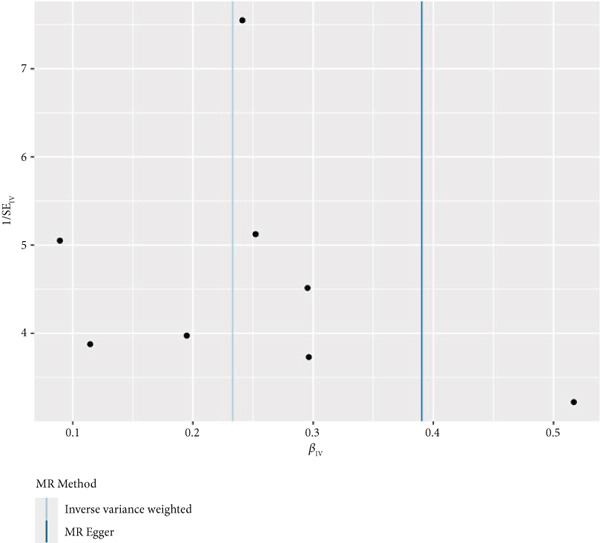 Figure 1
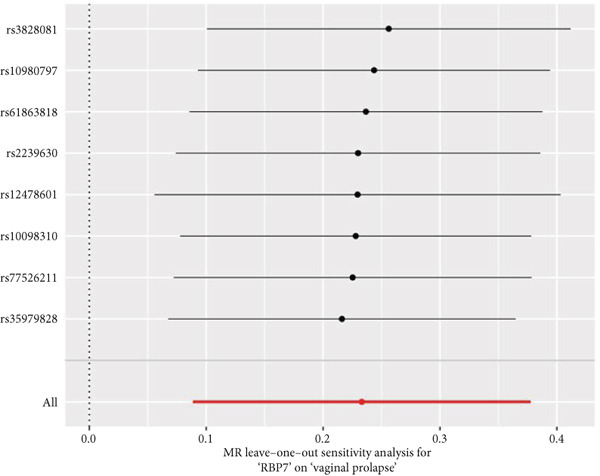 Figure 2
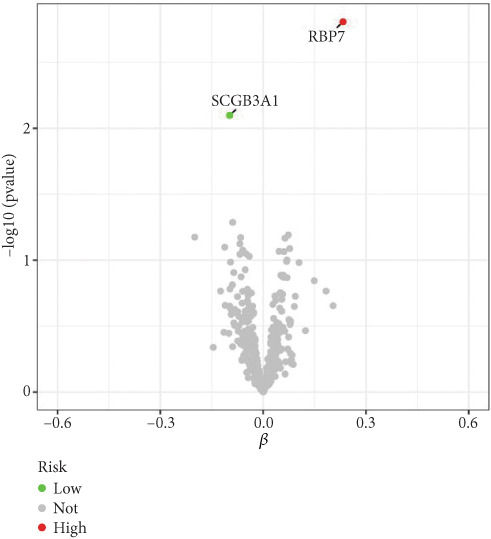 Figure 3
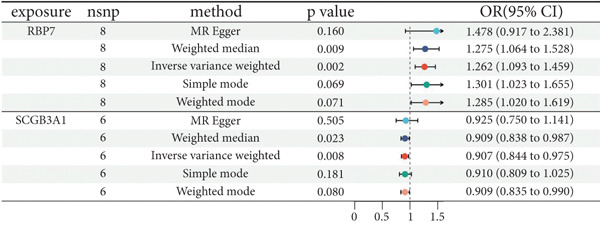 Figure 4
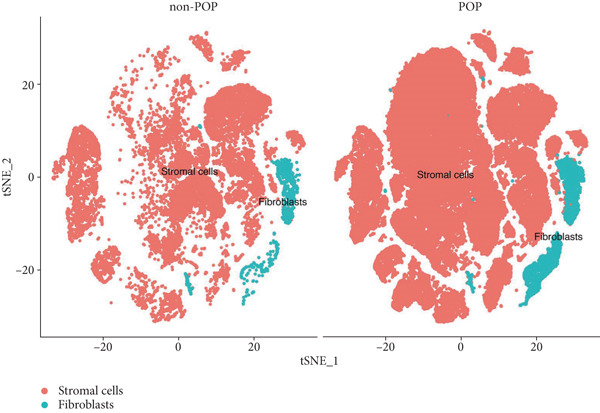 Figure 5
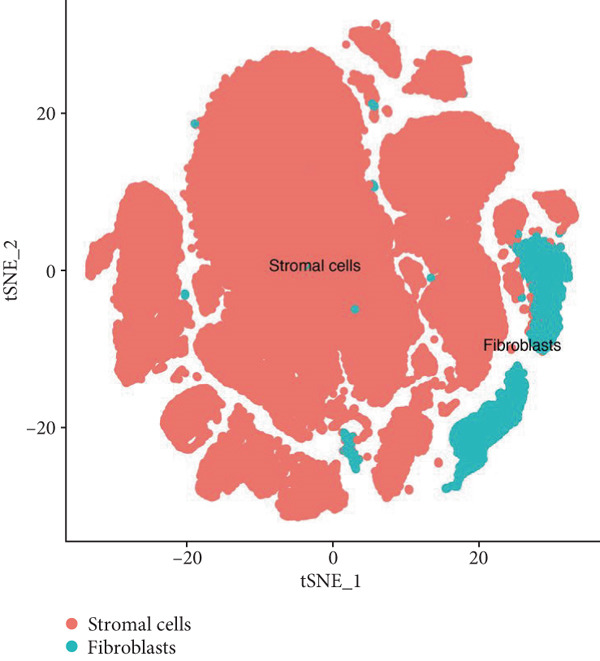 Figure 6
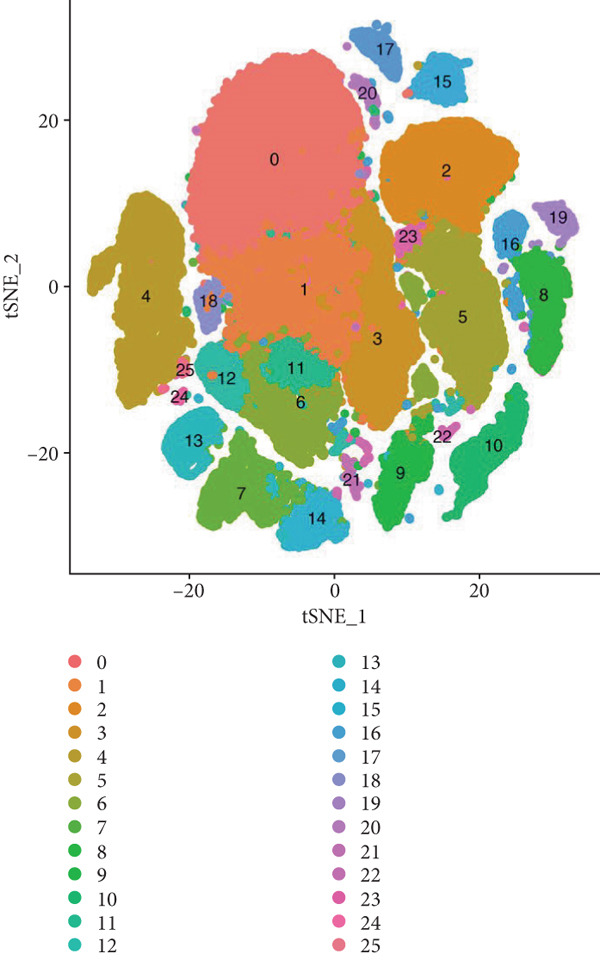 Figure 7
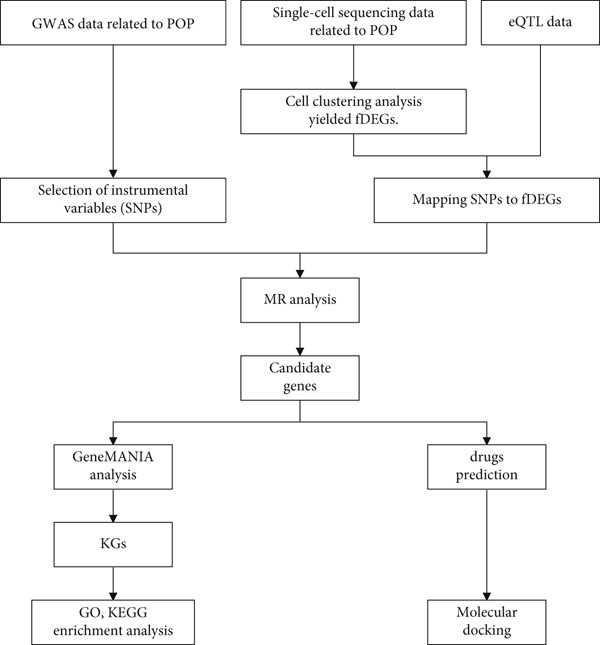 Figure 8
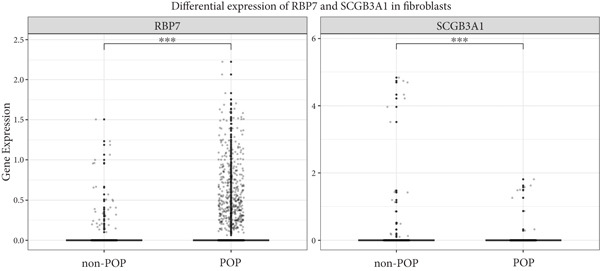 Figure 9
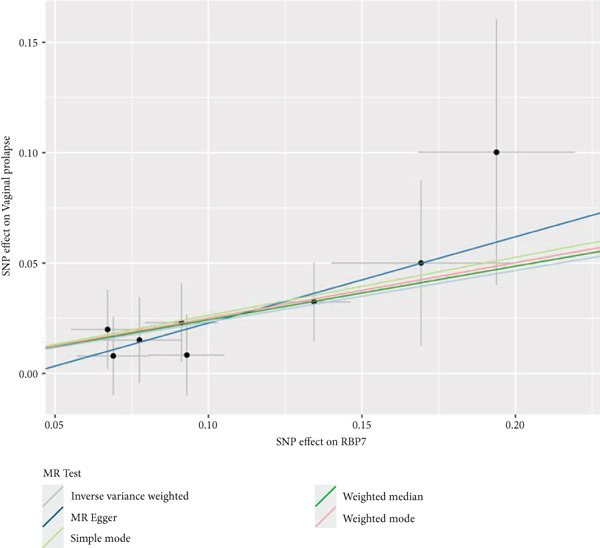 Figure 10
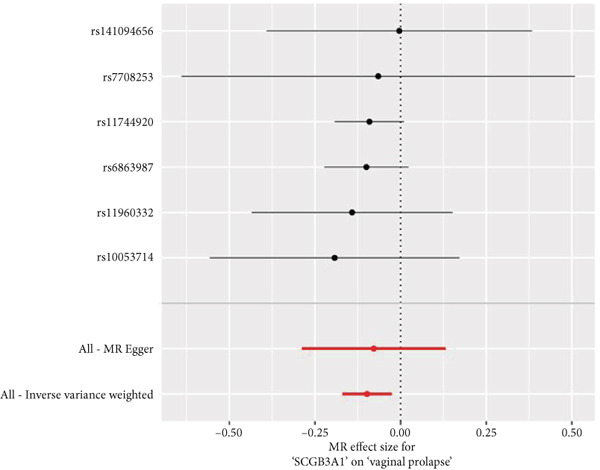 Figure 11
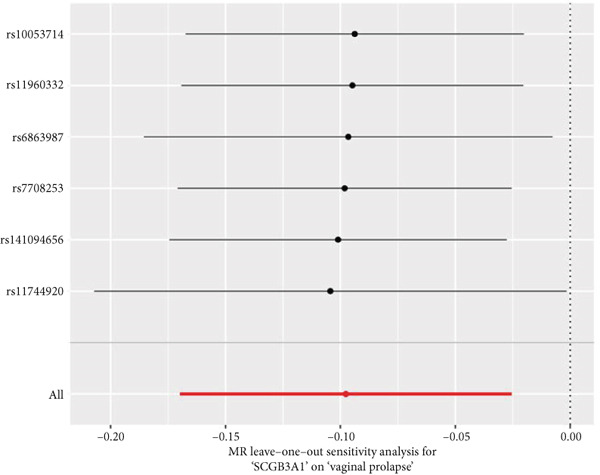 Figure 12
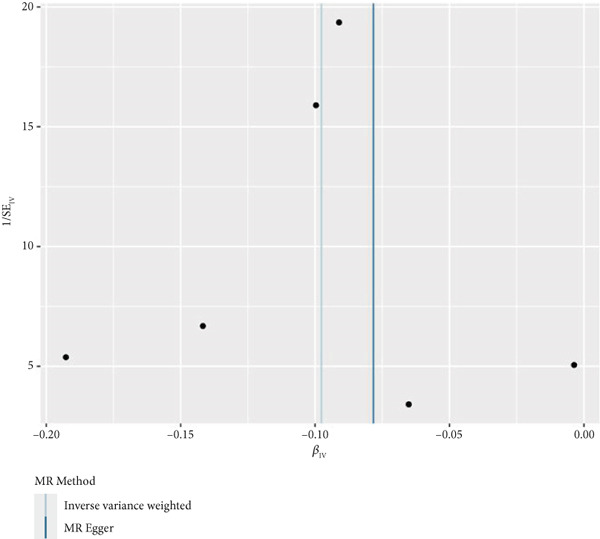 Figure 13
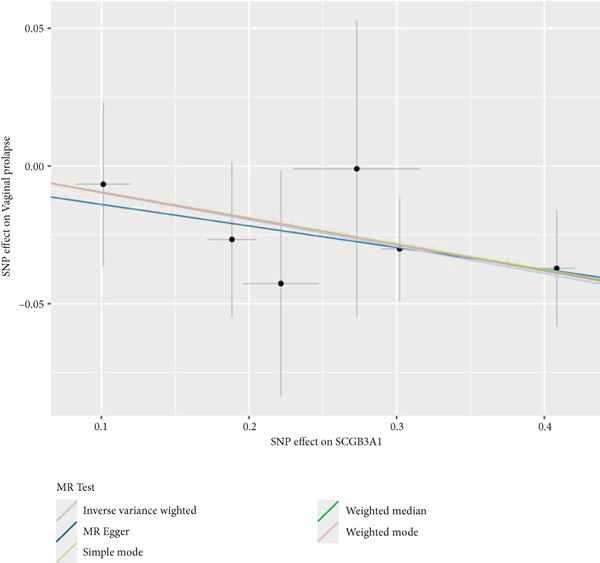 Figure 14
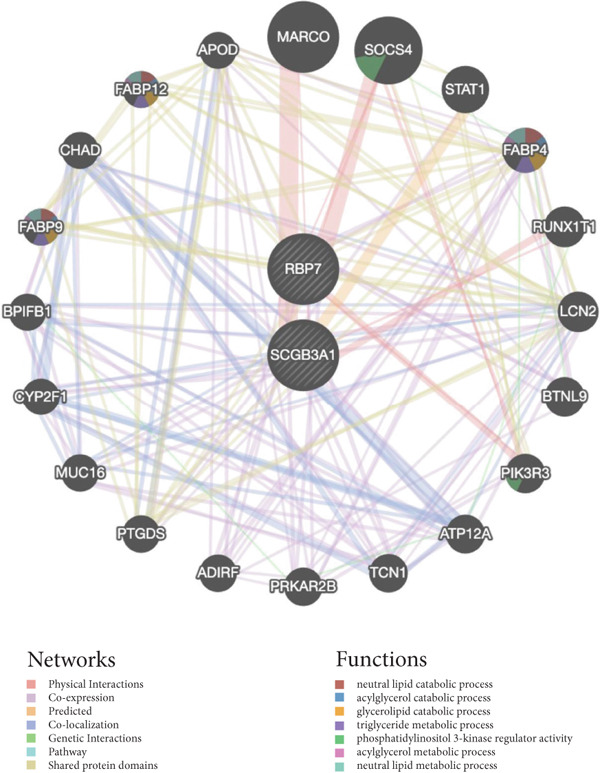 Figure 15
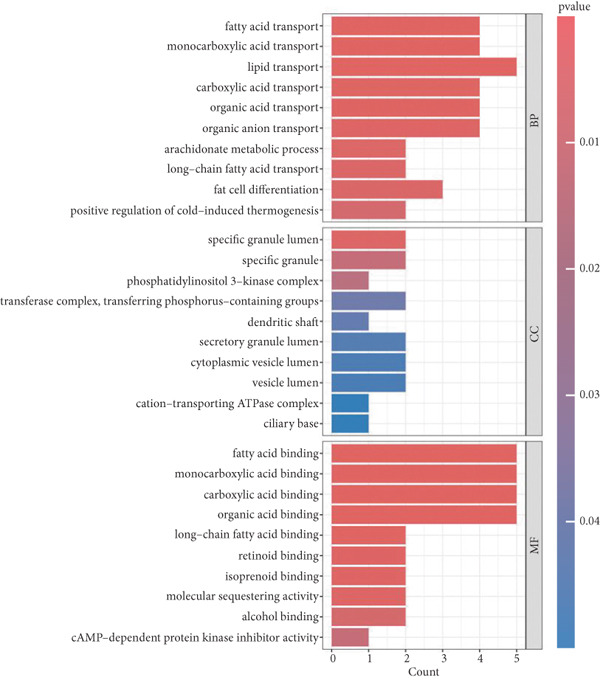 Figure 16
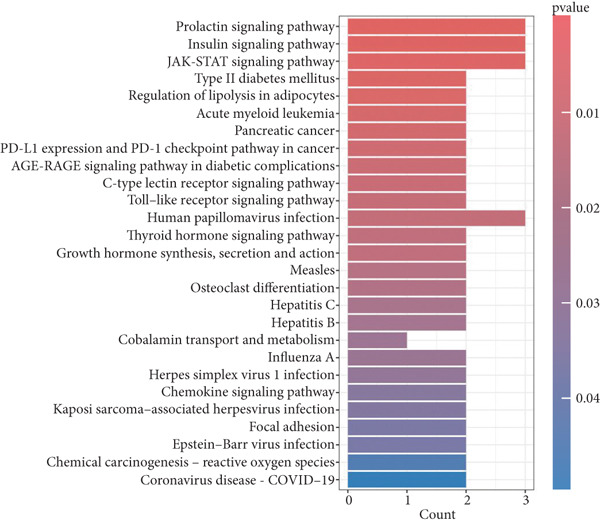 Figure 17
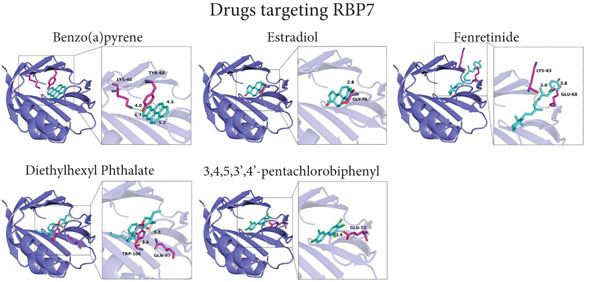 Figure 18
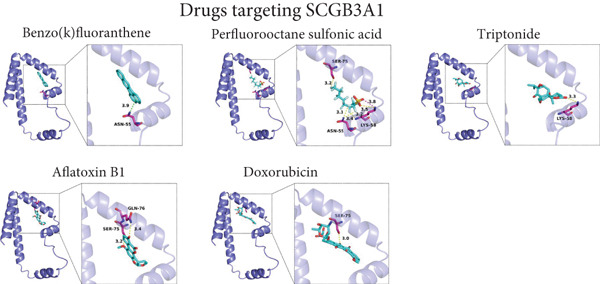 Figure 19
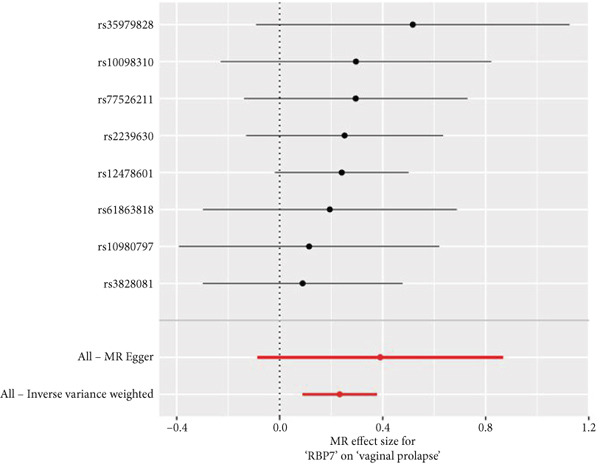 Figure 20
Peer Reviews
No public reviews on file for this paper yet. If you reviewed it on a platform where reviews are public (OpenReview, ICLR, NeurIPS, ICML), you can paste yours below so the community can read it here.
Videos
No videos yet. Explain this paper in a talk, walkthrough, or lecture? Add one.
Taxonomy
TopicsPelvic floor disorders treatments · Bladder and Urothelial Cancer Treatments · Esophageal Cancer Research and Treatment