Targeting long-chain acylcarnitine accumulation to protect cardiac mitochondrial homeostasis after complete revascularization
Rui Lin, Yuyu Li, Shiwei Yang, Hai Gao, Fengjuan Li, Xue Wang, Xin Tan, Zhengkai Wang, Weiyao Chen, Lu Ren, Xiujie Wang, Li Wang, Jun Qin, Wenjie Yin, Jie Du, Yuan Wang

TL;DR
This study identifies how long-chain acylcarnitines (LCACs) contribute to heart damage after revascularization and suggests targeting LCAC accumulation to prevent injury.
Contribution
The study reveals LCAC C16:1 as a prognostic biomarker and identifies CPT1A and OCTN2 as key players in reperfusion injury after heart procedures.
Findings
LCAC C16:1 is a prognostic biomarker for poor outcomes after complete revascularization.
Endothelial CPT1A activation leads to LCAC accumulation during reperfusion injury.
Etomoxir reduces LCAC levels and mitigates cardiac damage.
Abstract
Approximately 20% of acute myocardial infarction (AMI) patients with multivessel disease experience adverse outcomes after complete revascularization. We aim to investigate the underlying metabolic mechanism of ischemia-reperfusion injury responsible for abnormal hemodynamic stresses in high-risk patients undergoing complete revascularization. Elevated preoperative serum levels of long-chain acylcarnitine (LCAC) 16:1 are associated with an increased risk of poor prognosis following complete revascularization. Multi-omics analyses reveal that reperfusion injury activates fatty acid degradation, and carnitine palmitoyltransferase 1A (CPT1A) is identified as a key regulator of LCACs in the interaction network in porcine models. In the early stages of reperfusion injury in non-culprit lesions, the release and prolonged elevation of circulating LCACs primarily depend on the activation of…
Genes, proteins, chemicals, diseases, species, mutations and cell lines named across the full text — each resolved to its canonical identifier and authoritative record.
Click any figure to enlarge with its caption.
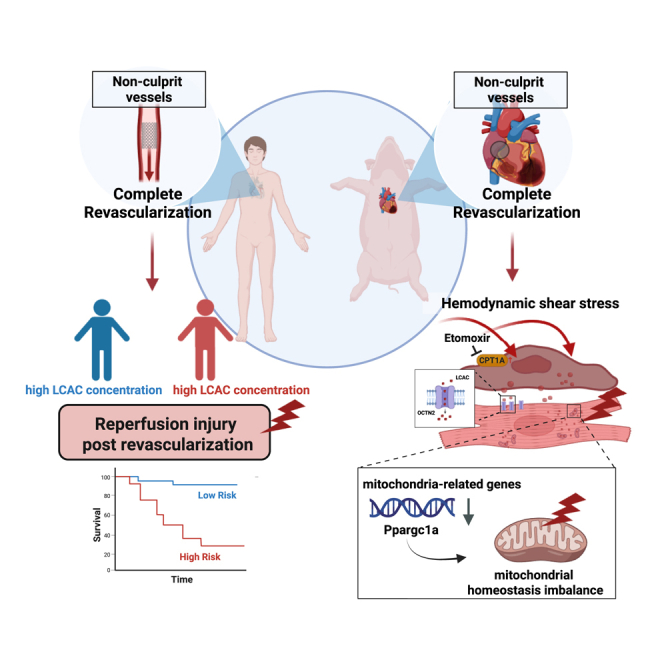 Figure 1
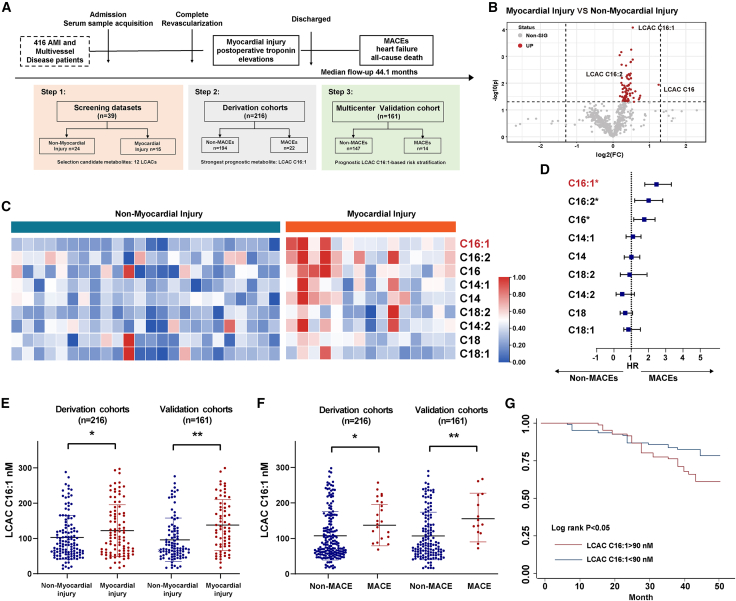 Figure 2
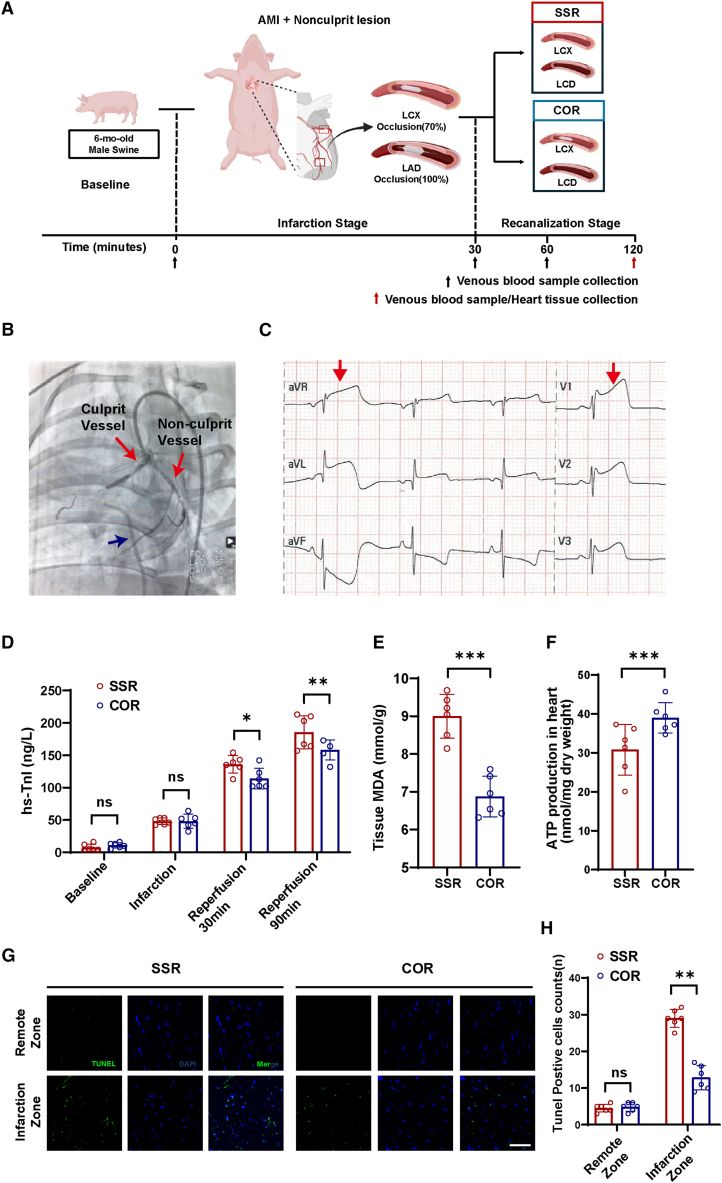 Figure 3
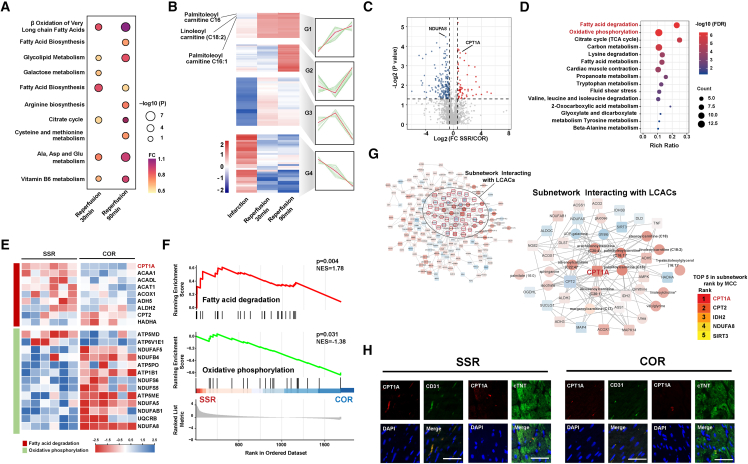 Figure 4
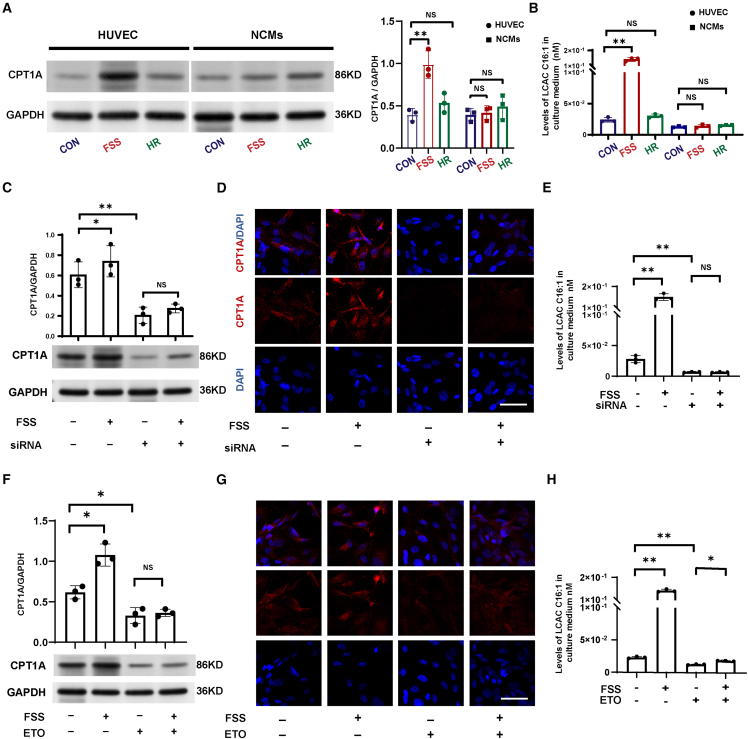 Figure 5
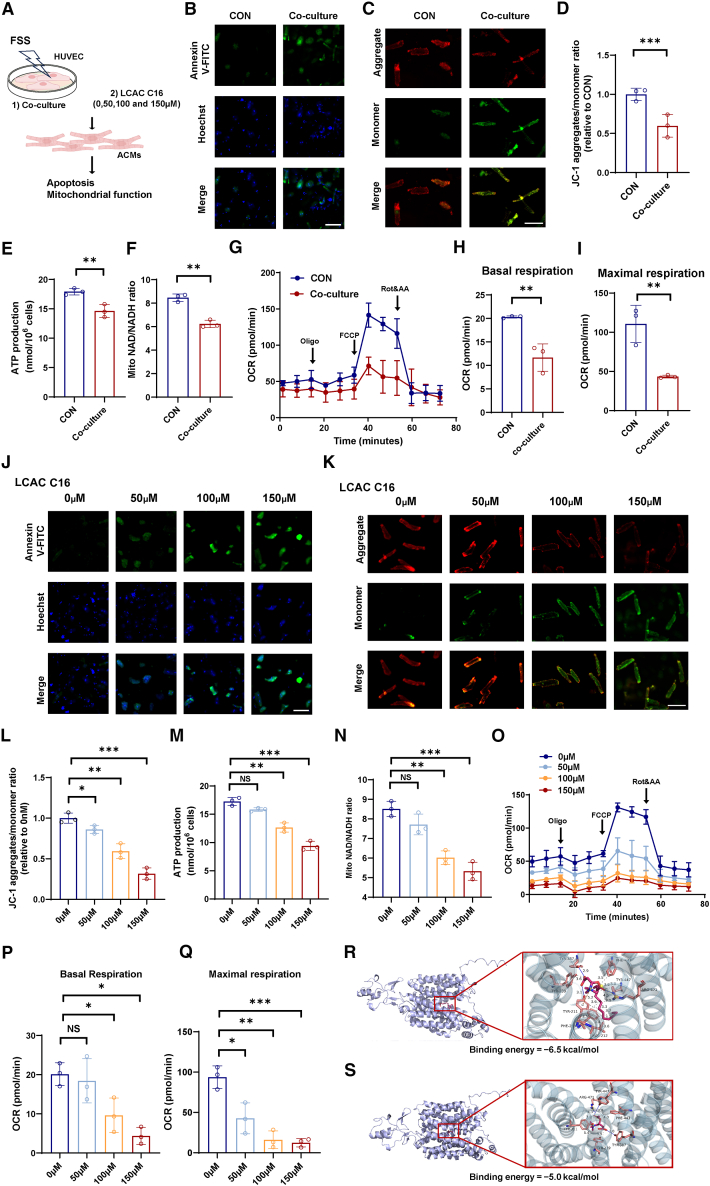 Figure 6
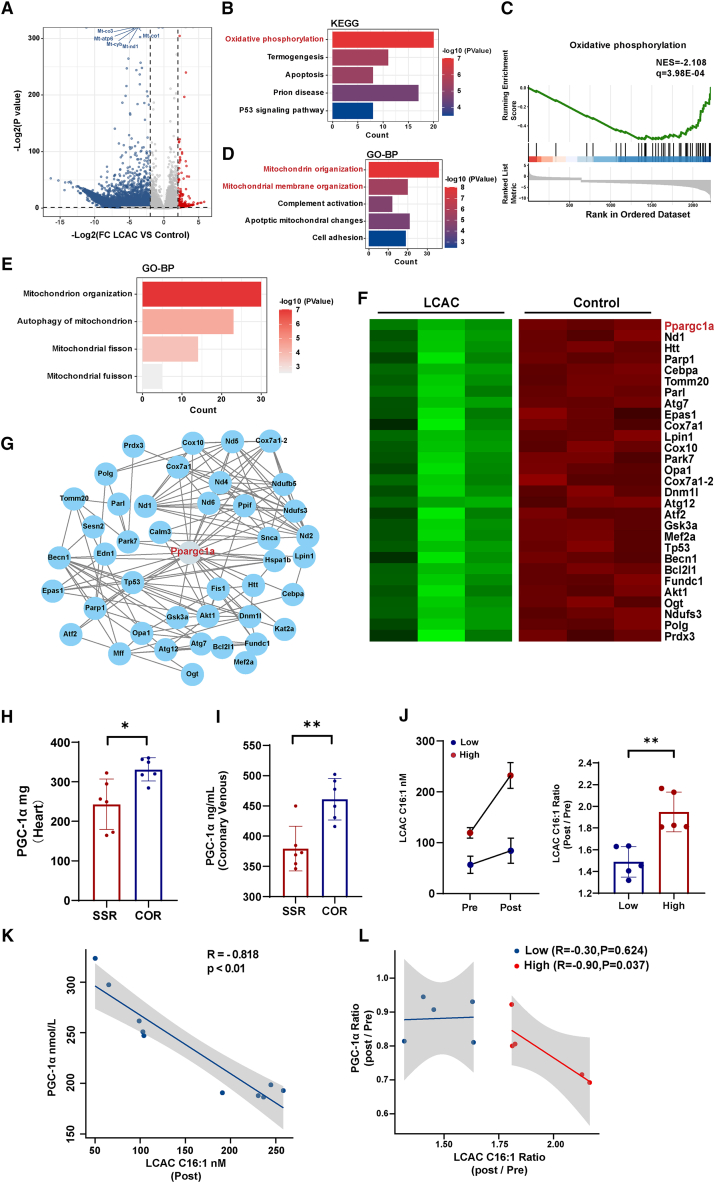 Figure 7
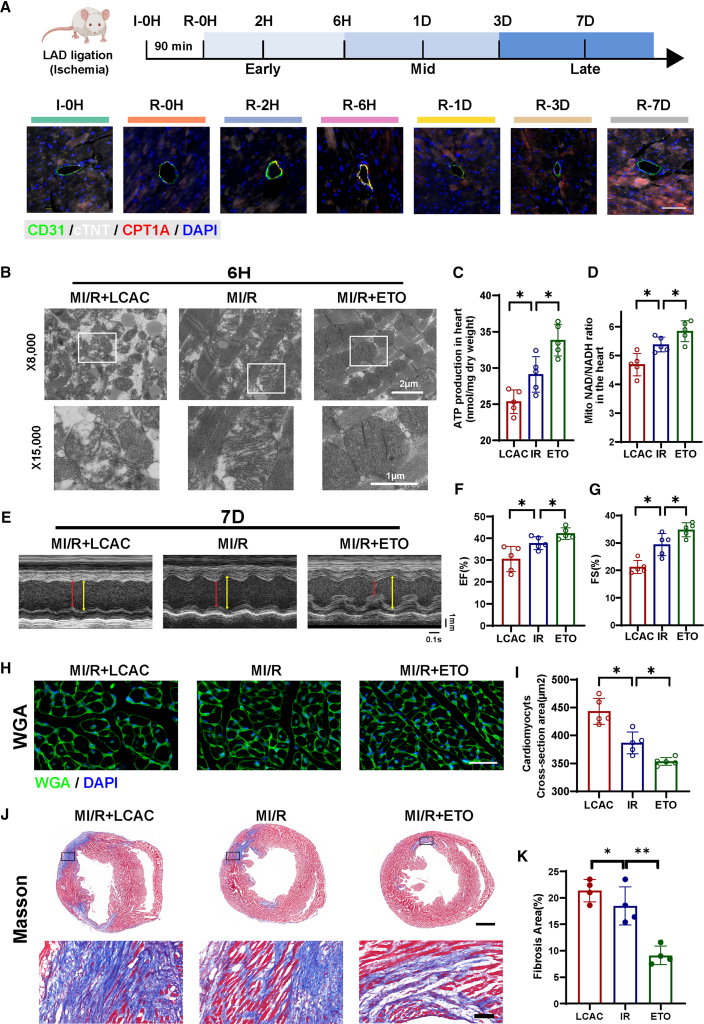 Figure 8
Peer Reviews
No public reviews on file for this paper yet. If you reviewed it on a platform where reviews are public (OpenReview, ICLR, NeurIPS, ICML), you can paste yours below so the community can read it here.
Videos
No videos yet. Explain this paper in a talk, walkthrough, or lecture? Add one.
Taxonomy
TopicsMetabolism and Genetic Disorders · Cardiovascular Function and Risk Factors · Mitochondrial Function and Pathology