Pro-resolving lipid mediators in diseases: exploring the molecular basis and clinical implication
Chaofu Li, Zimu Wang, Yukun Yang, Qiuyan Jiang, Yingying Jiang, Jun Xiao, Li Shen, Wei Wu, Chuanwei Li

TL;DR
This review explores how pro-resolving lipid mediators actively manage inflammation and their potential for treating chronic diseases.
Contribution
The paper provides a comprehensive overview of PRLMs' molecular mechanisms and clinical implications, highlighting therapeutic opportunities.
Findings
PRLMs regulate inflammation through efferocytosis, cytokine modulation, and tissue regeneration.
Conventional anti-inflammatory drugs lack the ability to restore immune balance or promote resolution.
Challenges in PRLM therapy include metabolic instability and limited delivery methods.
Abstract
Inflammation resolution is now understood as an active and highly coordinated biological process rather than a passive decline in inflammatory signals. When this program fails, inflammation may become persistent and gradually shift to a chronic pathological state. Such unresolved inflammation is increasingly recognized as a core driver of cardiovascular disease, metabolic disorders, autoimmune pathologies, neurodegeneration, and tumor progression. Although conventional anti-inflammatory drugs can suppress inflammatory mediators, they do not restore immune balance or actively promote resolution, and long-term administration may disrupt host defense and tissue-repair processes. Pro-resolving lipid mediators (PRLMs), including resolvins, maresins, protectins, and lipoxins, represent a distinct class of bioactive metabolites derived from polyunsaturated fatty acids. Recent studies have…
Genes, proteins, chemicals, diseases, species, mutations and cell lines named across the full text — each resolved to its canonical identifier and authoritative record.
Click any figure to enlarge with its caption.
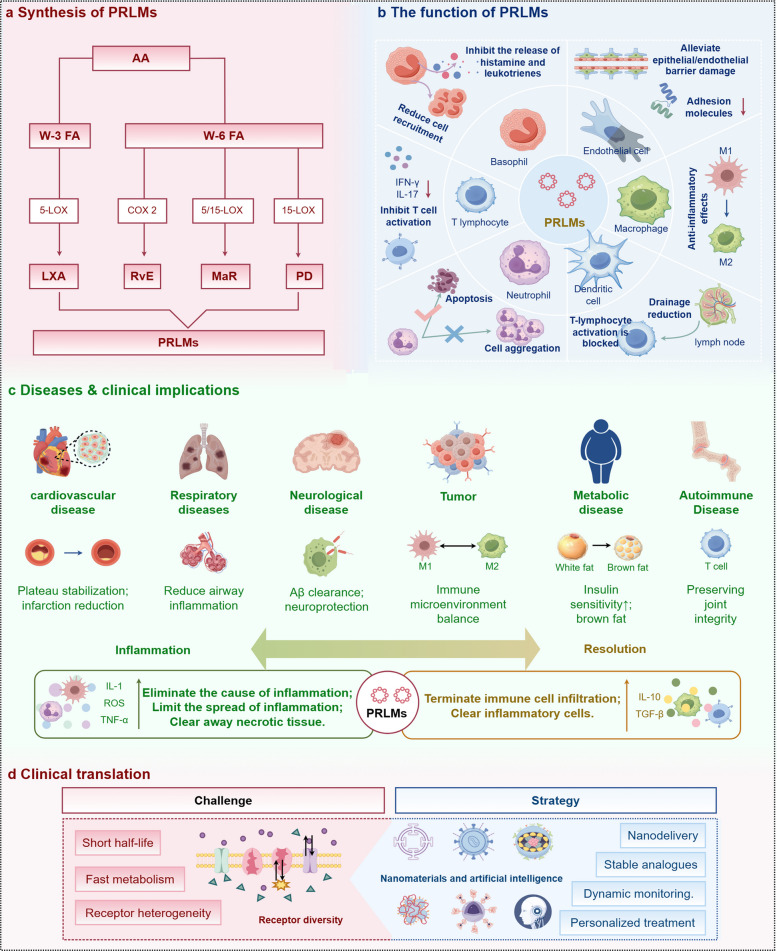 Figure 1
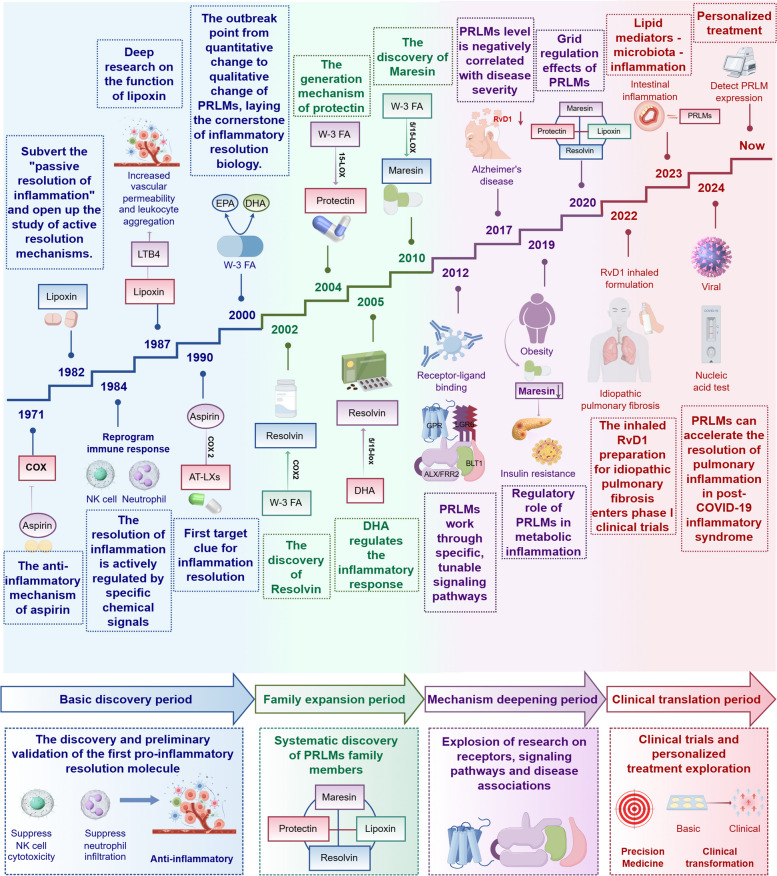 Figure 2
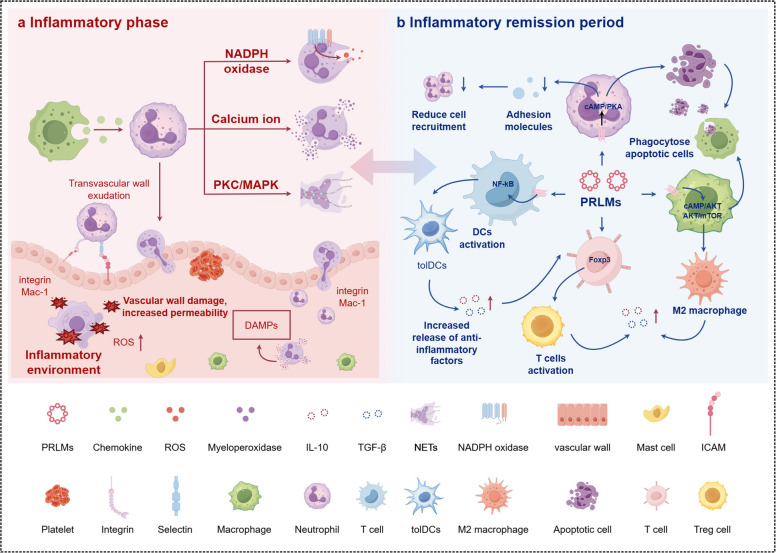 Figure 3
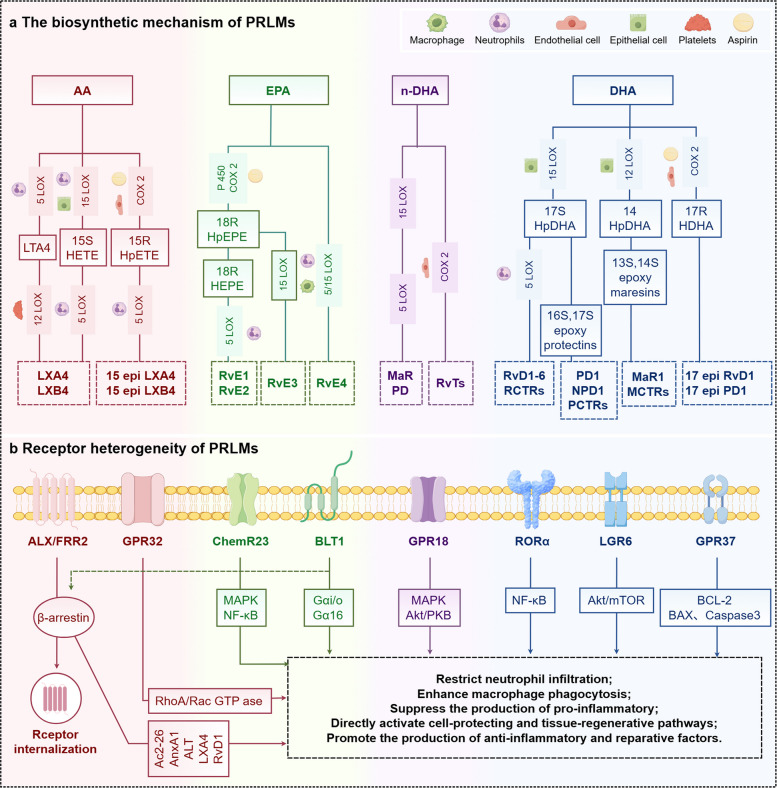 Figure 4
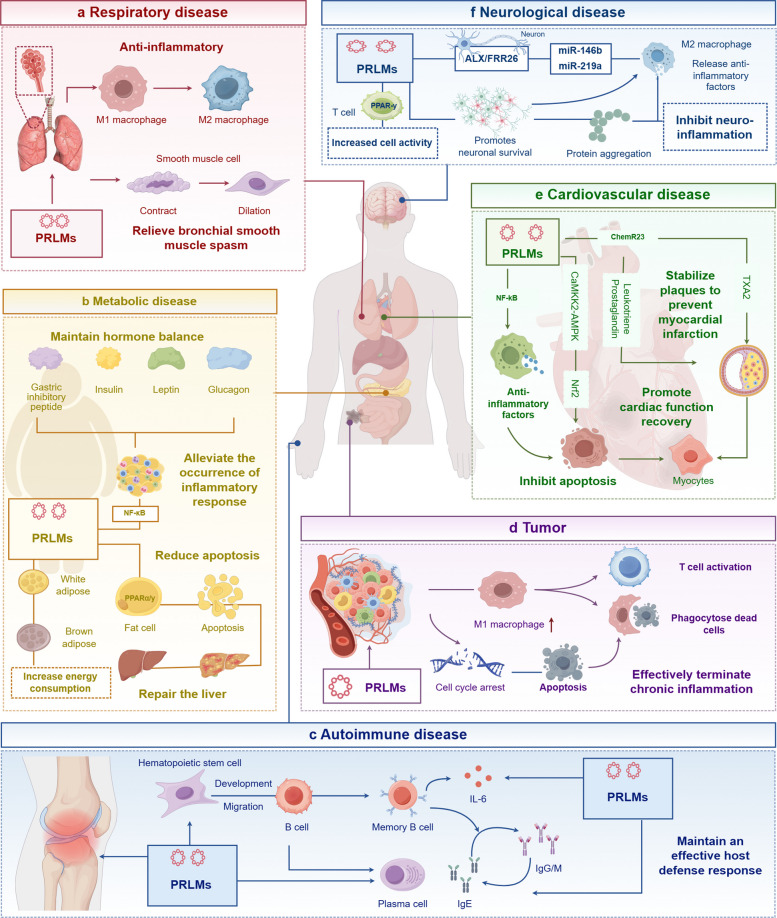 Figure 5
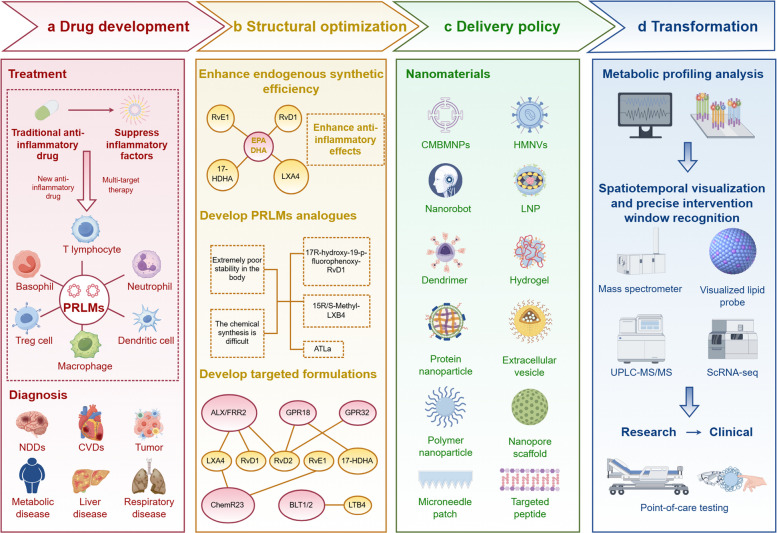 Figure 6
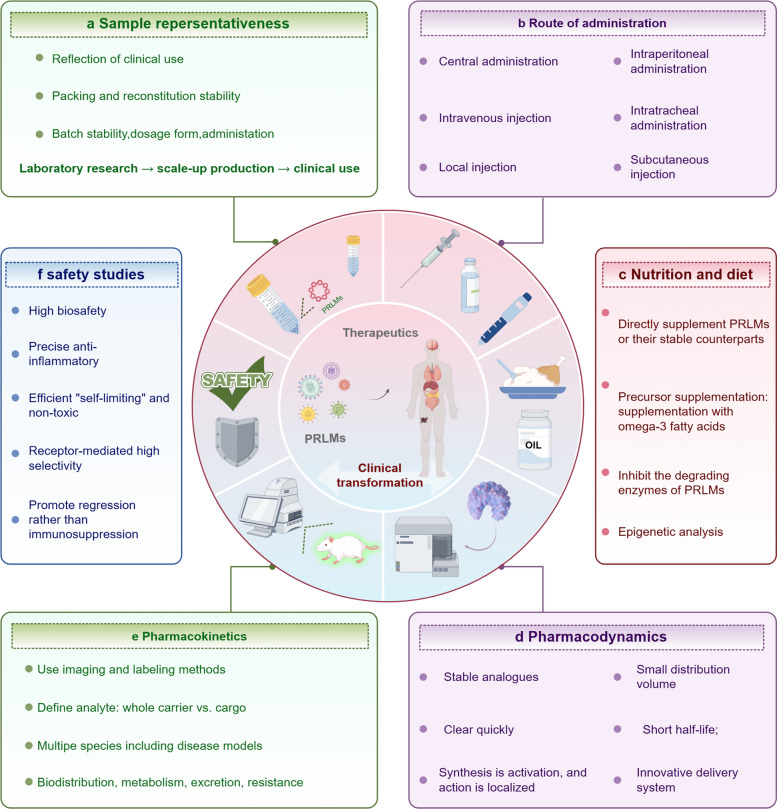 Figure 7
Peer Reviews
No public reviews on file for this paper yet. If you reviewed it on a platform where reviews are public (OpenReview, ICLR, NeurIPS, ICML), you can paste yours below so the community can read it here.
Videos
No videos yet. Explain this paper in a talk, walkthrough, or lecture? Add one.
Taxonomy
TopicsFatty Acid Research and Health · Lipid metabolism and biosynthesis · Eicosanoids and Hypertension Pharmacology