Exploring the Link Between Stress-Induced Naive T-Cells and Esophageal Squamous Cell Carcinoma Risk: A Multi-Omics Investigation
Jingge Cheng, Dengfeng Zhang, Longyu Zhu, Huihai Xu, Hongye Zhao, Ping Zhu, Yishuai Li

TL;DR
This study finds that higher numbers of naive T-cells are linked to increased risk of esophageal cancer, due to their impaired function in the tumor environment.
Contribution
The study identifies naive T-cell abundance as a novel causal risk factor for esophageal squamous cell carcinoma through multi-omics analysis.
Findings
Naive T-cell abundance shows a positive causal effect on esophageal cancer risk (OR 1.14).
Tumor-infiltrating naive T-cells exhibit metabolic quiescence and suppressed differentiation.
Impaired T-cell function correlates with immune evasion in esophageal carcinogenesis.
Abstract
The dynamic crosstalk between immunoregulatory constituents and neoplastic evolution underscores the centrality of immune homeostasis in oncogenesis. naïve T-lymphocytes, as primary architects of adaptive immunity, are critically implicated in antitumor responses. Deciphering their mechanistic linkage to esophageal carcinogenesis is vital for elucidating immune-mediated susceptibility and malignant progression. This investigation synergizes Mendelian randomization with single-cell multi-omics to dissect this pathobiological nexus. A bidirectional two-sample Mendelian randomization framework was deployed to infer causal associations between leukocyte subsets and esophageal squamous cell carcinoma. Genome-wide summary statistics were analyzed from 476,306 malignancy cases and immunophenotypic data spanning 731 European-ancestry participants. Complementary single-cell transcriptional…
Genes, proteins, chemicals, diseases, species, mutations and cell lines named across the full text — each resolved to its canonical identifier and authoritative record.
Click any figure to enlarge with its caption.
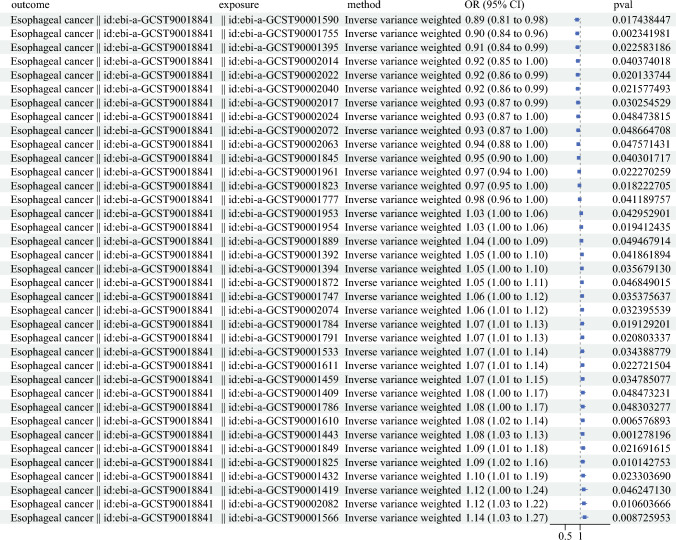 Figure 1
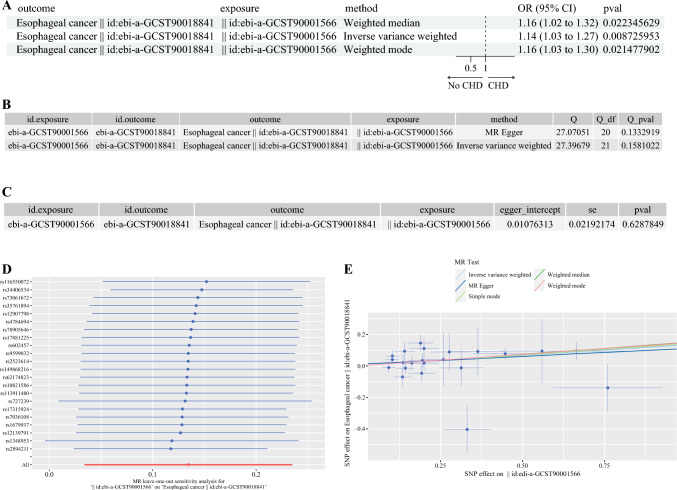 Figure 2
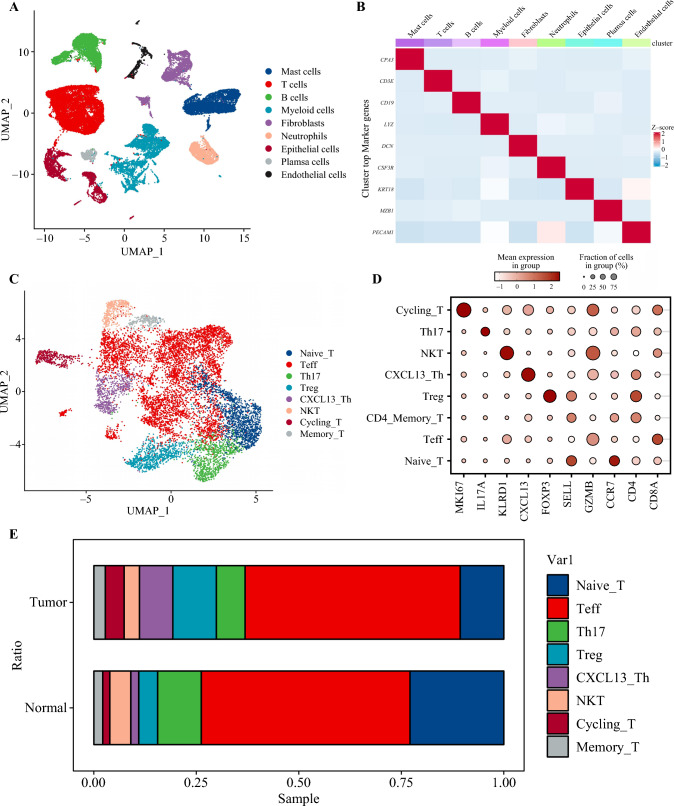 Figure 3
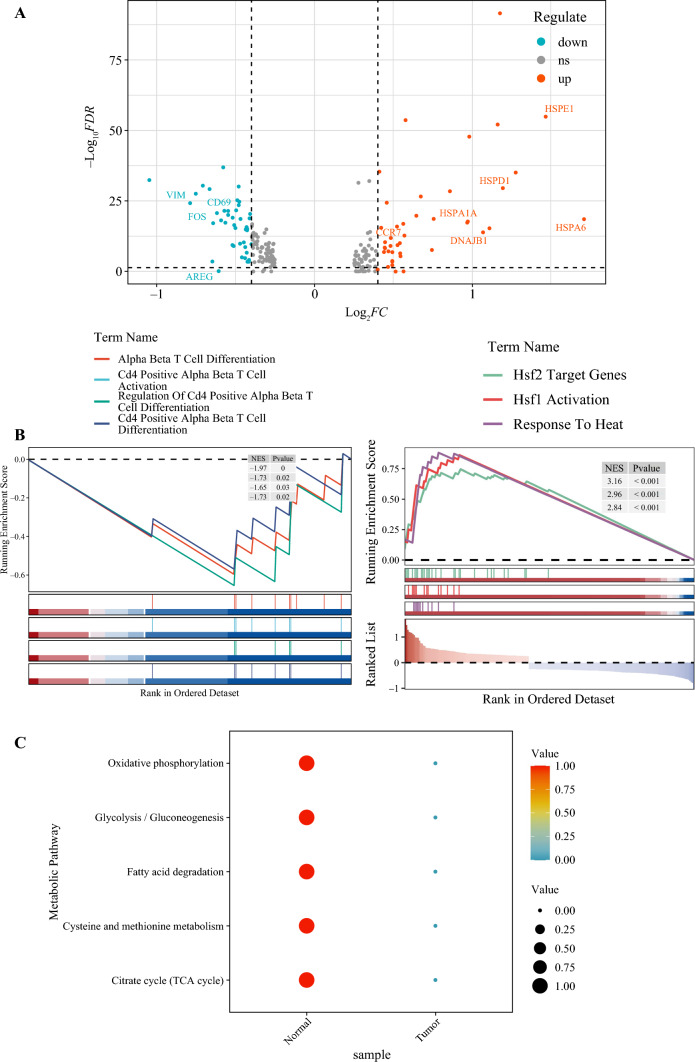 Figure 4
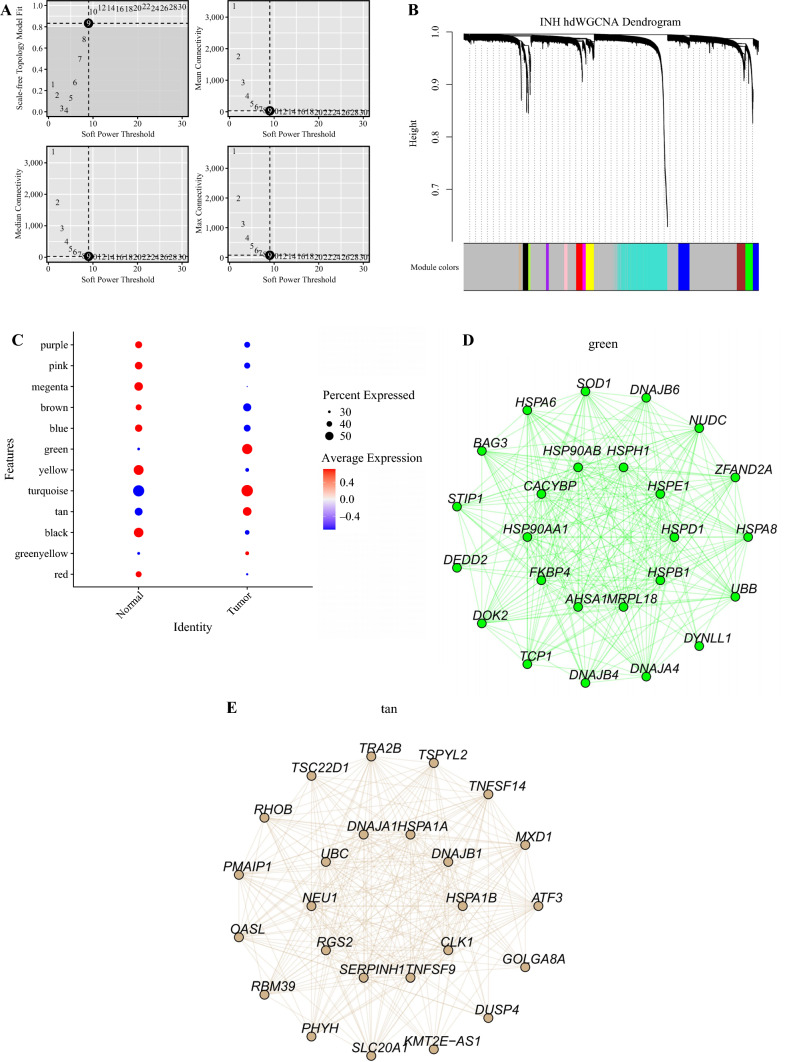 Figure 5
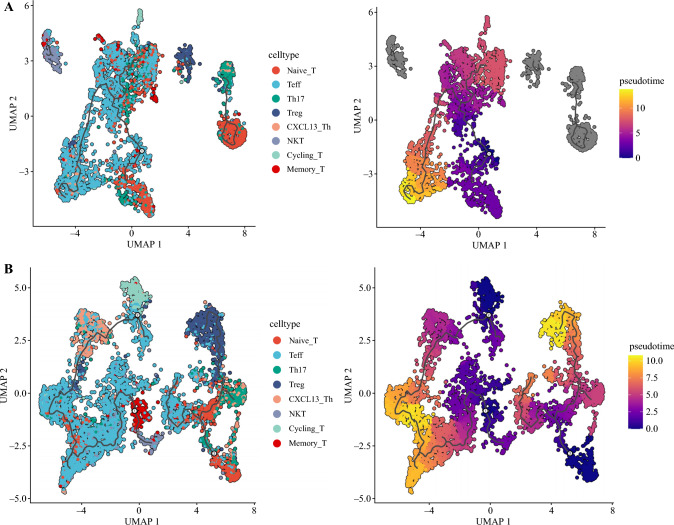 Figure 6
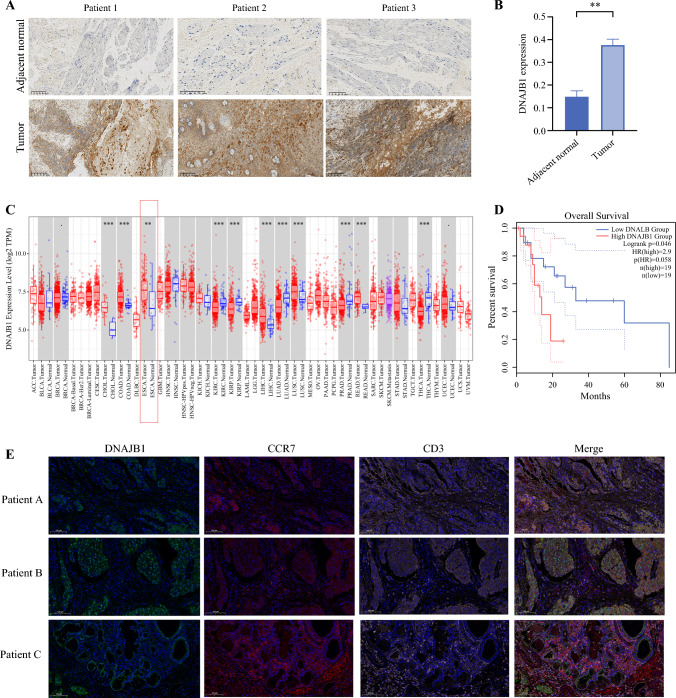 Figure 7
Peer Reviews
No public reviews on file for this paper yet. If you reviewed it on a platform where reviews are public (OpenReview, ICLR, NeurIPS, ICML), you can paste yours below so the community can read it here.
Videos
No videos yet. Explain this paper in a talk, walkthrough, or lecture? Add one.
Taxonomy
TopicsCancer Immunotherapy and Biomarkers · Esophageal Cancer Research and Treatment · Cancer, Hypoxia, and Metabolism