Severe early-onset osteoporosis due to heterozygous WNT1 variants in adults: a clinical and therapeutic challenge
Eeva M Ryhänen, Riikka E Mäkitie, Tuula Pekkarinen, Heikki Kröger, Xiaoyu Tong, Liisa Kerttula, Outi Mäkitie, Camilla Schalin-Jäntti

TL;DR
This paper discusses two adults with severe early-onset osteoporosis caused by a WNT1 gene variant, highlighting the importance of genetic diagnosis and tailored treatment strategies.
Contribution
The study presents clinical insights into WNT1-related osteoporosis in adults and emphasizes the need for anabolic treatments and long-term care planning.
Findings
Two adults with WNT1 variants presented with severe osteoporosis and spinal fractures despite normal childhood development.
Bone biopsies revealed impaired bone metabolism with low turnover in affected individuals.
The study underscores the importance of genetic diagnosis for effective treatment and long-term management of EOOP.
Abstract
Early-onset osteoporosis (EOOP) is diagnosed in premenopausal women or men under 50 yr of age when DXA-derived BMD is low (Z-score ≤ −2.0 or T-score ≤ −2.5) in the presence of a fragility fracture or a chronic disease. In young adult patients, it is essential to recognize EOOP and identify the underlying cause, including possible genetic defects, to optimize tailored treatments. Among monogenic causes, WNT1-related osteoporosis has been described in children and adults. We present two adults, a 27-yr-old male and his mother, who had no skeletal symptoms in childhood but presented as adults with back pain. Further studies revealed low BMD and multiple spinal fragility fractures, leading to rapid height loss and progressive kyphosis. Biochemistry was largely normal, but bone biopsies showed impaired bone metabolism with low bone turnover. Both were found to harbor a previously described…
Genes, proteins, chemicals, diseases, species, mutations and cell lines named across the full text — each resolved to its canonical identifier and authoritative record.
Click any figure to enlarge with its caption.
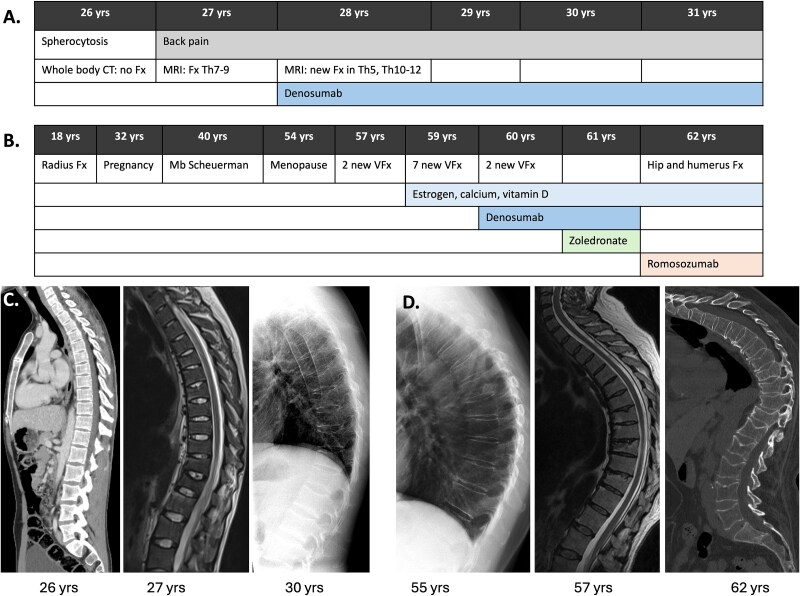 Figure 1
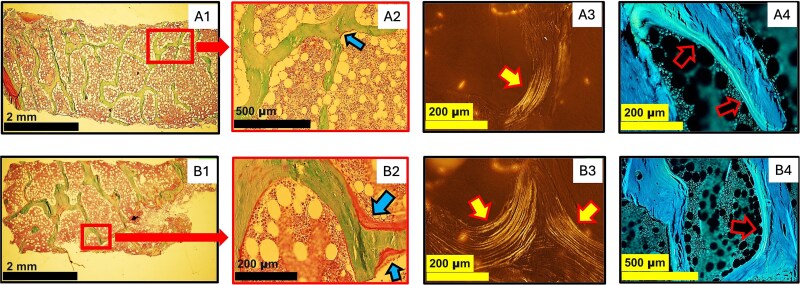 Figure 2
Peer Reviews
No public reviews on file for this paper yet. If you reviewed it on a platform where reviews are public (OpenReview, ICLR, NeurIPS, ICML), you can paste yours below so the community can read it here.
Videos
No videos yet. Explain this paper in a talk, walkthrough, or lecture? Add one.
Taxonomy
TopicsBone health and treatments · Connective tissue disorders research · RNA modifications and cancer