Revealing the Physiological Patterns of Dinoflagellates in North‐Eastern Adriatic Phytoplankton
Mia Knjaz, Ana Baricevic, Mirta Smodlaka Tankovic, Natasa Kuzat, Ivan Vlasicek, Lana Grizancic, Ivan Podolsak, Tjasa Kogovsek, Ariana Turkovic, Martin Pfannkuchen, Daniela Maric Pfannkuchen

TL;DR
This study uses metatranscriptomics to reveal how dinoflagellates and other phytoplankton adapt to seasonal and environmental changes in the northern Adriatic Sea.
Contribution
The first comprehensive physiological characterization of phytoplankton in the north-eastern Adriatic using metatranscriptomics.
Findings
Dinoflagellates showed the highest metabolic activity across all seasons in the >50 μm size fraction.
Seasonal shifts in phytoplankton communities were driven by phosphorus, silicon availability, and species interactions.
Dinoflagellates used both photosynthesis and phagotrophy, with metabolic strategies changing seasonally based on nutrient availability.
Abstract
The northern Adriatic is a highly dynamic marine ecosystem where multiple environmental stressors, particularly phosphorus limitation, shape phytoplankton communities. Previous studies have established annual phytoplankton succession patterns primarily using light microscopy, while metatranscriptomic analyses have been lacking. This study used a metatranscriptomic approach to investigate the taxonomic and functional dynamics of the northern Adriatic phytoplankton community, focusing on the predominant group of dinoflagellates. Monthly sampling from April 2021 to March 2022 at two coastal stations revealed dinoflagellates as the most metabolically active phylum throughout the year in the size fraction > 50 μm. Peaks in metabolic activity of other studied phyla aligned with the characteristic seasonal species succession observed in previous studies. Community ordination indicated distinct…
Genes, proteins, chemicals, diseases, species, mutations and cell lines named across the full text — each resolved to its canonical identifier and authoritative record.
Click any figure to enlarge with its caption.
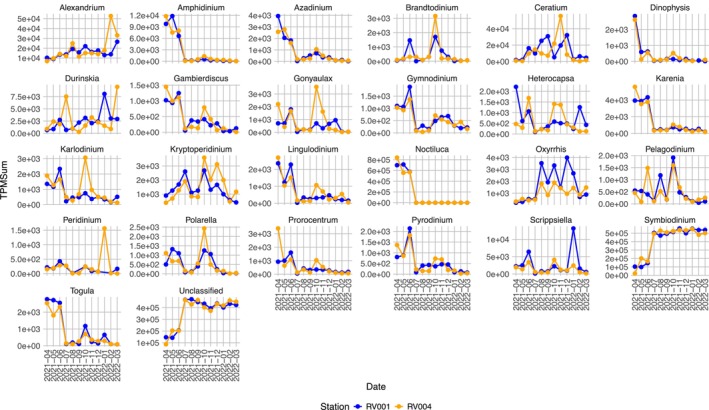 Figure 1
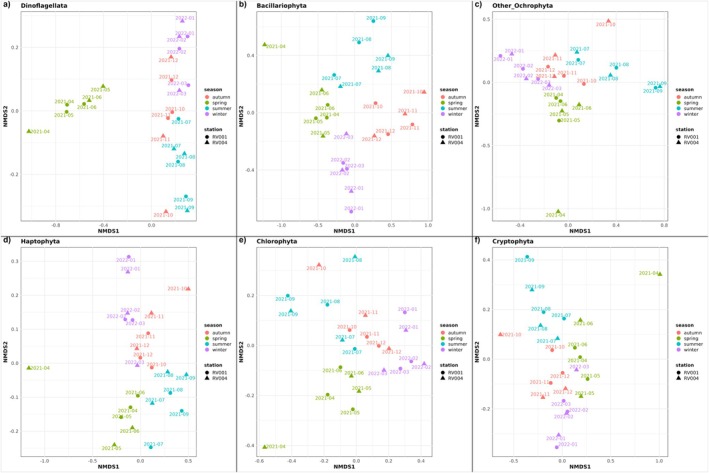 Figure 2
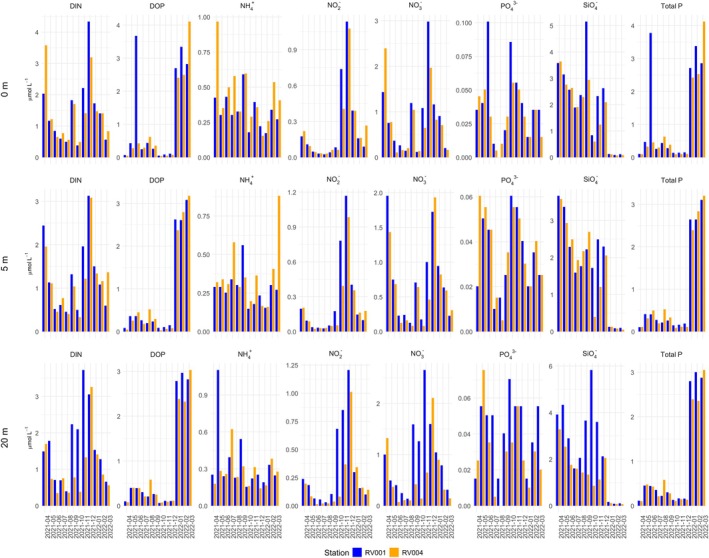 Figure 3
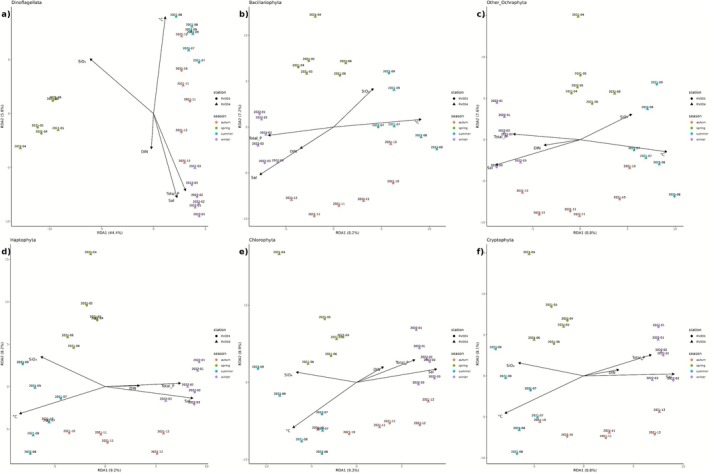 Figure 4
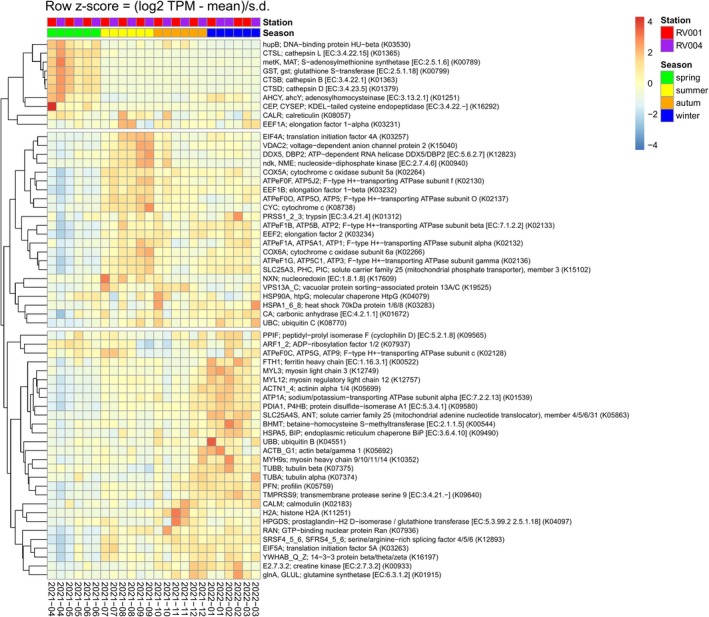 Figure 5
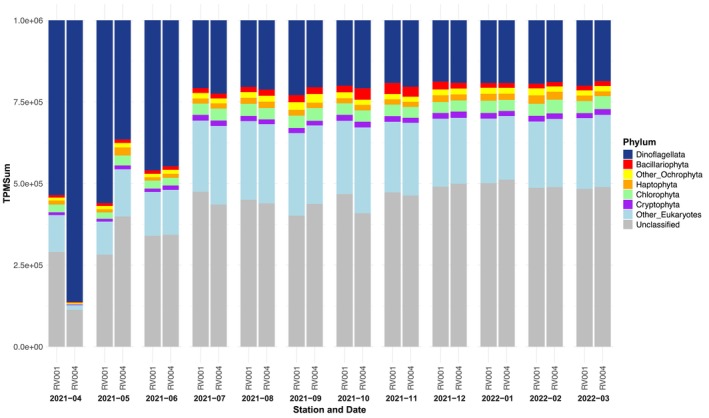 Figure 6
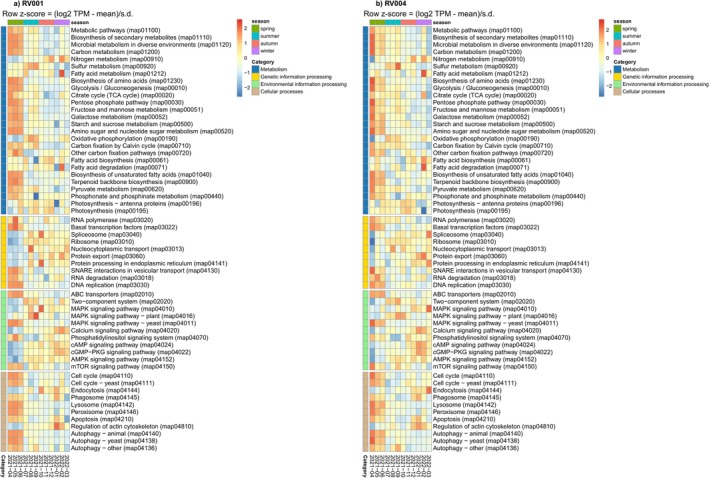 Figure 7
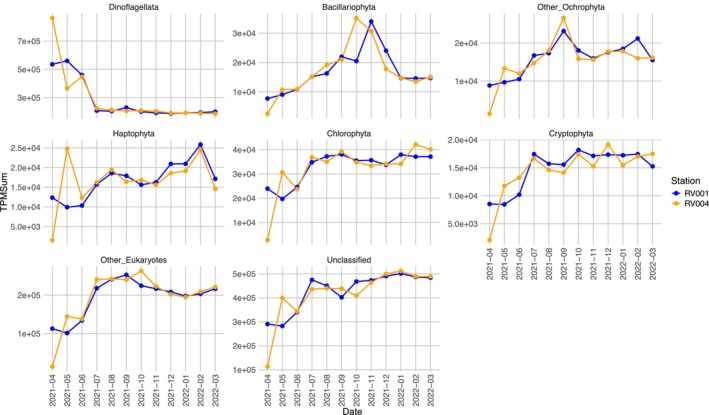 Figure 8
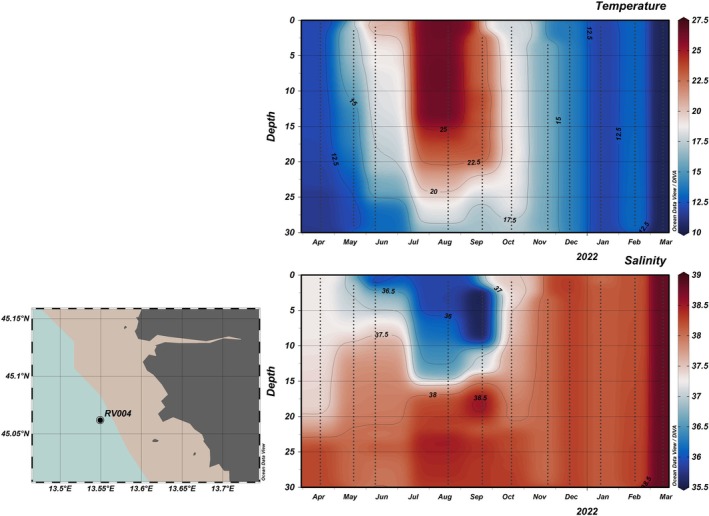 Figure 9
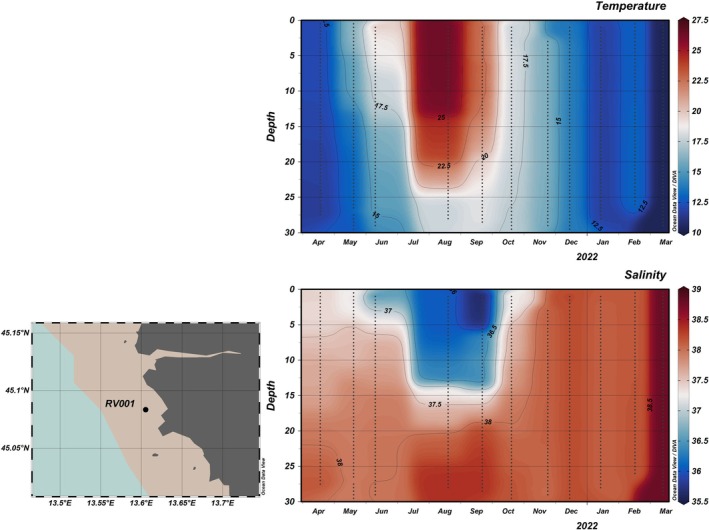 Figure 10
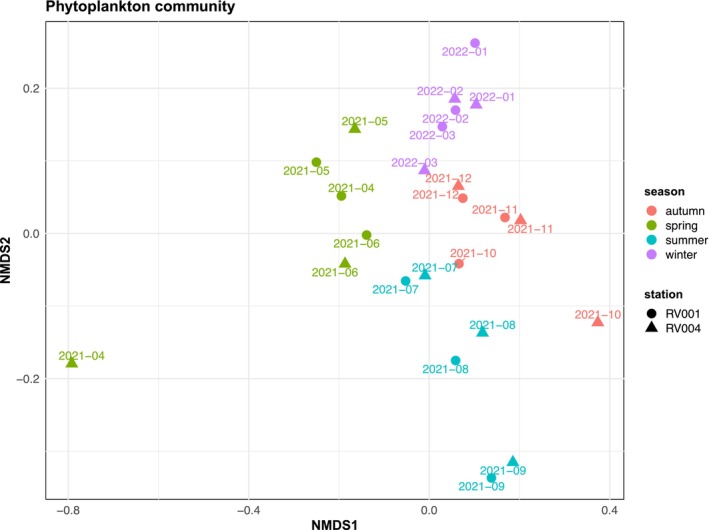 Figure 11
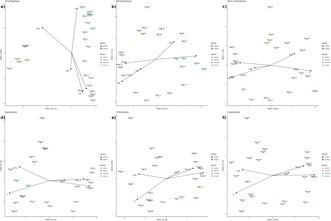 Figure 12
 Figure 13
 Figure 14
 Figure 15
Peer Reviews
No public reviews on file for this paper yet. If you reviewed it on a platform where reviews are public (OpenReview, ICLR, NeurIPS, ICML), you can paste yours below so the community can read it here.
Videos
No videos yet. Explain this paper in a talk, walkthrough, or lecture? Add one.
Taxonomy
TopicsMarine and coastal ecosystems · Protist diversity and phylogeny · Marine Toxins and Detection Methods