Cervical Intranodal Schwannoma and Its Malignant Transformation: A Case Report With Literature Review
Shahab Hussain, Zia Ullah Khan, Nazneen Liaqat, Syed Wajihullah Shah, Kainat Khan, Jibran Ikram

TL;DR
A rare case of a benign cervical schwannoma transforming into a malignant tumor is reported, emphasizing the need for careful monitoring and early diagnosis.
Contribution
The paper presents a rare clinical case of malignant transformation of a cervical intranodal schwannoma, adding to limited existing knowledge.
Findings
A 46-year-old man's benign schwannoma transformed into a malignant peripheral nerve sheath tumor after 18 months.
Early surgical excision and histopathological evaluation are crucial for detecting potential malignant changes.
Cervical intranodal schwannomas, though typically benign, can rarely become malignant.
Abstract
This case report highlights a rare malignant transformation of a cervical intranodal schwannoma in a 46‐year‐old man. The patient first came in with a slow‐growing, painless nodule in the right neck. Surgical excision was performed and histopathological examinations revealed a benign intranodal cellular schwannoma. Eighteen months later, the mass recurred and a second surgery showed malignant peripheral nerve sheath tumor (MPNST) at the same site, confirming malignant transformation. This case adds to the limited knowledge of this rare event. Cervical intranodal schwannomas, although typically benign, may rarely undergo malignant transformation, presenting as recurrent or enlarging neck masses. Early surgical excision and thorough histopathological evaluation are crucial for diagnosis and monitoring of potential malignant change.
Genes, proteins, chemicals, diseases, species, mutations and cell lines named across the full text — each resolved to its canonical identifier and authoritative record.
Click any figure to enlarge with its caption.
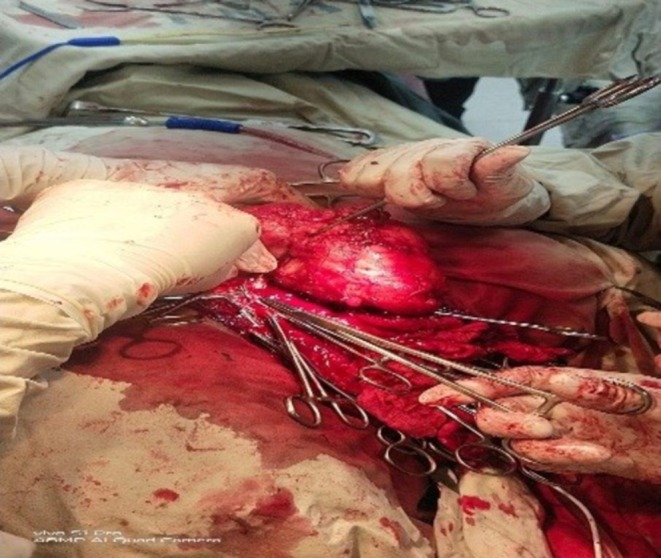 Figure 1
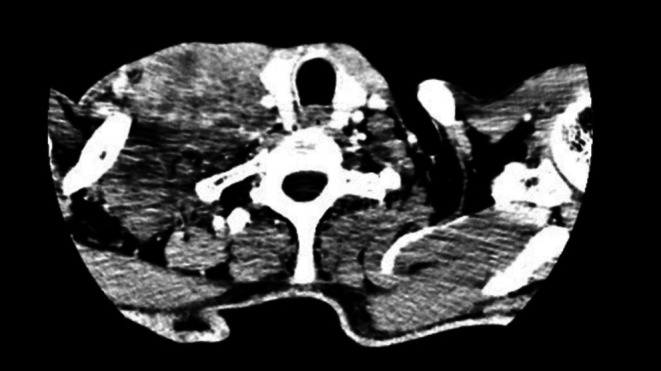 Figure 2
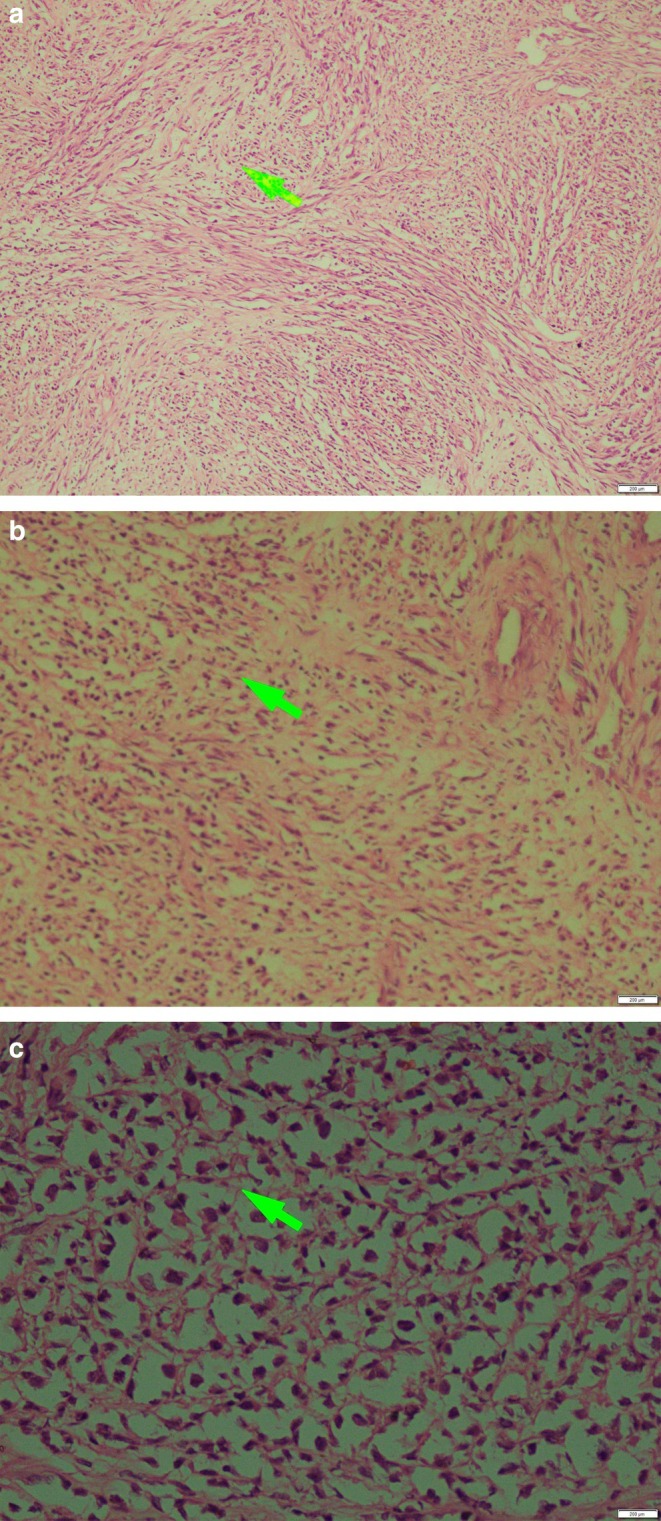 Figure 3
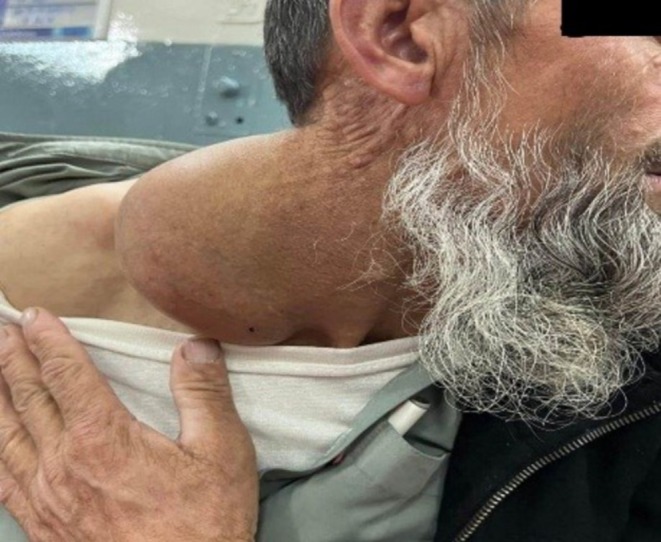 Figure 4
Peer Reviews
No public reviews on file for this paper yet. If you reviewed it on a platform where reviews are public (OpenReview, ICLR, NeurIPS, ICML), you can paste yours below so the community can read it here.
Videos
No videos yet. Explain this paper in a talk, walkthrough, or lecture? Add one.
Taxonomy
TopicsNeurofibromatosis and Schwannoma Cases · Facial Nerve Paralysis Treatment and Research · Meningioma and schwannoma management