Rituximab and Intravenous Immunoglobulin (IVIG) for Refractory Eosinophilic Fasciitis: A Case Report
Maryam Sahebari, Motahhareh Karimoddini, Naser Tayyebi Meibodi, Sajad Ataei Azimi, Shadan Tafreshian

TL;DR
A 40-year-old man with a rare condition called eosinophilic fasciitis improved after treatment with rituximab and IVIG when standard treatments failed.
Contribution
This case report suggests rituximab and IVIG may be effective for refractory eosinophilic fasciitis.
Findings
Standard treatments failed for the patient with eosinophilic fasciitis.
The patient showed improvement after receiving rituximab and IVIG.
Further studies are needed to confirm the effectiveness and safety of rituximab for EF.
Abstract
Eosinophilic fasciitis (EF) is a rare condition with an unknown cause. This case study showed that a 40‐year‐old man with EF did not respond to standard treatments but improved after receiving rituximab and intravenous immunoglobulin (IVIG). Further studies are needed to confirm rituximab's effectiveness and long‐term safety for EF.
Genes, proteins, chemicals, diseases, species, mutations and cell lines named across the full text — each resolved to its canonical identifier and authoritative record.
Click any figure to enlarge with its caption.
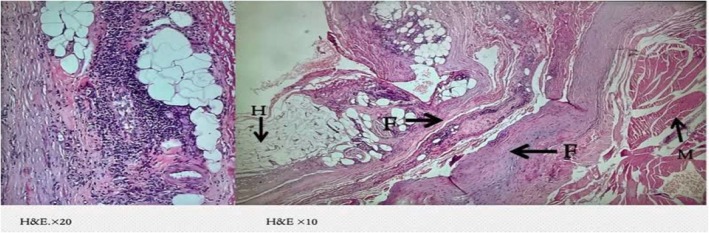 Figure 1
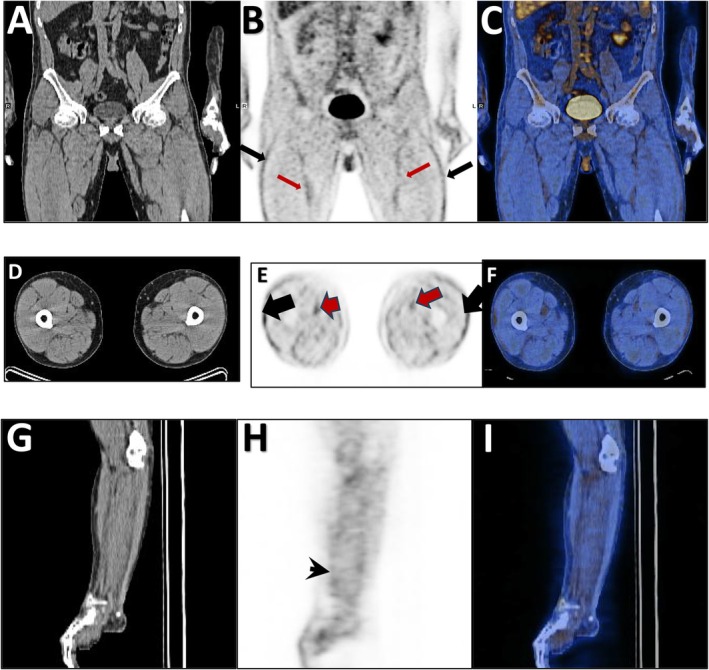 Figure 2
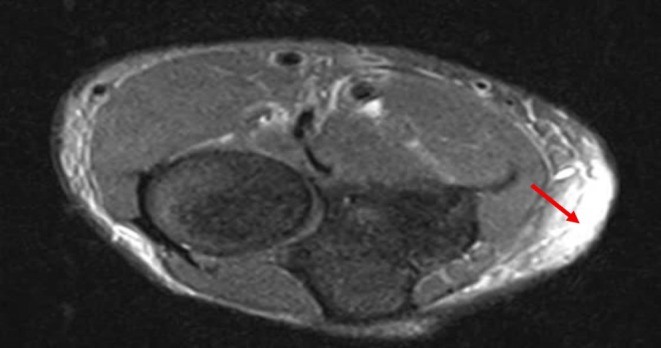 Figure 3
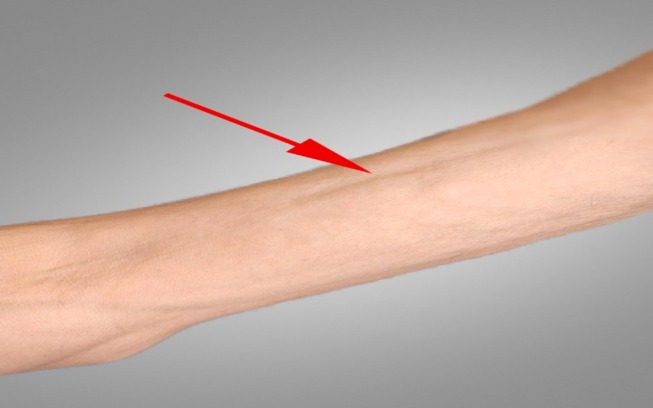 Figure 4
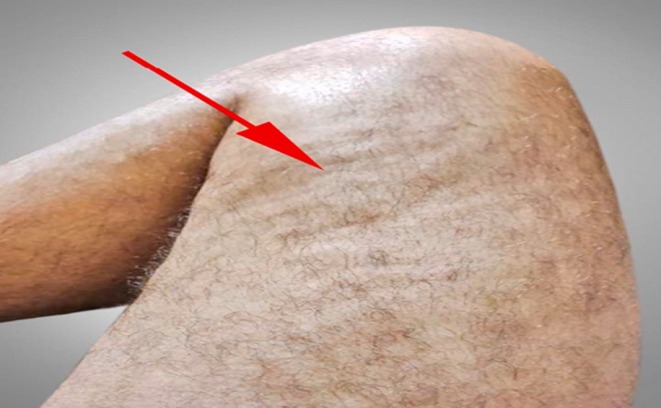 Figure 5
Peer Reviews
No public reviews on file for this paper yet. If you reviewed it on a platform where reviews are public (OpenReview, ICLR, NeurIPS, ICML), you can paste yours below so the community can read it here.
Videos
No videos yet. Explain this paper in a talk, walkthrough, or lecture? Add one.
Taxonomy
TopicsEosinophilic Disorders and Syndromes · Autoimmune and Inflammatory Disorders · Soft tissue tumor case studies