Aseptic Meningitis and Papillary Edema: Uncommon Presentation of Myelin Oligodendrocyte Glycoprotein Antibody-Associated Disease (MOGAD)
Naoko Kojima, Naoki Yamada, Ichiro Kuki, Hiroshi Sakuma, Shin Okazaki

TL;DR
This paper discusses a rare case where a brain antibody disease showed up as meningitis, highlighting unusual symptoms and high spinal fluid pressure.
Contribution
The paper presents a rare case of MOGAD presenting with aseptic meningitis and high CSF pressure, expanding the known clinical spectrum of the disease.
Findings
MOGAD can present with prolonged aseptic meningitis without typical neurological symptoms.
High cerebrospinal fluid opening pressures are a notable feature in these rare cases.
Review of literature shows similar cases of MOGAD initially presenting with meningitis symptoms.
Abstract
Myelin oligodendrocyte glycoprotein antibody-associated disease (MOGAD) is an autoimmune disease characterized by central nervous system demyelination. We report a case of prolonged aseptic meningitis in which anti-MOG antibodies were subsequently detected. In addition, we review previously reported cases of MOGAD that initially presented with symptoms of meningitis. MOGAD with meningitis without neurological symptoms or parenchymal brain lesions was rare and characterized by high cerebrospinal fluid (CSF) opening pressures.
Genes, proteins, chemicals, diseases, species, mutations and cell lines named across the full text — each resolved to its canonical identifier and authoritative record.
Click any figure to enlarge with its caption.
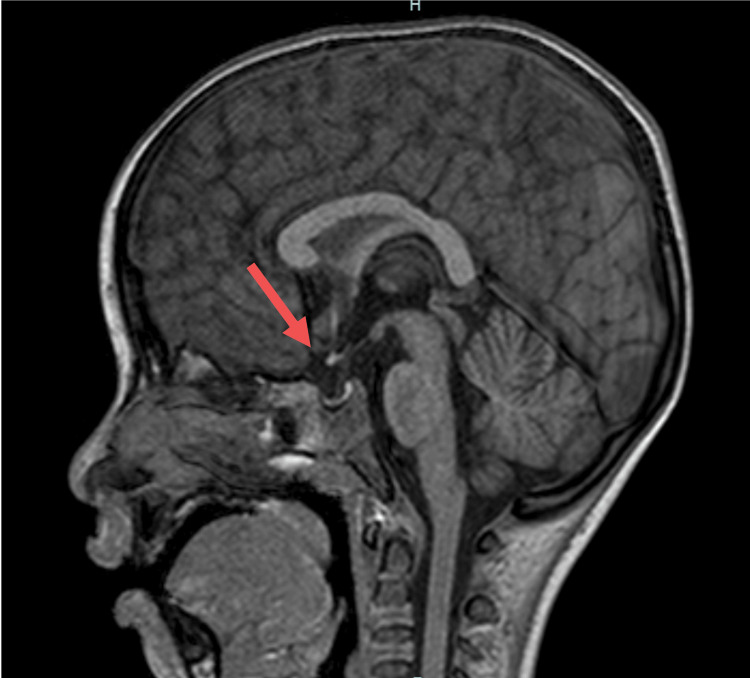 Figure 1
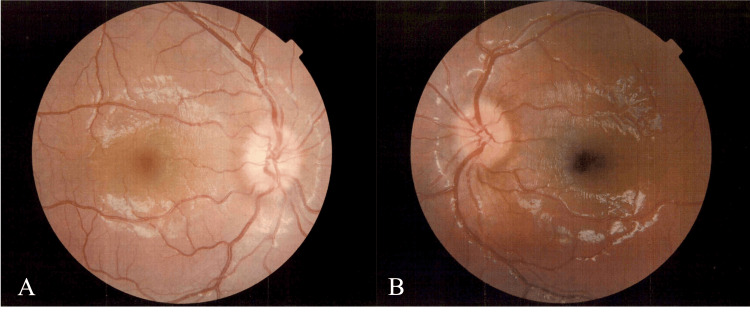 Figure 2
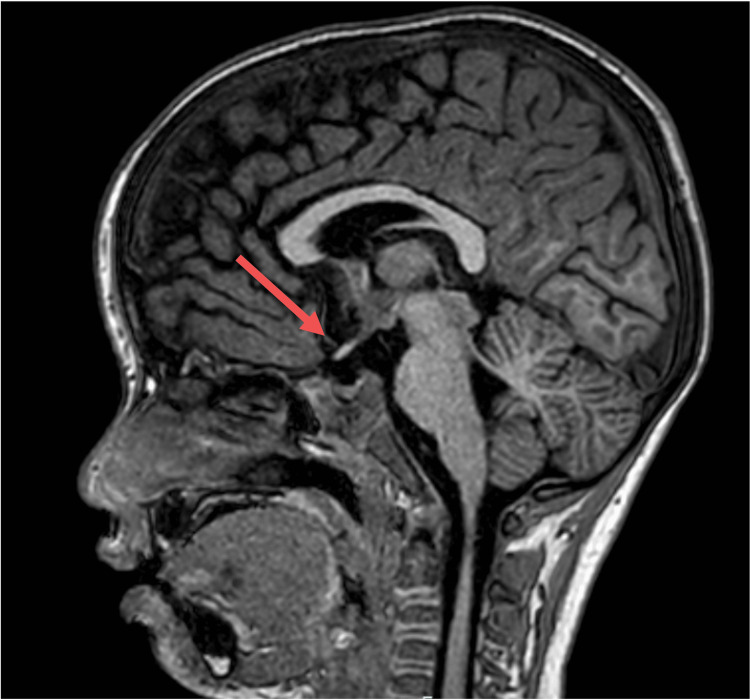 Figure 3
Peer Reviews
No public reviews on file for this paper yet. If you reviewed it on a platform where reviews are public (OpenReview, ICLR, NeurIPS, ICML), you can paste yours below so the community can read it here.
Videos
No videos yet. Explain this paper in a talk, walkthrough, or lecture? Add one.
Taxonomy
TopicsMultiple Sclerosis Research Studies · Autoimmune Neurological Disorders and Treatments · Peripheral Neuropathies and Disorders