Dialect Formation in Ghost Bats: Genetic, Geographic and Morphological Drivers of Social and Echolocation Call Divergence
Nicola Hanrahan, Kyle N. Armstrong, Christopher Turbill, Anastasia H. Dalziell, Justin A. Welbergen

TL;DR
This study explores how ghost bats develop different vocal dialects, finding that geography and genetics play roles in shaping their social and echolocation calls.
Contribution
The study provides the first evidence of dialect formation in megadermatid bats and highlights the importance of multiple vocalisation types in signal evolution.
Findings
Geographic and genetic distances were highly correlated, indicating isolation by distance.
Dialects were detected in all four vocalisation types, with variation patterns differing among them.
Ultrasonic social and echolocation calls showed no strong associations with genetic or geographic factors.
Abstract
Geographical patterns of vocal dialects in bats are poorly understood, despite growing evidence of complex vocal communication systems. We investigated variation in vocalisations recorded at five ghost bat colonies in the Northern Territory, Australia. We calculated genetic and morphological distances among individuals and correlations with geographic distance. We then determined variation within three social vocalisations (‘chirp‐trill’, ‘squabble’, ‘ultrasonic social’) and the ‘echolocation’ call using seven spectrographic measurements. Finally, we tested whether acoustic distance could be explained by genetic, geographic or morphological distance. Geographic and genetic distance were highly correlated, suggesting the occurrence of isolation by distance. All measures of morphological distance were consistent with Bergmann's Rule, except noseleaf shape, which is likely constrained by…
Genes, proteins, chemicals, diseases, species, mutations and cell lines named across the full text — each resolved to its canonical identifier and authoritative record.
Click any figure to enlarge with its caption.
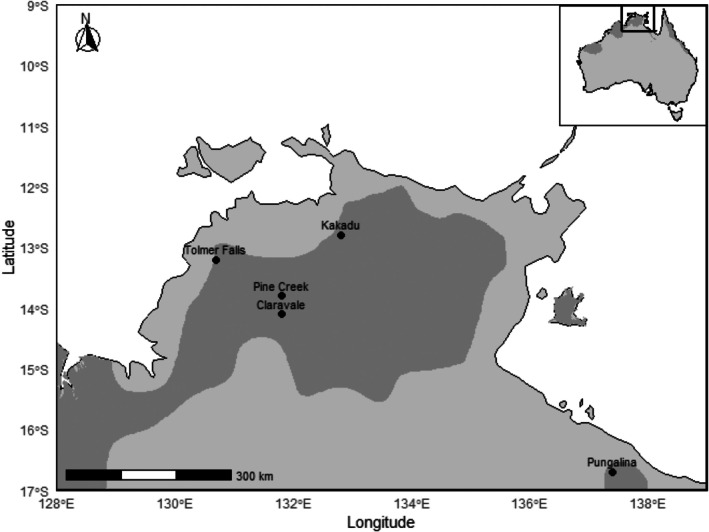 Figure 1
 Figure 2
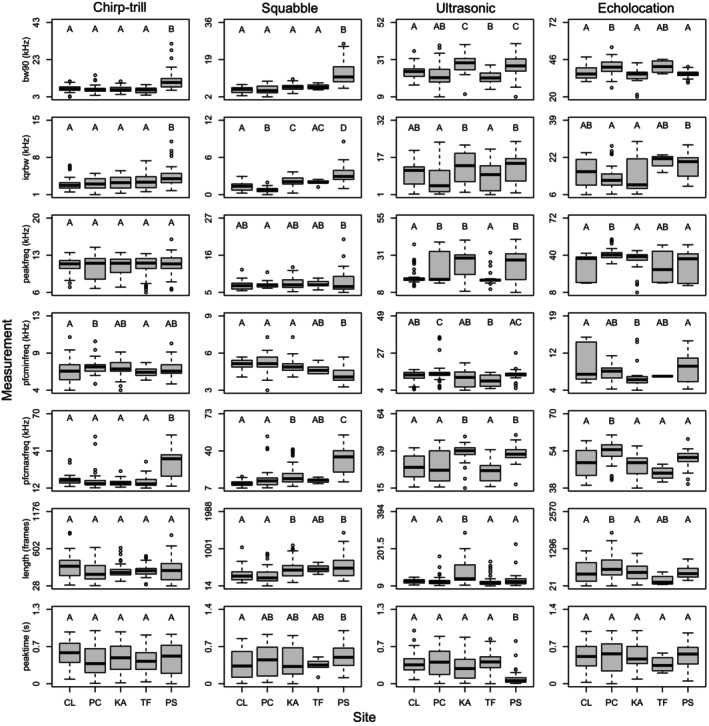 Figure 3
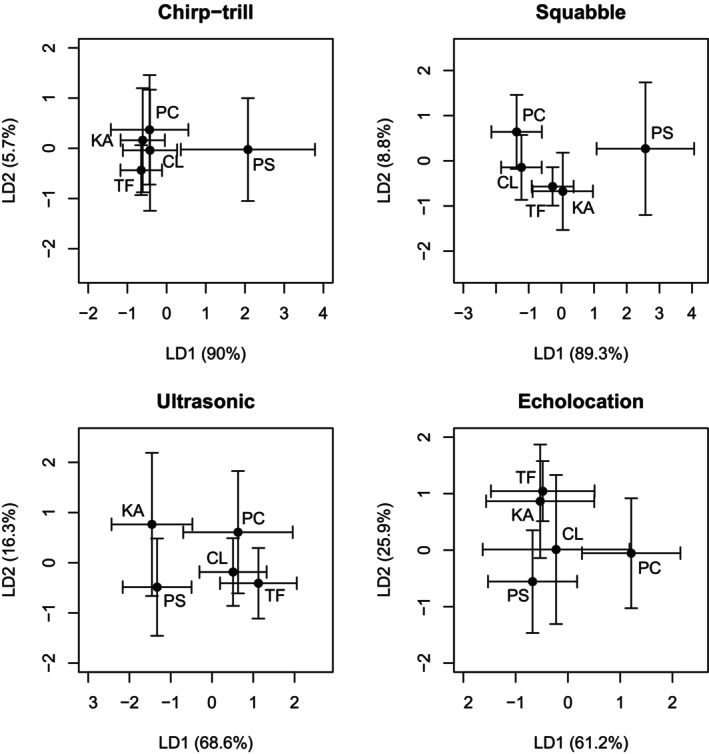 Figure 4
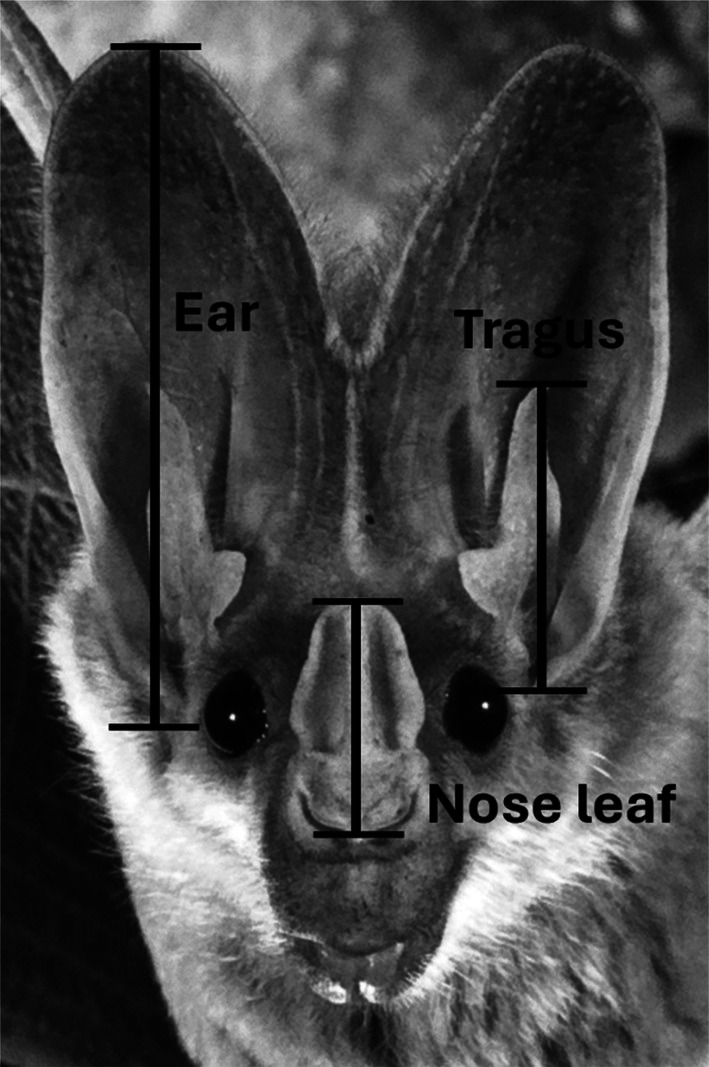 Figure 5
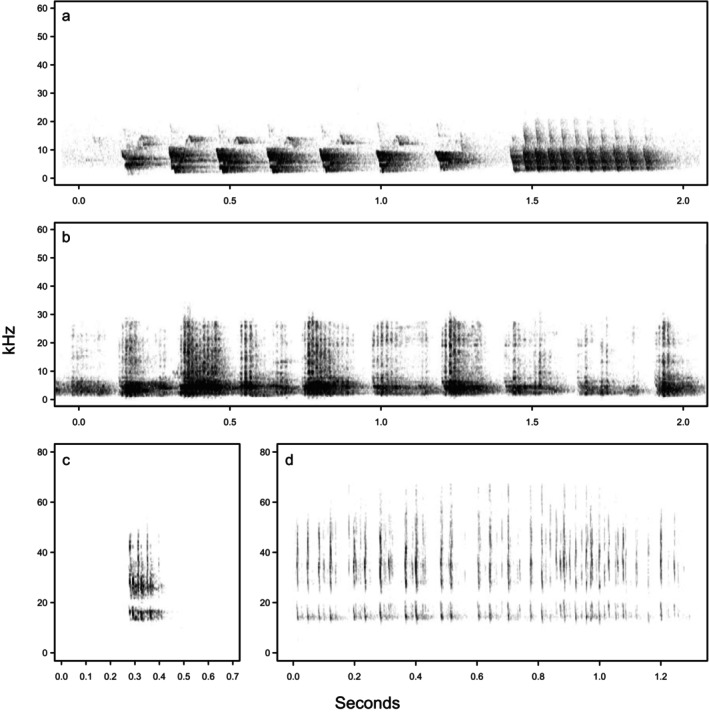 Figure 6
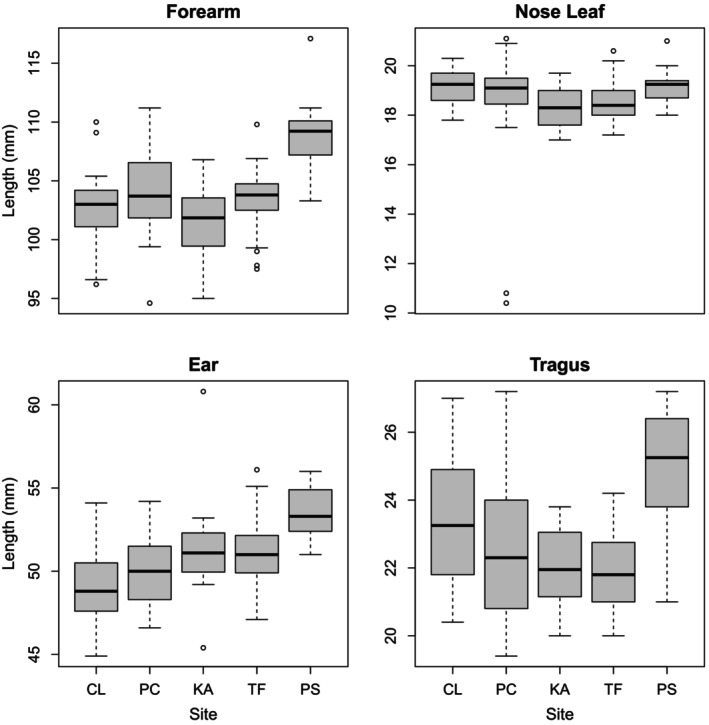 Figure 7
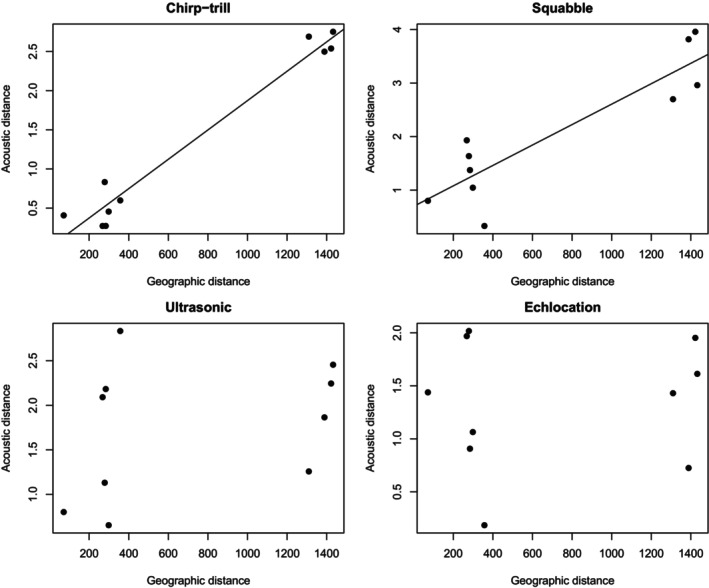 Figure 8
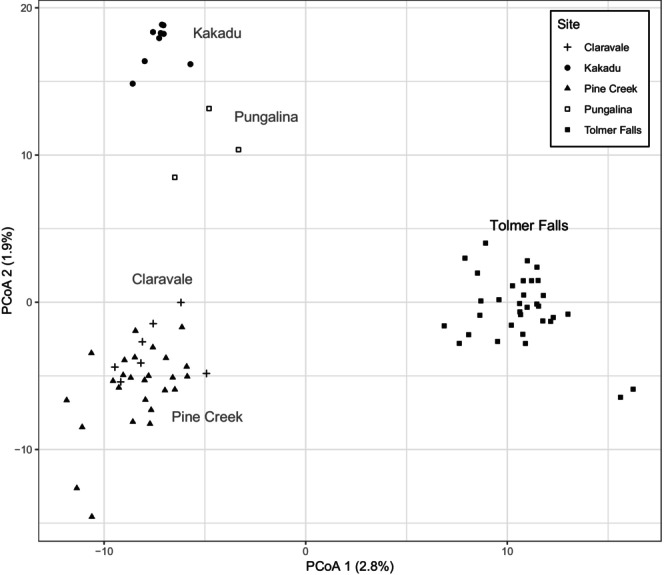 Figure 9
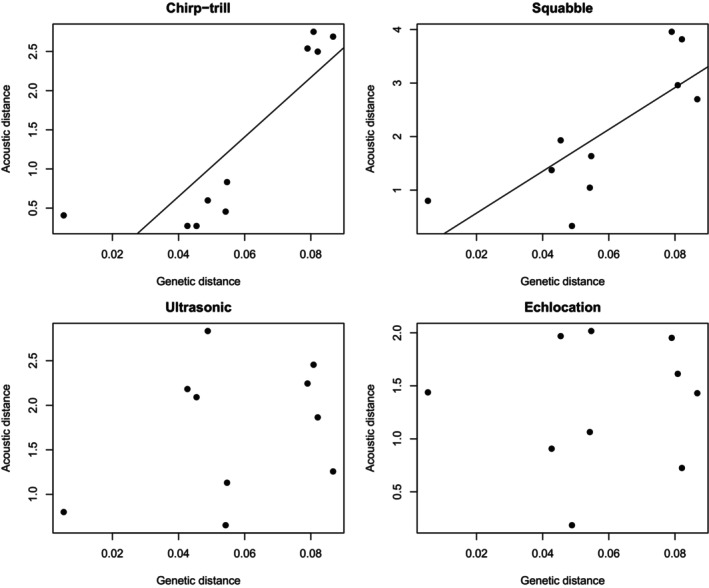 Figure 10
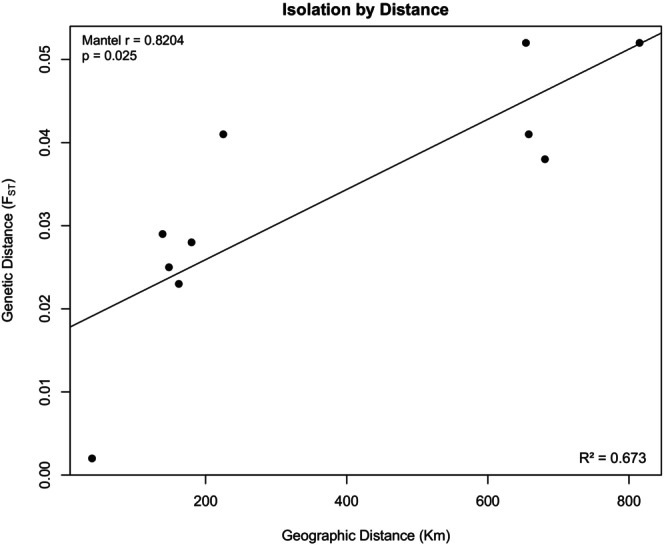 Figure 11
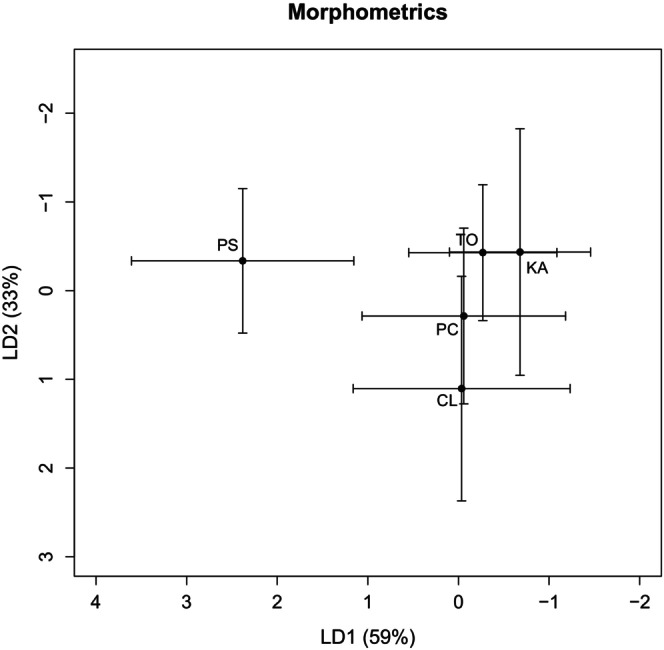 Figure 12
Peer Reviews
No public reviews on file for this paper yet. If you reviewed it on a platform where reviews are public (OpenReview, ICLR, NeurIPS, ICML), you can paste yours below so the community can read it here.
Videos
No videos yet. Explain this paper in a talk, walkthrough, or lecture? Add one.
Taxonomy
TopicsBat Biology and Ecology Studies · Animal Vocal Communication and Behavior · Marine animal studies overview