Intravesical Botulinum Toxin Type A for an Overactive Bladder: A Single-Center Audit
Philip Abolanle, Thomas M Richards, Maike Eylert, Rebecca Saunders, Paulette Hussain, Coral Seymour

TL;DR
This study evaluates the effectiveness and safety of botulinum toxin injections for treating overactive bladder in a real-world patient group.
Contribution
The study provides real-world clinical outcomes of BoNT-A therapy in a diverse patient population with refractory overactive bladder.
Findings
82.4% of patients experienced treatment success with botulinum toxin type A injections.
Neurogenic detrusor overactivity patients were more likely to require post-treatment catheterization.
The median effect duration of the treatment was six months.
Abstract
Background Intravesical administration of botulinum toxin type A (BoNT-A) is an established third-line intervention for patients with refractory overactive bladder (OAB). With BoNT-A therapy now widely adopted, ongoing audits remain important to capture real-world outcomes across different patient groups. This retrospective audit assessed the clinical outcomes of BoNT-A therapy in a heterogeneous patient population treated at a university-affiliated teaching hospital. Methodology We conducted a retrospective audit of 193 patients who received intravesical BoNT-A injections for OAB between January and December 2024. Patients underwent urodynamic testing to confirm diagnosis, and all cases were discussed in multidisciplinary team meetings where approval was given for BoNT-A treatment. Demographic data, treatment parameters, efficacy outcomes, adverse events, and catheterization…
Genes, proteins, chemicals, diseases, species, mutations and cell lines named across the full text — each resolved to its canonical identifier and authoritative record.
Click any figure to enlarge with its caption.
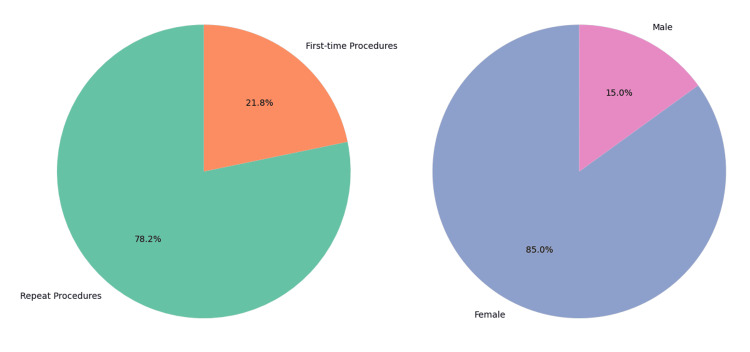 Figure 1
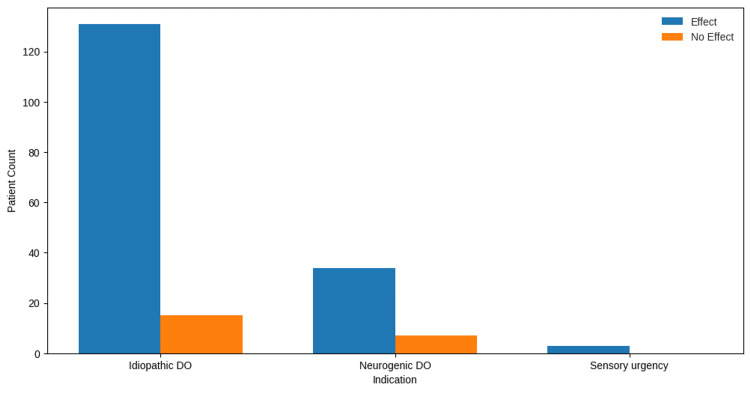 Figure 2
Peer Reviews
No public reviews on file for this paper yet. If you reviewed it on a platform where reviews are public (OpenReview, ICLR, NeurIPS, ICML), you can paste yours below so the community can read it here.
Videos
No videos yet. Explain this paper in a talk, walkthrough, or lecture? Add one.
Taxonomy
TopicsUrinary Bladder and Prostate Research · Pelvic floor disorders treatments · Sexual function and dysfunction studies