TET3 protects the Dlk1-Dio3 imprinted locus from DNA hypomethylation during adult NSC reprogramming
Laura Lázaro-Carot, Esteban Jiménez-Villalba, Jordi Planells, Anna Lozano-Ureña, Jennifer Díaz-Moncho, Raquel Montalbán-Loro, Adela Lleches-Padilla, Martina Kirstein, Mitsuteru Ito, Elizabeth J. Radford, Sacri R. Ferrón

TL;DR
This study shows that TET3 helps maintain DNA methylation at a specific genomic region during the reprogramming of adult neural stem cells into pluripotent stem cells.
Contribution
The study reveals a new role for TET3 in preserving methylation at the Dlk1-Dio3 imprinted locus during reprogramming.
Findings
Most imprinting control regions lose DNA methylation in iPSCs derived from adult NSCs.
The IG-DMR within the Dlk1-Dio3 cluster remains methylated during reprogramming.
TET3 maintains IG-DMR methylation by regulating Oct4 and Trim28 transcription.
Abstract
Genomic imprinting is an epigenetic mechanism that controls monoallelic expression according to parental origin. Imprinted genes are regulated by DNA methylation at imprinting control regions (ICRs), differentially methylated regions (DMRs) that distinguish between parental alleles. Cell reprogramming into induced pluripotent stem cells (iPSCs) offers a valuable model for studying pluripotency. Thus, discerning whether genomic imprinting changes during reprogramming represent epigenetic abnormalities or essential adaptations of pluripotency is crucial. Here, we integrate RNA-seq and MeDIP-seq analysis to profile mouse iPSCs derived from adult neural stem cells (NSCs). Our findings reveal that most ICRs undergo DNA hypomethylation in iPSCs, although the IG-DMR within the Dlk1-Dio3 imprinted cluster remains methylated, serving as an epigenetic marker of pluripotency. We further identify a…
Genes, proteins, chemicals, diseases, species, mutations and cell lines named across the full text — each resolved to its canonical identifier and authoritative record.
Click any figure to enlarge with its caption.
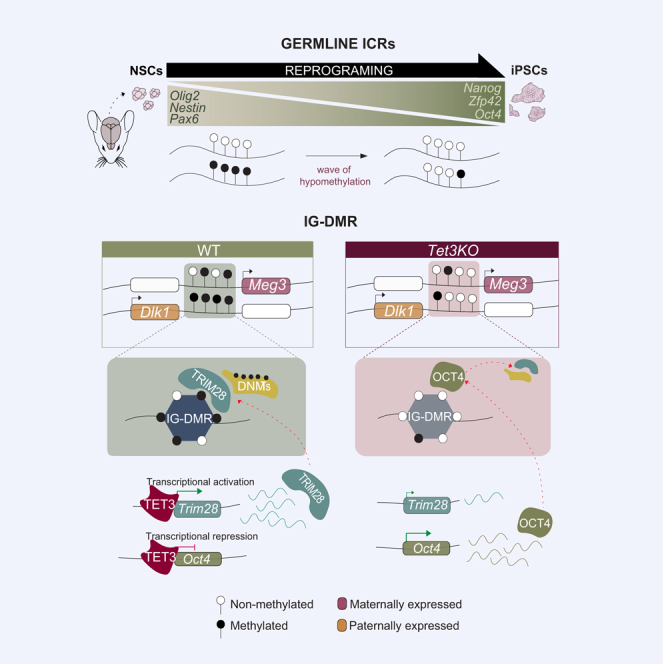 Figure 1
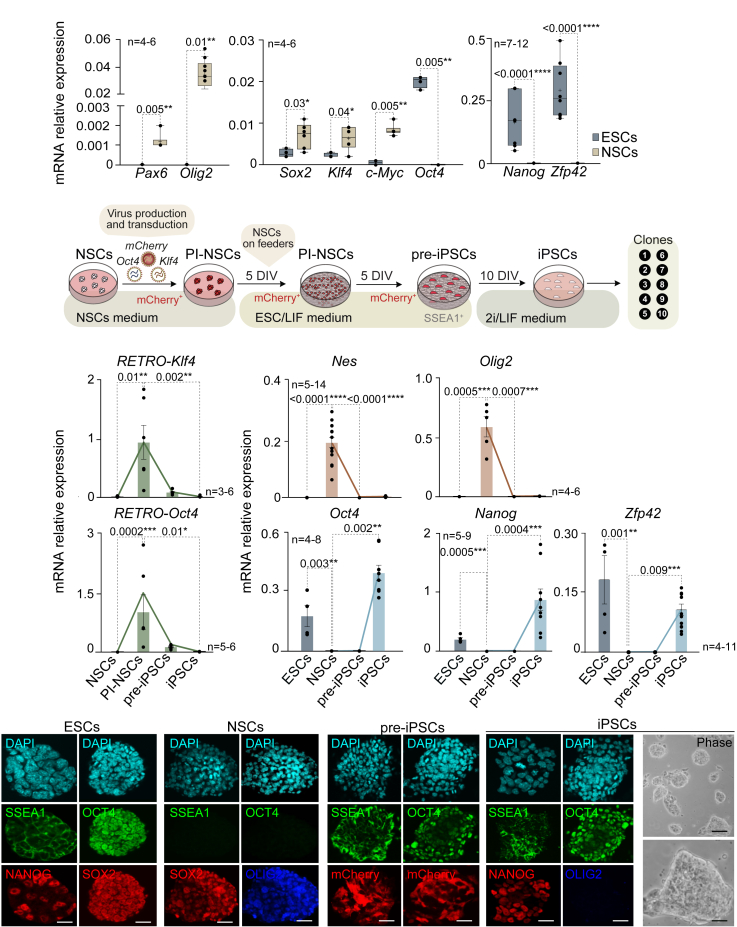 Figure 2
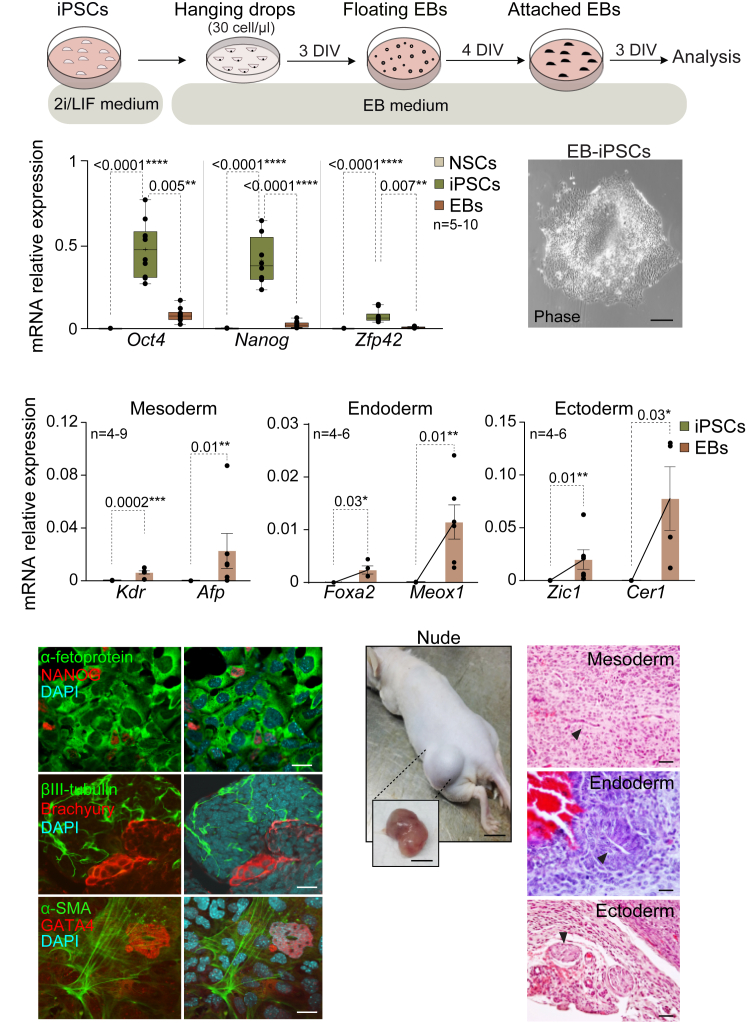 Figure 3
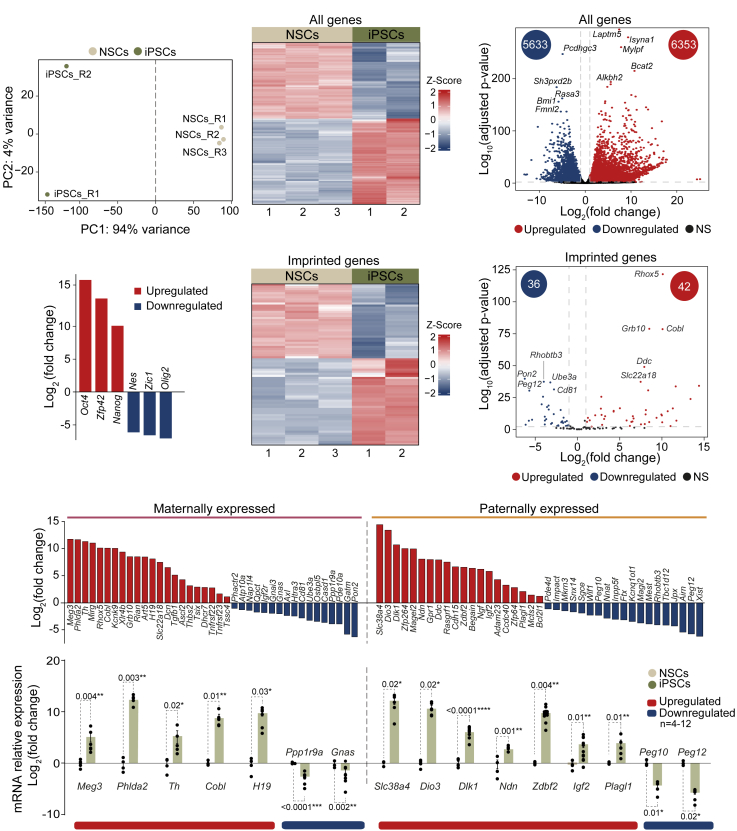 Figure 4
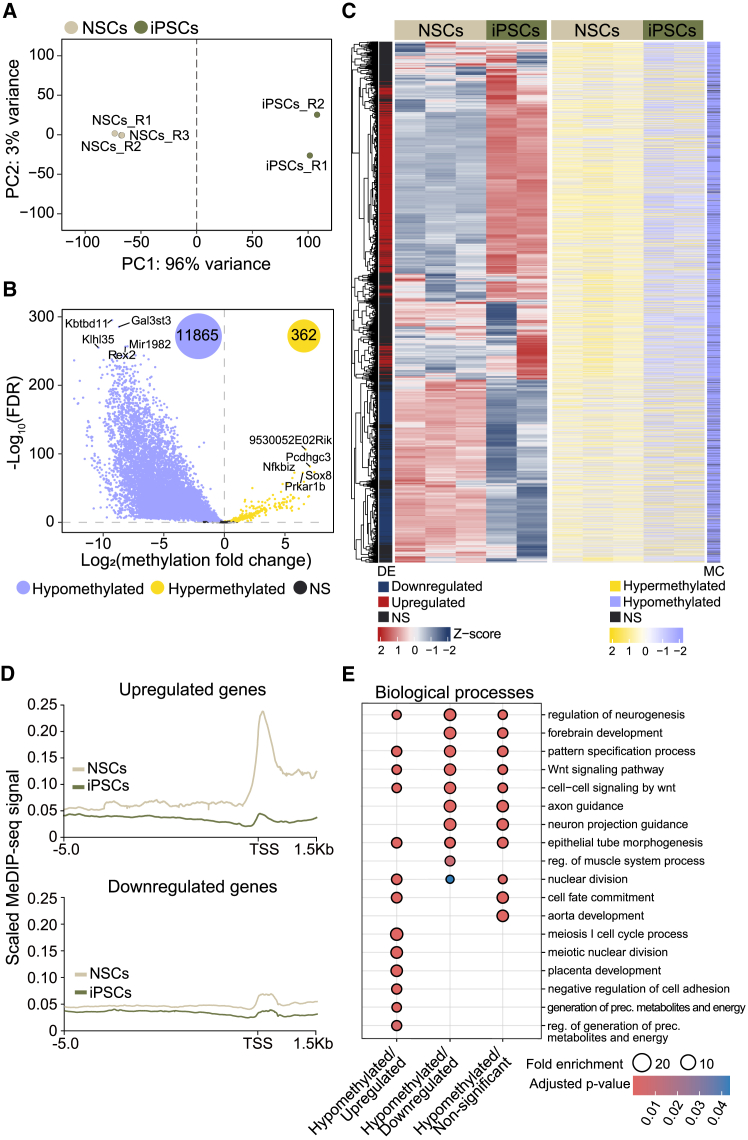 Figure 5
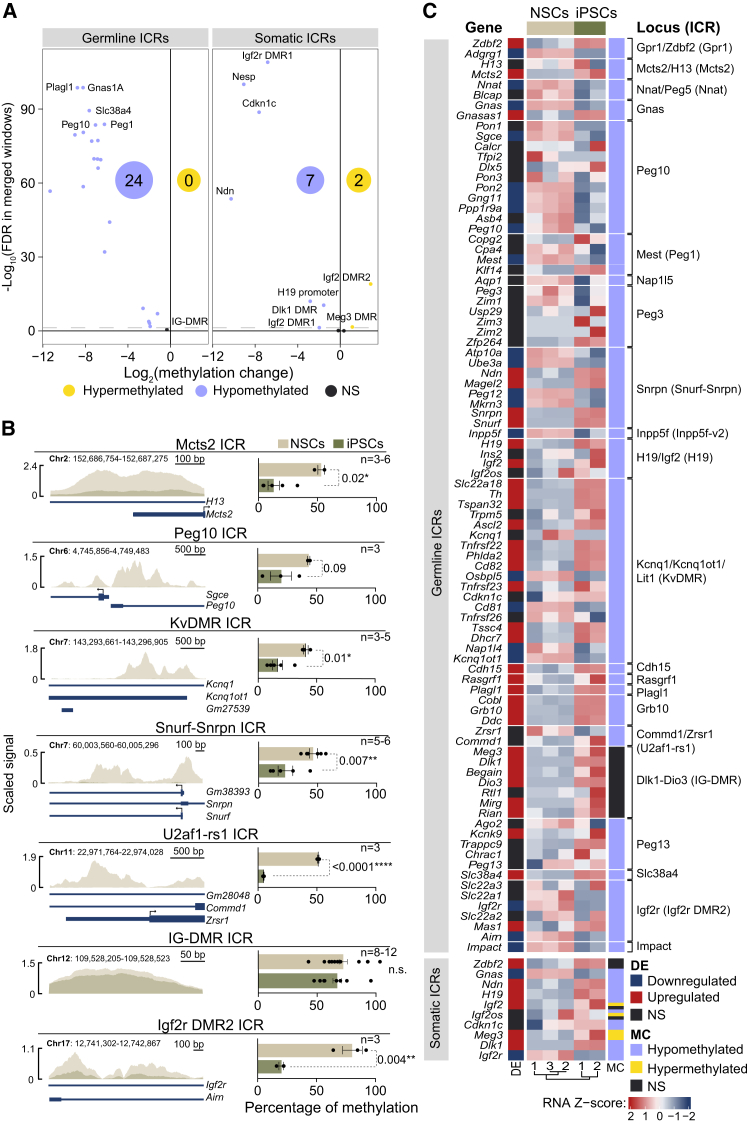 Figure 6
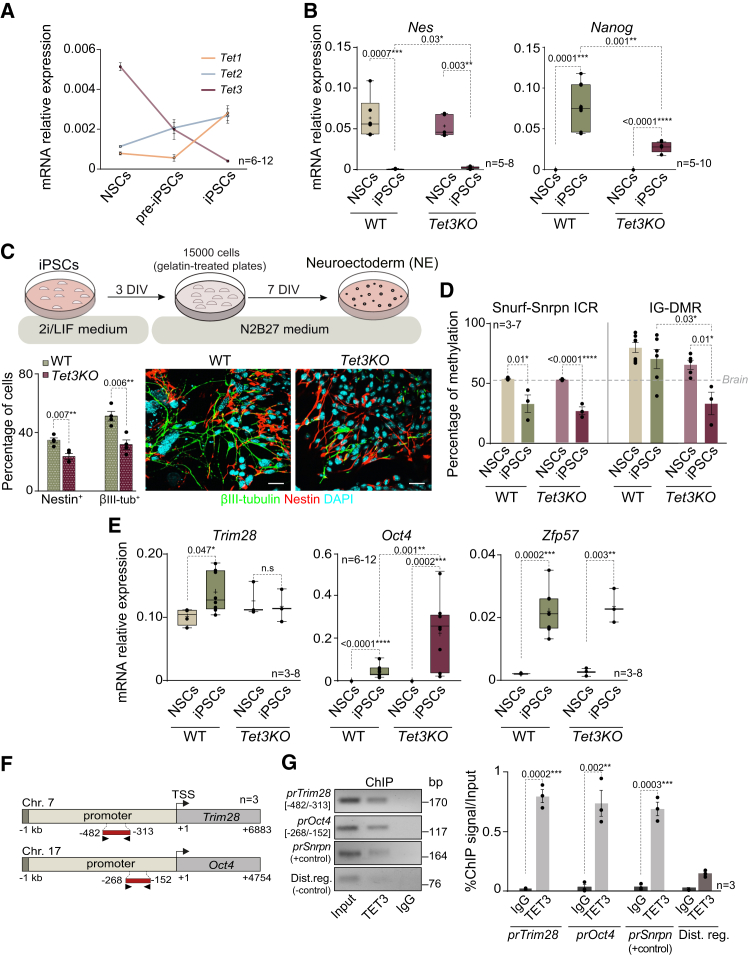 Figure 7
Peer Reviews
No public reviews on file for this paper yet. If you reviewed it on a platform where reviews are public (OpenReview, ICLR, NeurIPS, ICML), you can paste yours below so the community can read it here.
Videos
No videos yet. Explain this paper in a talk, walkthrough, or lecture? Add one.
Taxonomy
TopicsGenetic Syndromes and Imprinting · Epigenetics and DNA Methylation · Genomics and Rare Diseases