STAG2-truncating variants reveal a mosaic STAG2 inactivation pattern and compensatory mechanisms involving cohesin complex remodeling
Macarena Moronta Gines, Marja W. Wessels, Valentina Casa, Thomas van Staveren, Amber Hof, Wendy K. Chung, Marjolaine Willems, Anna Sandestig, Irina Huening, Peter Turnpenny, Mathilde Lefebvre, Ilaria Parenti, Frank J. Kaiser, Jeroen Demmers, Wilfred F.J. van Ijcken

TL;DR
Females with STAG2 mutations show a mix of STAG2 expression and use alternative proteins to compensate, explaining varied symptoms.
Contribution
Discovery of a chimeric cohesin complex and compensatory mechanisms in STAG2-deficient cells.
Findings
Skewed X chromosome inactivation favors the mutant STAG2 allele in most cases.
STAG2-negative cells show a proliferative advantage without cohesion or DNA repair defects.
STAG3 is upregulated and forms a new cohesin complex in somatic cells.
Abstract
Cohesin plays a central role in three-dimensional genome organization and transcriptional regulation, with functional diversity determined by incorporation of distinct STAG subunits. Pathogenic variants in the X-linked STAG2 gene cause a rare cohesinopathy with variable clinical manifestations. Molecular analyses of fibroblasts from females carrying germline STAG2-truncating variants revealed highly skewed X chromosome inactivation favoring the mutant allele, resulting in loss of STAG2 expression in most cases. STAG2-deficient cells displayed a proliferative advantage and transcriptional alterations without detectable defects in sister chromatid cohesion or DNA repair. Notably, compensatory upregulation of STAG1 and ectopic expression of the germ cell-specific paralog STAG3 were observed, leading to the formation of a previously unrecognized chimeric cohesin complex in somatic cells.…
Genes, proteins, chemicals, diseases, species, mutations and cell lines named across the full text — each resolved to its canonical identifier and authoritative record.
Click any figure to enlarge with its caption.
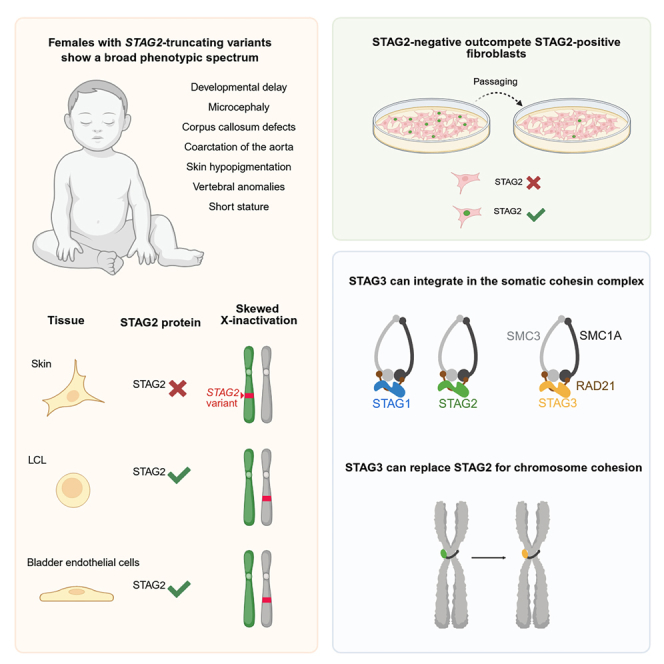 Figure 1
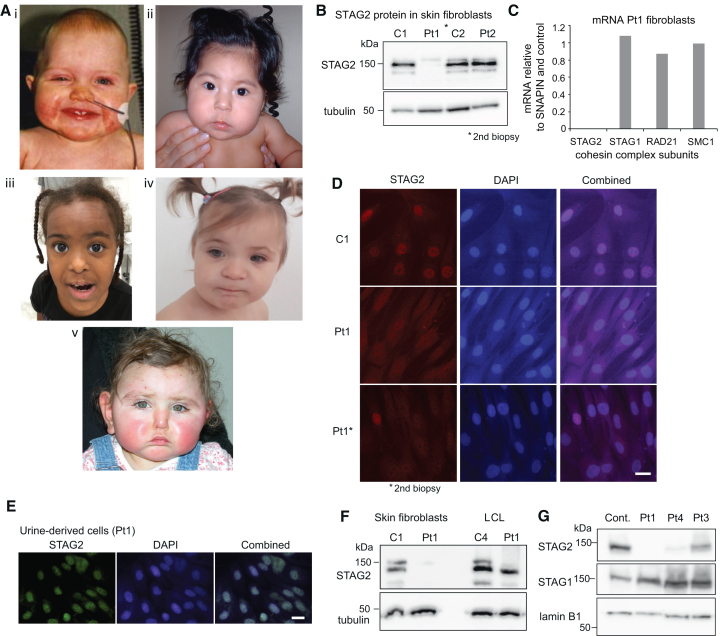 Figure 2
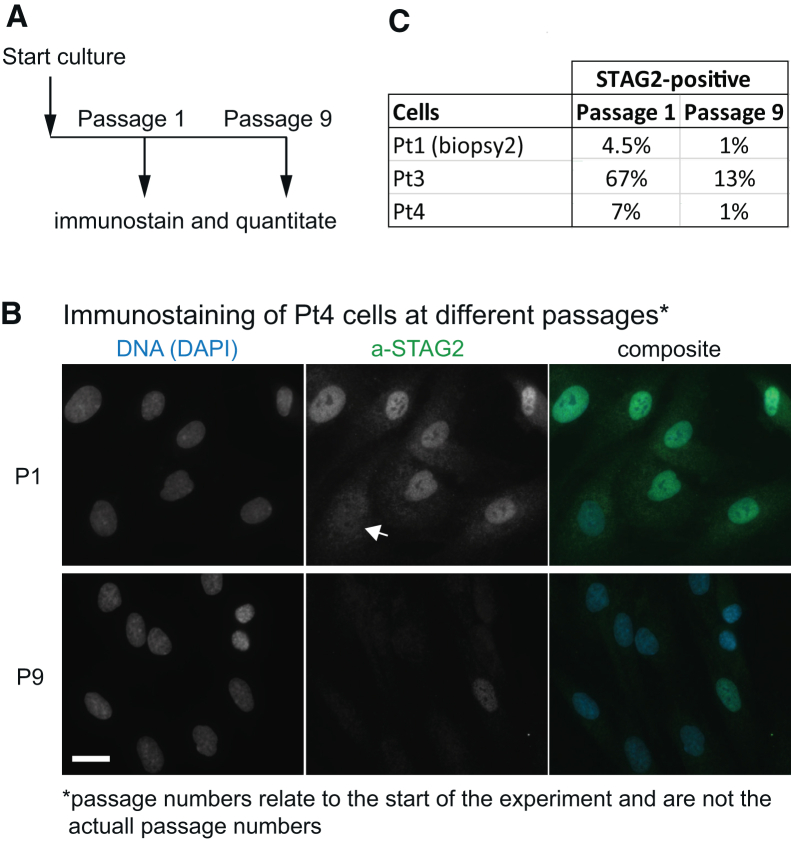 Figure 3
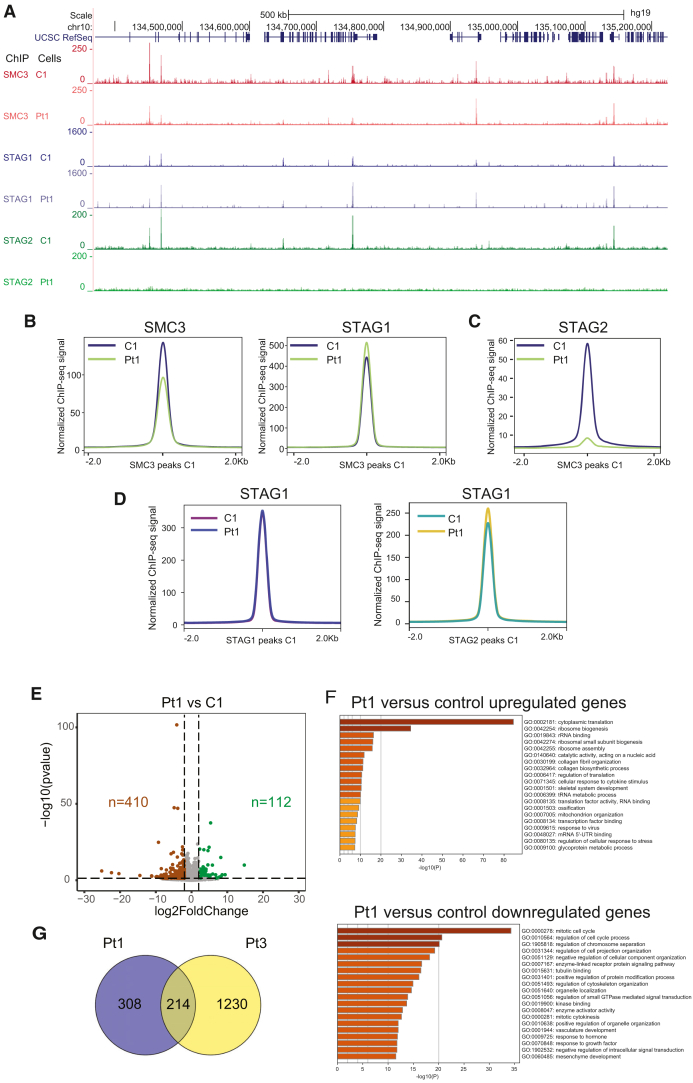 Figure 4
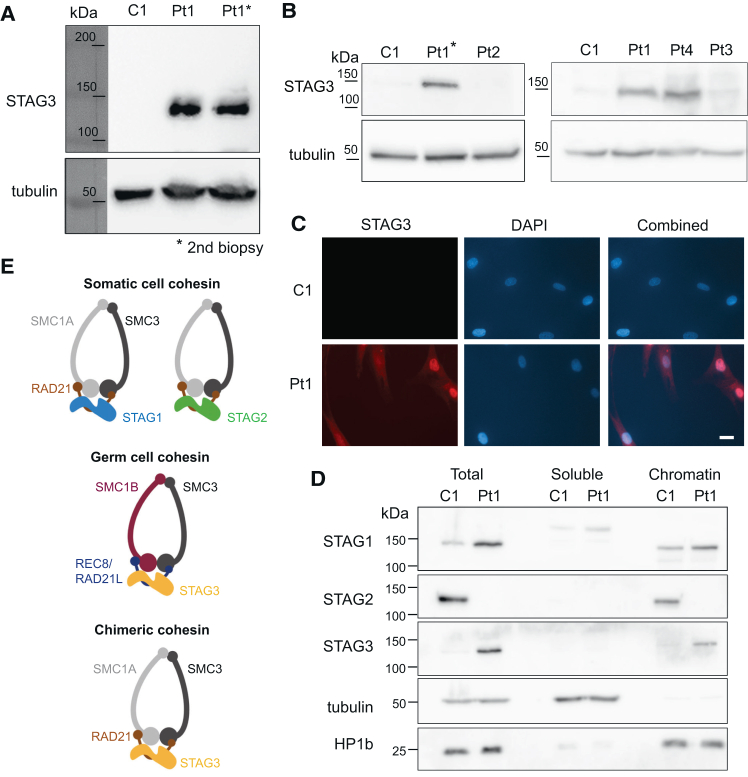 Figure 5
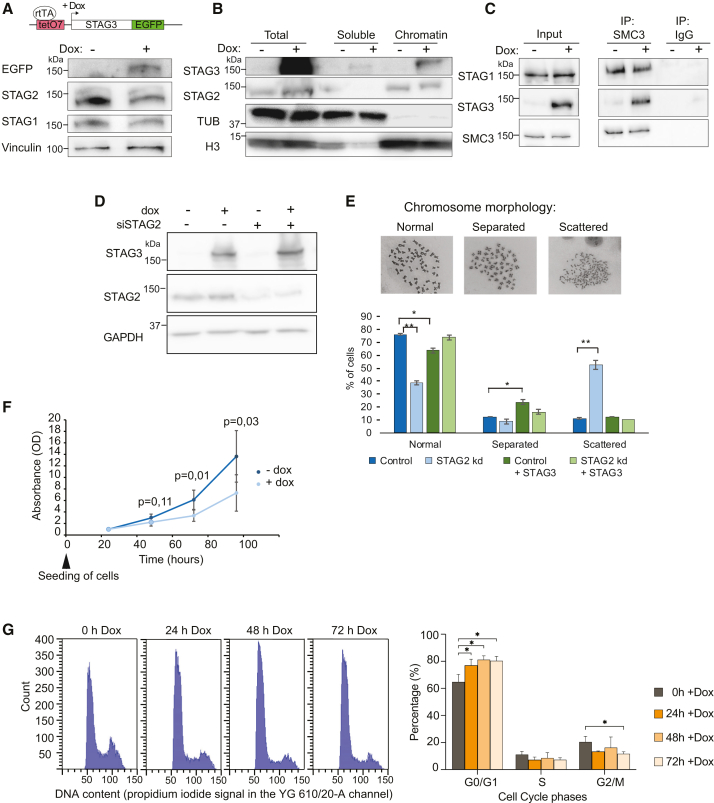 Figure 6
Peer Reviews
No public reviews on file for this paper yet. If you reviewed it on a platform where reviews are public (OpenReview, ICLR, NeurIPS, ICML), you can paste yours below so the community can read it here.
Videos
No videos yet. Explain this paper in a talk, walkthrough, or lecture? Add one.
Taxonomy
TopicsGenomics and Chromatin Dynamics · Connective tissue disorders research · Wnt/β-catenin signaling in development and cancer