Cardiovascular Catastrophe in Hysteroscopic Surgery: A Case of Diagnostic Dilemma, Arrest, and Recovery
Bheemas Atlapure, Veswudu Swuro, Anirban Bhattacharjee, Ankur Khandelwal, Himangshu Malakar, Saswati Tripathy, Satheesh G, Habib Md R Karim

TL;DR
A patient undergoing hysteroscopic surgery experienced severe cardiovascular collapse due to fluid overload and electrolyte imbalance, requiring emergency resuscitation and highlighting the need for vigilance during such procedures.
Contribution
This case report highlights the rare but life-threatening complication of fluid overload during hysteroscopic surgery and emphasizes the importance of rapid diagnosis and intervention.
Findings
The patient developed severe hyponatremia, hypokalemia, and metabolic acidosis during the procedure.
Point-of-care ultrasound and arterial blood gas analysis aided in diagnosing fluid overload and guiding resuscitation.
ROSC was achieved after 13 minutes of CPR, followed by ICU management for pulmonary edema and vasopressor support.
Abstract
Hysteroscopic surgery carries a risk of fluid overload and electrolyte imbalance. Although acute cardiovascular collapse due to excessive fluid absorption is rare, it can be life-threatening. A 36-year-old otherwise healthy female underwent hysteroscopic myomectomy under combined spinal-epidural anesthesia. She developed sudden bradycardia, hypotension, and unresponsiveness 50 minutes into the procedure, which responded to adrenaline and brief chest compressions (<1 minute). She was intubated and achieved return of spontaneous circulation (ROSC); however, elevated airway pressures complicated the case. The hysteroscopic procedure was continued for another 20 minutes, considering near-completion, but required conversion to an open approach. Meanwhile, desaturation was noted, and the patient had pulseless ventricular tachycardia requiring defibrillation and cardiopulmonary resuscitation…
Genes, proteins, chemicals, diseases, species, mutations and cell lines named across the full text — each resolved to its canonical identifier and authoritative record.
Click any figure to enlarge with its caption.
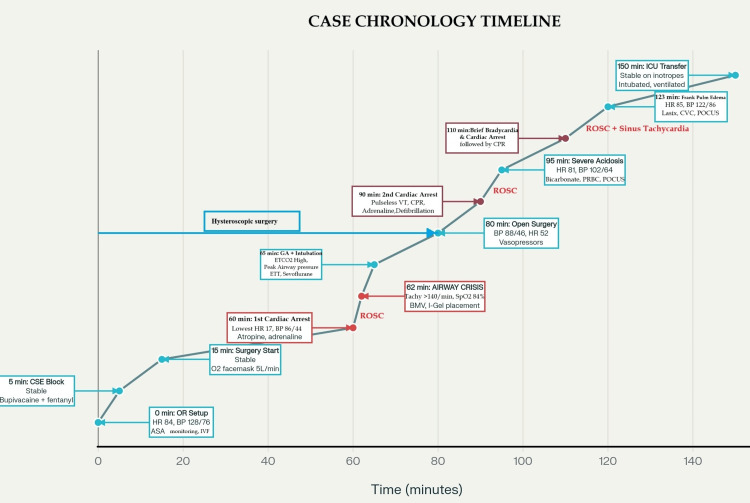 Figure 1
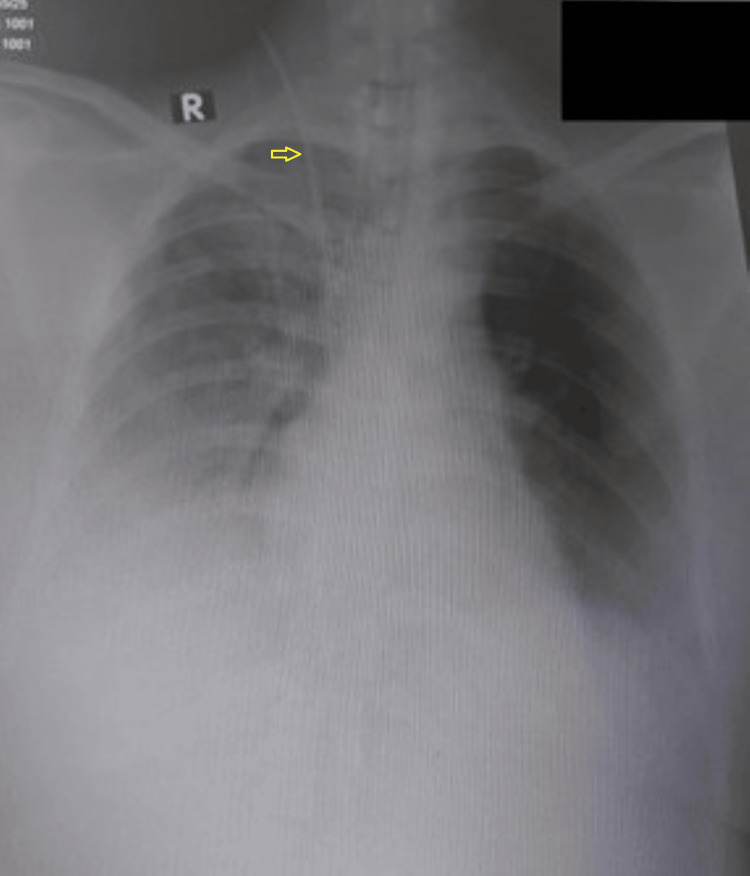 Figure 2
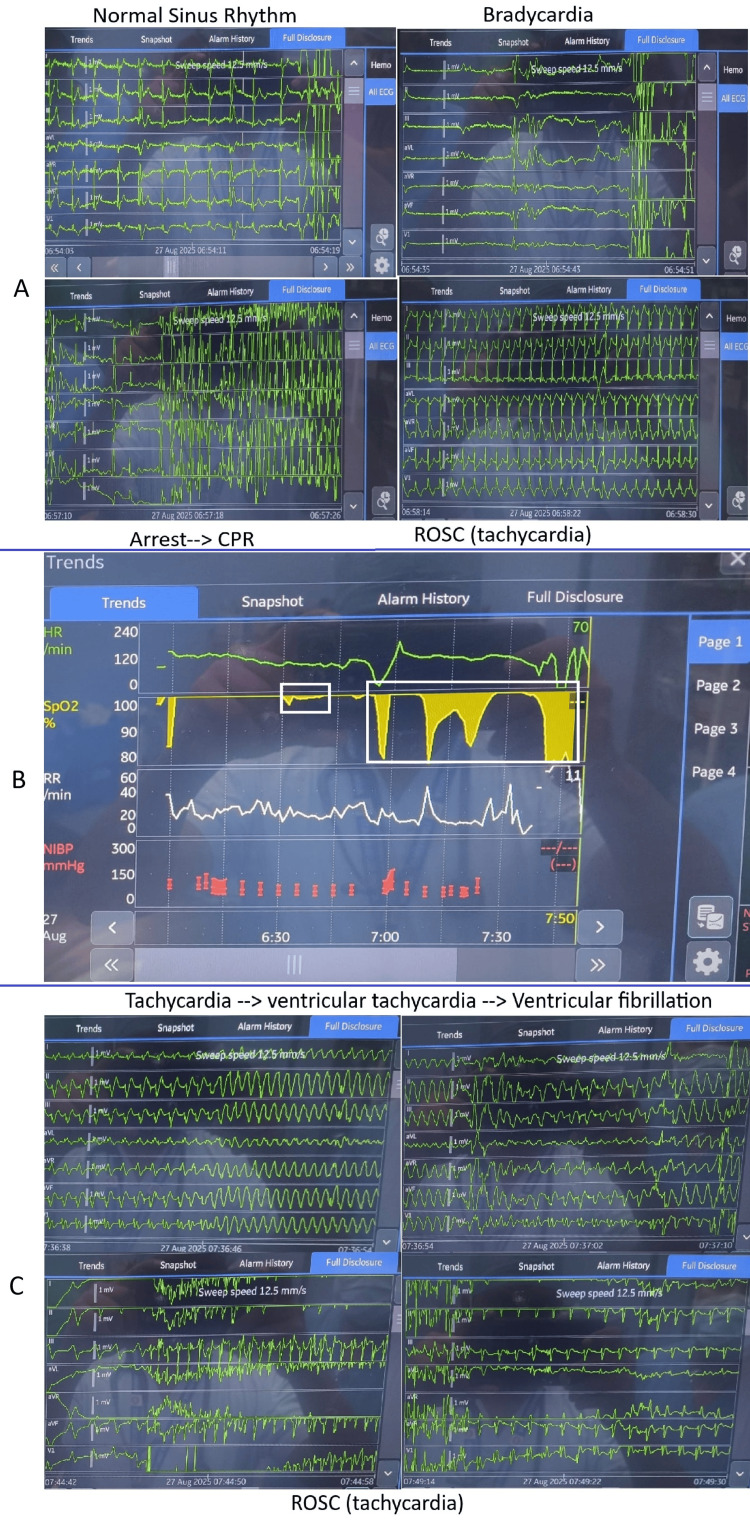 Figure 3
Peer Reviews
No public reviews on file for this paper yet. If you reviewed it on a platform where reviews are public (OpenReview, ICLR, NeurIPS, ICML), you can paste yours below so the community can read it here.
Videos
No videos yet. Explain this paper in a talk, walkthrough, or lecture? Add one.
Taxonomy
TopicsElectrolyte and hormonal disorders · Gynecological conditions and treatments · Hemodynamic Monitoring and Therapy