Atopic Dermatitis–like mouse model using early inoculation of patient-derived S. aureus together with MC903
Aaroh Joshi, Altan Cornu, Josefa Luxner, Gernot Zarfel, Camille Braun, Jean-Francois Nicolas, Richard L. Gallo, Marc Vocanson, Peter Wolf, Vijaykumar Patra

TL;DR
This study explores how different strains of Staphylococcus aureus from atopic dermatitis patients affect skin inflammation in mice, especially in a type 2 immune environment.
Contribution
The study introduces a novel mouse model using patient-derived S. aureus strains to investigate their role in AD inflammation.
Findings
Clinical S. aureus strains showed significant variability in their ability to cause inflammation.
S. aureus strains enhanced colonization and inflammation in a type 2 immune environment.
S. epidermidis strains induced only mild and consistent inflammation with less strain variability.
Abstract
Staphylococcus aureus (S. aureus) worsens atopic dermatitis (AD), but how individual strains differ in pathogenicity remains unclear. Mouse models that mimic AD and allow direct manipulation of S. aureus in early stages of disease are limited. Moreover, these models rarely incorporate clinical S. aureus strains isolated from patients with AD. In this study, we investigated the inflammatory potential of clinical S. aureus and S. epidermidis isolates from patients with AD in a mouse model. Clinical S. aureus strains showed significant variability in their ability to elicit inflammation. The inflammation was associated with differences in virulence factor expression and, to a lesser extent, with genomic variation. In contrast, S. epidermidis strains (taken from the same lesional skin sites of patients) induced only mild but consistent inflammation, with less variability at the strain…
Genes, proteins, chemicals, diseases, species, mutations and cell lines named across the full text — each resolved to its canonical identifier and authoritative record.
Click any figure to enlarge with its caption.
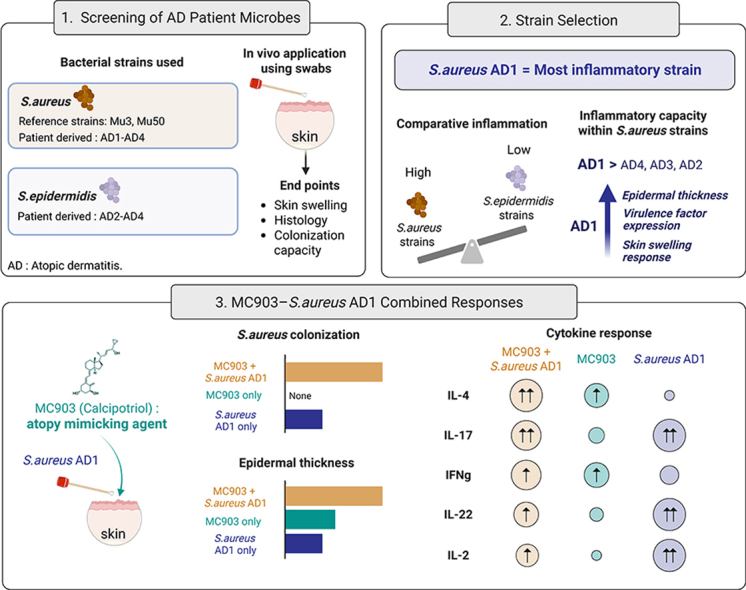 Figure 1
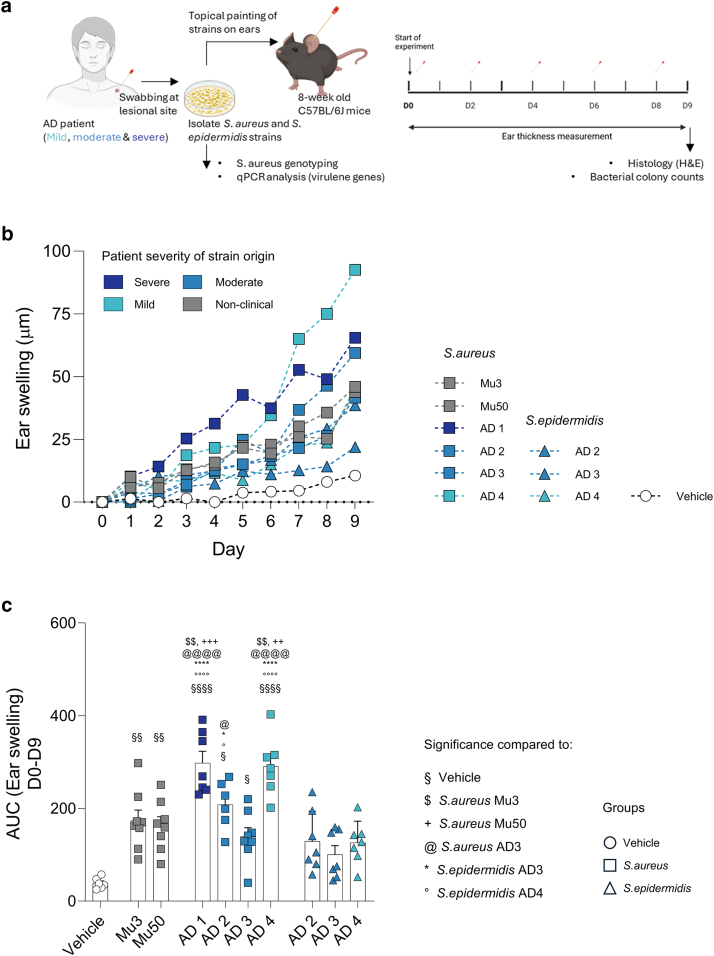 Figure 2
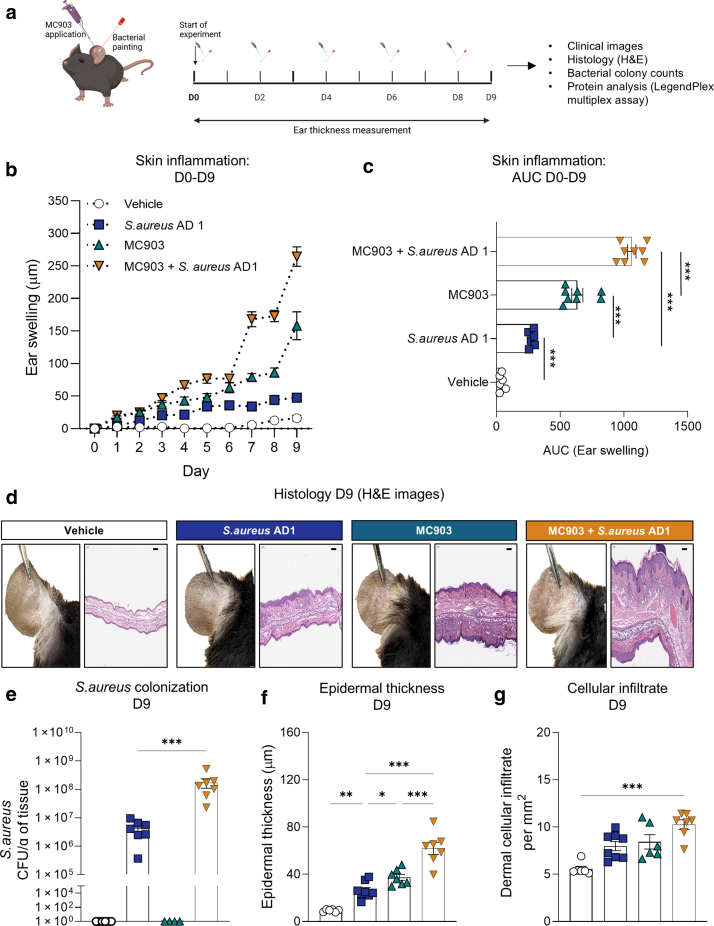 Figure 3
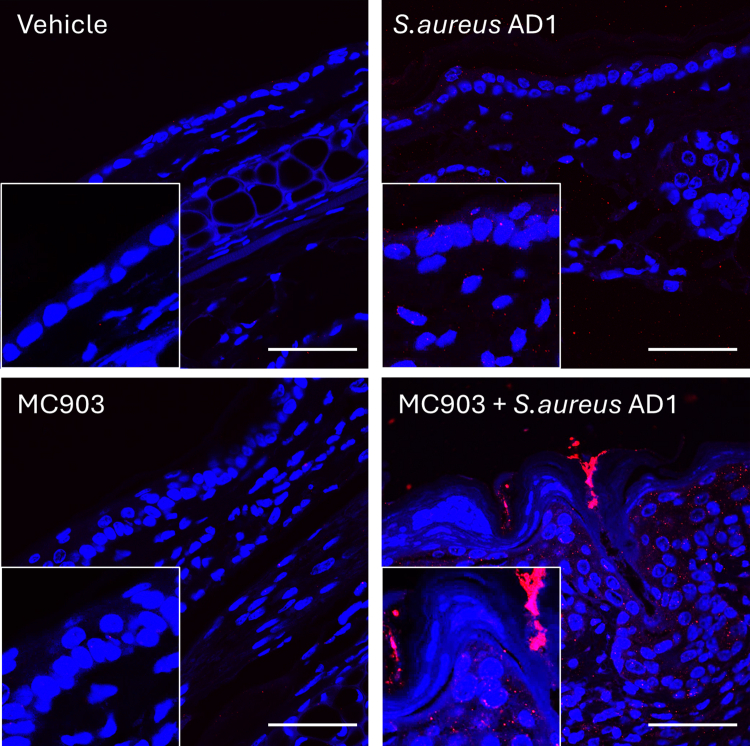 Figure 4
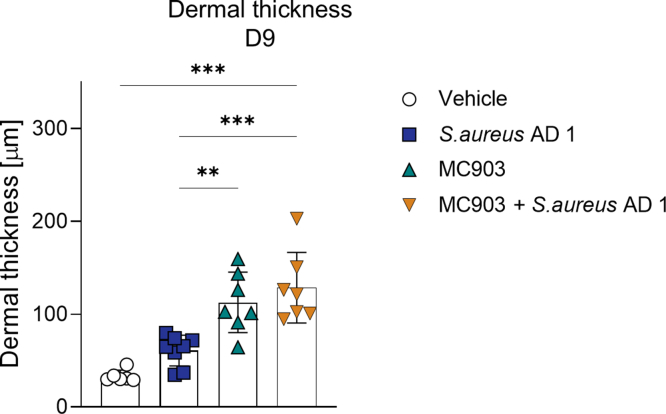 Figure 5
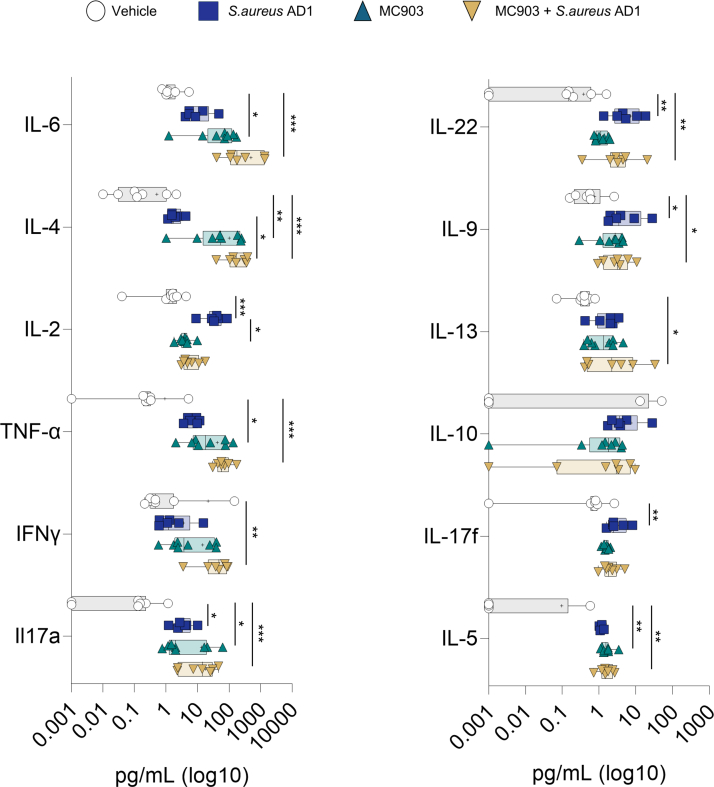 Figure 6
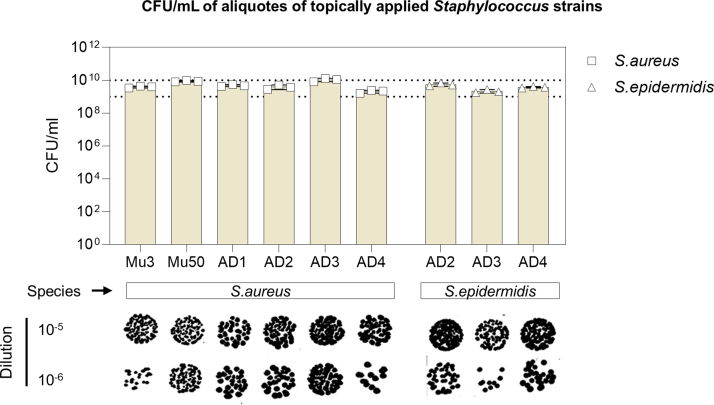 Figure 7
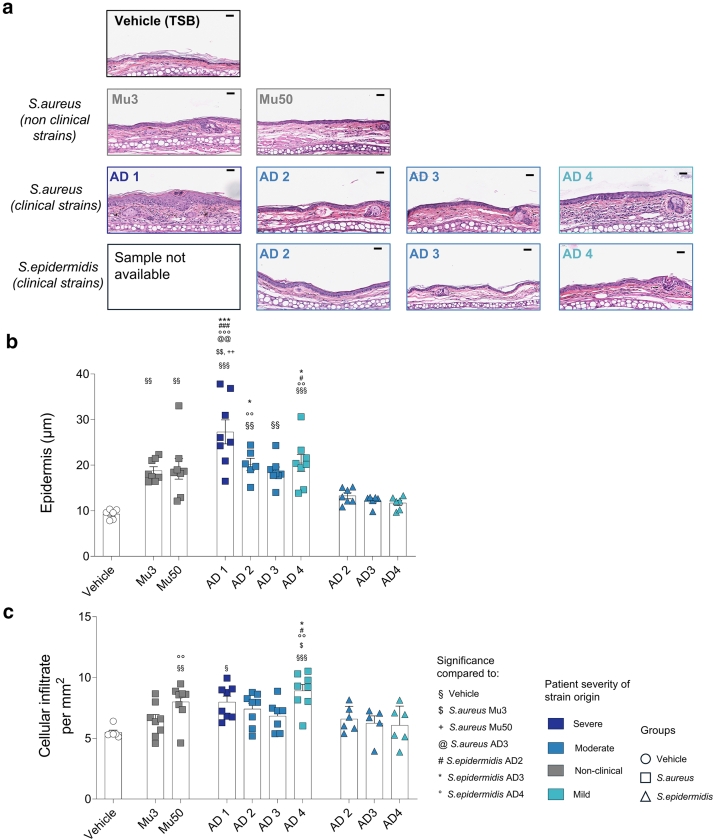 Figure 8
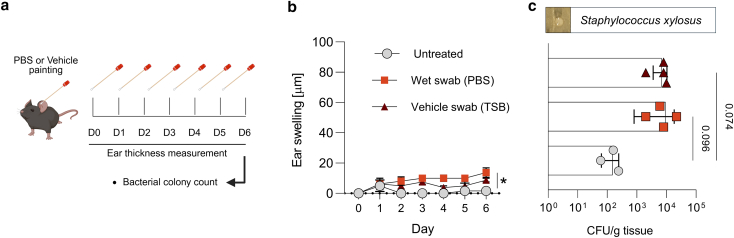 Figure 9
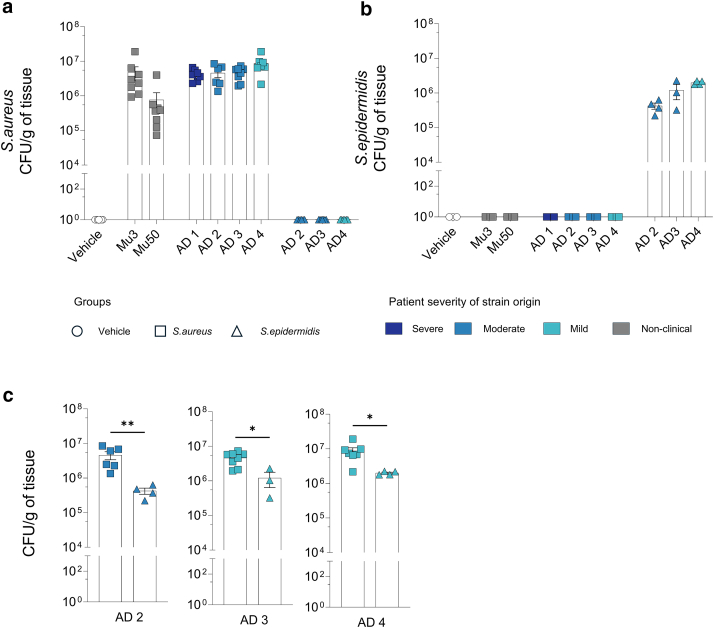 Figure 10
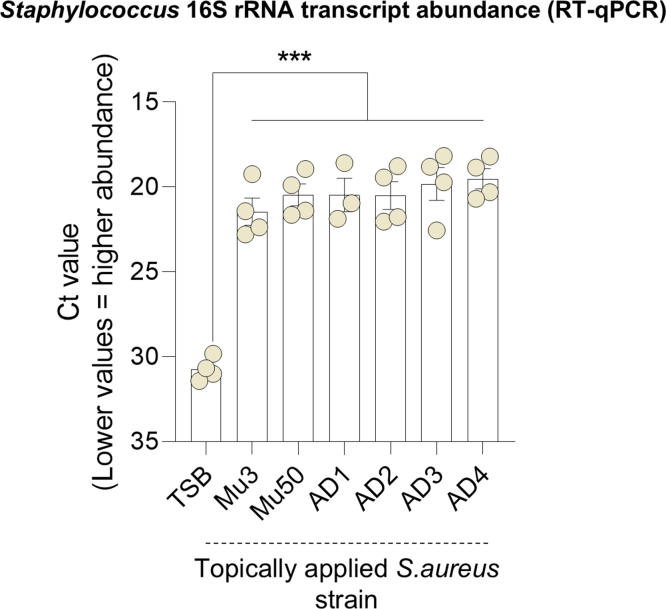 Figure 11
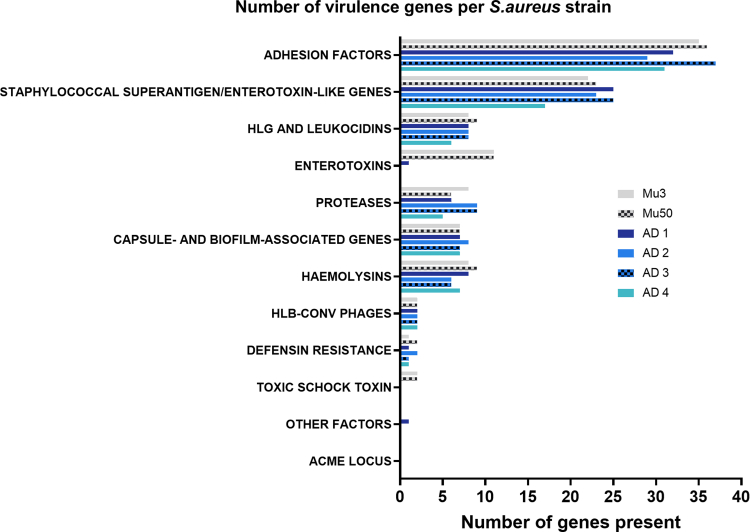 Figure 12
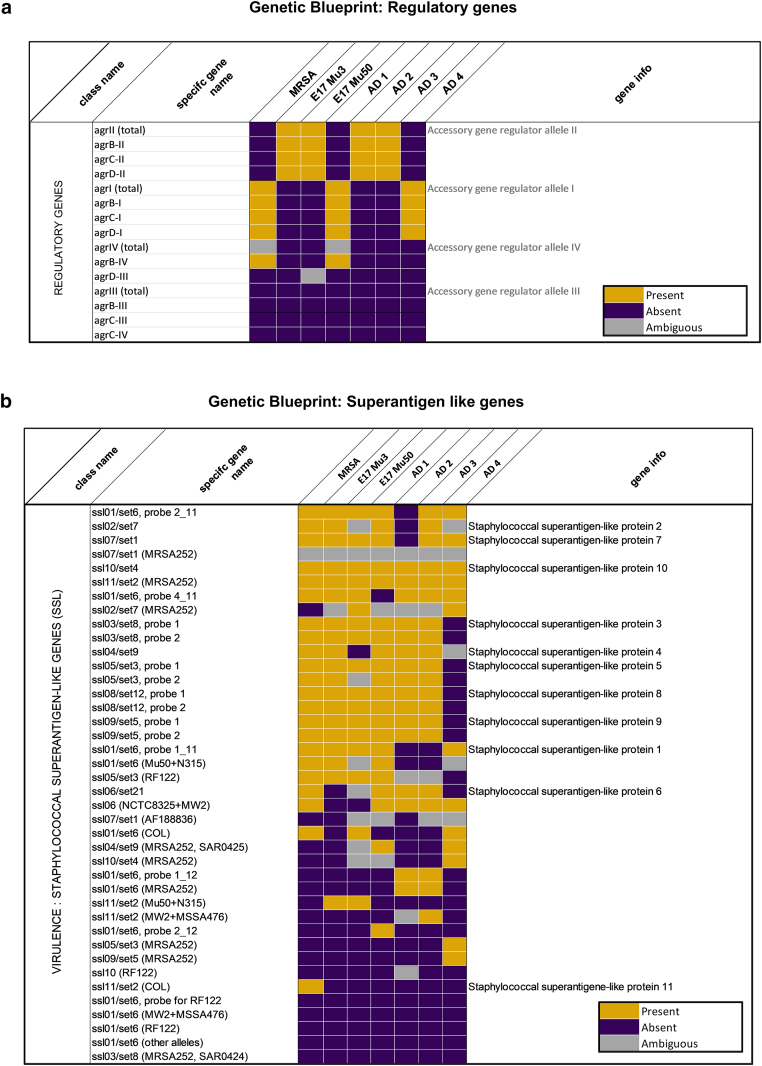 Figure 13
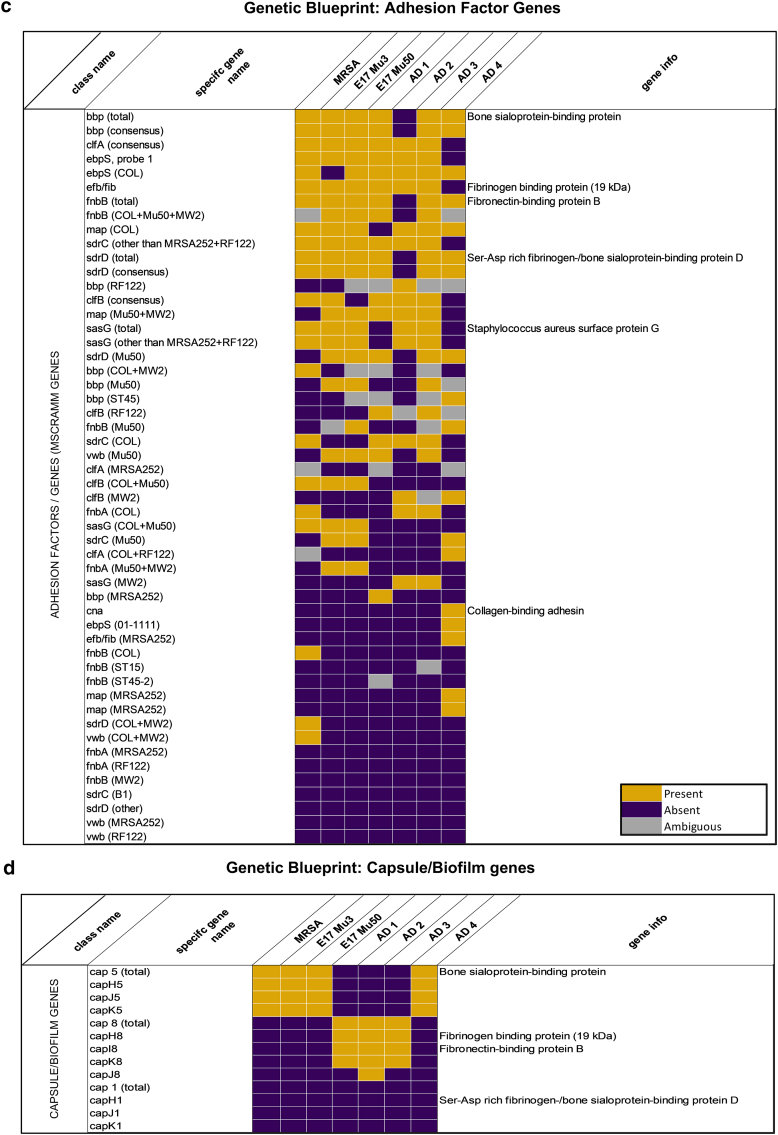 Figure 14
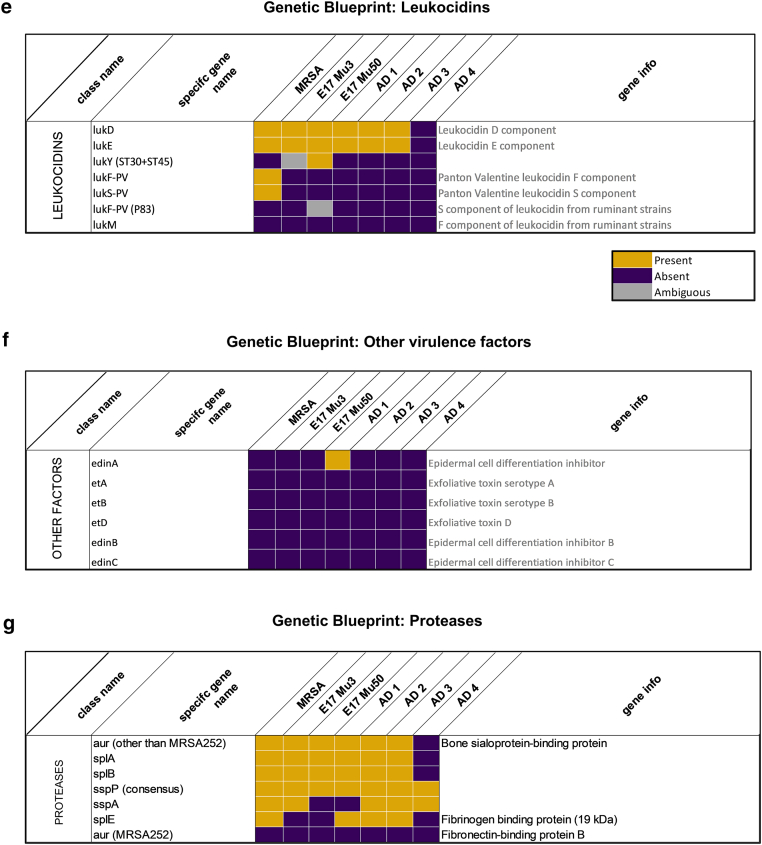 Figure 15
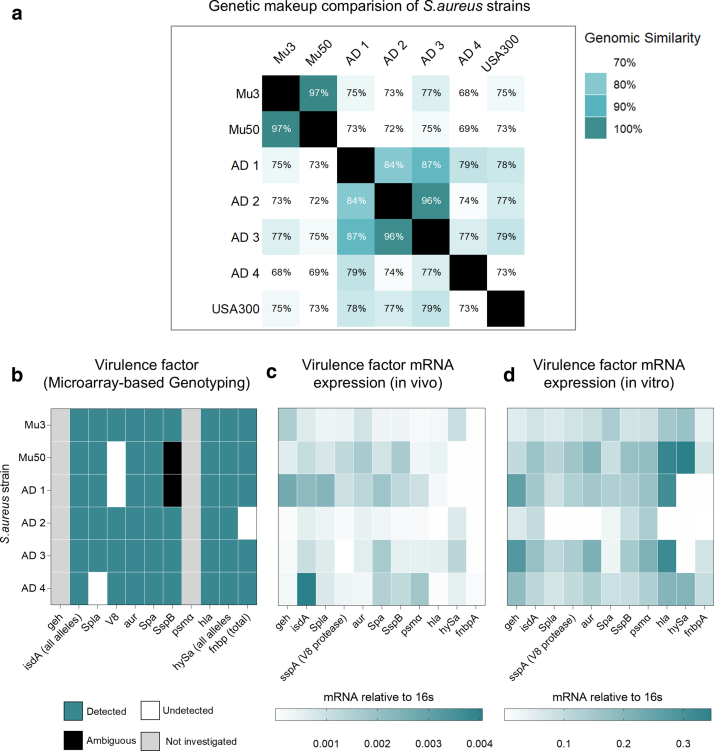 Figure 16
Peer Reviews
No public reviews on file for this paper yet. If you reviewed it on a platform where reviews are public (OpenReview, ICLR, NeurIPS, ICML), you can paste yours below so the community can read it here.
Videos
No videos yet. Explain this paper in a talk, walkthrough, or lecture? Add one.
Taxonomy
TopicsDermatology and Skin Diseases · Psoriasis: Treatment and Pathogenesis · Probiotics and Fermented Foods