Integrative multiomics analysis reveals the ameliorative effects of Xiasangju on metabolic dysfunction-associated steatohepatitis
Feng Xiang, Zhiqiang He, Chen Yang, Limei Lin, Qinghua Peng, Zhimin Zhang

TL;DR
This study shows that Xiasangju, a traditional Chinese herbal tea, can improve liver health in mice with a liver disease called MASH by reducing inflammation, oxidative stress, and fibrosis.
Contribution
The study is the first to systematically explore Xiasangju's therapeutic effects on MASH using multiomics analysis and identify its mechanisms.
Findings
Xiasangju ameliorates liver injury, lipid deposition, inflammation, oxidative stress, and fibrosis in MASH mice.
Xiasangju modulates metabolic pathways like purine metabolism and retinol metabolism to improve liver function.
Xiasangju inhibits liver fibrosis by suppressing TGF-β1/Smads and PI3K/AKT/Hmox1 signaling pathways.
Abstract
Metabolic dysfunction-associated steatohepatitis (MASH) is a prevalent chronic liver disease for which safe and effective therapeutic options remain scarce. Xiasangju (XSJ), a widely consumed traditional Chinese herbal tea, exhibits diverse pharmacological activities, such as antioxidant, anti-inflammatory, and glucolipid-metabolic regulatory activities. However, its therapeutic potential for MASH has yet to be systematically explored. This study aims to investigate the pharmacological effects of XSJ on a MASH model induced by a choline-deficient, L-amino acid-defined, high-fat diet (CDAHFD) in mice and to elucidate its potential mechanisms of action. The chemical constituents of XSJ were identified using UPLC-Q-TOF–MS technology. Network pharmacology was employed to predict the potential mechanisms of XSJ in the treatment of MASH. The therapeutic efficacy was evaluated using a…
Genes, proteins, chemicals, diseases, species, mutations and cell lines named across the full text — each resolved to its canonical identifier and authoritative record.
Click any figure to enlarge with its caption.
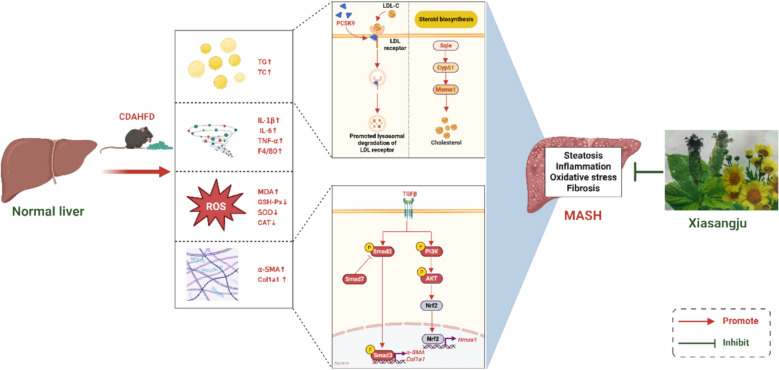 Figure 10
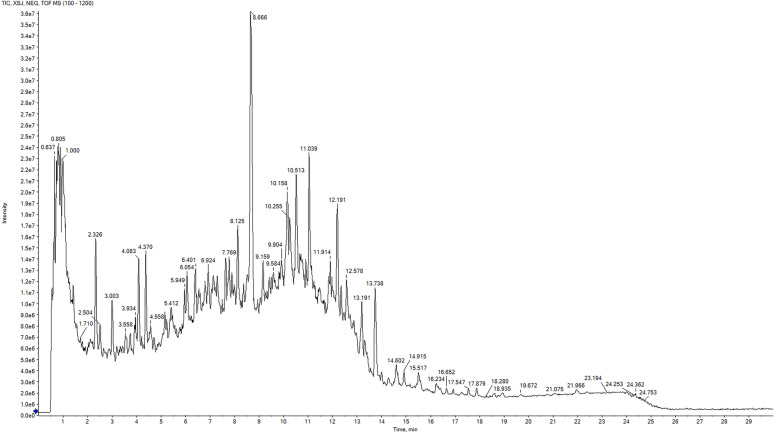 Figure 1
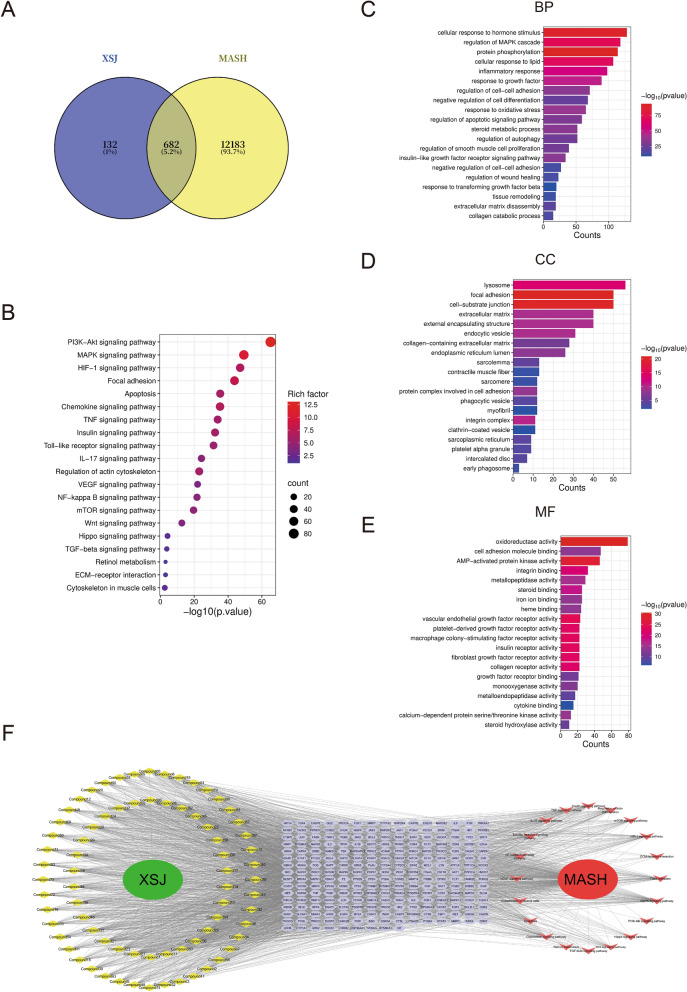 Figure 2
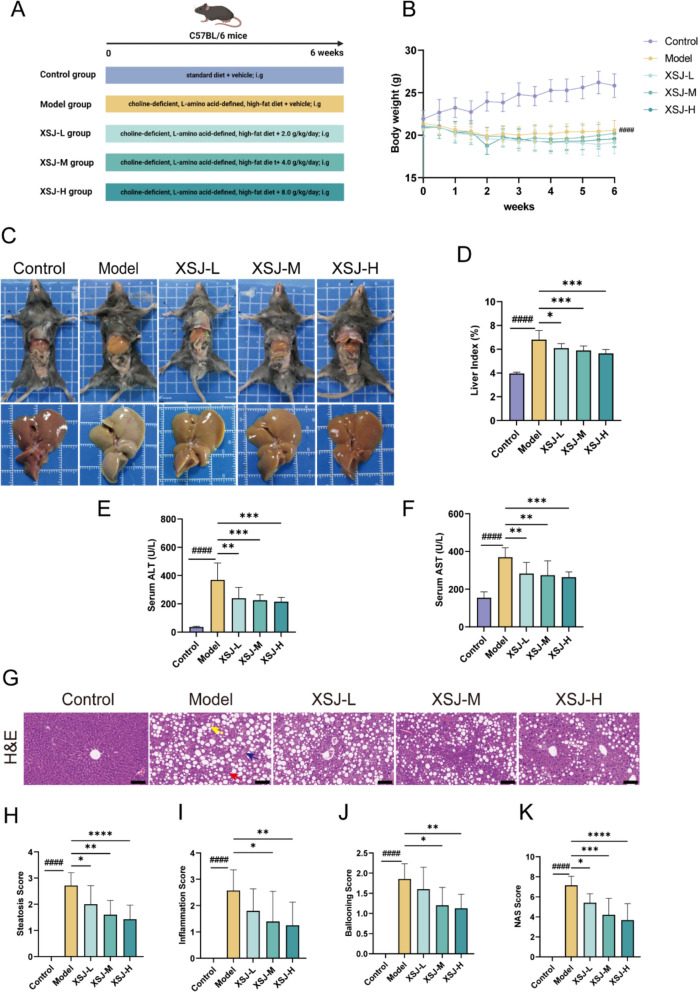 Figure 3
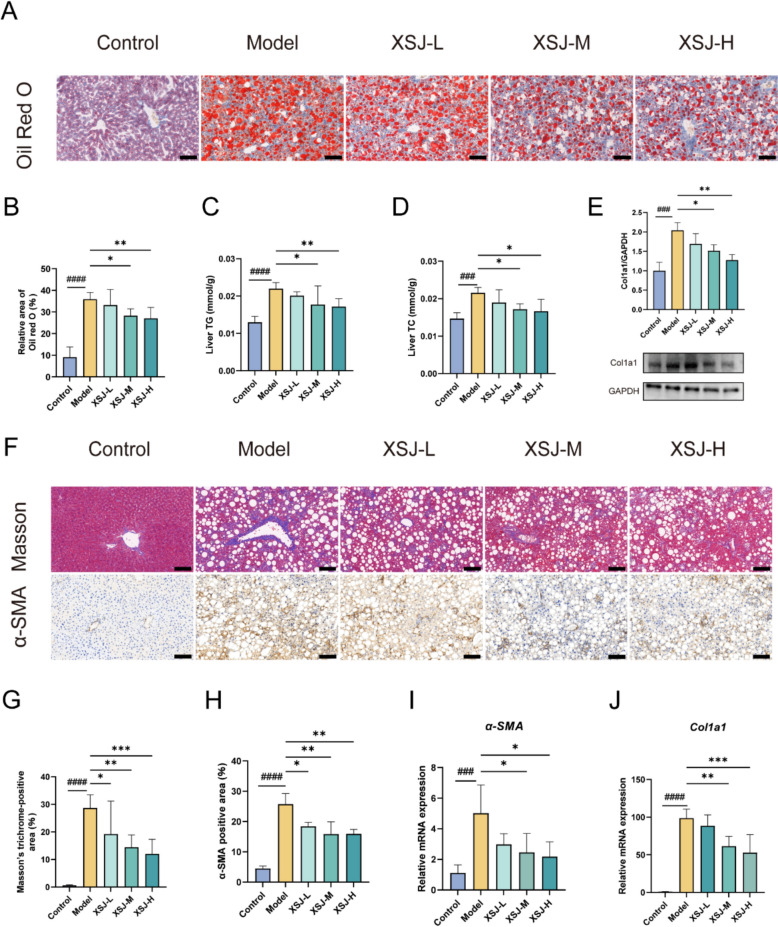 Figure 4
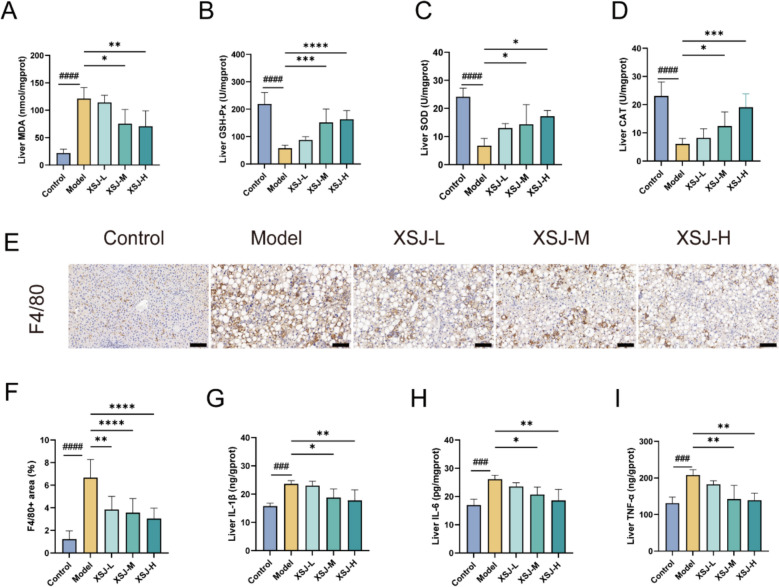 Figure 5
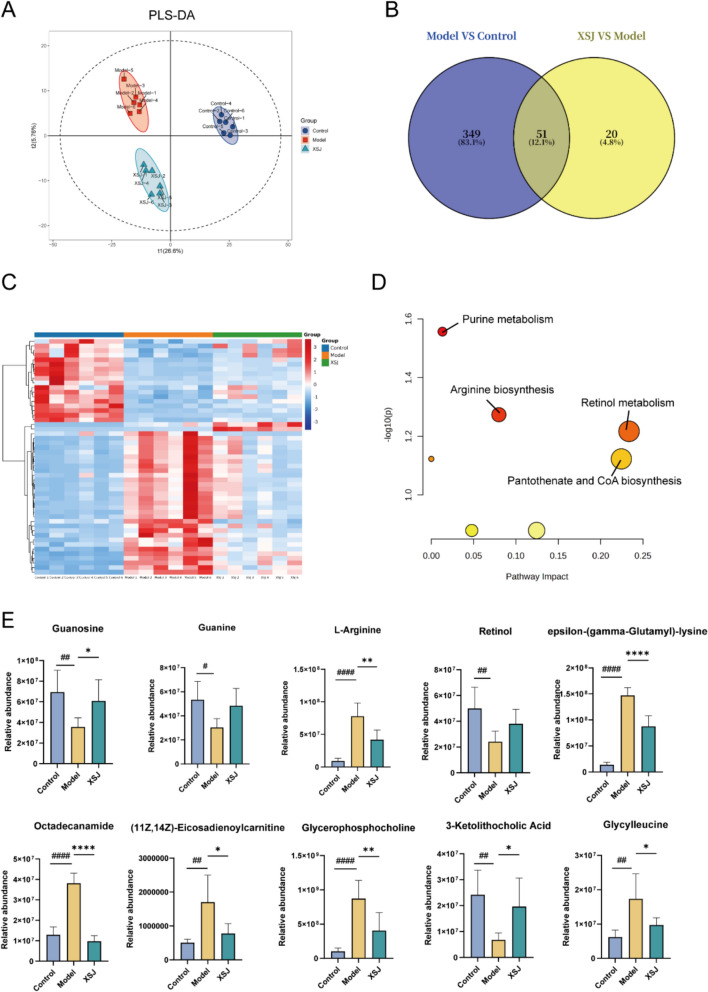 Figure 6
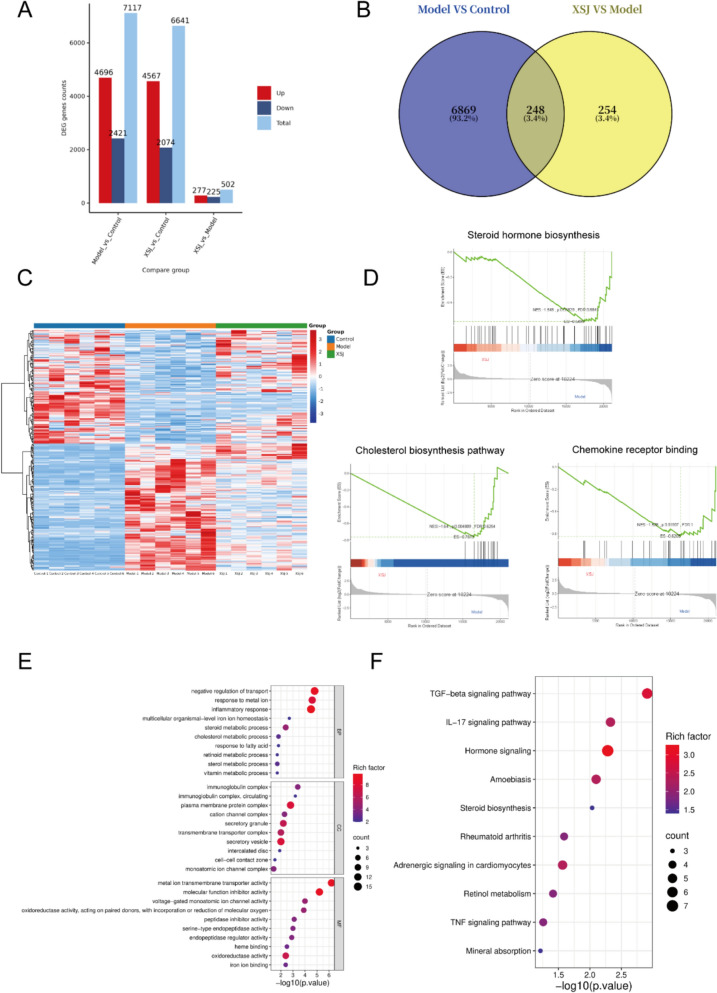 Figure 7
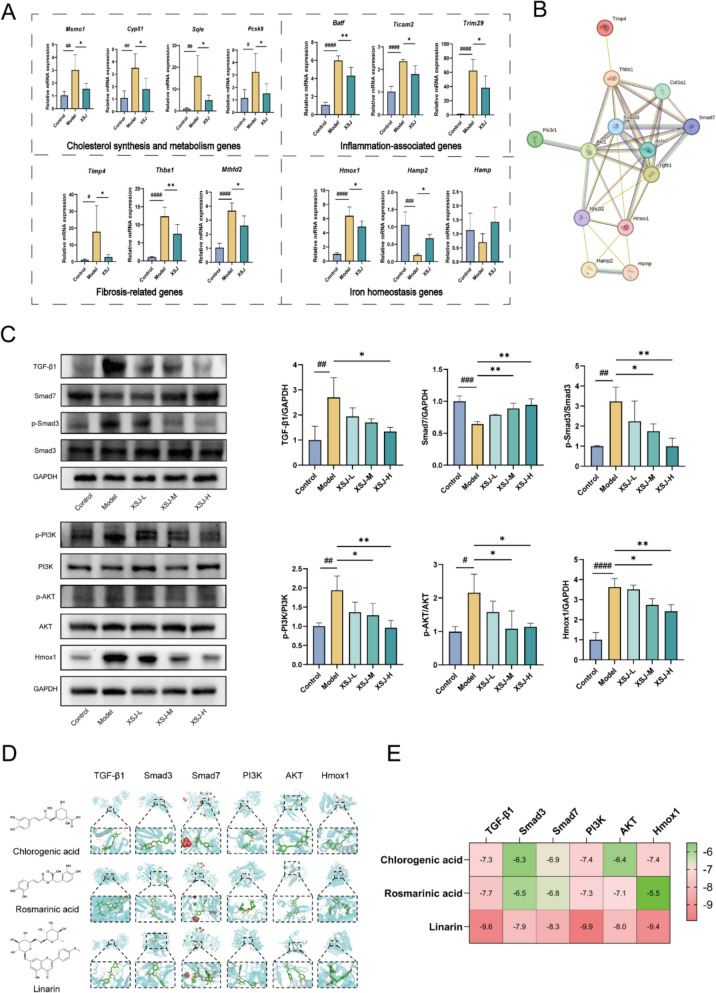 Figure 8
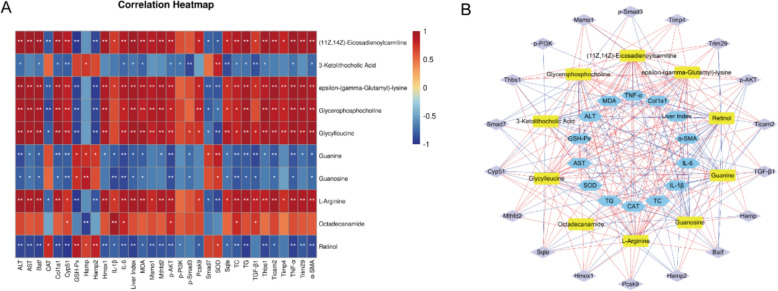 Figure 9
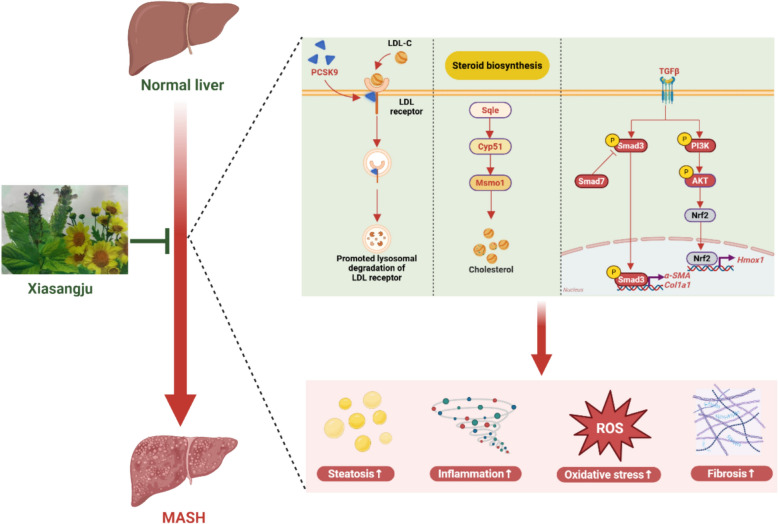 Figure 11
Peer Reviews
No public reviews on file for this paper yet. If you reviewed it on a platform where reviews are public (OpenReview, ICLR, NeurIPS, ICML), you can paste yours below so the community can read it here.
Videos
No videos yet. Explain this paper in a talk, walkthrough, or lecture? Add one.
Taxonomy
TopicsLiver Disease Diagnosis and Treatment · Metabolomics and Mass Spectrometry Studies · Traditional Chinese Medicine Analysis