Comfort during side posture lumbopelvic manipulation in a low back pain population—effects of a typical versus modified flexed lumbopelvic position: a crossover randomized control trial
Simon Wang, Erinn McCreath Frangakis, Martha Funabashi, Sheilah Hogg-Johnson

TL;DR
This study compared two spinal manipulation positions for low back pain and found no overall comfort difference, though some individuals preferred one over the other.
Contribution
The study introduces a modified flexed position for spinal manipulation and explores individual comfort preferences in low back pain patients.
Findings
No significant difference in comfort was found between standard and modified spinal manipulation positions.
14 participants showed a clinically significant comfort preference for one position over the other.
No correlation was found between active range of motion comfort and spinal manipulation comfort.
Abstract
Literature on low back pain (LBP) treatment suggests not all LBP is the same and patients with extension- or flexion-related LBP may benefit from different strategies. This study’s objective was to evaluate the effect of participant positioning when delivering spinal manipulation on reported immediate comfort, in individuals with LBP. This a randomized crossover trial. Volunteer adult participants with LBP were recruited from a chiropractic college campus clinic to receive two procedures in random order: 1. Standard side posture lumbopelvic manipulation (SPLM) and 2. Modified flexed lumbopelvic manipulation. The modified position was similar to the standard, but with increased hip and lumbopelvic flexion. Participants were not blinded. The primary outcome of self-reported comfort was recorded using a 0–10 scale. Paired t-tests were used to compare mean comfort scores, and a minimal…
Genes, proteins, chemicals, diseases, species, mutations and cell lines named across the full text — each resolved to its canonical identifier and authoritative record.
Click any figure to enlarge with its caption.
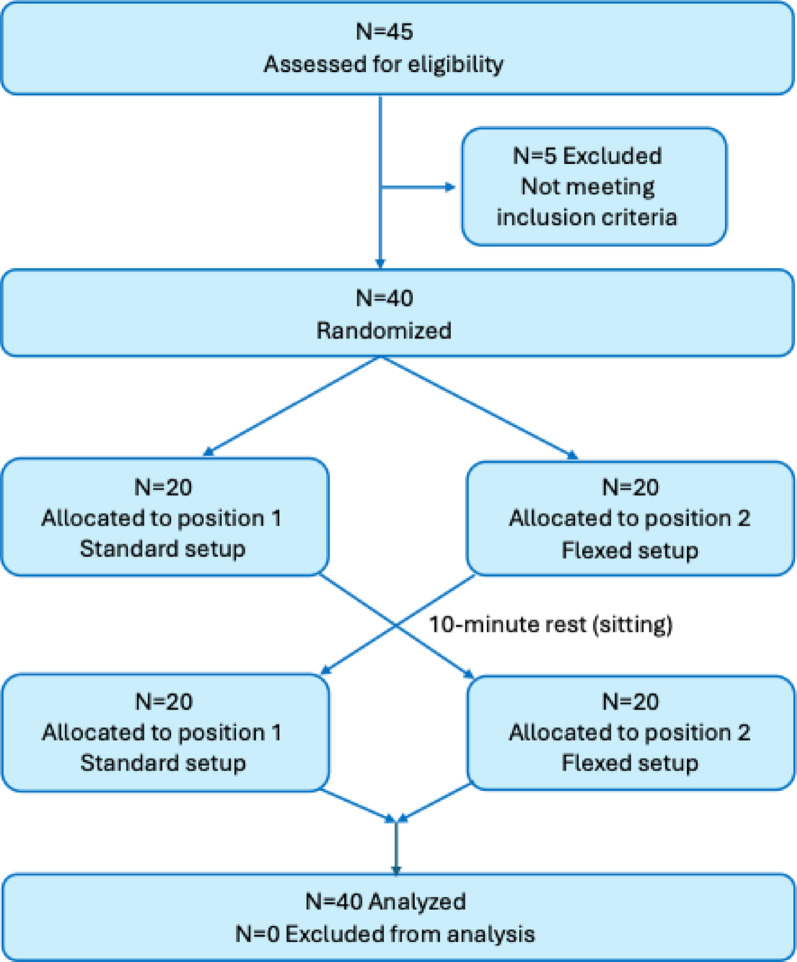 Figure 1
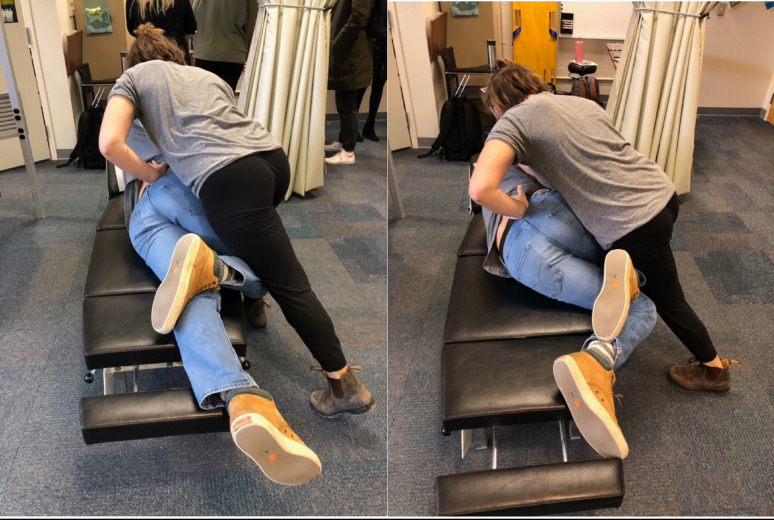 Figure 2
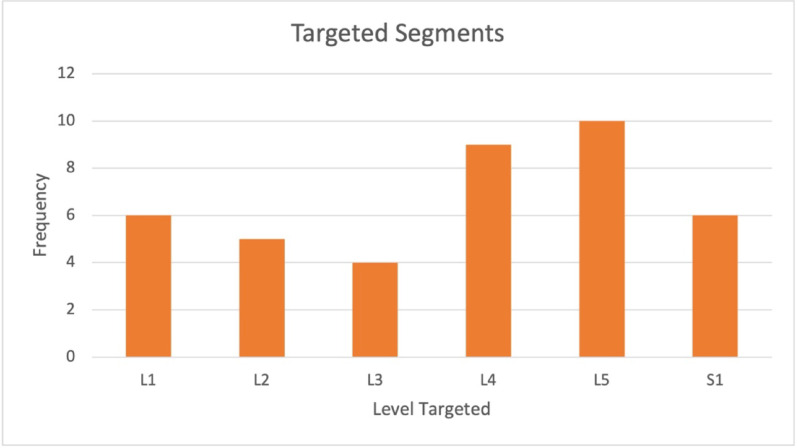 Figure 3
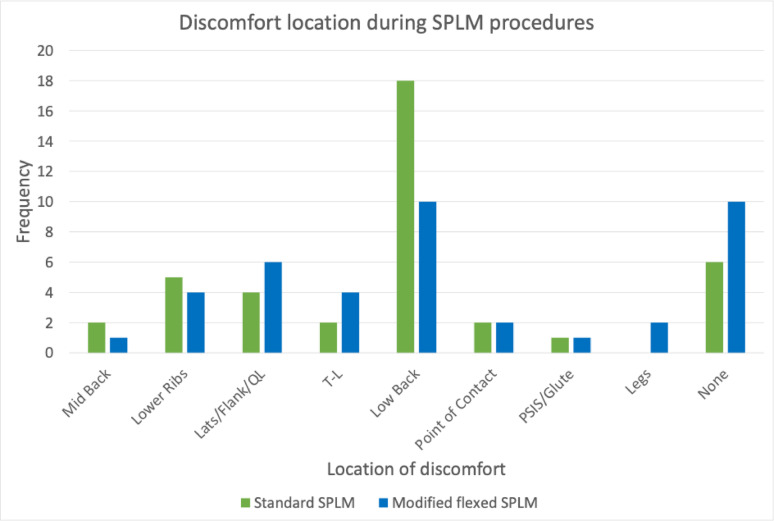 Figure 4
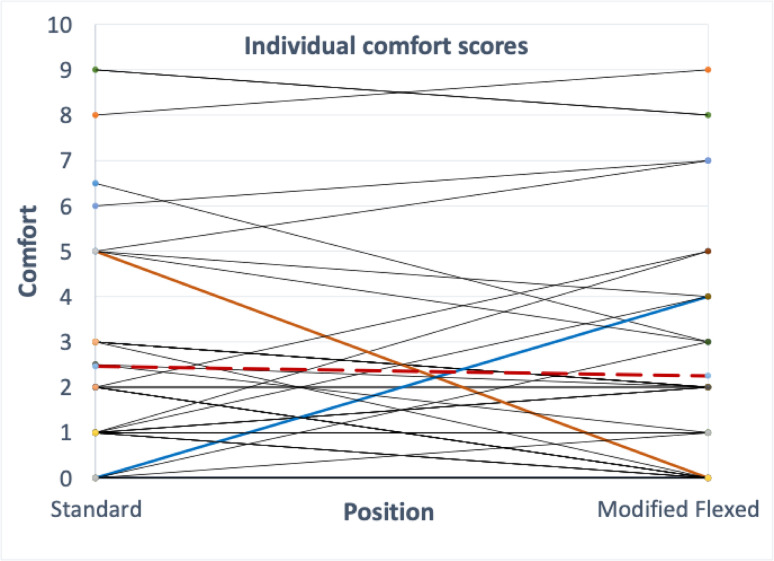 Figure 5
Peer Reviews
No public reviews on file for this paper yet. If you reviewed it on a platform where reviews are public (OpenReview, ICLR, NeurIPS, ICML), you can paste yours below so the community can read it here.
Videos
No videos yet. Explain this paper in a talk, walkthrough, or lecture? Add one.
Taxonomy
TopicsMusculoskeletal pain and rehabilitation · Ergonomics and Musculoskeletal Disorders · Myofascial pain diagnosis and treatment