Determination of Ophthalmic Parameters and Ocular Morphology in Ring‐Necked Parakeets (Psittacula krameri)
Fernanda Taques Wendt, Fabiano Montiani‐Ferreira, Cecília Capacchi Dall’agnol, Franz Riegler Mello, Thiago Francisco Costa Solak, Breno Castello‐Branco Beirão, Marcello Machado, Rogério Ribas Lange

TL;DR
This study establishes normal eye parameters and describes eye structure in ring-necked parakeets, aiding in the diagnosis of eye conditions in this bird species.
Contribution
The paper provides the first detailed empirical data on ophthalmic parameters and ocular morphology specific to ring-necked parakeets.
Findings
Normal values for tear production, intraocular pressure, corneal thickness, and other eye parameters were determined in ring-necked parakeets.
Gram-positive bacteria, particularly Staphylococcus sp., were the most common in the corneoconjunctival microbiota.
Young parakeets have brown irises that transition to blue by 60 days of age.
Abstract
To determine normal ophthalmic test values and to describe the ocular morphology of ring‐necked parakeets ( Psittacula krameri ). 33 captive birds were examined, although not all tests were conducted on each bird. The tests included endodontic absorbent paper point tear test (EAPPTT), intraocular pressure (IOP), corneal touch threshold (CTT), central corneal thickness (CCT), palpebral and corneal diameters, ocular ultrasonography, and corneoconjunctival microbiota. The iris coloration of seven young parakeets was evaluated, and two macerated skulls were described. Normal values obtained were: EAPPTT: 7.57 ± 1.95 mm/min; IOP: 12.47 ± 1.51 mmHg; CTT: 2.46 ± 0.5 mm; CCT: 0.12 ± 0.006 mm; palpebral diameter: 8.04 ± 0.49 mm,; corneal diameter: 6.41 ± 0.49 mm. In ocular ultrasonography, the dimensions in the sagittal plane were: axial globe length (AGL): 0.94 ± 0.02 cm; vitreous chamber…
Genes, proteins, chemicals, diseases, species, mutations and cell lines named across the full text — each resolved to its canonical identifier and authoritative record.
Click any figure to enlarge with its caption.
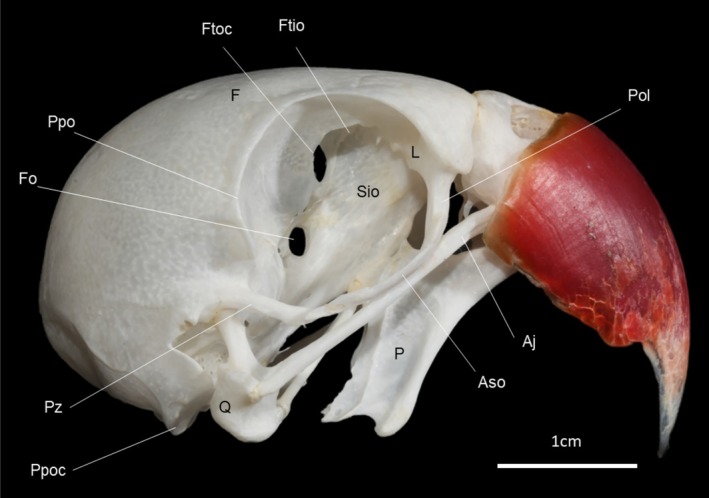 Figure 1
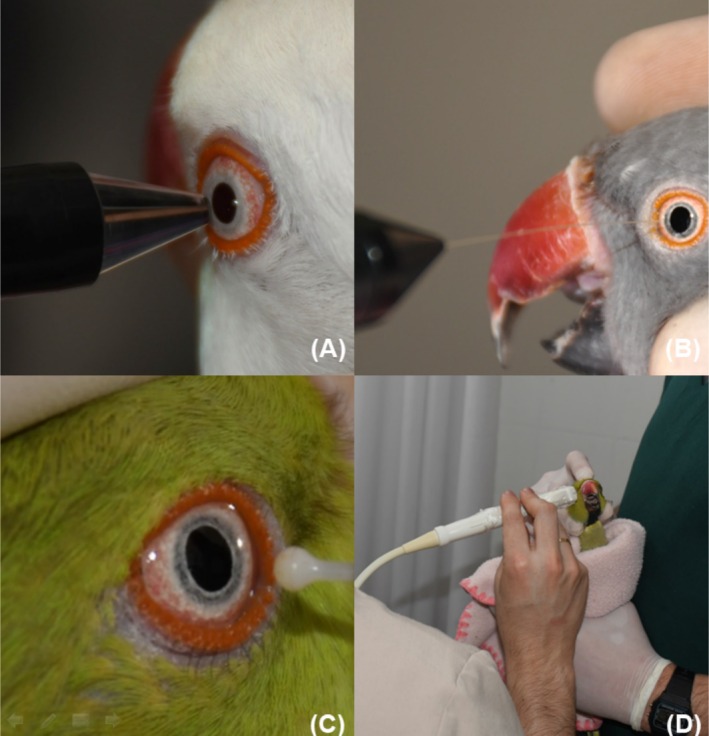 Figure 2
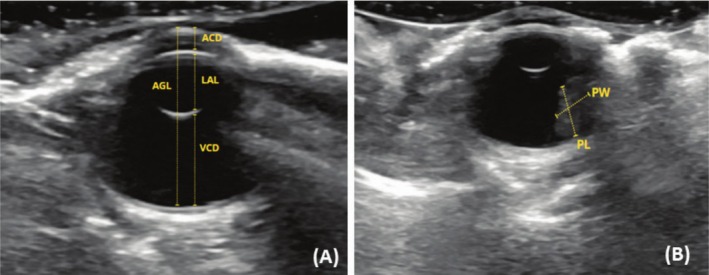 Figure 3
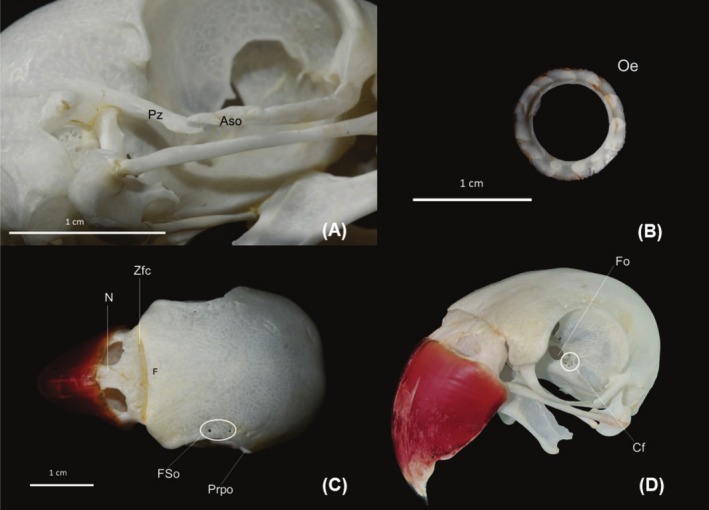 Figure 4
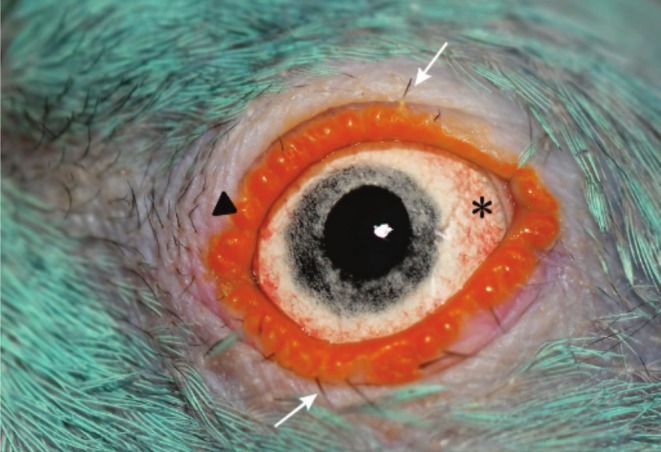 Figure 5
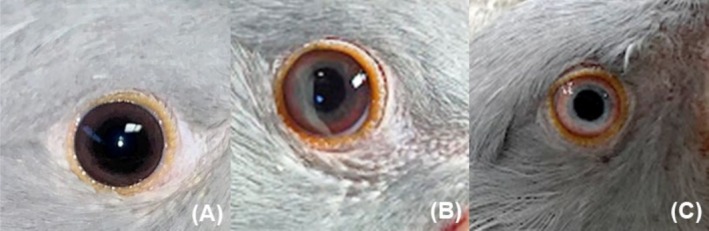 Figure 6
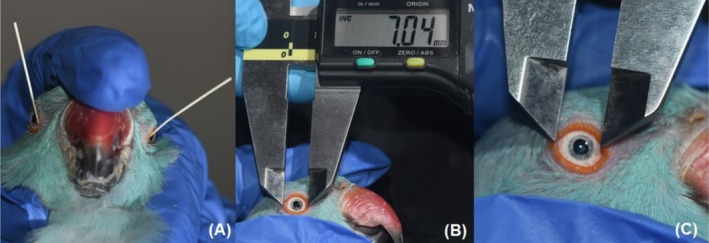 Figure 7
Peer Reviews
No public reviews on file for this paper yet. If you reviewed it on a platform where reviews are public (OpenReview, ICLR, NeurIPS, ICML), you can paste yours below so the community can read it here.
Videos
No videos yet. Explain this paper in a talk, walkthrough, or lecture? Add one.
Taxonomy
TopicsBird parasitology and diseases · Glaucoma and retinal disorders · Intraocular Surgery and Lenses