Structural brain recovery following reductions in adolescent and young adult binge drinking: A longitudinal NCANDA study
Marybel R. Gonzalez, Ty Brumback, Madison K. Wickershiem, Edith V. Sullivan, Adolf Pfefferbaum, Duncan B. Clark, David B. Goldston, M.J. Meloy, Firas Naber, Eva M. Müller-Oehring, Angelica M. Morales, Fiona C. Baker, Kate B. Nooner, Bonnie J. Nagel, Kilian M. Pohl

TL;DR
This study shows that reducing binge drinking during adolescence and young adulthood can lead to brain recovery, especially in the corpus callosum.
Contribution
The study provides longitudinal evidence of neuroanatomical recovery following reduced binge drinking in youth.
Findings
Higher binge drinking frequency is linked to decreased gray and white matter volumes in multiple brain regions.
Reducing binge drinking below personal averages is associated with less gray matter shrinkage.
Transitioning from frequent to infrequent binge drinking correlates with larger corpus callosum volumes.
Abstract
Adolescence through young adulthood is a sensitive neurodevelopmental window characterized by ongoing maturation of gray and white matter and heightened vulnerability to alcohol’s neurotoxic effects. Although prior studies link binge drinking with disrupted brain development, the potential for recovery with reduced alcohol use remains underexplored. Using data from 690 participants (ages 12–29) in the National Consortium on Alcohol and NeuroDevelopment in Adolescence to Adulthood (NCANDA-A), we examined the longitudinal impact of binge drinking episodes, and reductions in binge drinking episodes, on regional gray and white matter volumes. Linear mixed-effects models assessed (1) past-year binge drinking frequency, (2) reductions below personal mean binge drinking across time, and (3) transitions in frequency of binge drinking across 10 annual neuroimaging assessments. Results showed…
Genes, proteins, chemicals, diseases, species, mutations and cell lines named across the full text — each resolved to its canonical identifier and authoritative record.
Click any figure to enlarge with its caption.
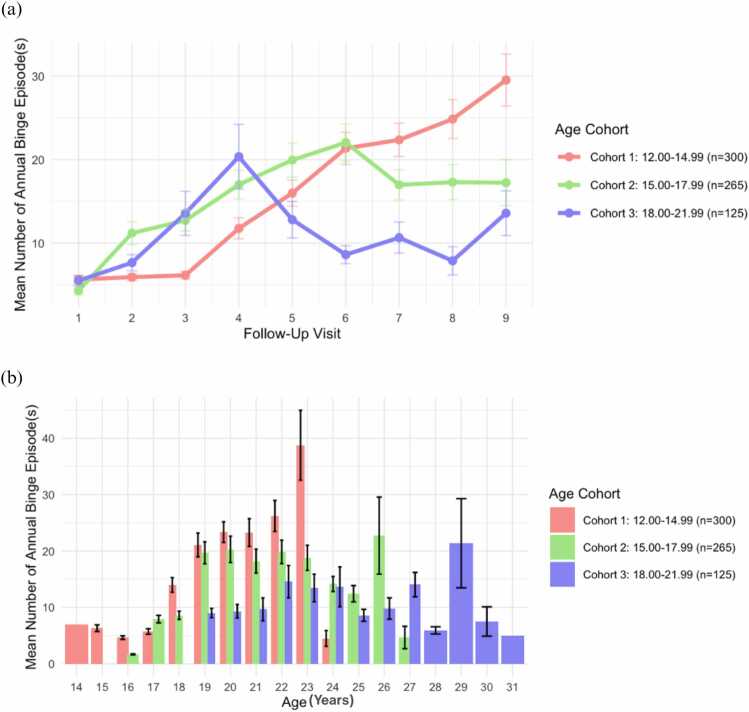 Figure 1
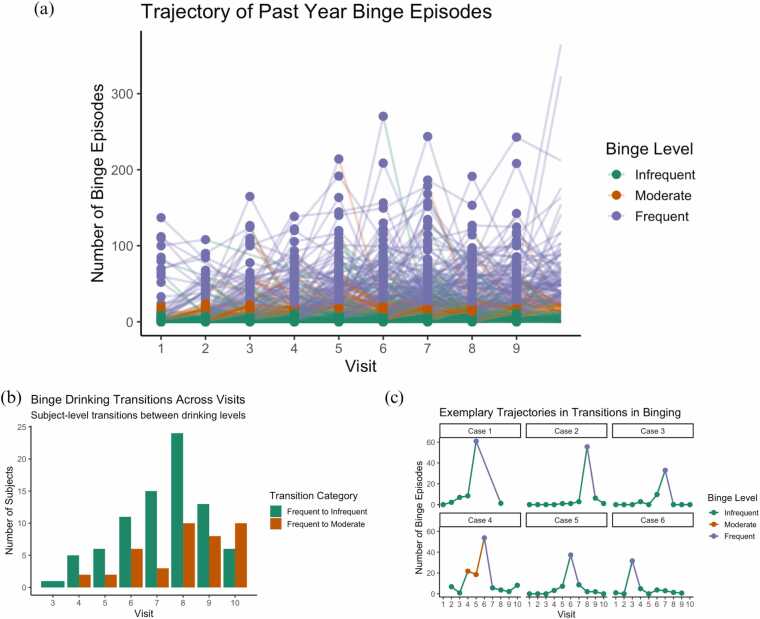 Figure 2
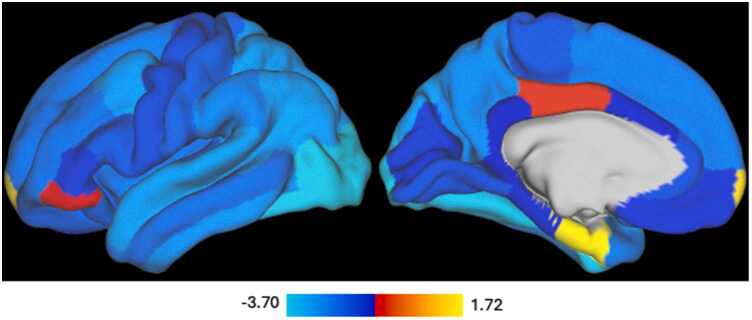 Figure 3
Peer Reviews
No public reviews on file for this paper yet. If you reviewed it on a platform where reviews are public (OpenReview, ICLR, NeurIPS, ICML), you can paste yours below so the community can read it here.
Videos
No videos yet. Explain this paper in a talk, walkthrough, or lecture? Add one.
Taxonomy
TopicsSubstance Abuse Treatment and Outcomes · Prenatal Substance Exposure Effects · Neurotransmitter Receptor Influence on Behavior