Life-Threatening Duodenal Perforation Following Endoscopic Retrograde Cholangiopancreatography in an Elderly Patient: A Case Report
Christina Chrysanthi Theocharidou, Fotini Ampatzidou, Savvas Simeonidis, Andreas Papadimos, Athina Lavrentieva

TL;DR
An elderly man experienced a life-threatening duodenal perforation after an ERCP procedure, highlighting the rare but severe risks of this medical intervention.
Contribution
This case report emphasizes the critical importance of early diagnosis and tailored management of ERCP-related perforations in high-risk patients.
Findings
ERCP led to duodenal perforation with severe complications including emphysema and pneumothoraces.
CT imaging confirmed retroperitoneal contrast extravasation and intraperitoneal air.
Despite emergency repair and intensive care, the patient succumbed to septic shock and multi-organ failure.
Abstract
Endoscopic retrograde cholangiopancreatography (ERCP) is a valuable diagnostic and therapeutic procedure for pancreaticobiliary disorders, but may rarely result in severe complications such as duodenal perforation. A 77-year-old man with hypertension, diabetes, dyslipidemia, and benign prostatic hyperplasia presented with painless obstructive jaundice for a duration of four weeks. Laboratory tests showed a cholestatic pattern and elevated carbohydrate antigen 19-9. Magnetic resonance cholangiopancreatography (MRCP) demonstrated marked dilation of the common bile duct with abrupt distal tapering, mild pancreatic duct dilation, and a periampullary diverticulum, suggesting a periampullary neoplastic lesion or fibrotic stenosis. An ERCP was performed for diagnostic clarification and potential therapeutic decompression. Difficult cannulation required a precut sphincterotomy, after which a…
Genes, proteins, chemicals, diseases, species, mutations and cell lines named across the full text — each resolved to its canonical identifier and authoritative record.
Click any figure to enlarge with its caption.
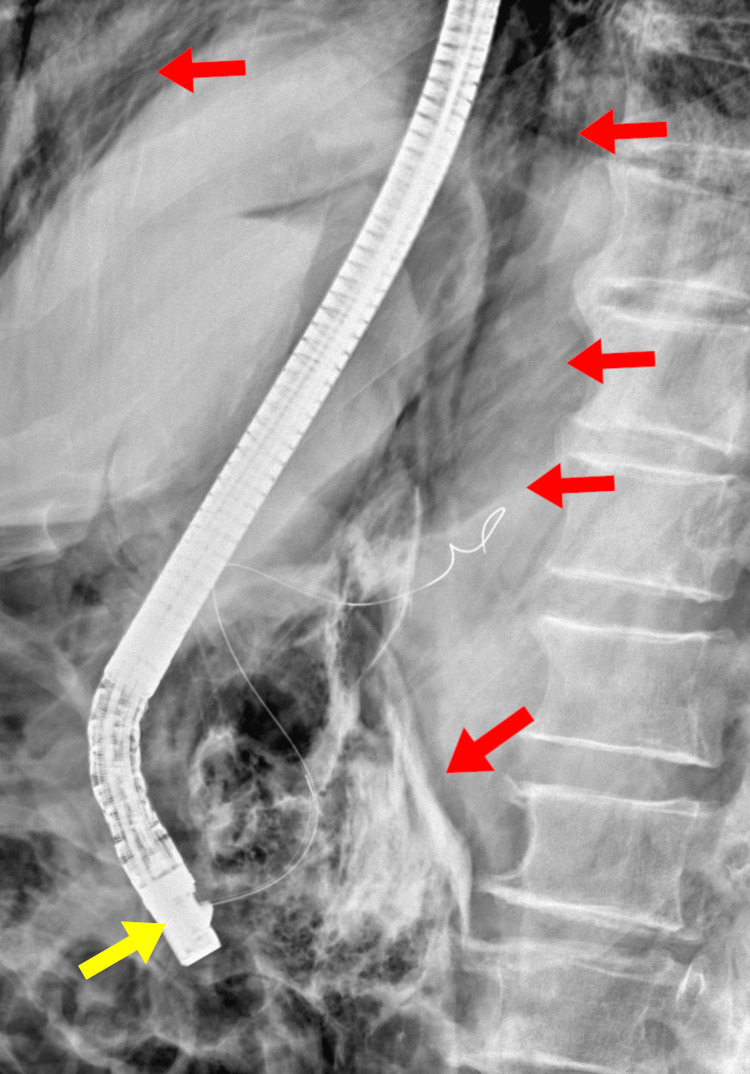 Figure 1
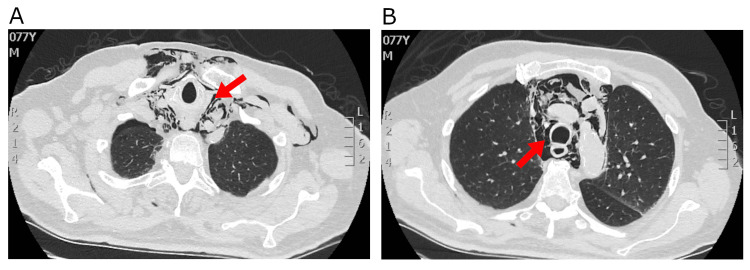 Figure 2
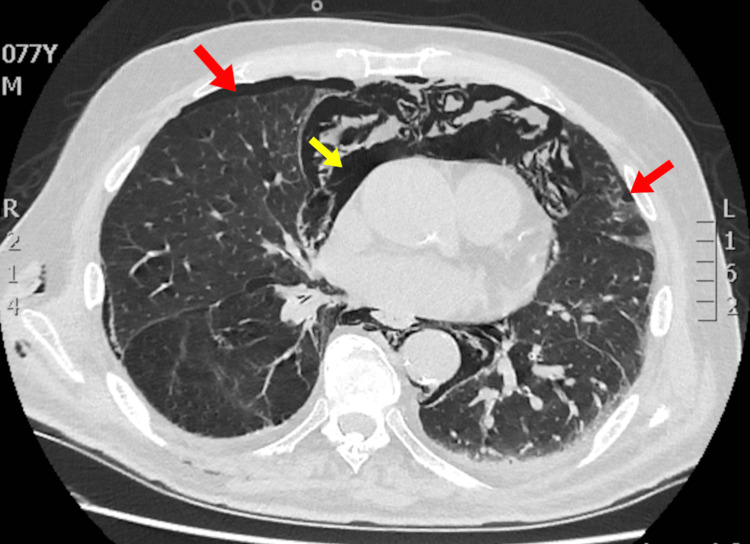 Figure 3
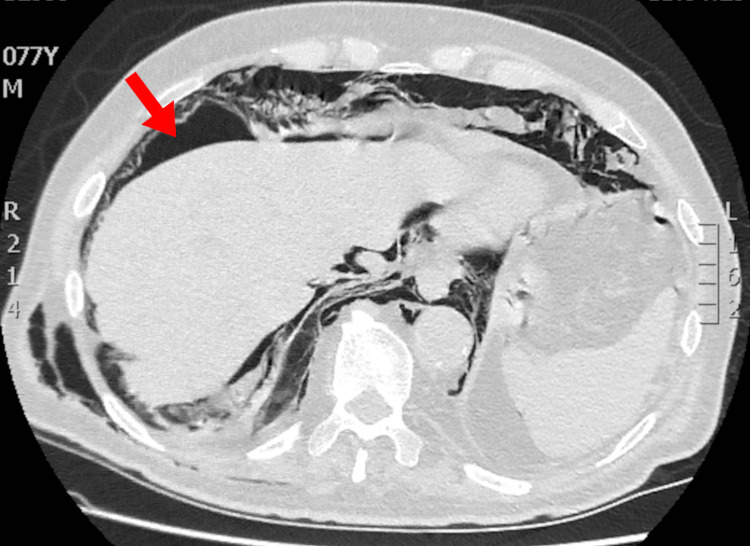 Figure 4
Peer Reviews
No public reviews on file for this paper yet. If you reviewed it on a platform where reviews are public (OpenReview, ICLR, NeurIPS, ICML), you can paste yours below so the community can read it here.
Videos
No videos yet. Explain this paper in a talk, walkthrough, or lecture? Add one.
Taxonomy
TopicsGallbladder and Bile Duct Disorders · Esophageal and GI Pathology · Pancreatitis Pathology and Treatment