Unleashing the biological power and chemical profile of Paracaryum hedgei extracts based on chromatographic, in vitro, and bioinformatic tools
Enver Saka, Sakina Yagi, Bengusu H. Akgul, Eulogio J. Llorent-Martínez, Evren Yildiztugay, Ismail Koyuncu, Meltem Cayci, Ismail Yapıcı, Ilhami Gulcin, Yimao Wu, Meng-Yao Li, Gokhan Zengin

TL;DR
This study explores the chemical makeup and health benefits of Paracaryum hedgei extracts, finding them to have strong antioxidant and cancer-fighting potential.
Contribution
This is the first study to evaluate the chemical profile and biological activities of Paracaryum hedgei extracts.
Findings
Root extracts of P. hedgei had the highest total phenolic content and antioxidant activity.
Ethyl acetate extracts showed significant cytotoxic effects on cervical and colorectal cancer cells.
Phenolic acids in P. hedgei may target cancer-related pathways like retinoic acid metabolism and inflammation.
Abstract
Studies evaluating the chemical constituents and pharmacological potential of Paracaryum species (family Boraginaceae) were limited. The current study was designed to investigate, for the first time, the chemical profile, antioxidant, enzyme-inhibitory, and cytotoxic properties of P. hedgei Aytaç & R.R. Mill. Roots extracts recorded the highest total phenolic content (24.72–91.16 mg GAE/g). About 33 compounds were identified, and the aerial parts extracts were dominated by rosmarinic acid, rutin, and sagerinic acid. In general, the root extracts exhibited greater antioxidant activity than the extracts from the aerial parts. Among the solvents, The 70 % EtOH extract of roots showed the highest antiradical (DPPH: 207.90 mg TE/g; ABTS: 238.08 mg TE/g), ion-reducing (FRAP: 384.99 mg TE/g; CUPRAC: 615.27 mg TE/g), and total antioxidant activities (3.21 mmol TE/g), whereas the EtOAc and…
Genes, proteins, chemicals, diseases, species, mutations and cell lines named across the full text — each resolved to its canonical identifier and authoritative record.
Click any figure to enlarge with its caption.
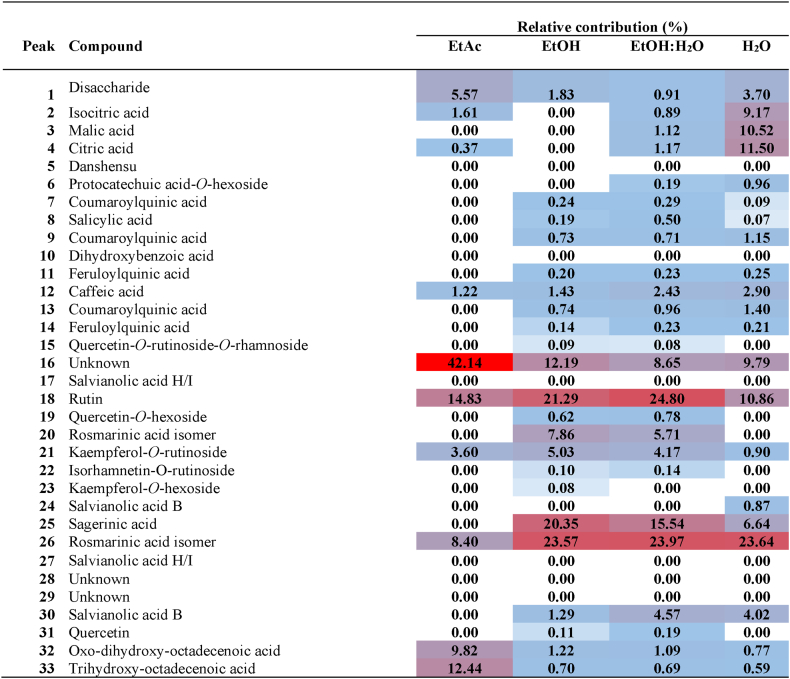 Figure 1
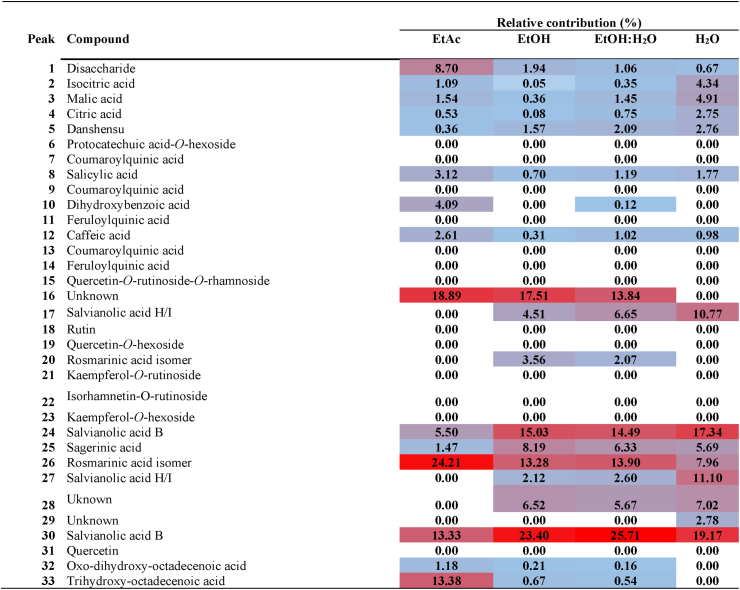 Figure 2
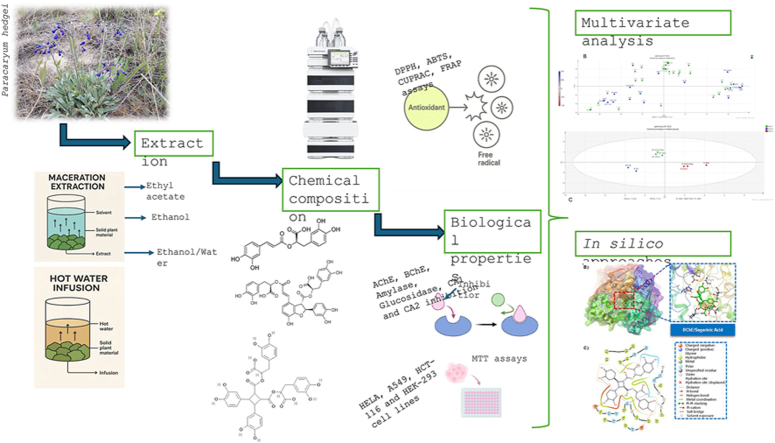 Figure 3
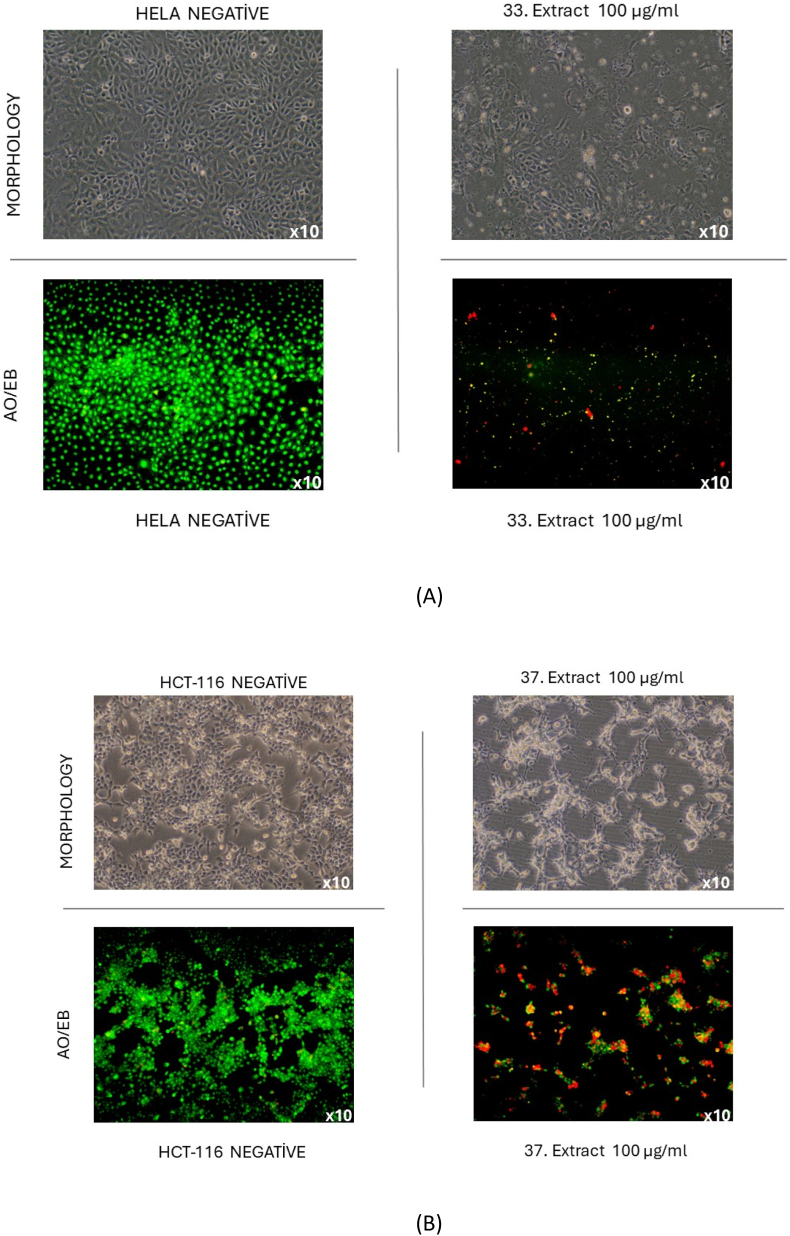 Figure 4
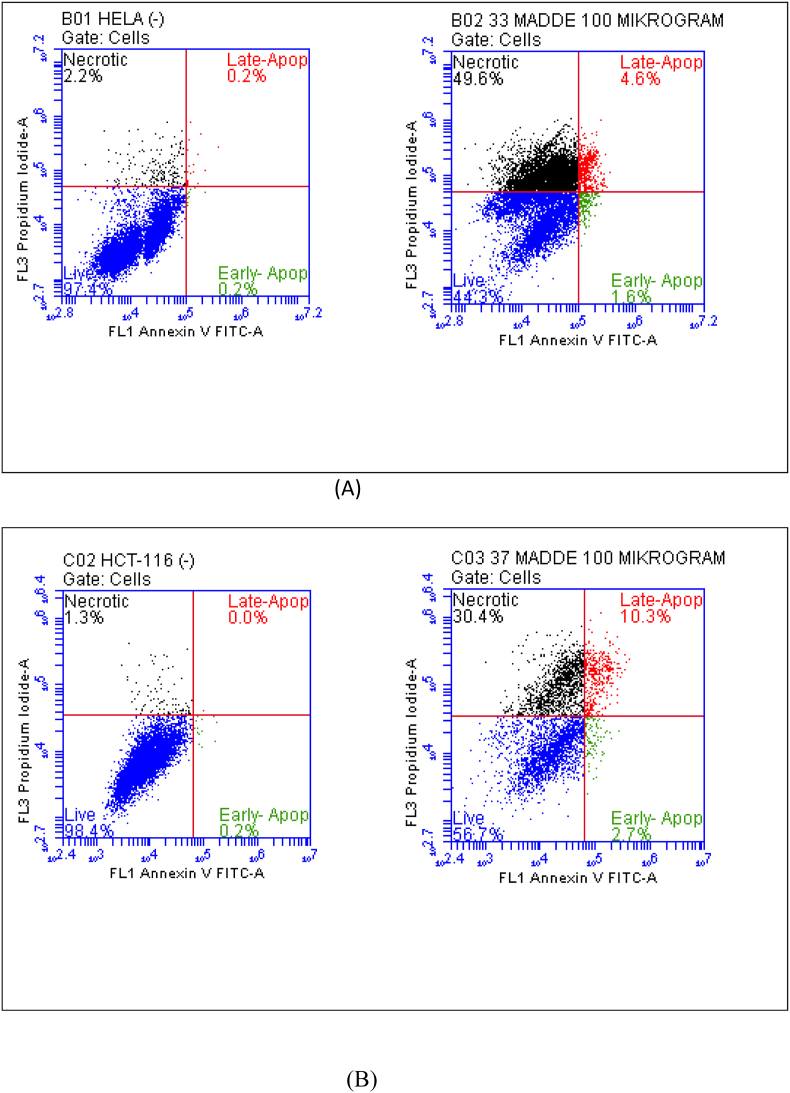 Figure 5
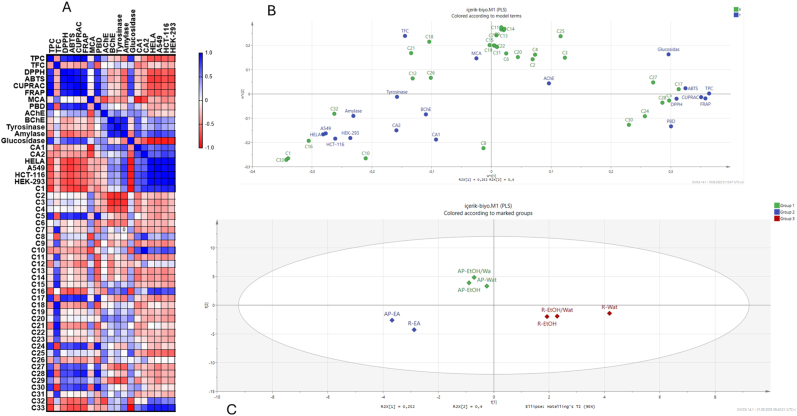 Figure 6
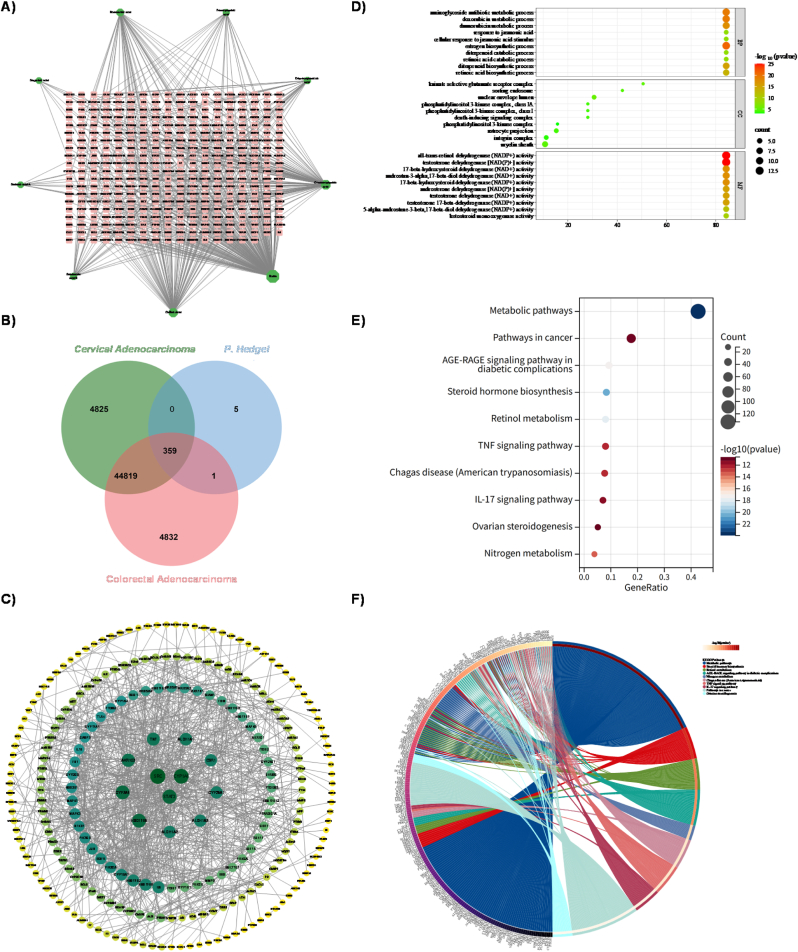 Figure 7
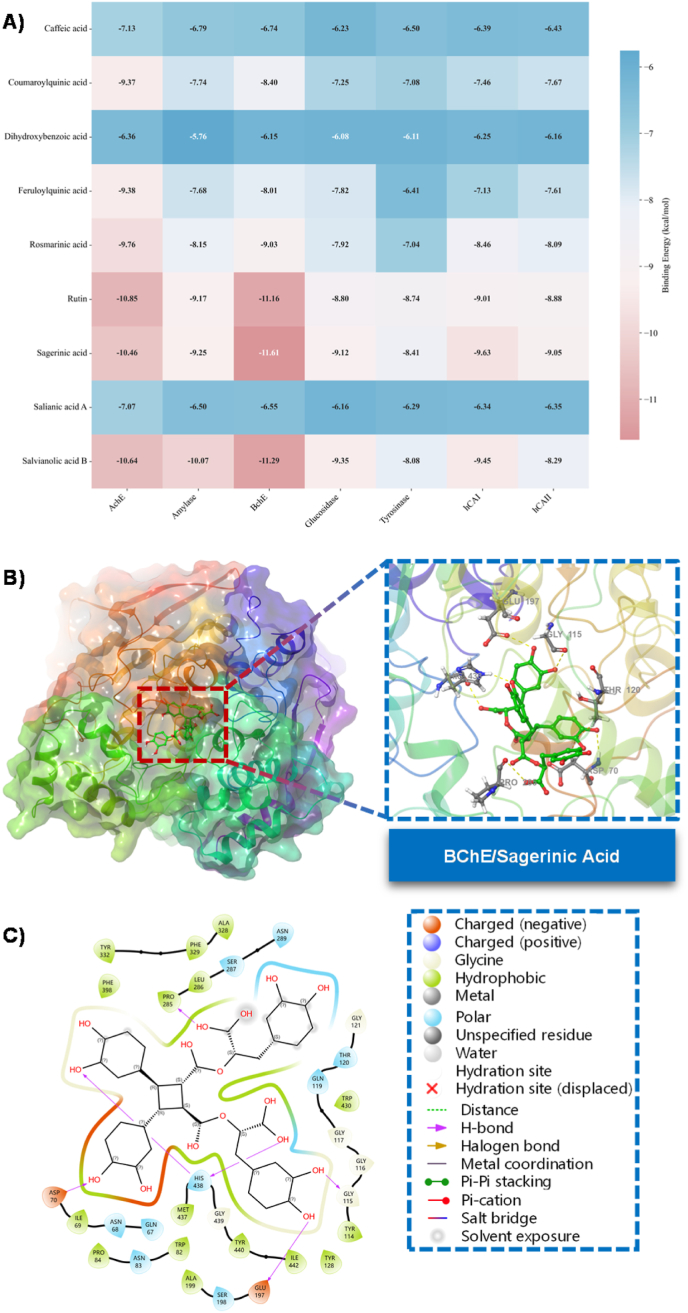 Figure 8
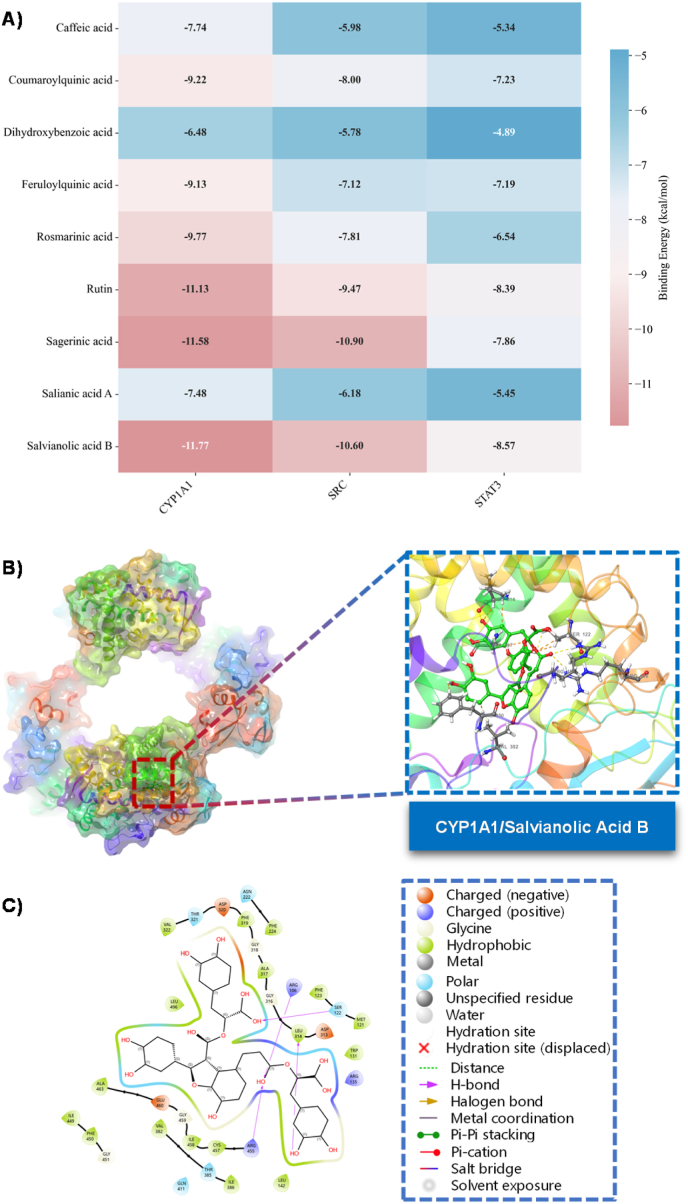 Figure 9
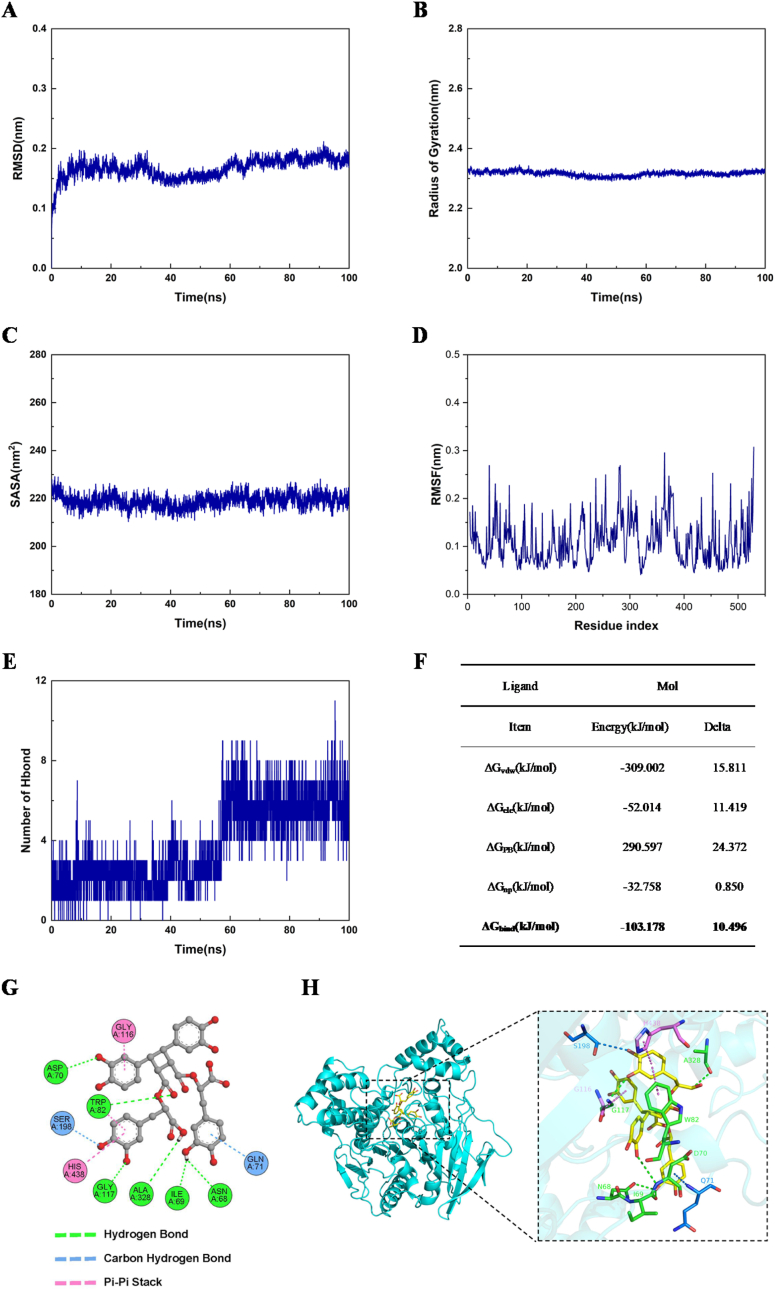 Figure 10
Peer Reviews
No public reviews on file for this paper yet. If you reviewed it on a platform where reviews are public (OpenReview, ICLR, NeurIPS, ICML), you can paste yours below so the community can read it here.
Videos
No videos yet. Explain this paper in a talk, walkthrough, or lecture? Add one.
Taxonomy
TopicsTraditional and Medicinal Uses of Annonaceae · Natural product bioactivities and synthesis · Plant Toxicity and Pharmacological Properties