Screening and mutagenesis breeding of B. A salt YB13 for high producing tetramethylpyrazine and the application of its fortified Daqu for improving the quality of mixed-flavor baijiu
Qing Zhao, Di Wu, Biao Hao, Jie Zhang, Tianquan Pan, Jie Qiao, Huawei Zeng, Hongwen Yang

TL;DR
Researchers improved a microbe to produce more tetramethylpyrazine, which enhanced the flavor and quality of a type of Chinese白酒 (baijiu).
Contribution
A high-yield tetramethylpyrazine-producing strain was developed and shown to improve baijiu quality through microbial enhancement.
Findings
B. halotolerans YB13 was enhanced to produce 2.98 g/kg of tetramethylpyrazine.
Fortified Daqu improved microbial diversity and flavor compound levels in baijiu.
Acid protease and starch were key factors in flavor formation, with higher sensory scores in the experimental group.
Abstract
This study isolated B. halotolerans YB13 from high-temperature Daqu and enhanced its tetramethylpyrazine (TTMP) yield to 2.98 g/kg through screening and plasma mutagenesis. The fortified Daqu containing YB13 was used in Mixed-flavor Baijiu fermentation. Compared to the control, the experimental group showed higher microbial diversity and more flavor compounds. Starch and acid protease were key physicochemical factors affecting flavor formation, with acid protease positively correlating with major flavors like ethyl palmitate, acetic acid, and octanoic acid. Dominant microbes (Lactobacillus, Thermoascus, Aspergillus) in the experimental group were strongly correlated with esters, acids, and alcohols. TTMP content and sensory scores were significantly higher in the experimental group, demonstrating the potential of microbial enhancement to improve baijiu quality. •A high-TTMP-producing…
Genes, proteins, chemicals, diseases, species, mutations and cell lines named across the full text — each resolved to its canonical identifier and authoritative record.
Click any figure to enlarge with its caption.
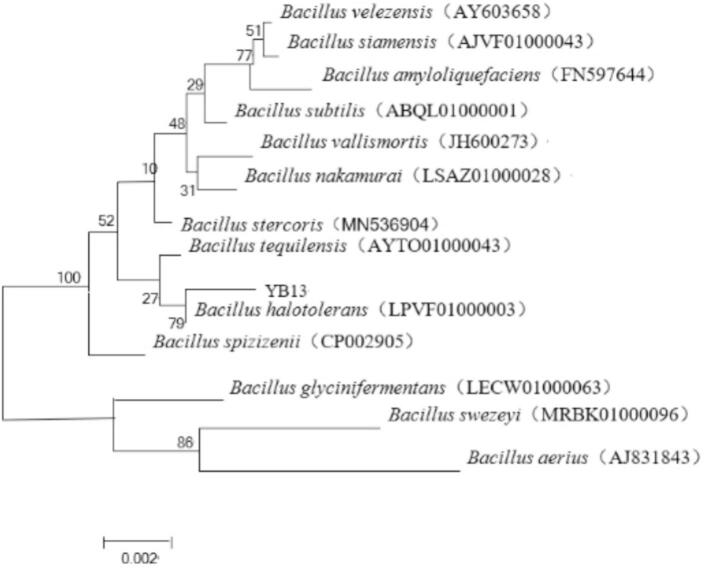 Figure 1
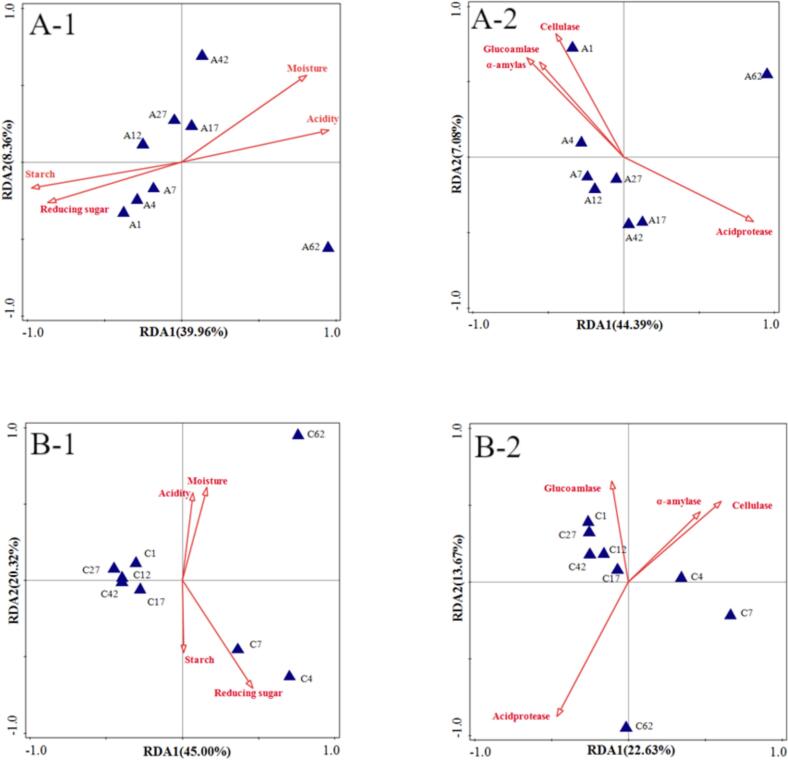 Figure 2
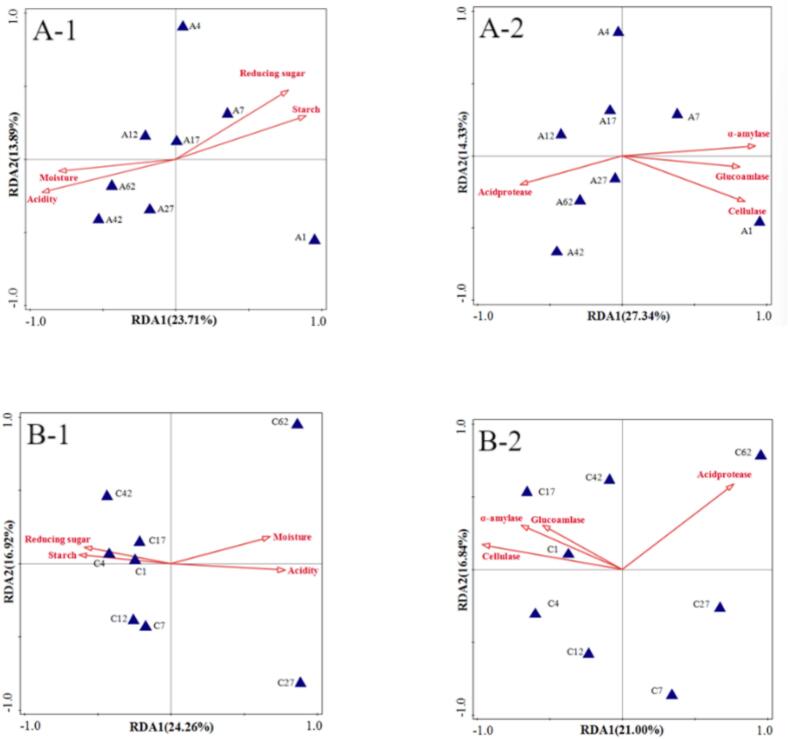 Figure 3
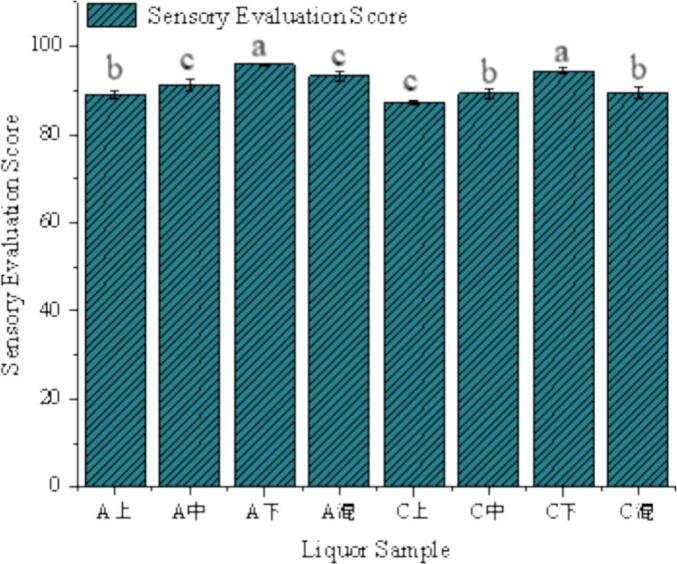 Figure 4
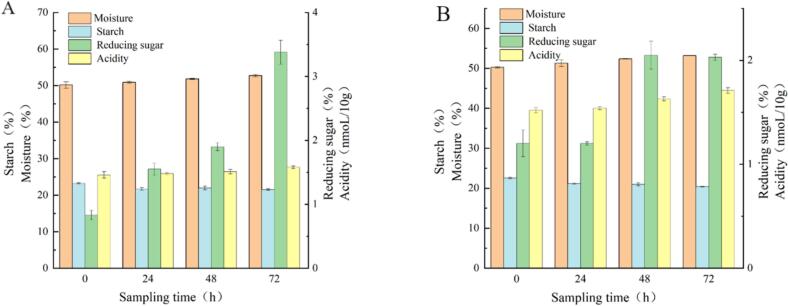 Figure 5
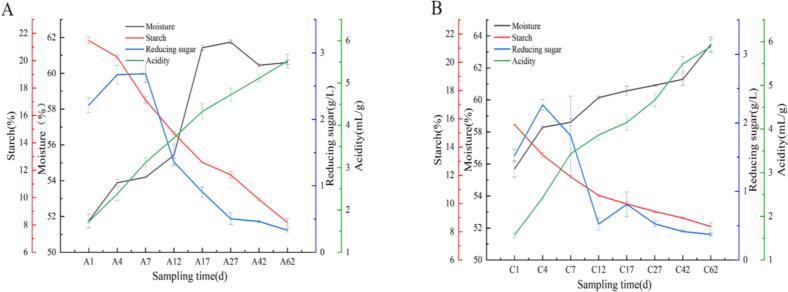 Figure 6
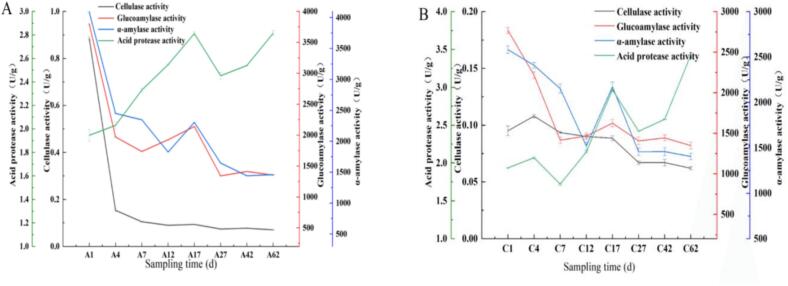 Figure 7
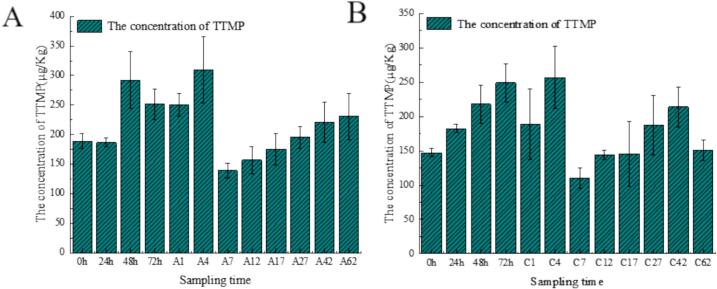 Figure 8
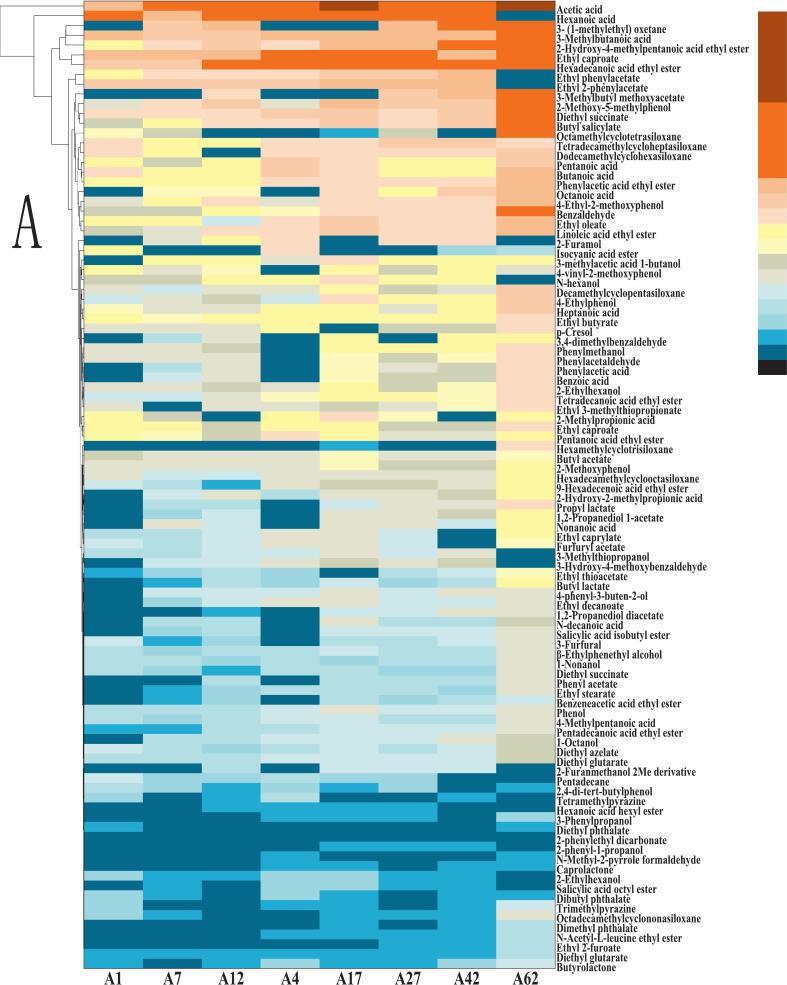 Figure 9
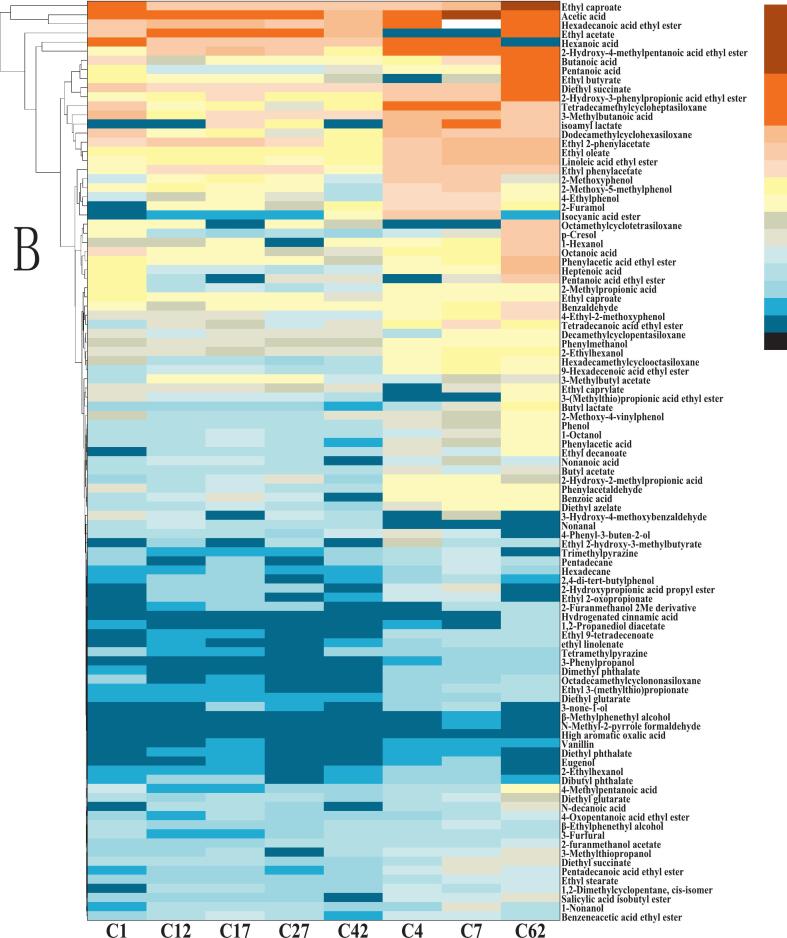 Figure 10
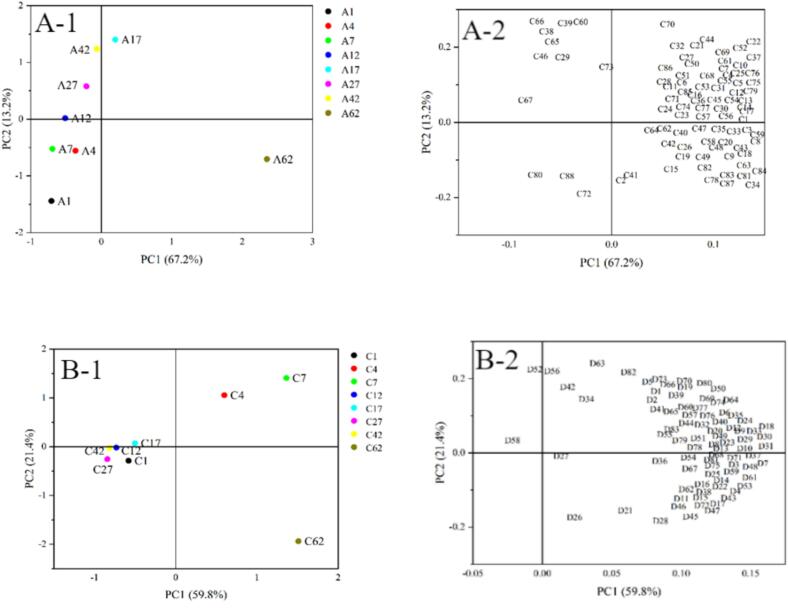 Figure 11
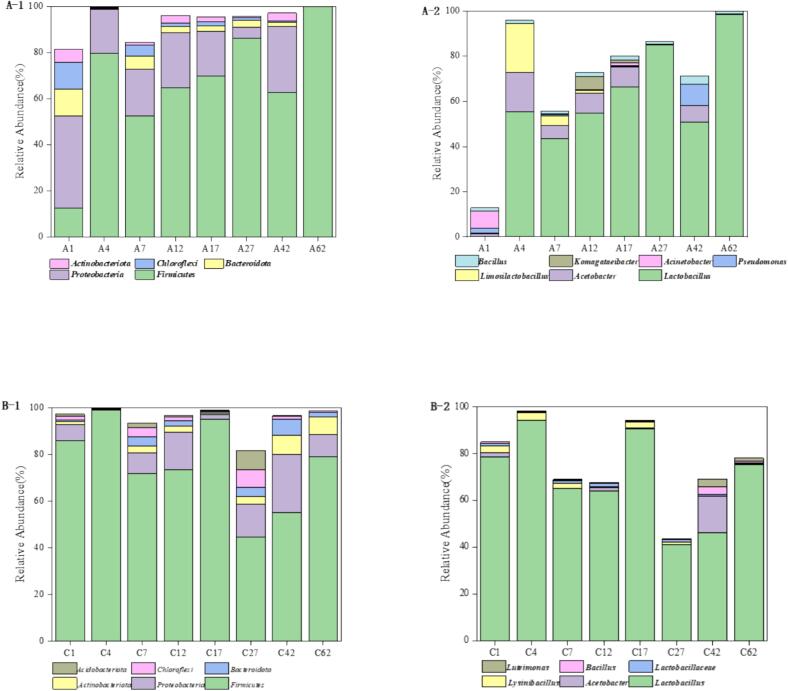 Figure 12
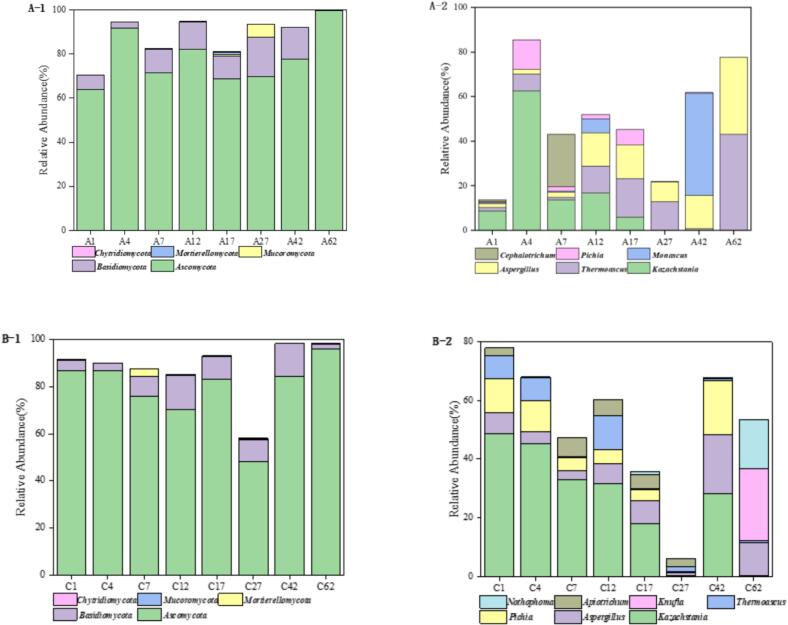 Figure 13
Peer Reviews
No public reviews on file for this paper yet. If you reviewed it on a platform where reviews are public (OpenReview, ICLR, NeurIPS, ICML), you can paste yours below so the community can read it here.
Videos
No videos yet. Explain this paper in a talk, walkthrough, or lecture? Add one.
Taxonomy
TopicsFermentation and Sensory Analysis · Biochemical and biochemical processes · Microbial Metabolism and Applications