Antigenic and genotypic relatedness of buffalo-derived Theileria parva from Zambia to cattle-derived parasites and vaccine stocks
Chimvwele Namantala Choopa, Walter Muleya, Lubembe Donald Mukolwe, Paul Fandamu, Kgomotso Penelope Sibeko-Matjila

TL;DR
Buffalo in Zambia carry diverse Theileria parva parasites, some of which are related to cattle strains but differ from vaccines, potentially reducing vaccine effectiveness.
Contribution
The study reveals new antigenic and genetic diversity in buffalo-derived Theileria parva in Zambia, with implications for vaccine efficacy.
Findings
Buffalo-derived T. parva showed higher allelic richness and diversity compared to cattle-derived parasites.
Some buffalo genotypes clustered closely with vaccine strains, suggesting potential cross-protection.
Current vaccines may offer limited protection against buffalo-derived T. parva due to genetic differences.
Abstract
The African buffalo (Syncerus caffer) is the natural reservoir of Theileria parva, a tick-transmitted protozoan parasite that severely constrains cattle production across eastern, southern, and central Africa. While the antigenic and genetic diversity of cattle-derived T. parva (causing East Coast fever) is well characterized in Zambia, little is known about the buffalo-derived parasites. The latter cause the equally fatal Corridor disease and impact the epidemiology and control of bovine theileriosis, particularly where live vaccines are used. This study investigated antigenic and genotypic diversity of T. parva from three Zambian buffalo populations, in comparison with cattle-derived parasites and vaccine stocks (Katete and Chitongo). Analysis of Tp1 and Tp2 antigen genes revealed contrasting diversity. Tp1 epitopes showed limited variation, whereas Tp2 exhibited extensive…
Genes, proteins, chemicals, diseases, species, mutations and cell lines named across the full text — each resolved to its canonical identifier and authoritative record.
Click any figure to enlarge with its caption.
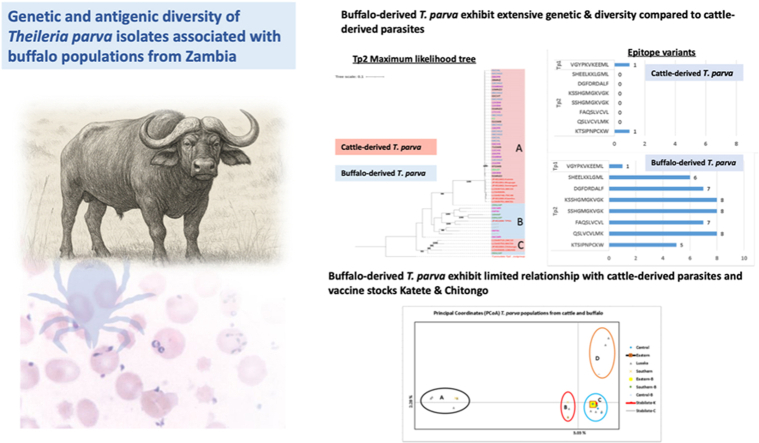 Figure 1
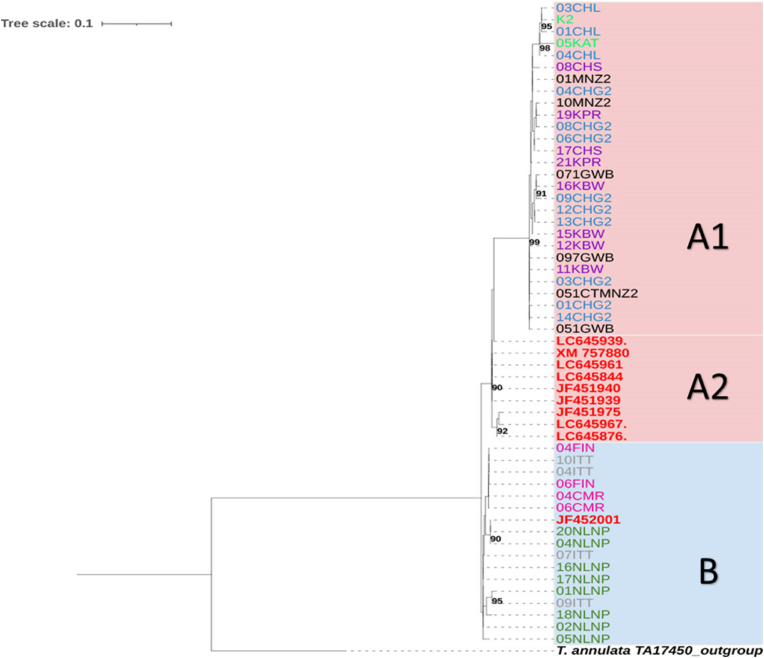 Figure 2
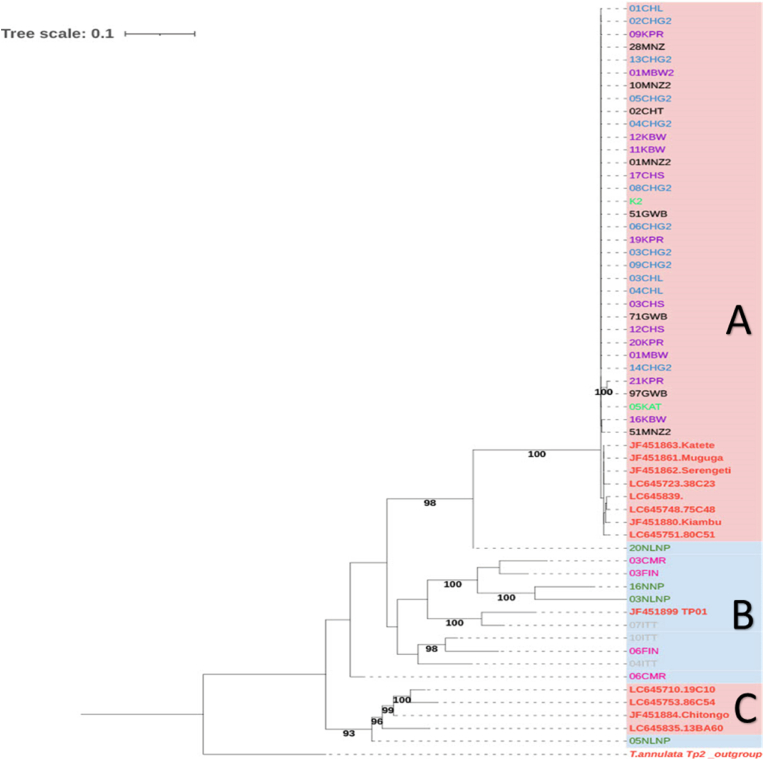 Figure 3
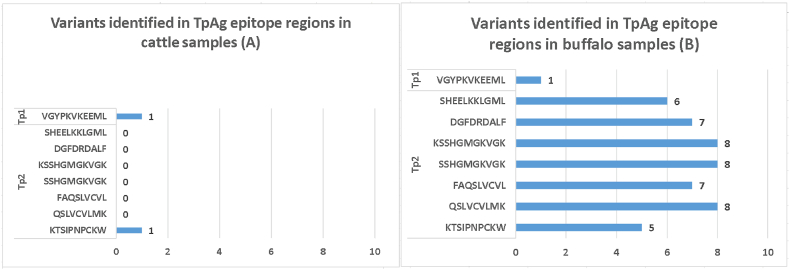 Figure 4
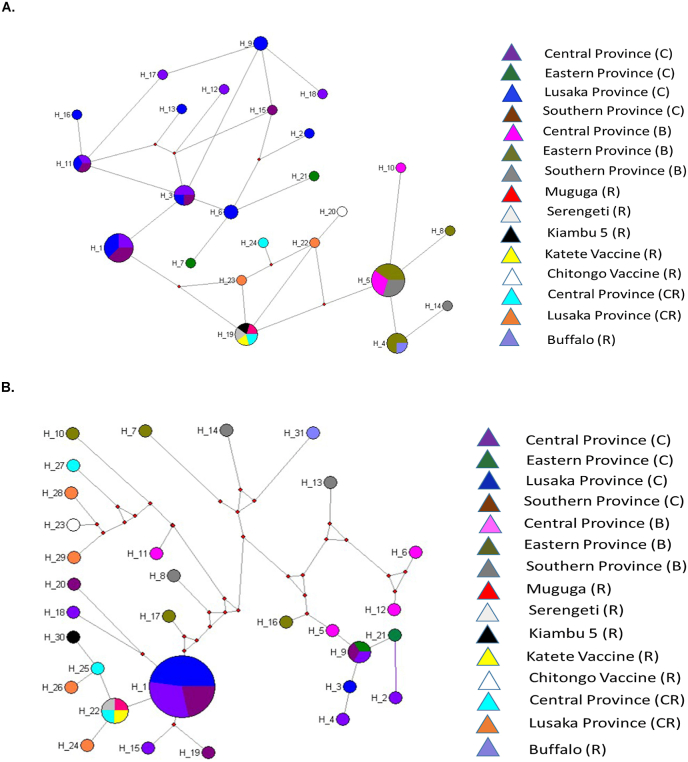 Figure 5
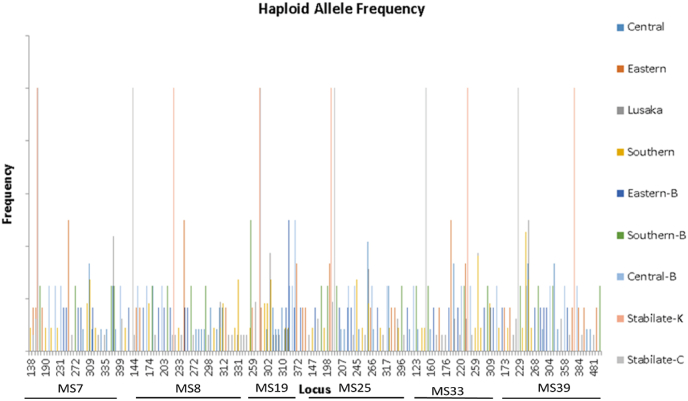 Figure 6
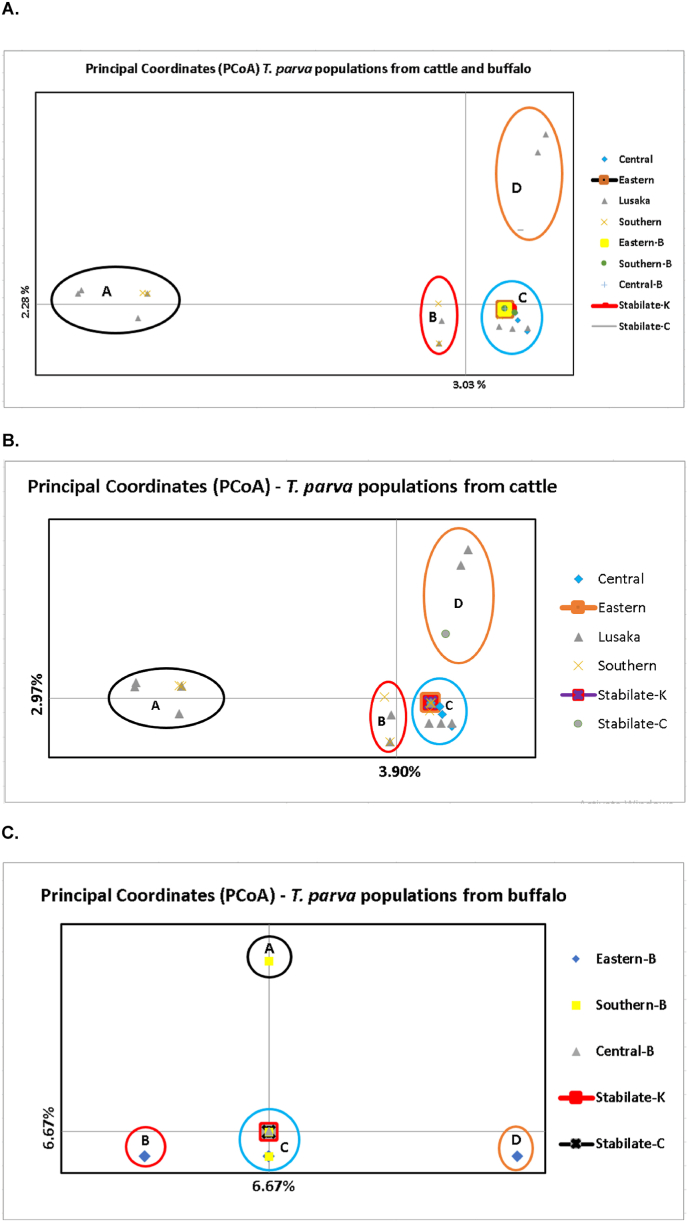 Figure 7
Peer Reviews
No public reviews on file for this paper yet. If you reviewed it on a platform where reviews are public (OpenReview, ICLR, NeurIPS, ICML), you can paste yours below so the community can read it here.
Videos
No videos yet. Explain this paper in a talk, walkthrough, or lecture? Add one.
Taxonomy
TopicsVector-borne infectious diseases · Parasitic Diseases Research and Treatment · Vector-Borne Animal Diseases