ROS-scavenging nanoparticles loaded with tectorigenin protect against acetaminophen-induced hepatotoxicity by interrupting the calcium/ROS-mediated pathogenic endoplasmic reticulum–Mitochondrial signaling cascade
Yaqi Zhang, Zeyuan Jin, Lvwan Xu, Zilong Zhong, Xinyu Wang, Changyou Gao, Lanjuan Li

TL;DR
A new nanoparticle system protects against liver damage from acetaminophen overdose by reducing harmful reactive oxygen species and restoring cellular balance.
Contribution
A ROS-responsive nanoplatform enhances the efficacy of tectorigenin for treating acetaminophen-induced liver injury.
Findings
PBHB@Tec nanoparticles reduced endoplasmic reticulum stress and mitochondrial calcium overload in liver cells.
The nanotherapy disrupted the calcium/ROS apoptotic cascade, lowering liver injury in a mouse model.
ROS-triggered degradation of the nanoparticles improved drug release and antioxidant activity in the liver.
Abstract
Acetaminophen (APAP) overdose is a leading cause of acute liver injury (ALI) and acute liver failure (ALF) worldwide, representing a major clinical and public health challenge due to its rapid onset and high morbidity. Current clinical treatment is limited to N-acetylcysteine (NAC), but its efficacy is highly time-dependent and the prolonged regimen imposes additional clinical burdens and side effects. Natural compounds hold tremendous promise for hepatoprotection, but their clinical translation is limited by unfavorable physicochemical and pharmacokinetic properties. In this study, tectorigenin (Tec), an isoflavone possessing anti-inflammatory and antioxidative activity, was encapsulated within a reactive oxygen species (ROS)-responsive nanoplatform (PBHB@Tec) to enhance bioavailability and enable site-selective hepatoprotection. PBHB@Tec possessed diameters compatible with passage…
Genes, proteins, chemicals, diseases, species, mutations and cell lines named across the full text — each resolved to its canonical identifier and authoritative record.
Click any figure to enlarge with its caption.
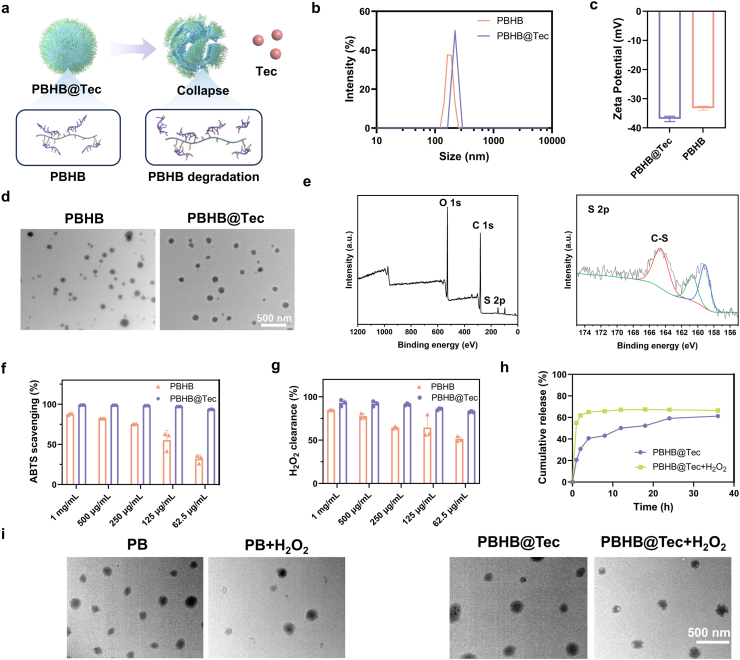 Figure 1
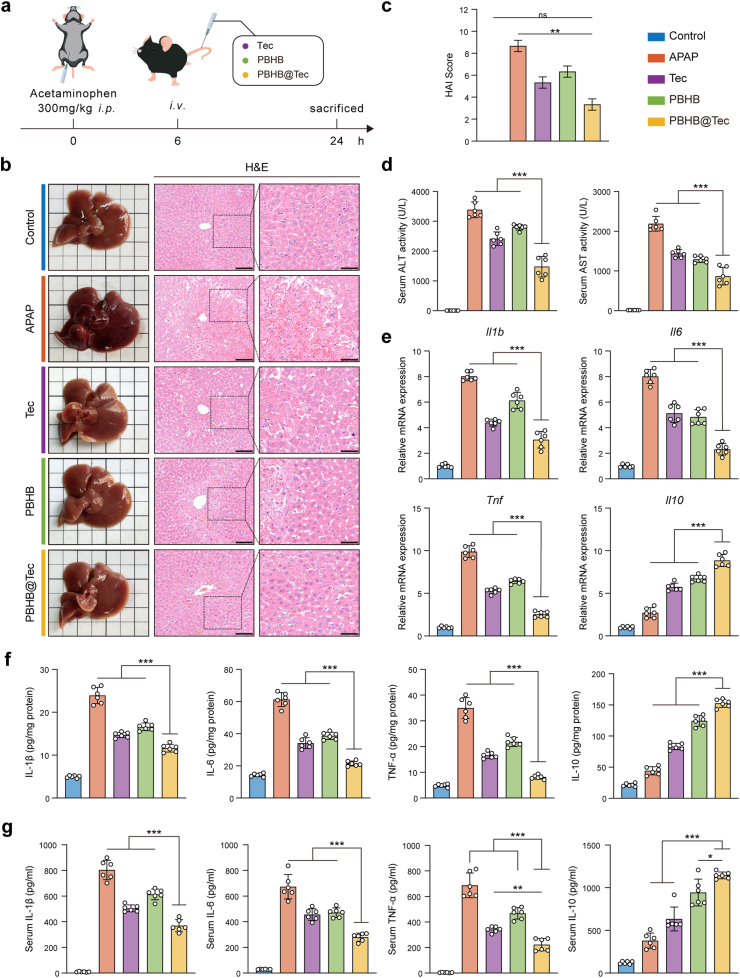 Figure 2
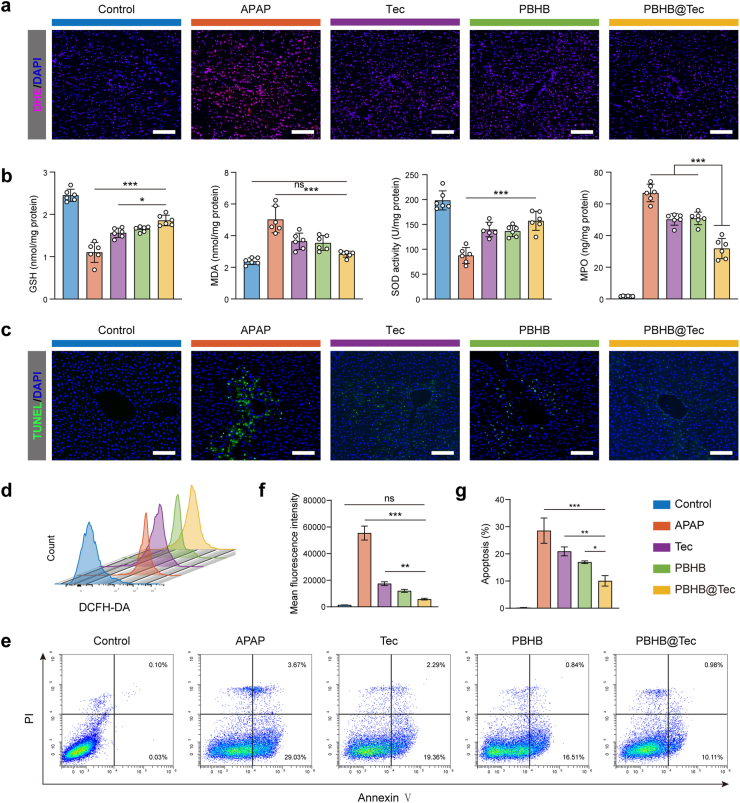 Figure 3
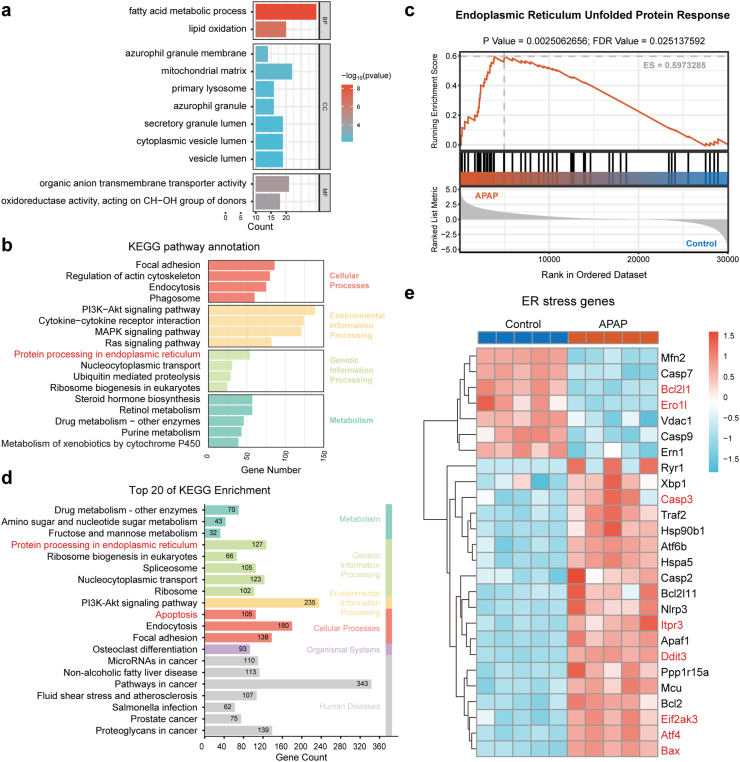 Figure 4
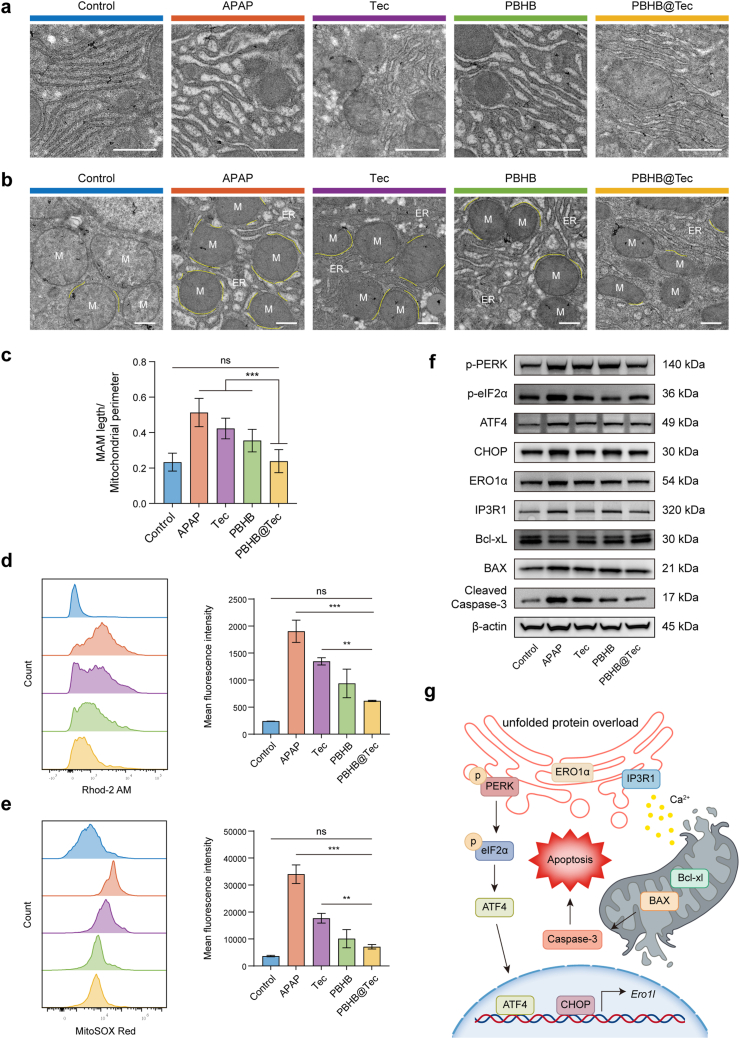 Figure 5
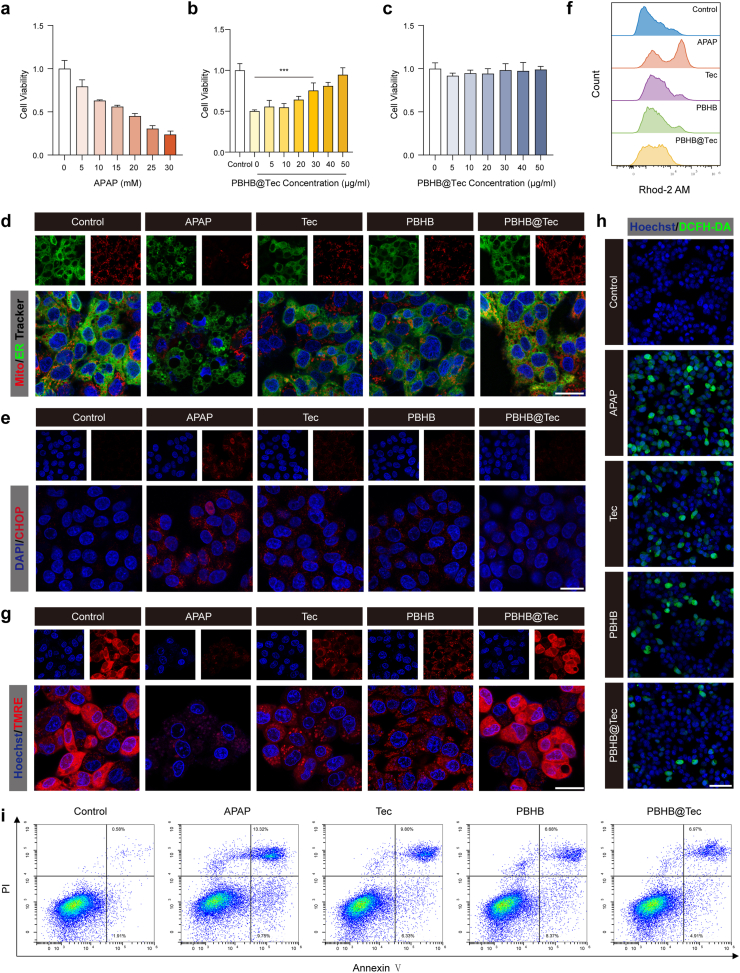 Figure 6
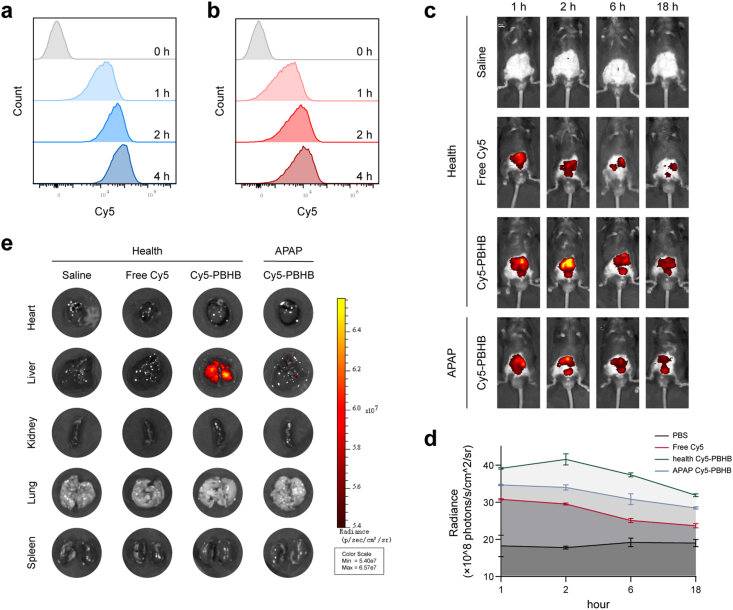 Figure 7
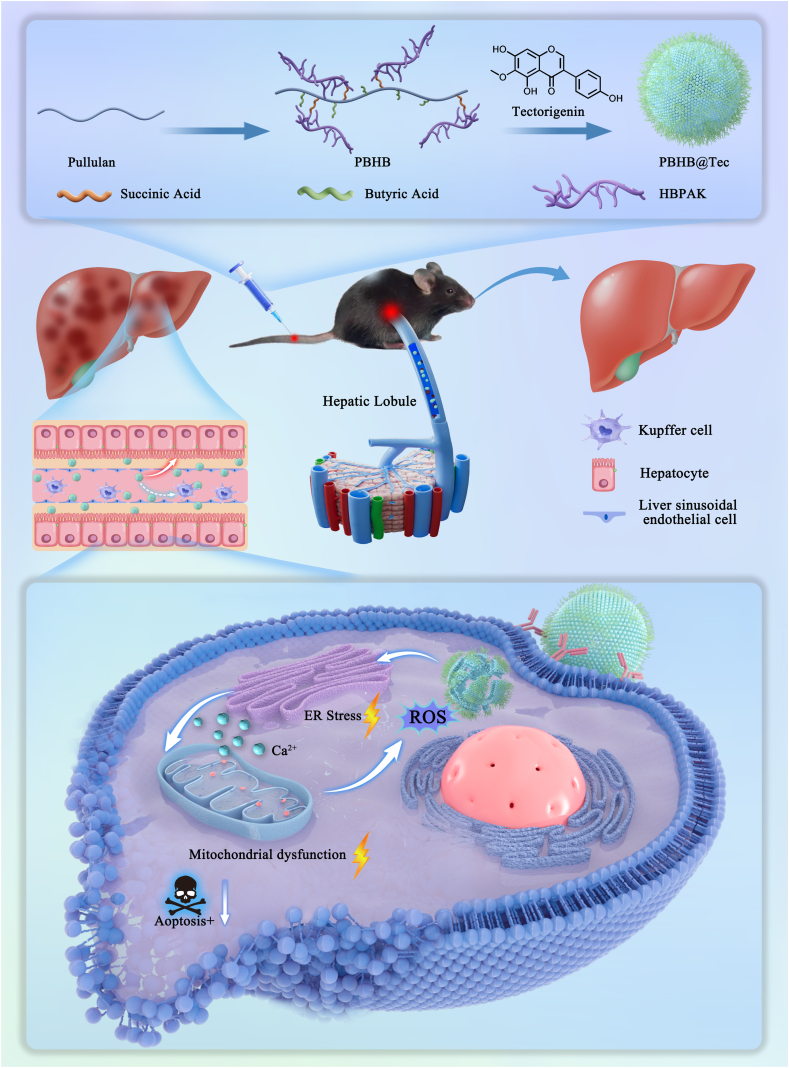 Figure 8
Peer Reviews
No public reviews on file for this paper yet. If you reviewed it on a platform where reviews are public (OpenReview, ICLR, NeurIPS, ICML), you can paste yours below so the community can read it here.
Videos
No videos yet. Explain this paper in a talk, walkthrough, or lecture? Add one.
Taxonomy
TopicsDrug-Induced Hepatotoxicity and Protection · Liver physiology and pathology · Chemotherapy-induced organ toxicity mitigation