Per- and polyfluoroalkyl substances exposure and endometriosis risk: Evidence from epidemiologic, network toxicology, and molecular docking
Haiqiao Zhang, Siliang Zeng, Jingyun Yu, Fengming Zhu, Xiandan Yang, Weichao He, Yuwei Liu, Yu Liang, Yang Liang, Wenxin Hong, Qian Yuan

TL;DR
This study finds that exposure to certain chemicals called PFAS may increase the risk of endometriosis by disrupting hormones and causing inflammation.
Contribution
The study combines epidemiological data with network toxicology and molecular docking to reveal potential mechanisms linking PFAS to endometriosis.
Findings
PFAS mixtures were positively associated with endometriosis, with PFOA and PFOS as key contributors.
129 overlapping genes were identified in pathways related to hormone signaling, inflammation, and the PI3K-Akt pathway.
Molecular docking suggests PFAS bind to core targets, supporting endocrine disruption as a mechanism.
Abstract
Although per- and polyfluoroalkyl substances (PFAS) exposure has been linked to endometriosis, this association remains controversial, and the underlying mechanisms are unclear. This study aimed to investigate this relationship and explore its molecular basis. Using cross-sectional data from NHANES, we analyzed serum PFAS in 1,069 women (20–50 years), applying WQS and BKMR models to assess mixture effects. Network toxicology (protein-protein interaction, pathway enrichment), molecular docking, and external validation were also used. Results showed PFAS mixtures were positively associated with endometriosis (adjusted OR = 1.22, 95% CI: 1.08–1.39), with PFOA and PFOS as main contributors. Mechanistic analysis revealed 129 overlapping genes involved in steroid hormone signaling, inflammatory responses, and the PI3K-Akt pathway, along with potential disruptions in lipid metabolism and…
Genes, proteins, chemicals, diseases, species, mutations and cell lines named across the full text — each resolved to its canonical identifier and authoritative record.
Click any figure to enlarge with its caption.
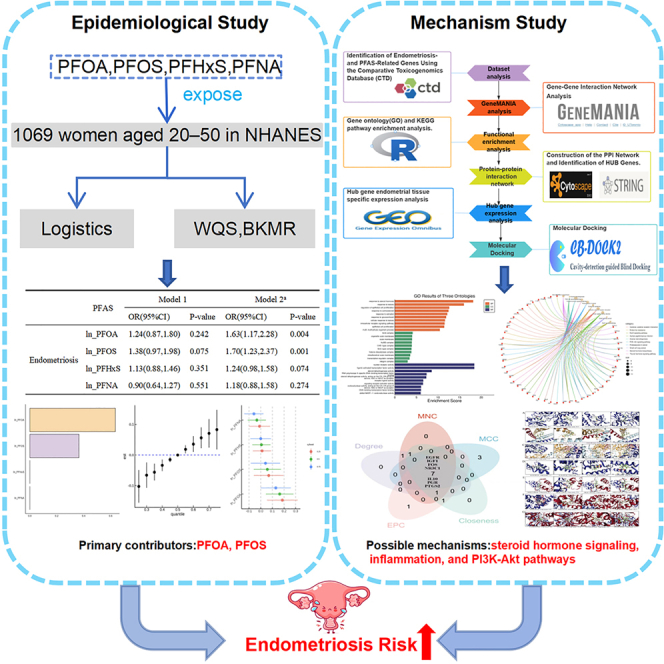 Figure 1
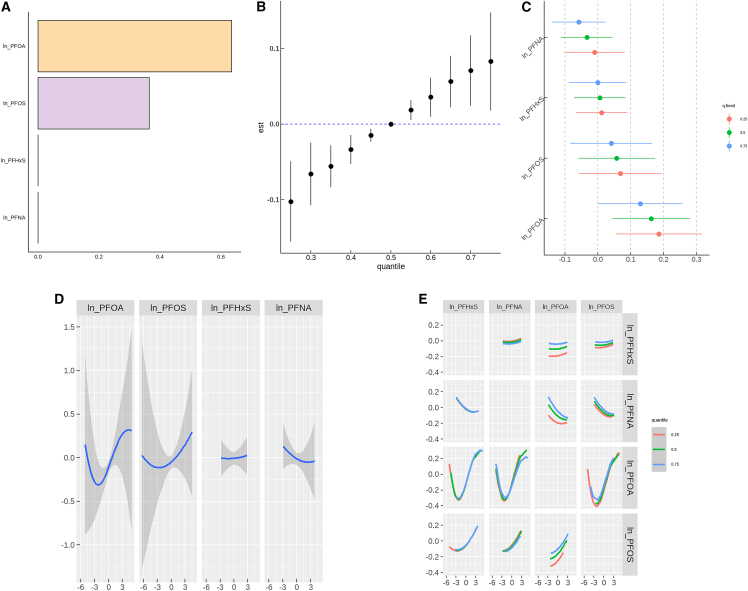 Figure 2
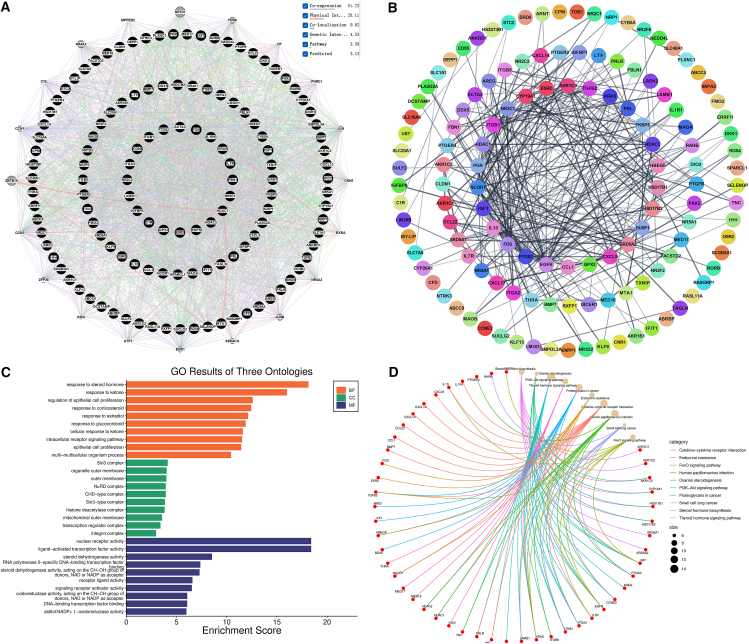 Figure 3
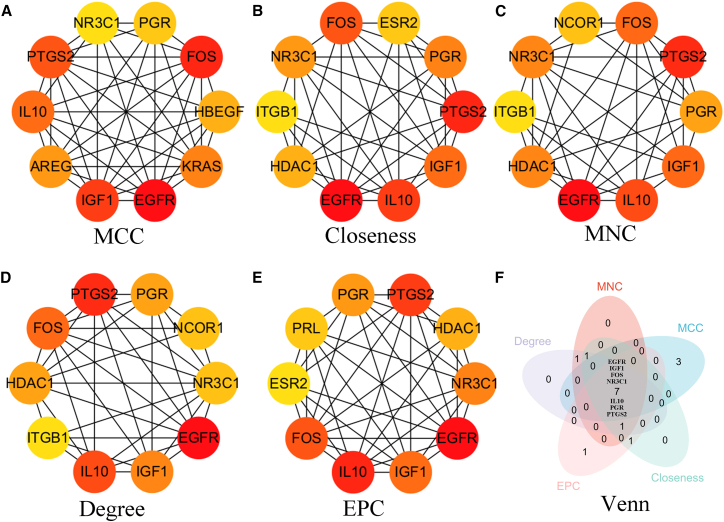 Figure 4
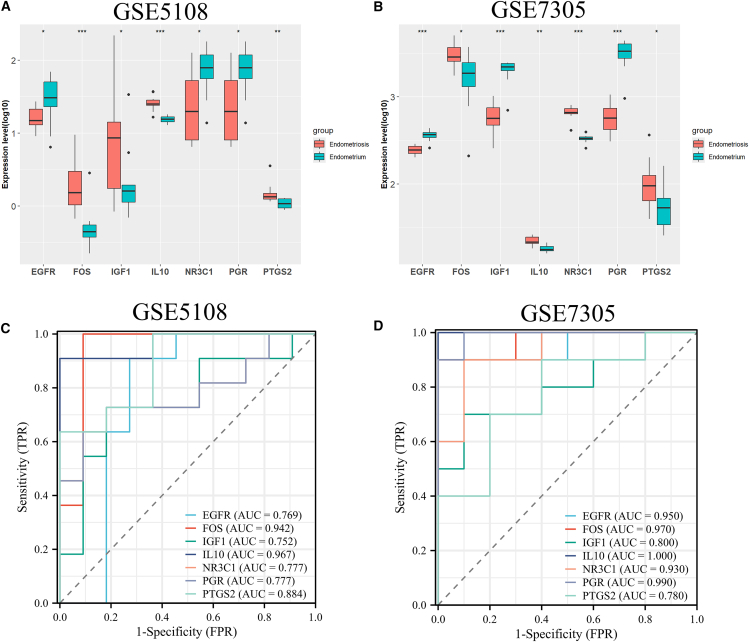 Figure 5
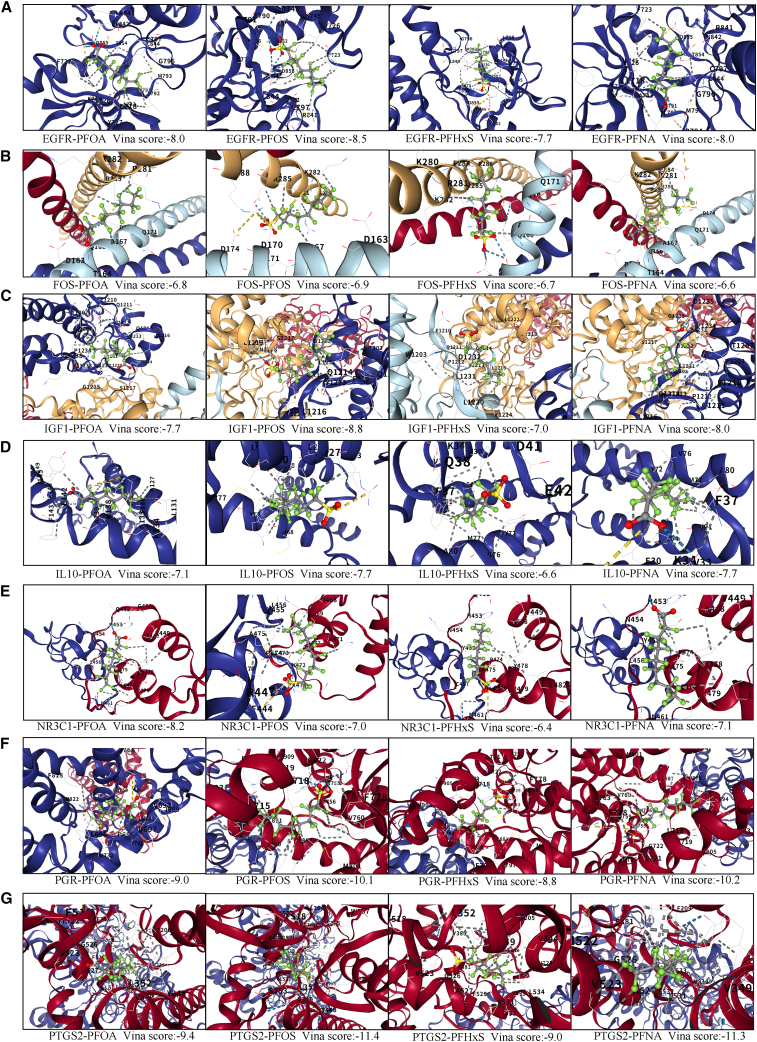 Figure 6
Peer Reviews
No public reviews on file for this paper yet. If you reviewed it on a platform where reviews are public (OpenReview, ICLR, NeurIPS, ICML), you can paste yours below so the community can read it here.
Videos
No videos yet. Explain this paper in a talk, walkthrough, or lecture? Add one.
Taxonomy
TopicsPer- and polyfluoroalkyl substances research · Fluorine in Organic Chemistry · Fluoride Effects and Removal