Analysis of proteins and peptides to investigate the molecular signatures of a conventional antidiabetic herb, Boerhavia procumbens Banks ex Roxb. (Nyctaginaceae)
Ghazala Hassan, Shazia Anjum, Samina Ejaz, Muhammad Ashraf, Ayesha Momen

TL;DR
This study identifies antidiabetic proteins in Boerhavia procumbens, a traditional herb, by analyzing enzyme-inhibiting proteins and peptides from its root and whole plant extracts.
Contribution
The study is the first to investigate macromolecular constituents of Boerhavia procumbens for antidiabetic activity, identifying specific inhibitory proteins.
Findings
Crude extracts from Boerhavia procumbens strongly inhibit α-glucosidase and α-amylase enzymes.
LC-MS/MS analysis identified 20 proteins, including four known antidiabetic proteins like γ-conglutin and thioredoxin peroxidase.
Nine fractions showed anti-α-amylase activity with IC50 values ranging from 24.24 to 85.55 µg/mL.
Abstract
Boerhavia procumbens Banks ex Roxb. (Nyctaginaceae) is a diuretic herb that is traditionally used to treat diabetes mellitus, a disease having an alarmingly high prevalence rate worldwide. Although various micro molecules present in B. procumbens are known for their antidiabetic roles, the macromolecular constituents have not been studied yet. The current study was therefore planned to identify and characterize the antidiabetic proteins/peptides, if any, present in B. procumbens. Initially the proteins/peptides were extracted, from roots and whole plant of B. procumbens, in sodium phosphate buffers each of concentration 200 mM and of variable pH (range 6–8). The crude extracts were primarily tested for their inhibitory potential against α-glucosidase and α-amylase. The crude extracts with significant inhibitory potential were processed for partial purification of proteins/peptides…
Genes, proteins, chemicals, diseases, species, mutations and cell lines named across the full text — each resolved to its canonical identifier and authoritative record.
Click any figure to enlarge with its caption.
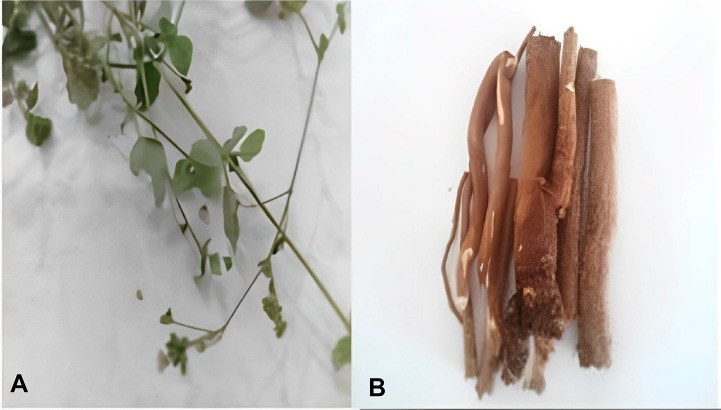 Figure 1
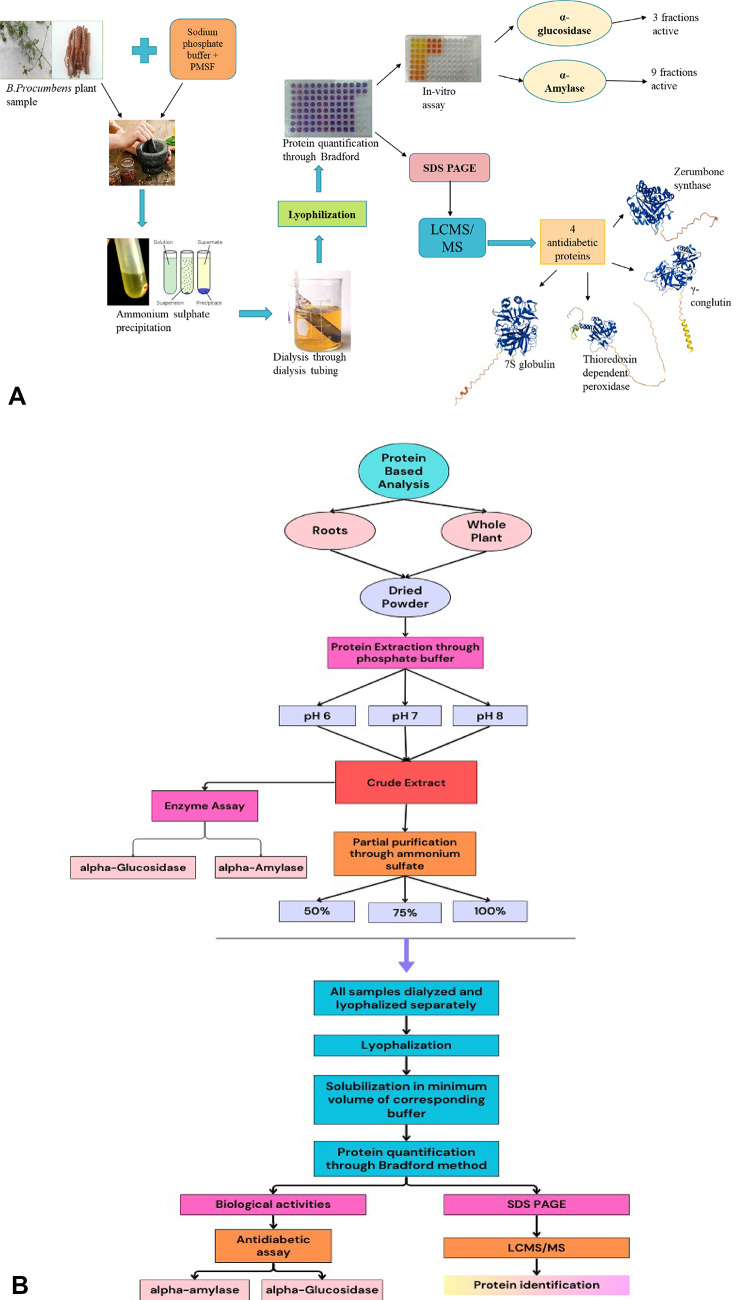 Figure 2
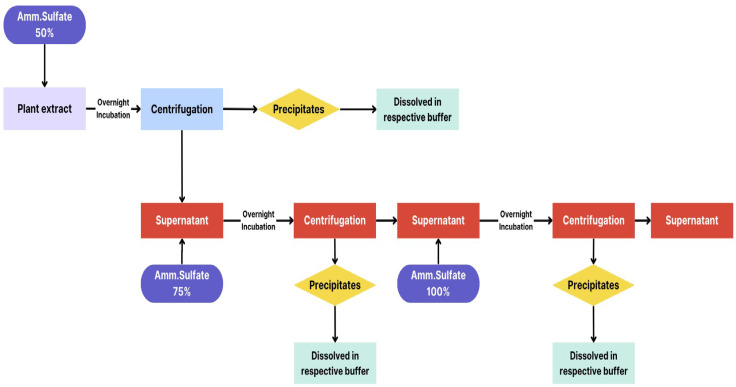 Figure 3
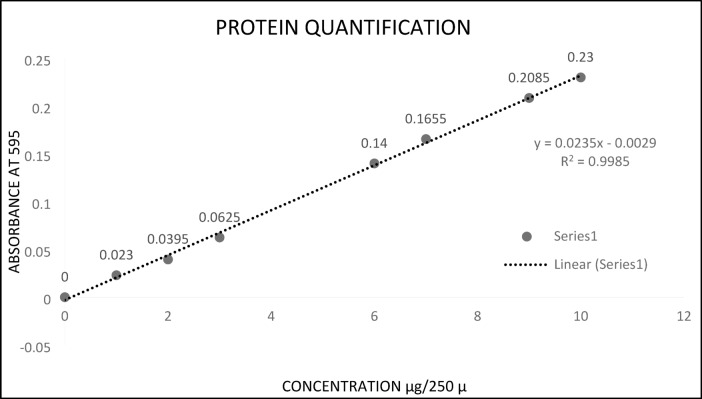 Figure 4
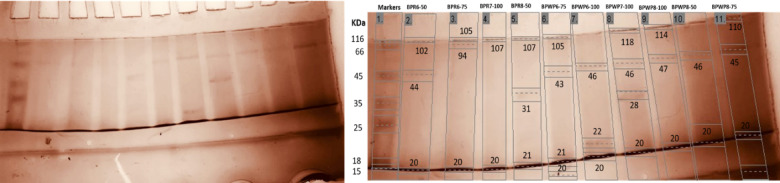 Figure 5
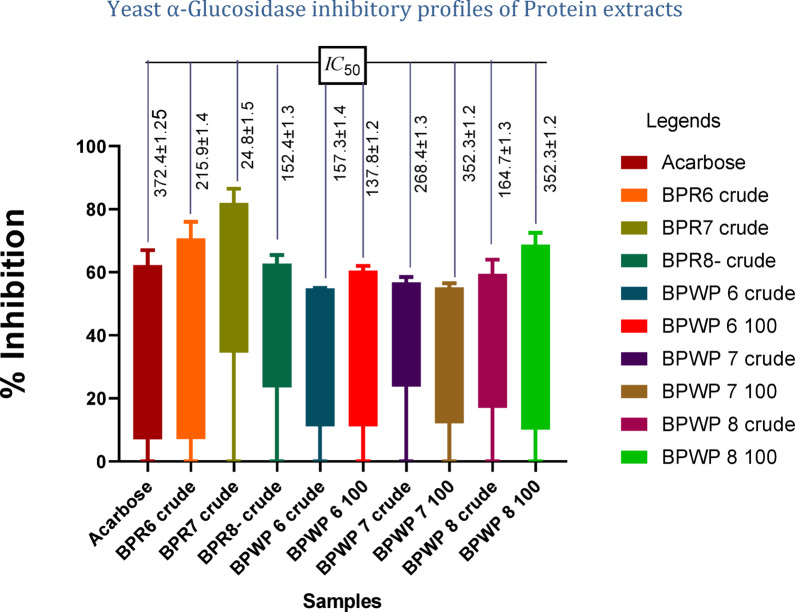 Figure 6
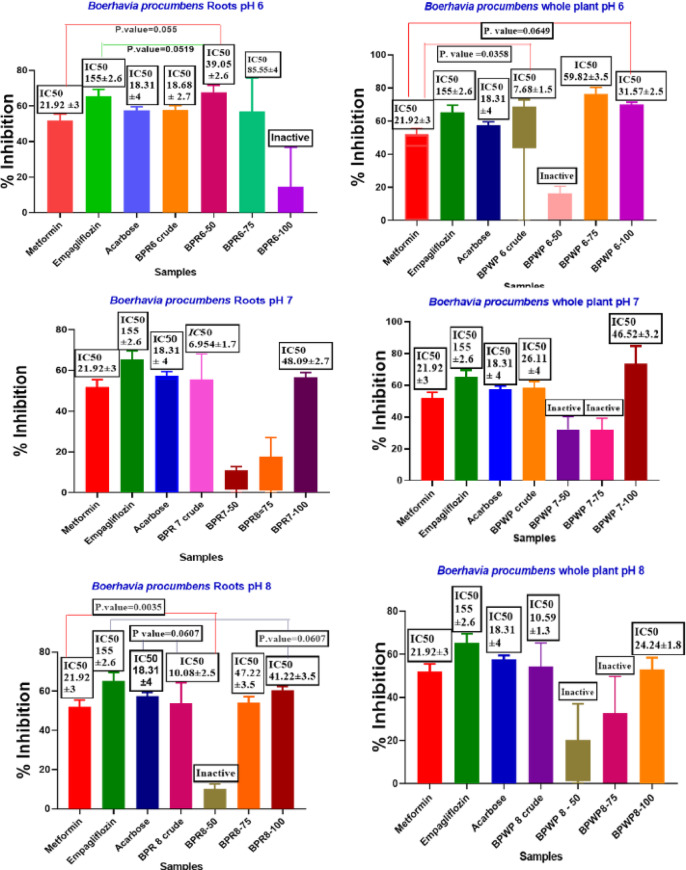 Figure 7
Peer Reviews
No public reviews on file for this paper yet. If you reviewed it on a platform where reviews are public (OpenReview, ICLR, NeurIPS, ICML), you can paste yours below so the community can read it here.
Videos
No videos yet. Explain this paper in a talk, walkthrough, or lecture? Add one.
Taxonomy
TopicsBioactive natural compounds · Natural Antidiabetic Agents Studies · Psidium guajava Extracts and Applications