Decellularized lymph node sections with preserved extracellular matrix for stromal cell culture
Estefania Esparza, Leonor N. Teles, Alisa Fedotova, Noa Dehaseth, Mira Sayegh, Ana V. Hernandez, Lucy Y. Ho, Noel M. Ziebarth, Alice A. Tomei

TL;DR
Researchers developed a method to create thin, cell-free scaffolds from lymph nodes to study how the extracellular matrix influences immune cell behavior.
Contribution
A new protocol for decellularizing lymph node slices that preserves ECM and supports cell culture and imaging.
Findings
Decellularized lymph node slices retained collagen and GAG levels similar to native tissue.
The slices supported long-term fibroblastic reticular cell culture and co-culture with T cells.
The method enabled high-resolution imaging and revealed altered protein expression in cultured cells.
Abstract
The lymph node (LN) extracellular matrix (ECM) is produced by stromal cells like fibroblastic reticular cells (FRCs) and supports adaptive immunity by guiding immune cell interactions. Disruption of this ECM in cancer and chronic inflammation has been shown to promote disease progression. While interactions between cells and the LN ECM are critical for immunity, they remain difficult to study due to limitations in current models and reliance on animal studies. To address this, LNs could be decellularized to generate cell-free scaffolds that are subsequently reseeded with cells to study how the native LN microenvironment influences cellular behavior. Existing whole-organ decellularization methods preserve ECM features but yield dense scaffolds that restrict uniform cell seeding, limit nutrient diffusion, and hinder imaging analyses. Here, we present a protocol that combines vibratome…
Genes, proteins, chemicals, diseases, species, mutations and cell lines named across the full text — each resolved to its canonical identifier and authoritative record.
Click any figure to enlarge with its caption.
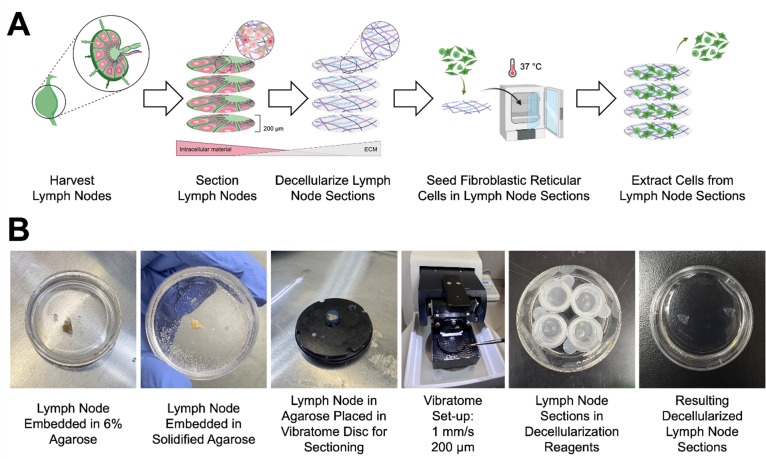 Figure 1
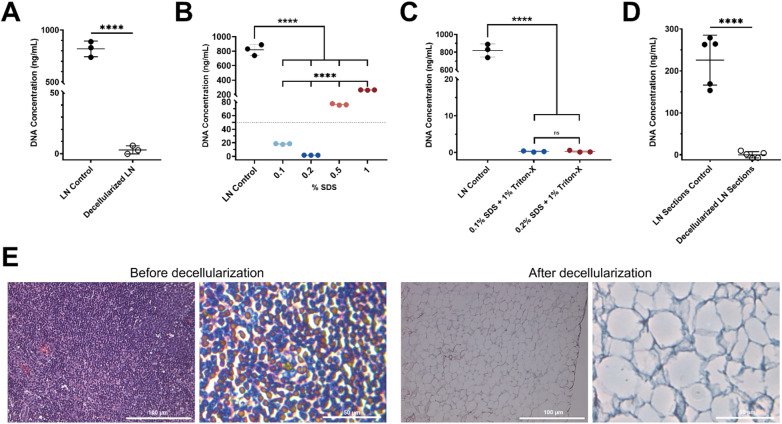 Figure 2
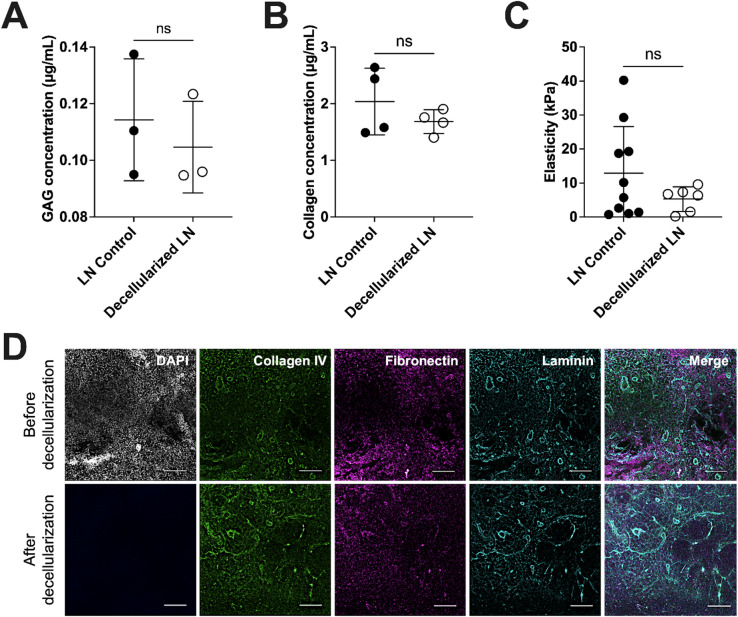 Figure 3
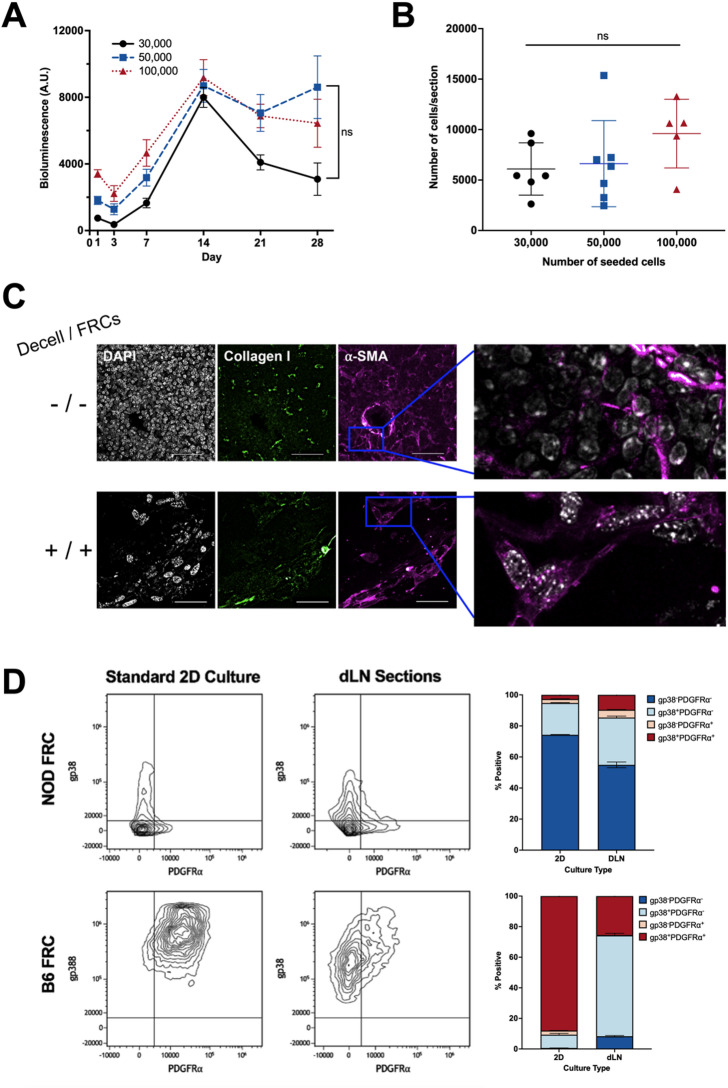 Figure 4
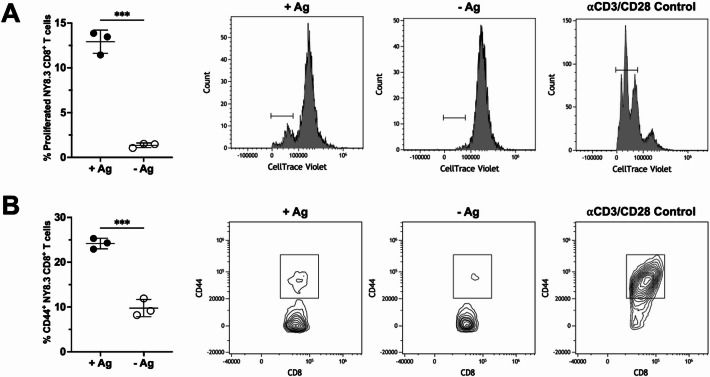 Figure 5
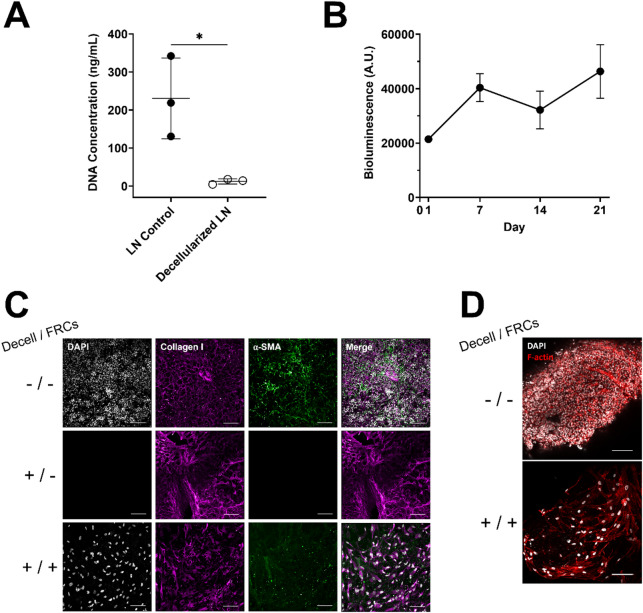 Figure 6
Peer Reviews
No public reviews on file for this paper yet. If you reviewed it on a platform where reviews are public (OpenReview, ICLR, NeurIPS, ICML), you can paste yours below so the community can read it here.
Videos
No videos yet. Explain this paper in a talk, walkthrough, or lecture? Add one.
Taxonomy
TopicsTissue Engineering and Regenerative Medicine · Cancer Cells and Metastasis · Cell Adhesion Molecules Research