RAS/PI3K pathway mutations sensitise epithelial ovarian cancer cells to a PARP/NAMPT inhibitor combination
Michael Gruet, Yitao Xu, Lyutong An, Yurui Ma, Cristina Balcells, Katie Tyson, Laila C. Evangelista, Sarah Spear, Yuewei Xu, Flora McKinney, Julia Babuta, Chandler Bray, Chiharu Wickremesinghe, Alexandros P. Siskos, Anke M. Nijhuis, Edward W. Tate, Iain A. McNeish, Adrian Benito

TL;DR
This study shows that ovarian cancer cells with RAS/PI3K mutations respond better to a combination of PARP and NAMPT inhibitors, which could improve treatment outcomes.
Contribution
The study identifies RAS/PI3K pathway mutations as a predictive biomarker for PARP/NAMPT inhibitor sensitivity in epithelial ovarian cancer.
Findings
RAS/PI3K pathway mutant cells are more sensitive to NAMPT inhibition.
Combining PARP and NAMPT inhibitors reduces tumor weight and increases survival in mouse models.
The combination treatment increases ROS, DNA damage, and apoptosis in sensitive cells.
Abstract
The combination of PARP and NAMPT inhibitors (PARPi/NAMPTi) has been explored for the treatment of triple-negative breast cancer, Ewing sarcoma and high-grade serous carcinoma (HGSC). However, dose limiting toxicity has hampered NAMPTi in clinical trials. To maximise the therapeutic window, we set out to identify predictive genomic biomarkers. Bioinformatic analysis and screening of a panel of epithelial ovarian cancer (EOC) cell lines revealed that cells with RAS/PI3K pathway mutations are sensitive to the NAMPTi FK866. Combined exposure to olaparib and FK866 is associated with a reduction in nicotinamide mononucleotide (NMN) and the PARP substrate nicotinamide adenine dinucleotide (NAD+), with coincident increases in ROS production, DNA damage and apoptosis induction. Caspase 3/7 activity is upregulated to a greater extent in RAS/PI3K mutant cell lines. Finally, the combination…
Genes, proteins, chemicals, diseases, species, mutations and cell lines named across the full text — each resolved to its canonical identifier and authoritative record.
Click any figure to enlarge with its caption.
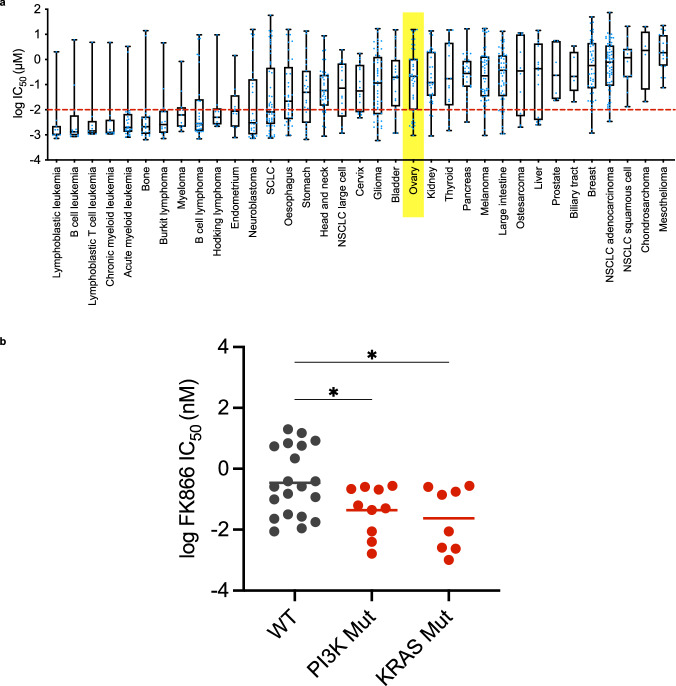 Figure 1
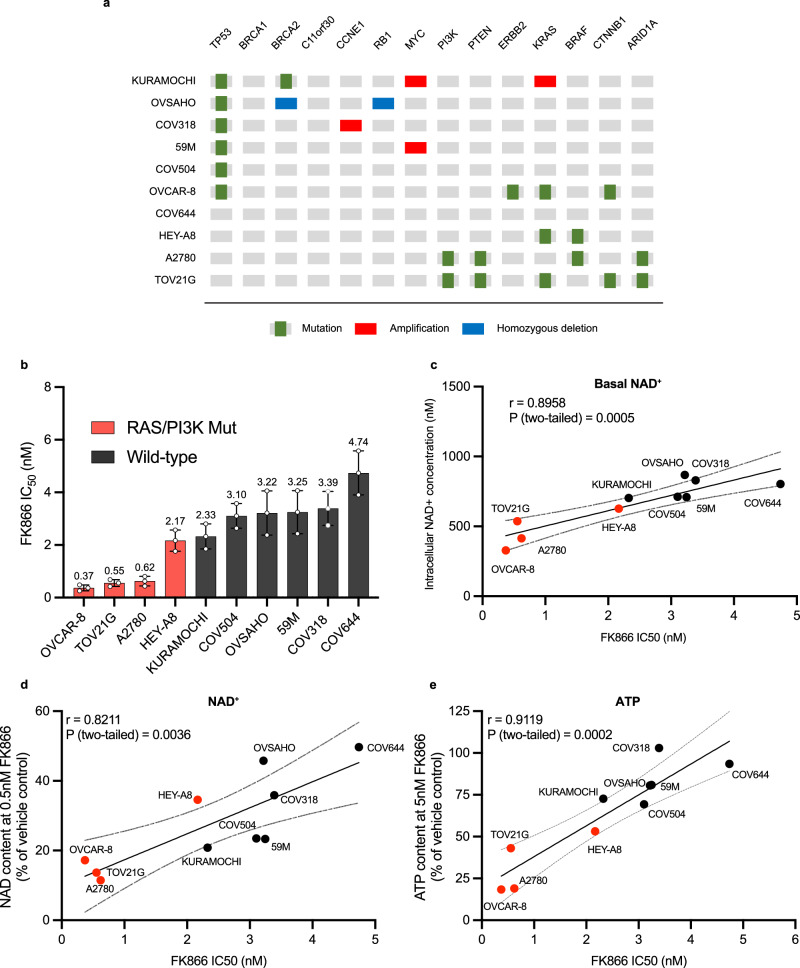 Figure 2
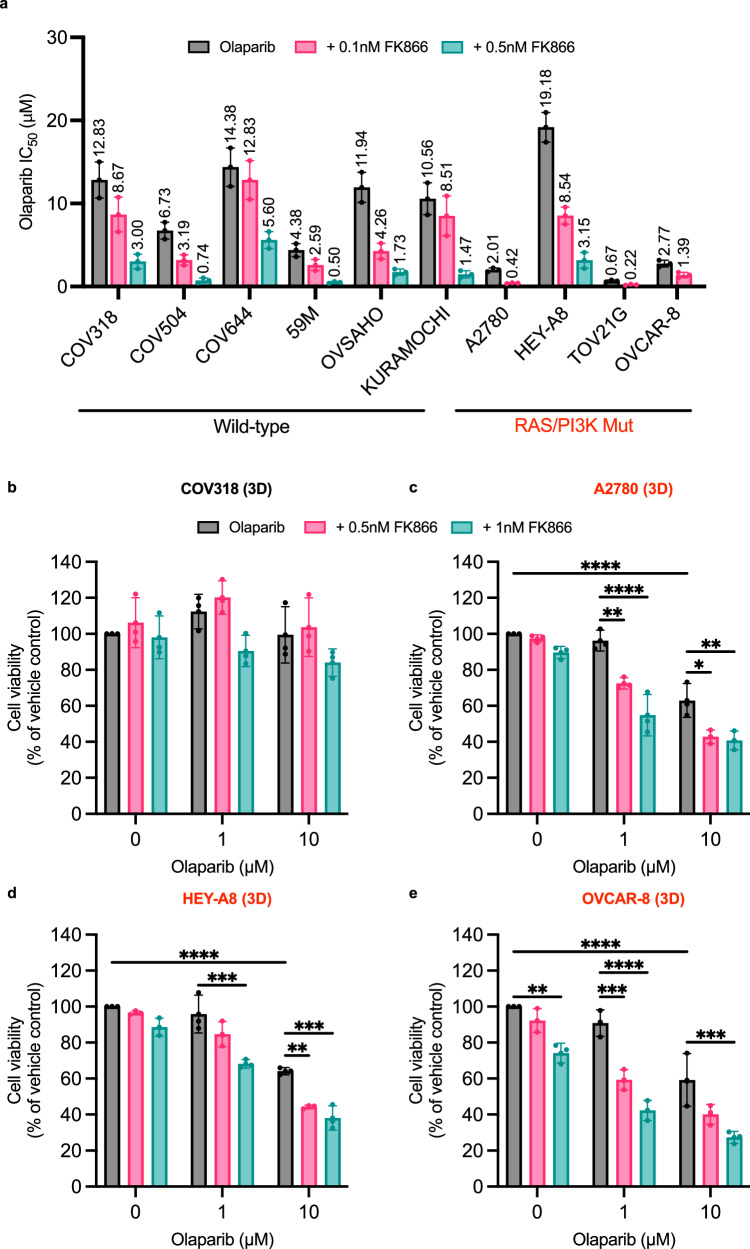 Figure 3
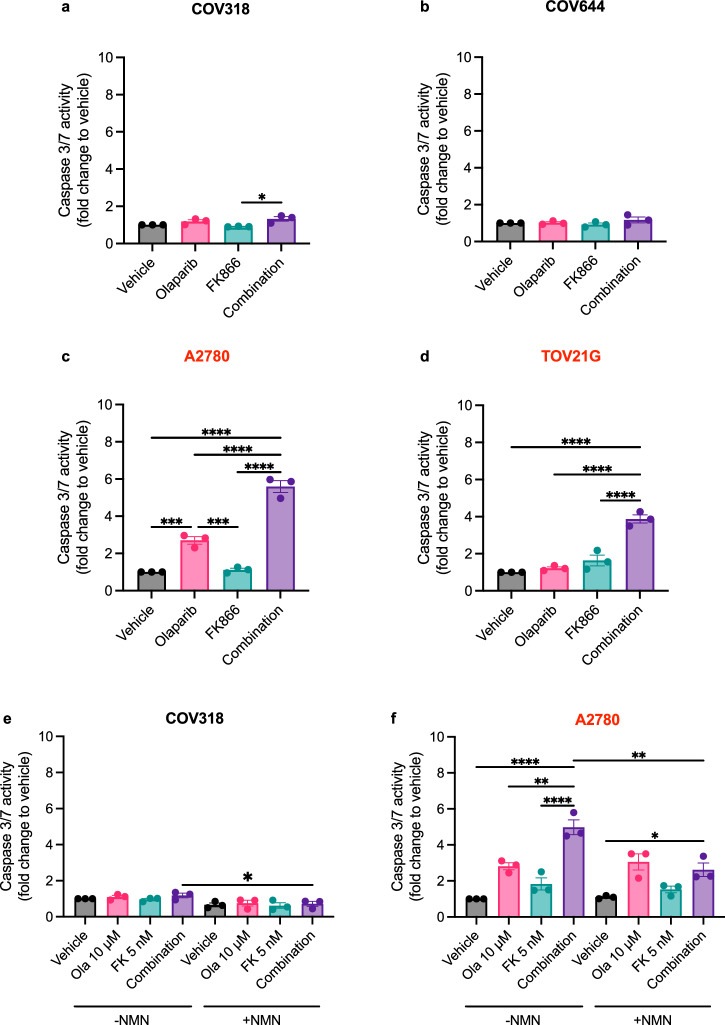 Figure 4
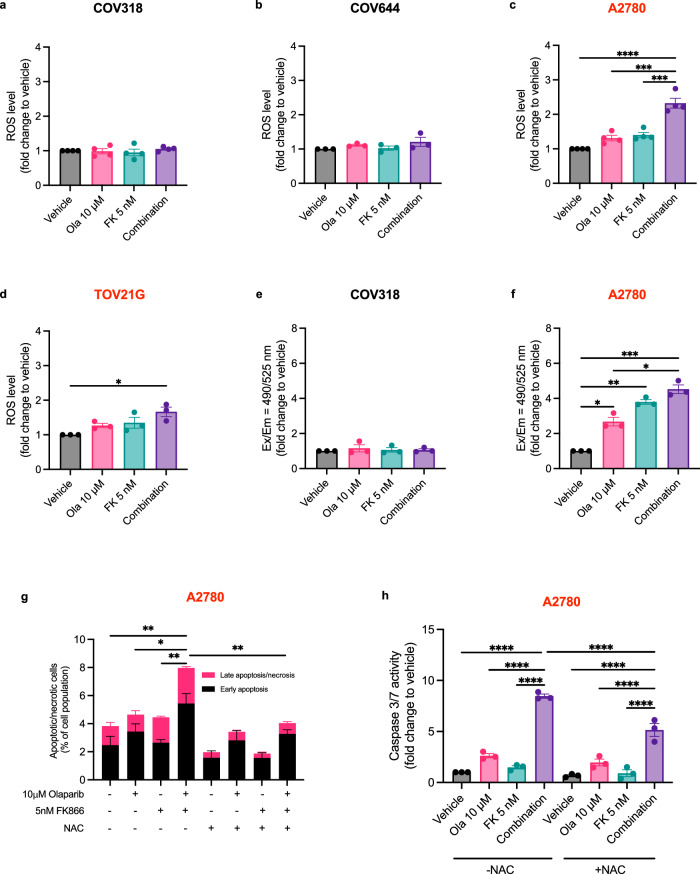 Figure 5
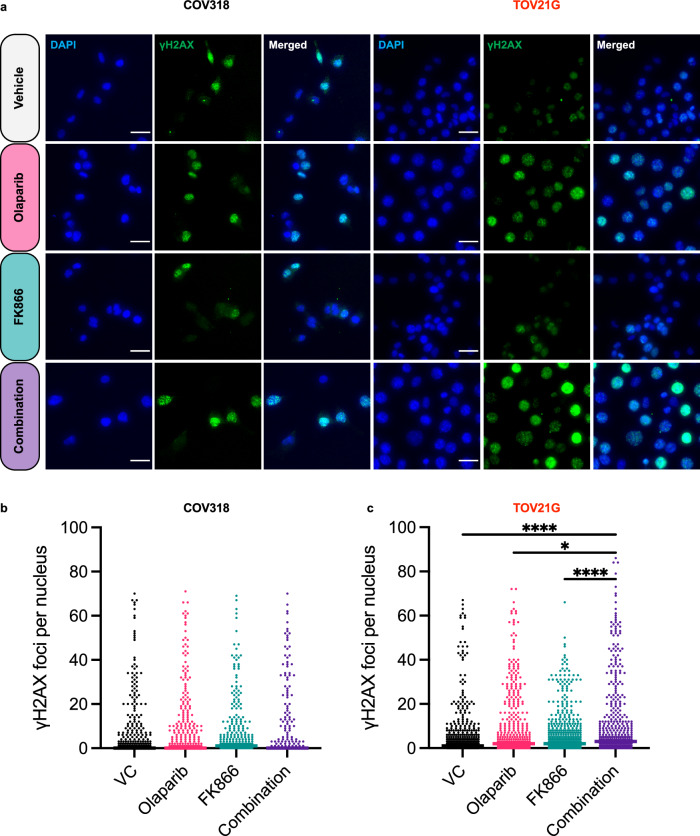 Figure 6
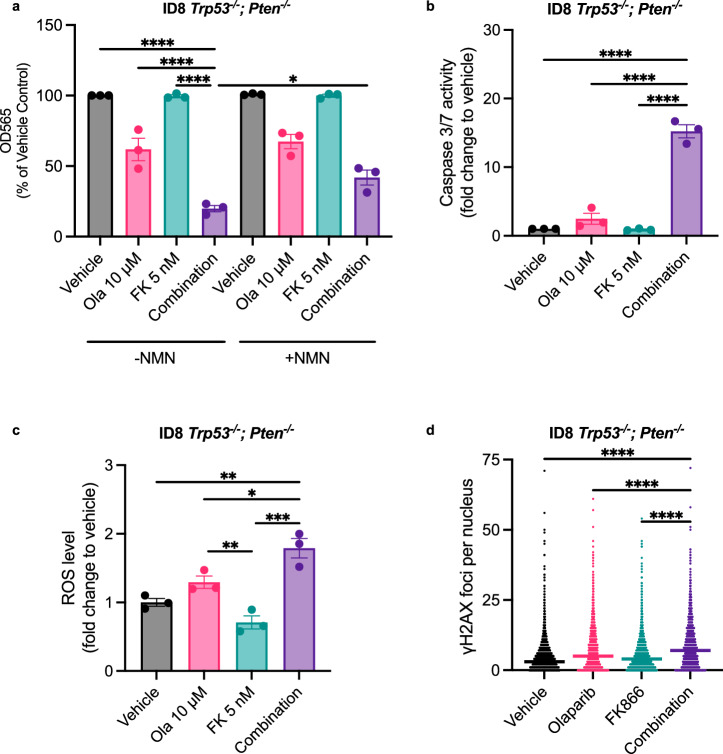 Figure 7
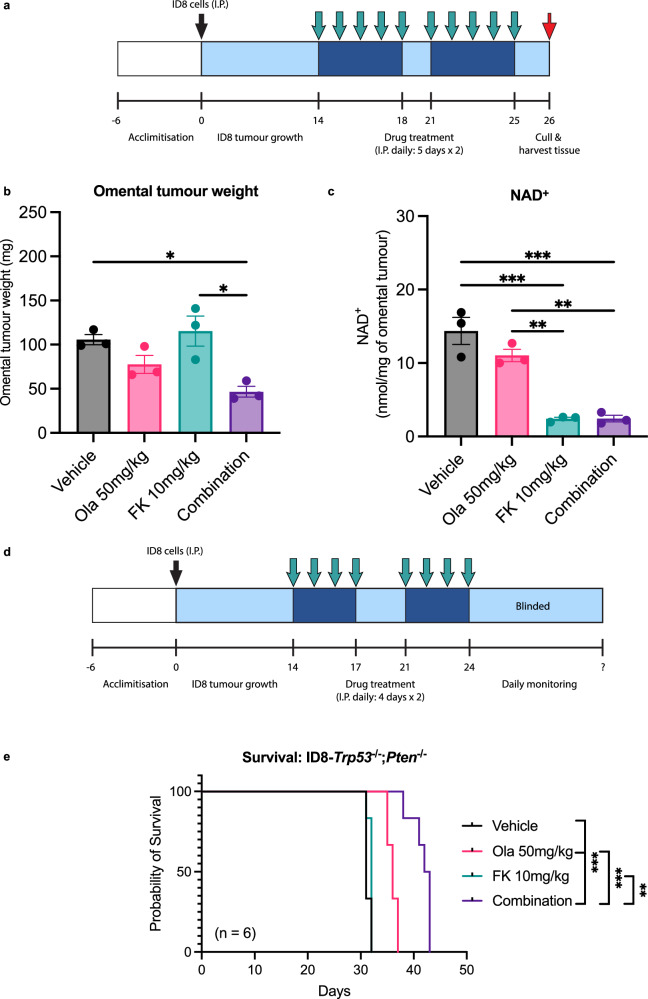 Figure 8
Peer Reviews
No public reviews on file for this paper yet. If you reviewed it on a platform where reviews are public (OpenReview, ICLR, NeurIPS, ICML), you can paste yours below so the community can read it here.
Videos
No videos yet. Explain this paper in a talk, walkthrough, or lecture? Add one.
Taxonomy
TopicsPARP inhibition in cancer therapy · Sirtuins and Resveratrol in Medicine · Ovarian cancer diagnosis and treatment