Data assimilation reveals behavioral dynamics of sea cucumbers as a model for slow-moving benthic animals
Tsutomu Takagi, Yuto Tanaka, Erica Sasano, Kouki Kanda, Yuichi Sakai

TL;DR
This study uses advanced tracking methods to understand the movement patterns of Japanese sea cucumbers and how they respond to environmental factors.
Contribution
A novel framework combining acoustic telemetry, data assimilation, and fractal analysis to study slow-moving marine organisms.
Findings
Higher water temperatures significantly increased sea cucumber movement activity during the growing stage.
Boulder zones influenced movement differently depending on the season.
Long-term tracking data revealed new insights into settlement and dispersal patterns.
Abstract
Understanding the movement behavior of Japanese sea cucumbers (Apostichopus japonicus) is essential for ecological research and fisheries management. However, tracking their locomotion is challenging due to their slow movement and environmental variability. In this study, we employed acoustic telemetry combined with a data assimilation approach using the Kalman filter to estimate movement trajectories with high accuracy, overcoming the limitations of traditional visual tracking methods. To characterize movement complexity, we applied fractal dimension analysis, quantifying the randomness and variability of individual locomotion across different environmental conditions. Additionally, we examined the influence of key environmental factors, including water temperature, diel cycles, and boulder presence, using Generalized Linear Models (GLM). The results indicate that during the growing…
Genes, proteins, chemicals, diseases, species, mutations and cell lines named across the full text — each resolved to its canonical identifier and authoritative record.
Click any figure to enlarge with its caption.
 Figure 1
 Figure 2
 Figure 3
 Figure 4
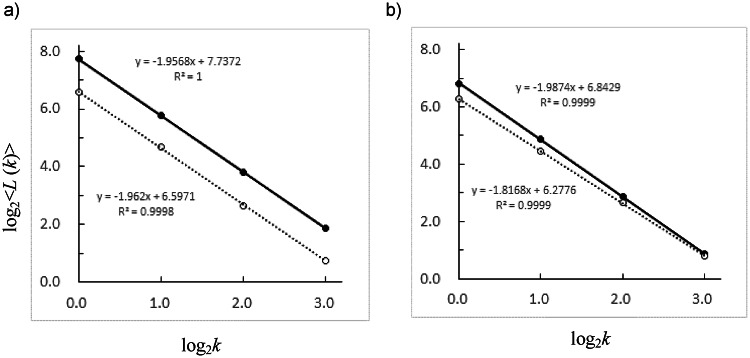 Figure 5
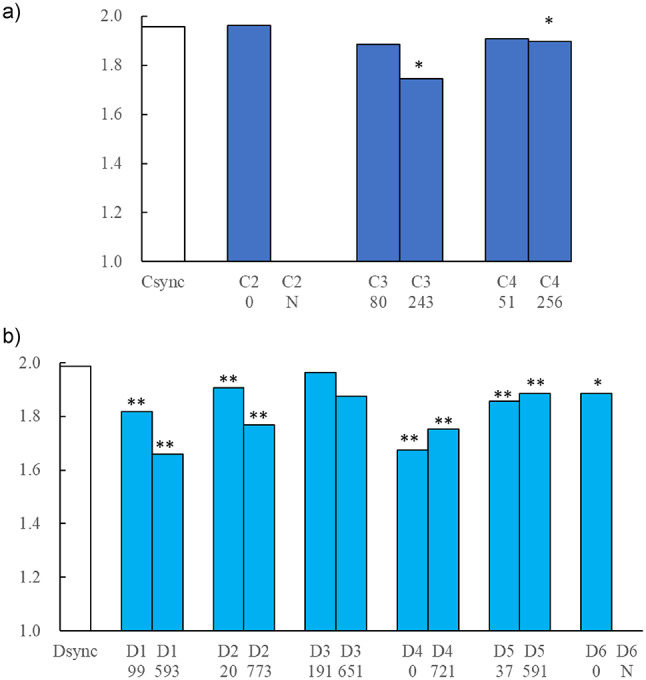 Figure 6
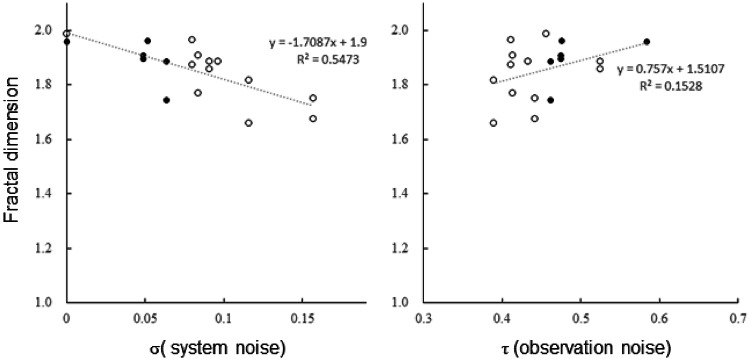 Figure 7
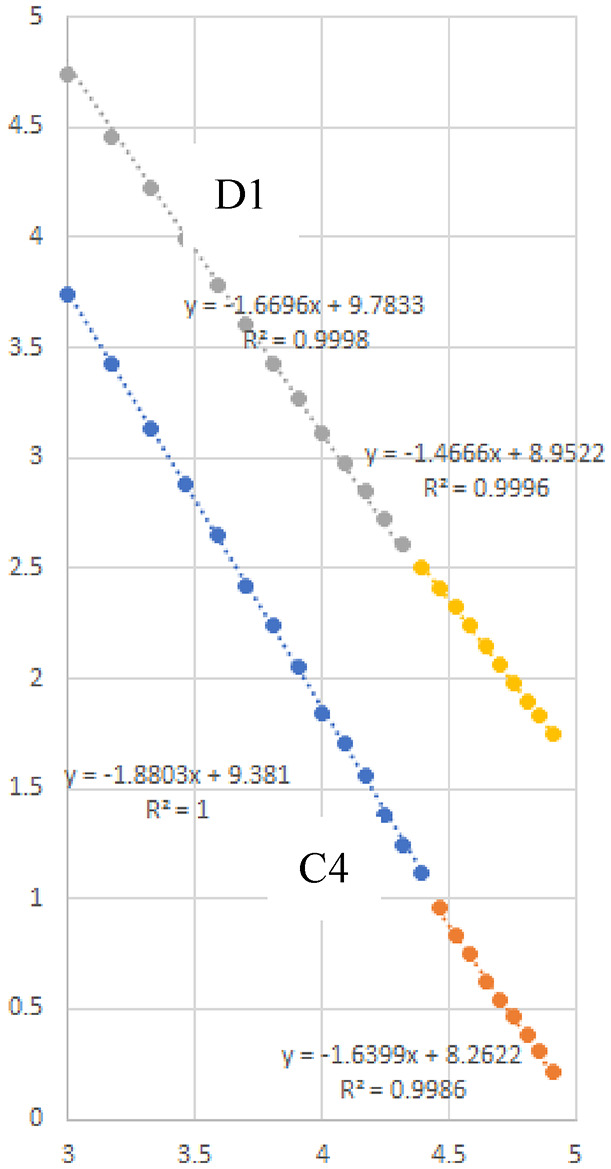 Figure 8
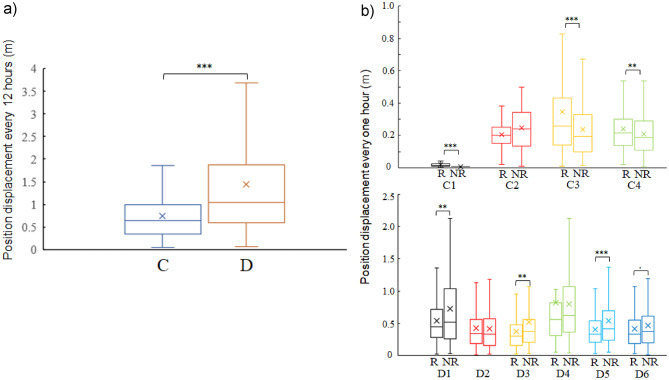 Figure 9
Peer Reviews
No public reviews on file for this paper yet. If you reviewed it on a platform where reviews are public (OpenReview, ICLR, NeurIPS, ICML), you can paste yours below so the community can read it here.
Videos
No videos yet. Explain this paper in a talk, walkthrough, or lecture? Add one.
Taxonomy
TopicsEchinoderm biology and ecology · Cephalopods and Marine Biology · Crustacean biology and ecology