Vision and convolutional transformers for Alzheimer’s disease diagnosis: a systematic review of architectures, multimodal fusion and critical gaps
Ibrahem Afifi, Mostafa Elgendy, Mohamed Abdelfatah, Shaker El-Sappagh

TL;DR
This paper reviews how Vision and Convolutional Transformers are used for diagnosing Alzheimer’s disease, highlighting trends and gaps in current research.
Contribution
The paper introduces novel taxonomies for categorizing AD diagnosis studies using ViTs and CViTs, and identifies critical gaps in multimodal integration and reproducibility.
Findings
Hybrid CViT frameworks are increasingly used in Alzheimer’s diagnosis.
There is a limited focus on Mild Cognitive Impairment-to-AD progression in current studies.
Algorithmic reproducibility remains a significant challenge in the field.
Abstract
Alzheimer’s disease (AD), a significant public health challenge, requires accurate early diagnosis to improve patient outcomes. Vision Transformers (ViTs) and Convolutional Vision Transformers (CViTs) have emerged as powerful Deep Learning architectures for this task. Following PRISMA guidelines, this systematic review analyzes 68 studies selected from 564 publications (2021–2025) across five major databases: Scopus, Web of Science, ScienceDirect, IEEE Xplore, and PubMed. We introduce novel taxonomies to systematically categorize these works by model architecture, data modality, fusion strategy, and diagnostic objective. Our analysis reveals key trends, such as the rise of hybrid CViT frameworks, and critical gaps, including a limited focus on Mild Cognitive Impairment-to-AD progression. Critically, we also assess practical implementation details, revealing widespread challenges in…
Genes, proteins, chemicals, diseases, species, mutations and cell lines named across the full text — each resolved to its canonical identifier and authoritative record.
Click any figure to enlarge with its caption.
 Figure 10
 Figure 11
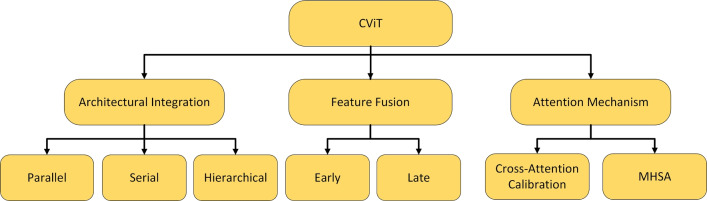 Figure 12
 Figure 13
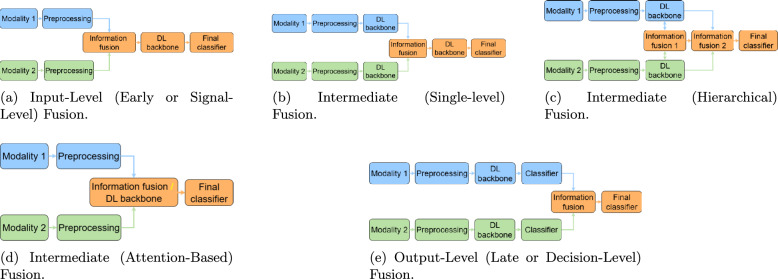 Figure 14
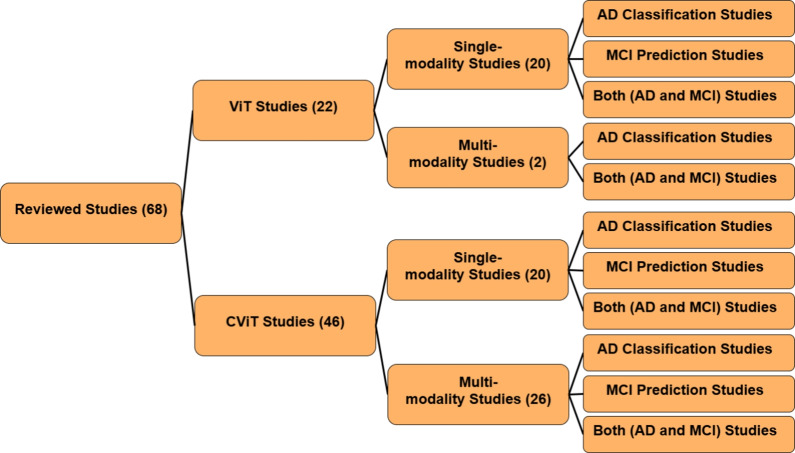 Figure 15
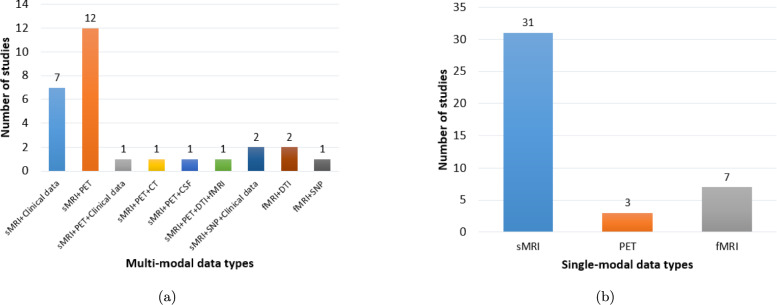 Figure 16
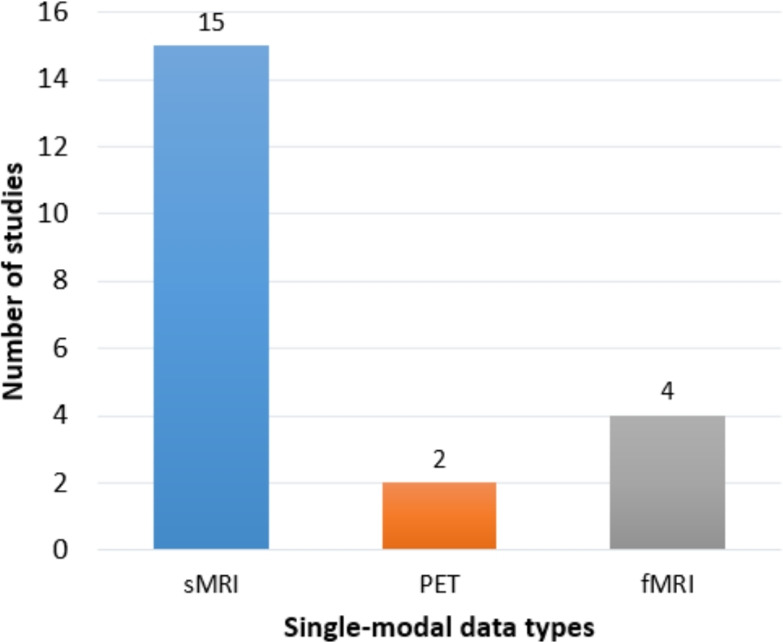 Figure 17
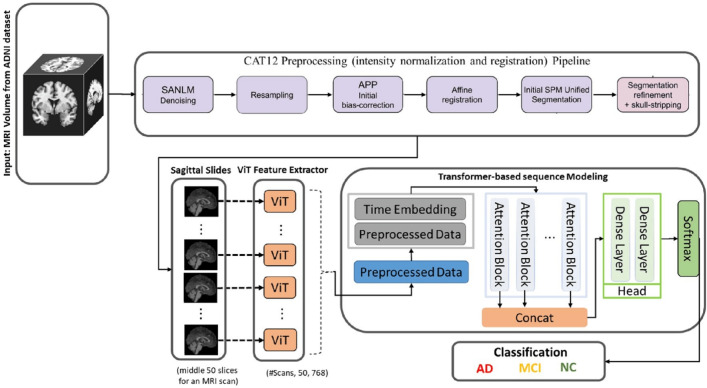 Figure 18
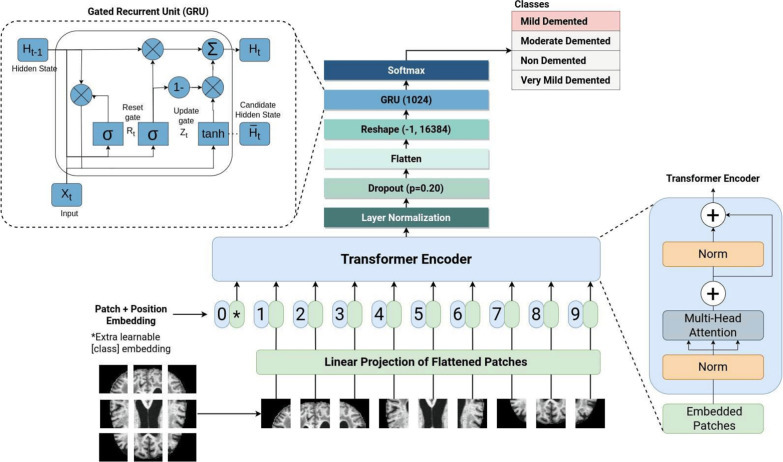 Figure 19
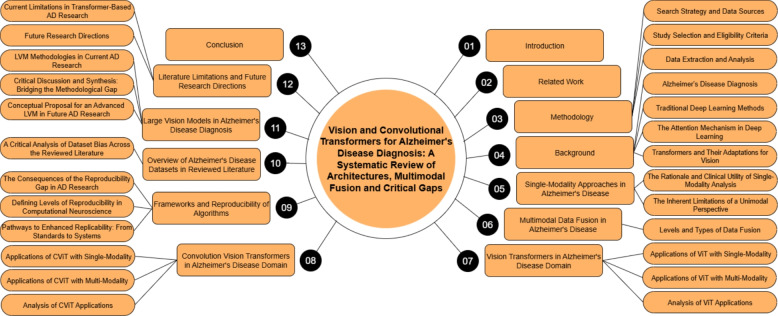 Figure 1
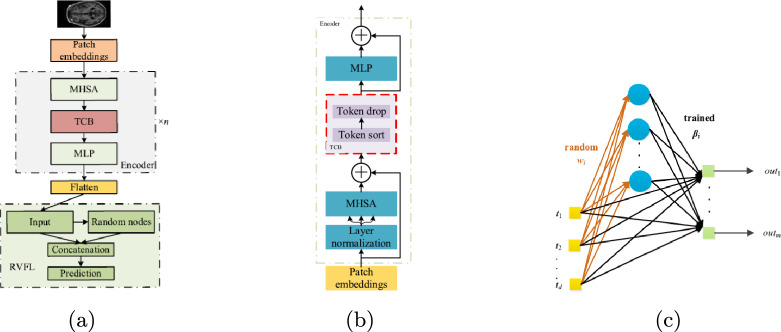 Figure 20
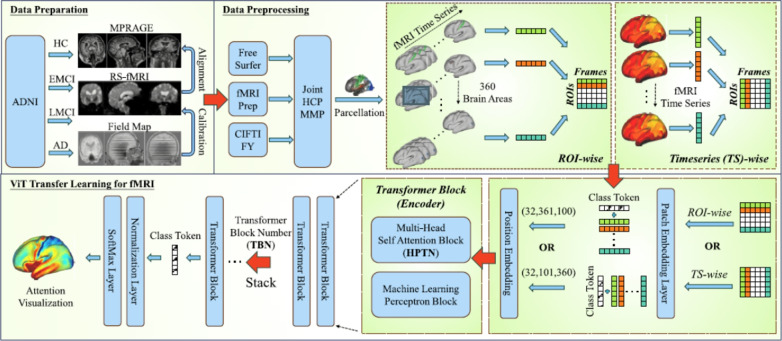 Figure 21
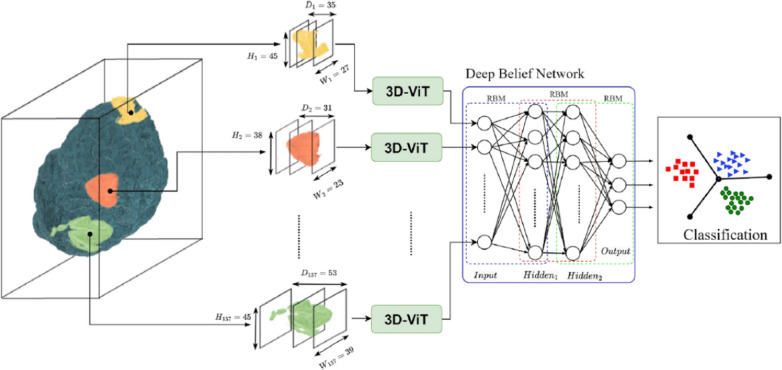 Figure 22
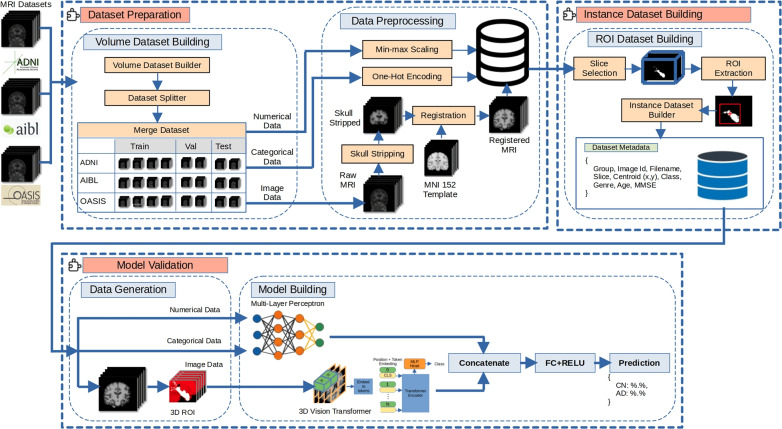 Figure 23
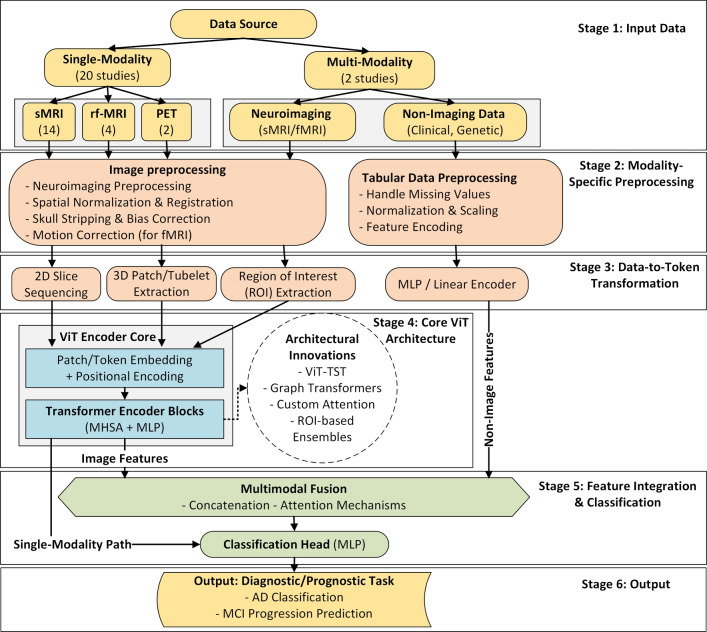 Figure 24
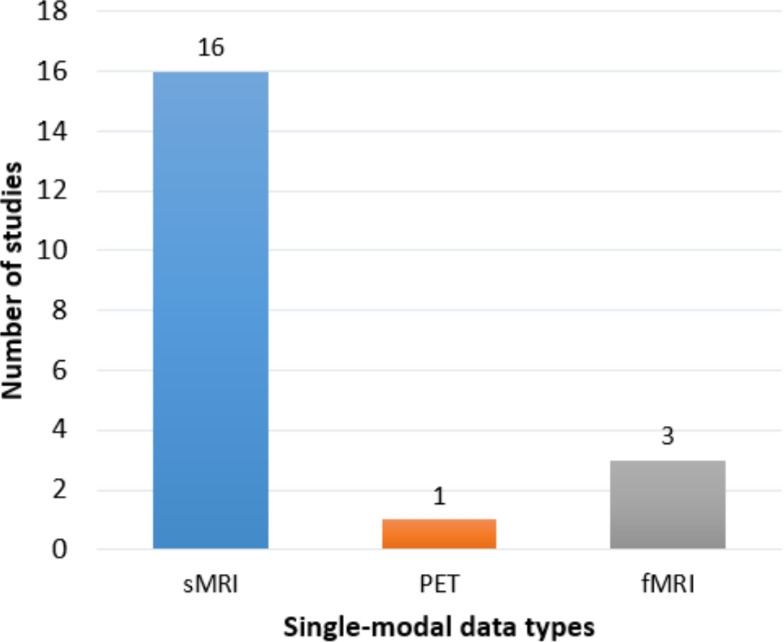 Figure 25
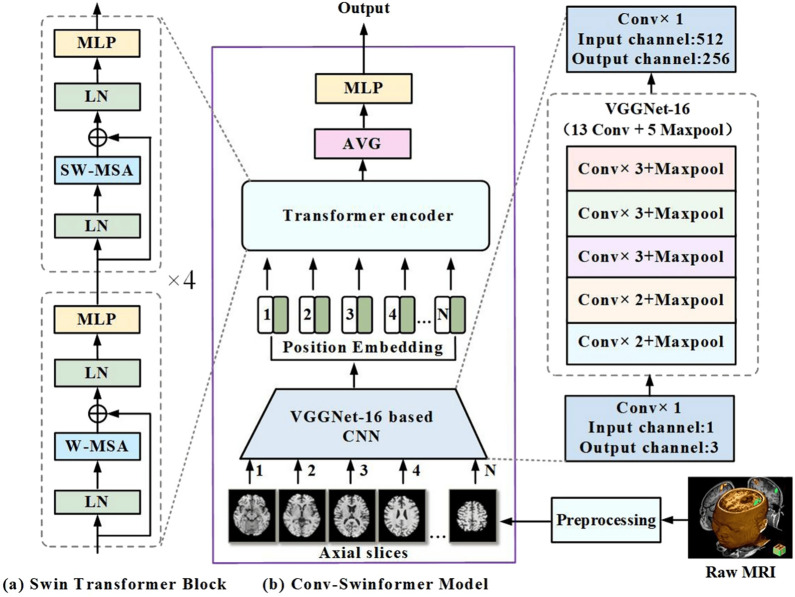 Figure 26
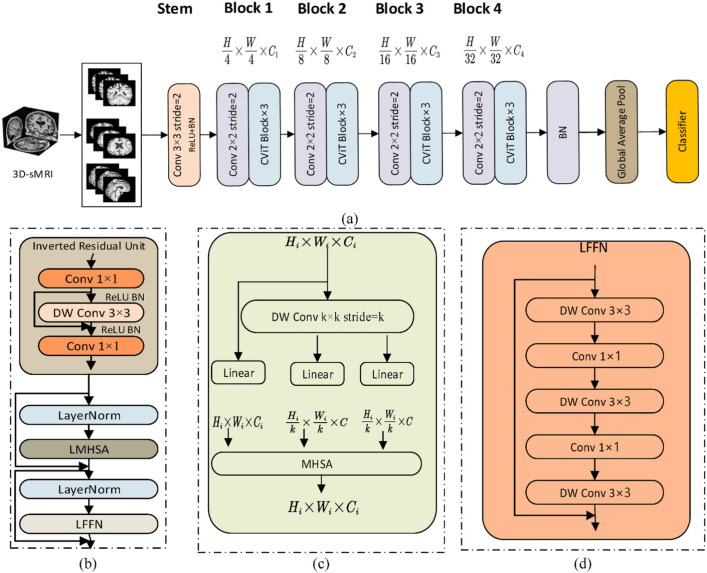 Figure 27
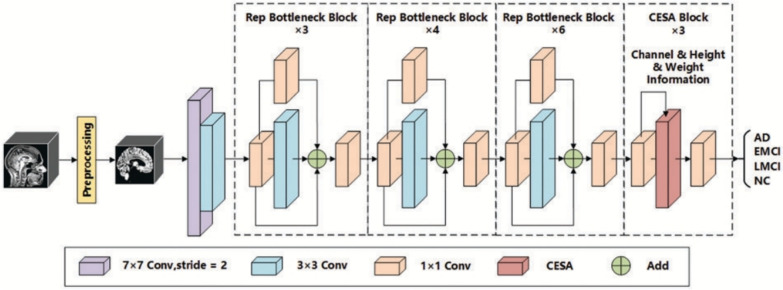 Figure 28
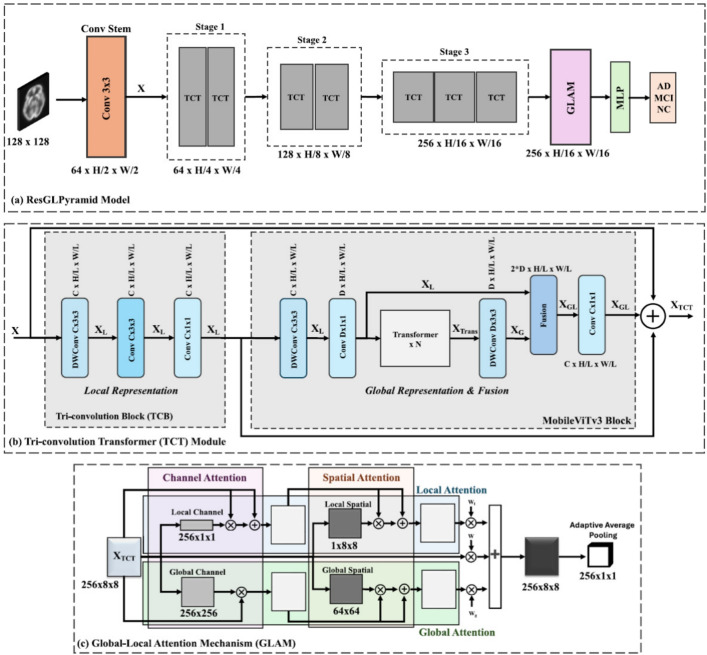 Figure 29
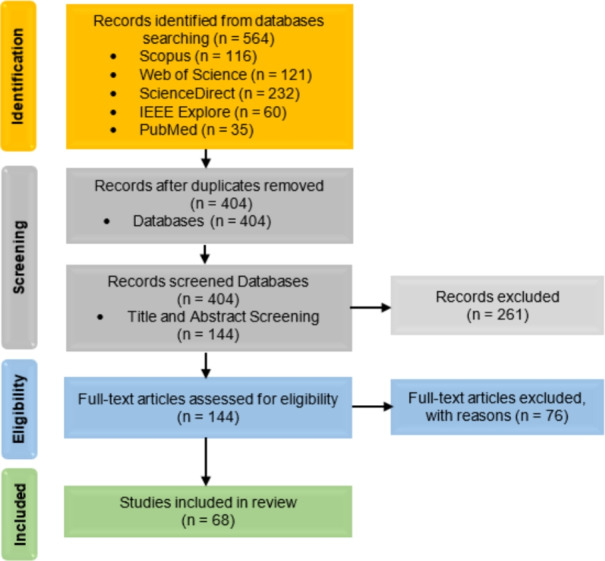 Figure 2
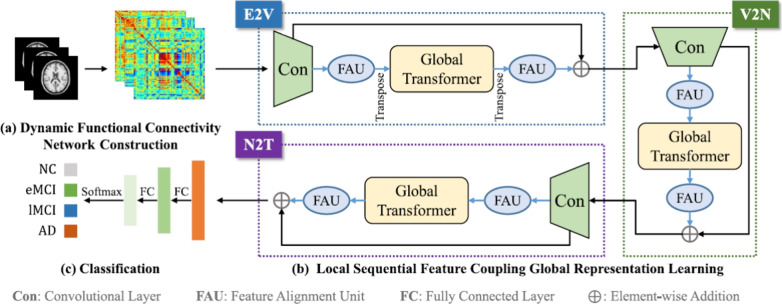 Figure 30
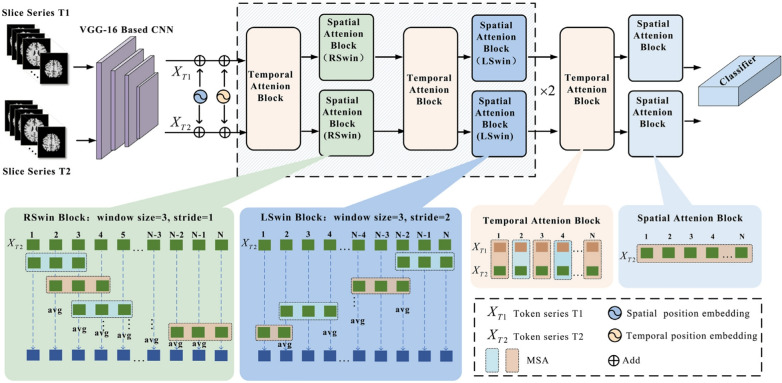 Figure 31
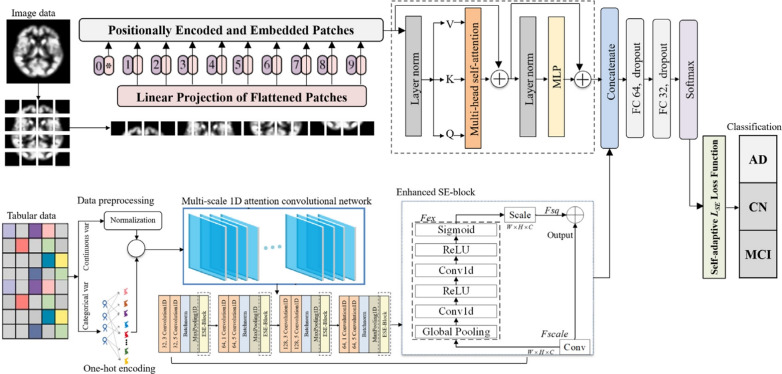 Figure 32
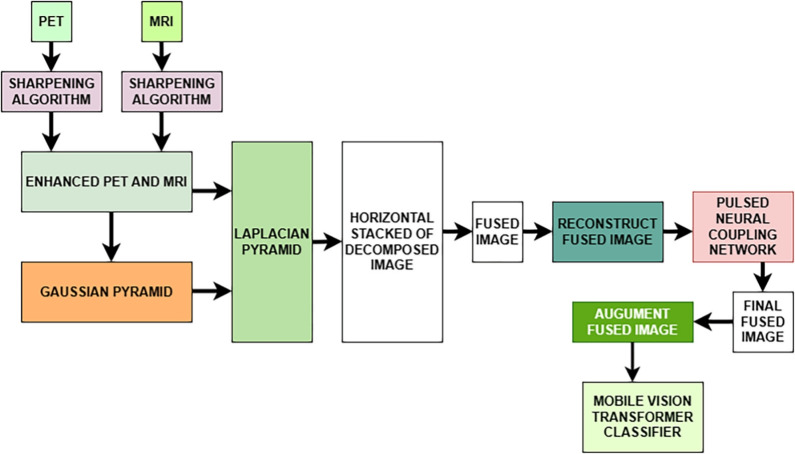 Figure 33
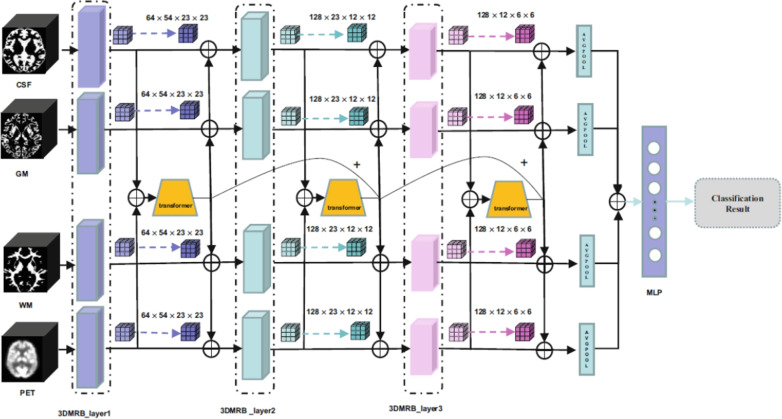 Figure 34
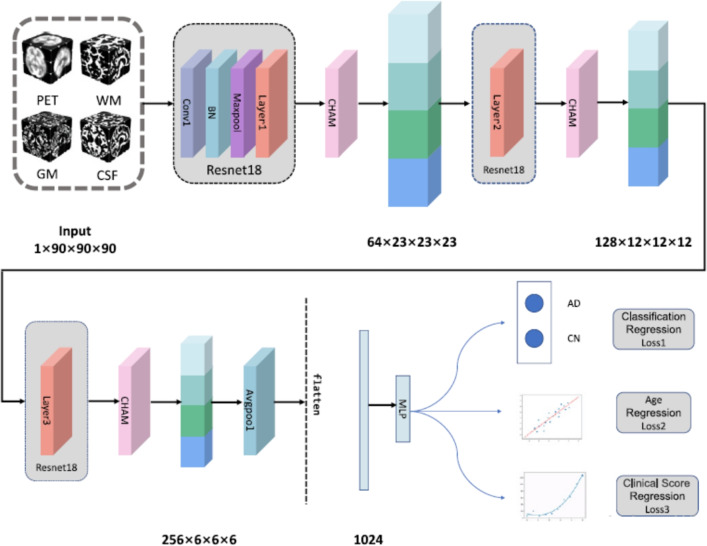 Figure 35
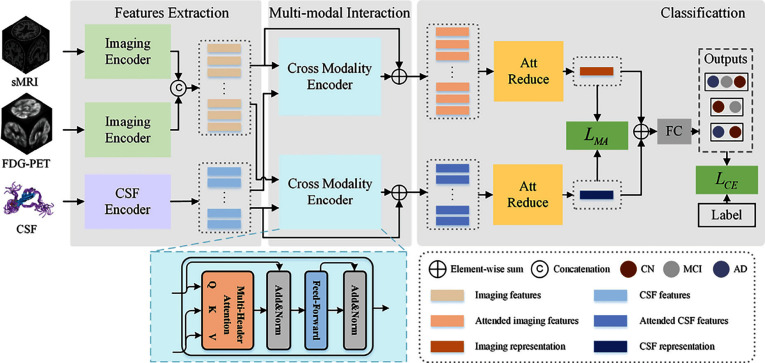 Figure 36
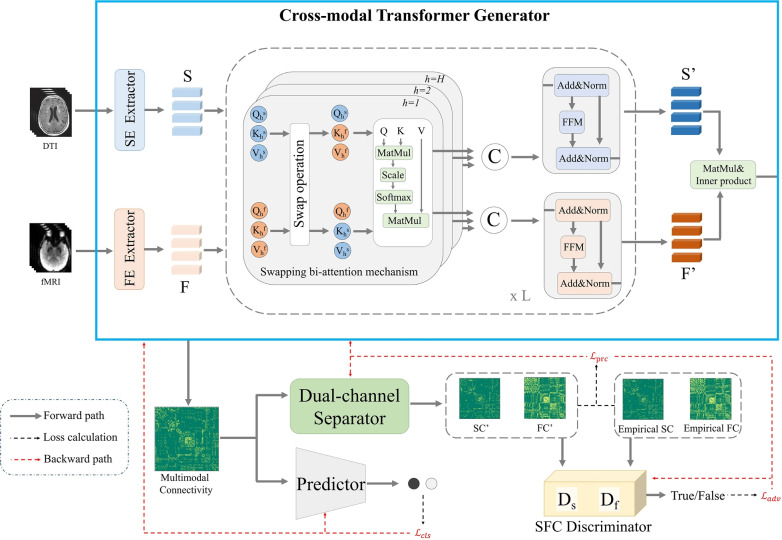 Figure 37
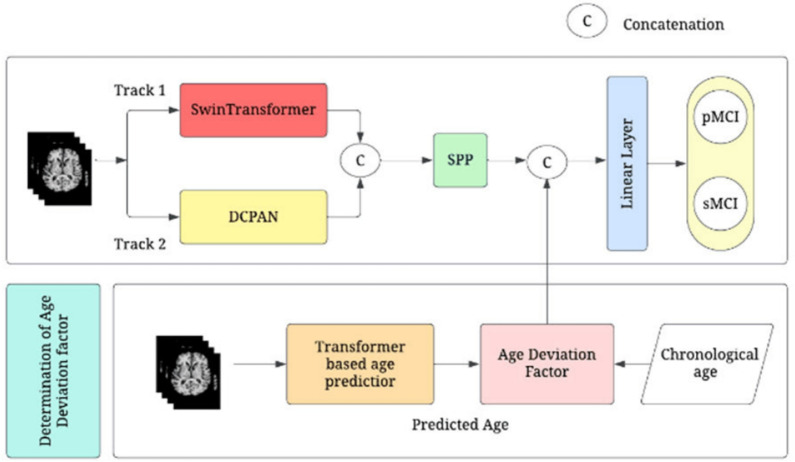 Figure 38
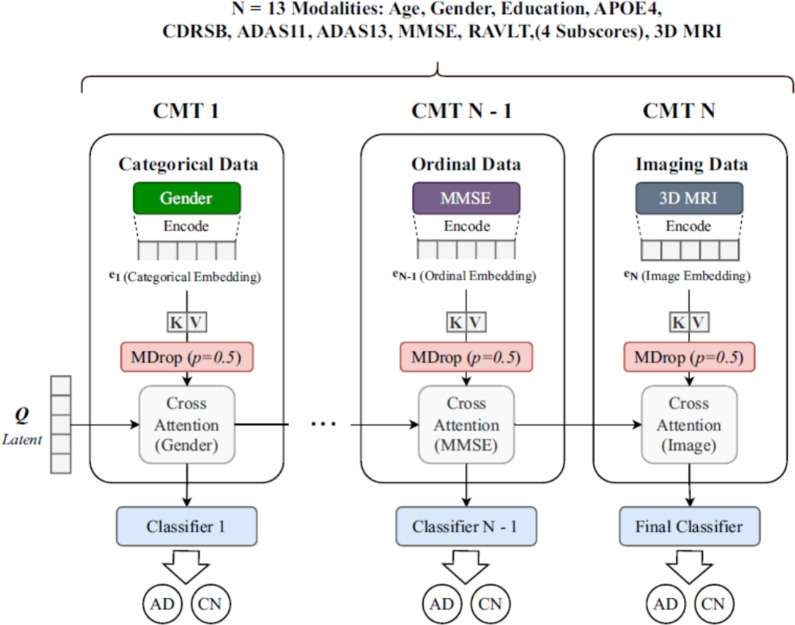 Figure 39
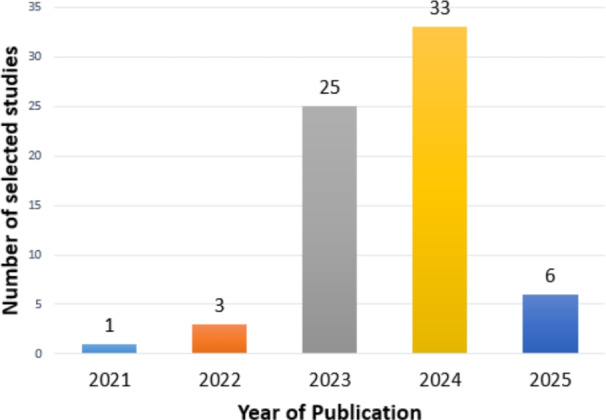 Figure 3
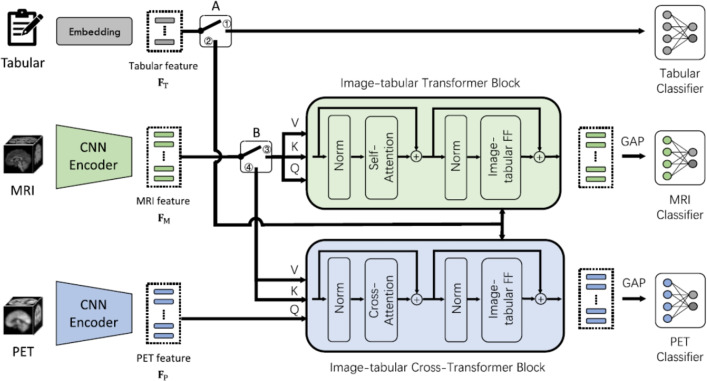 Figure 40
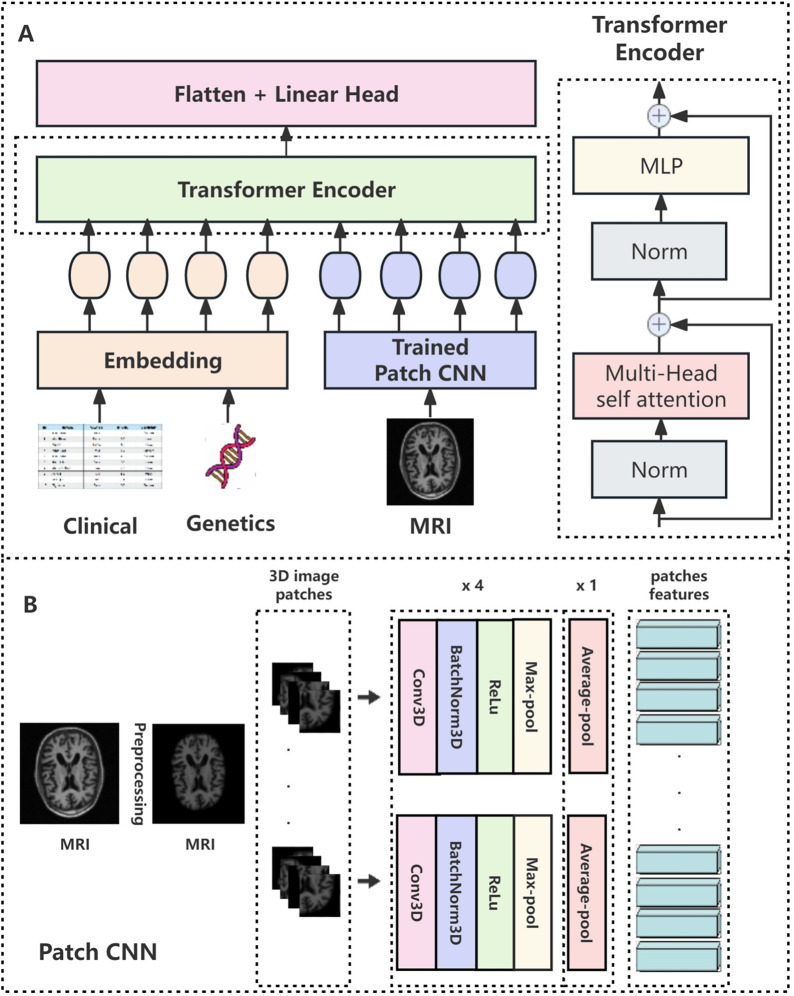 Figure 41
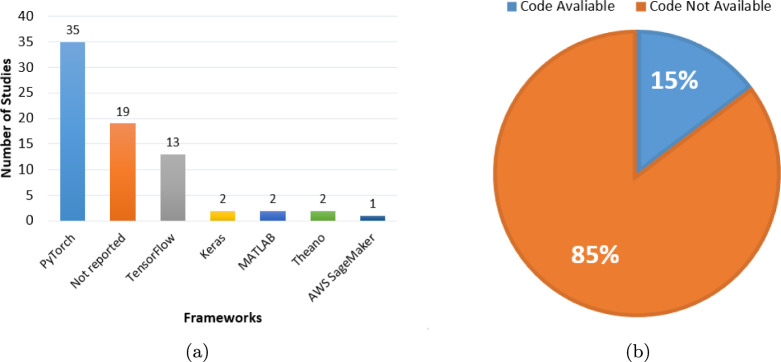 Figure 42
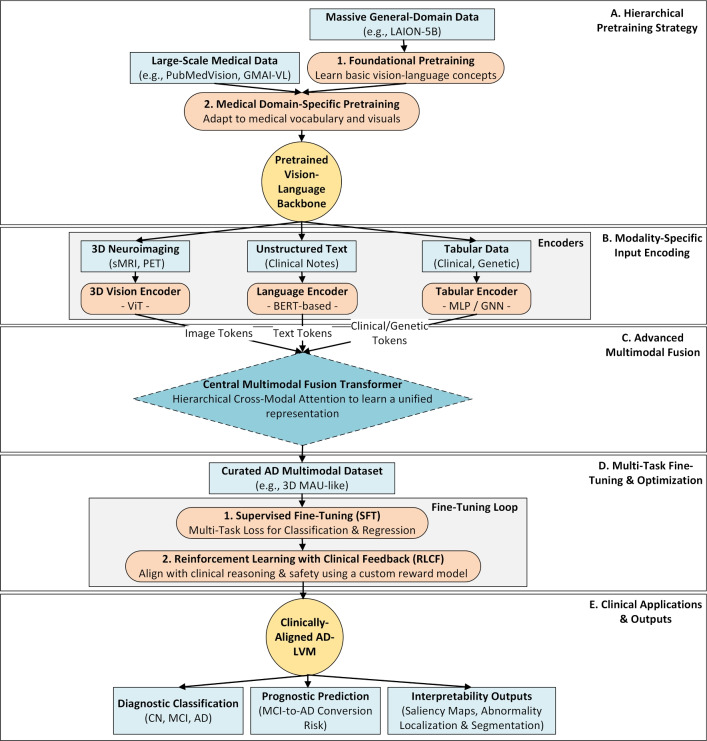 Figure 43
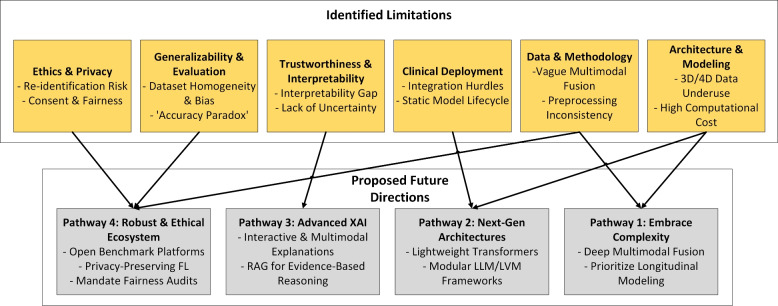 Figure 44
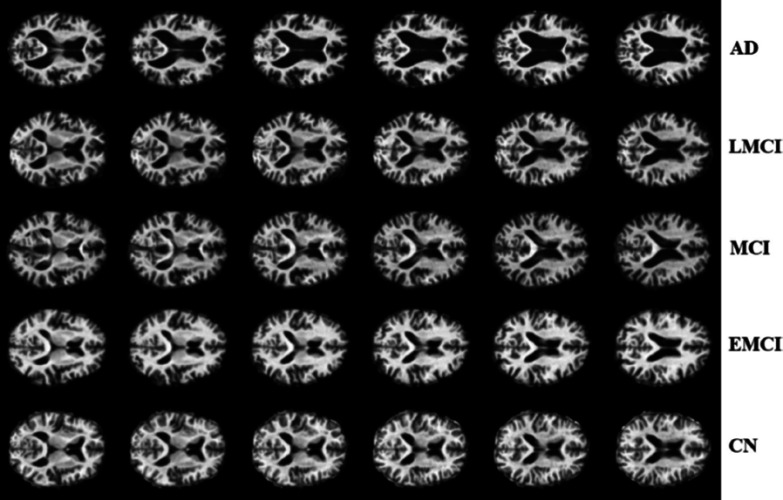 Figure 4
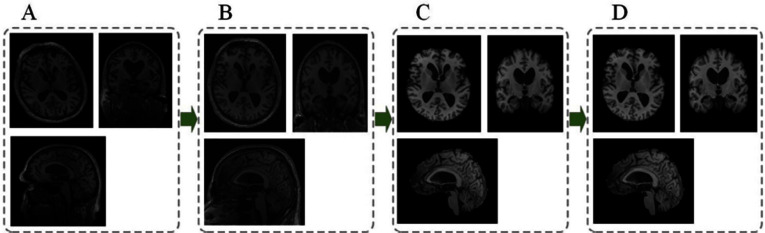 Figure 5
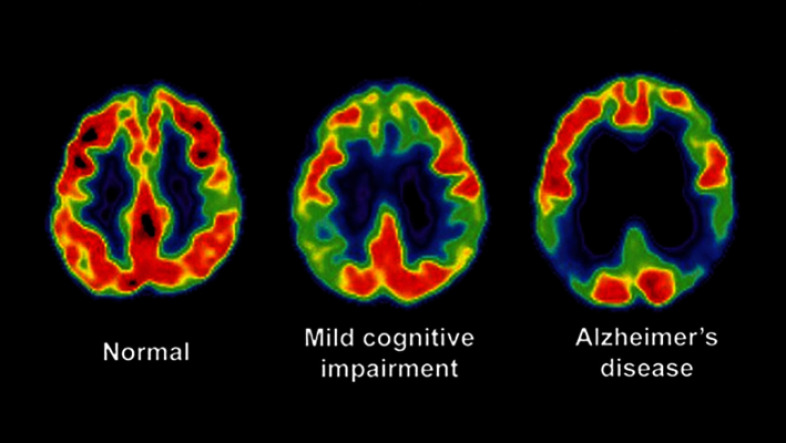 Figure 6
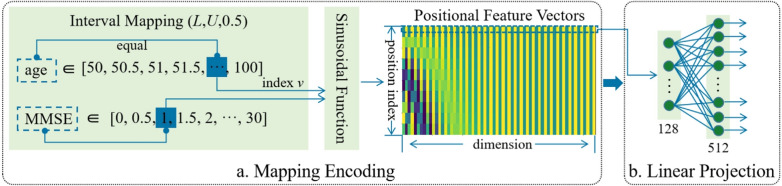 Figure 7
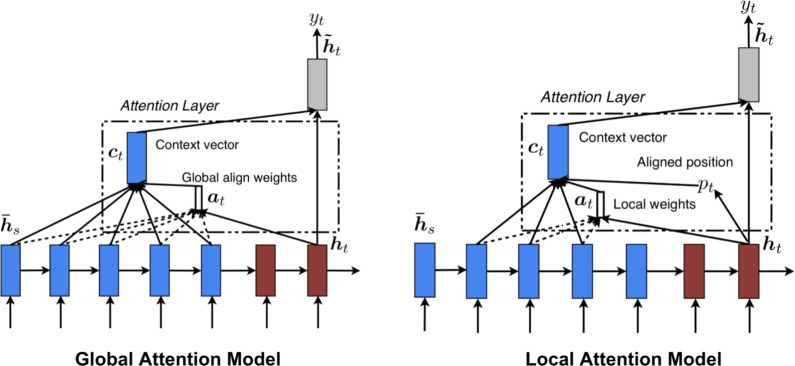 Figure 8
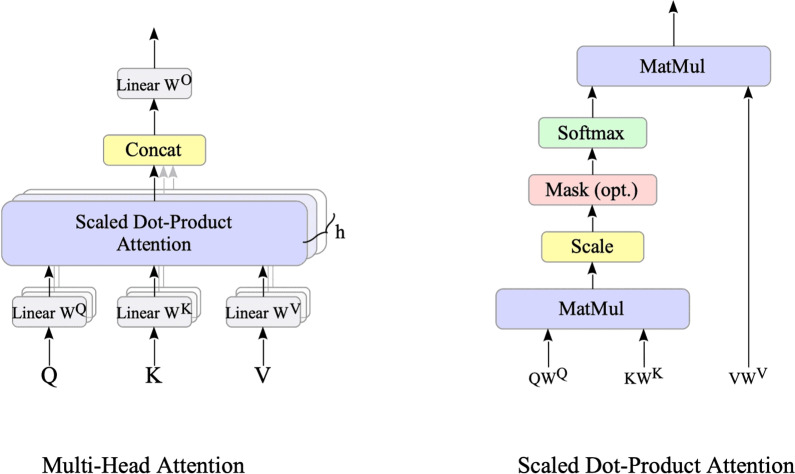 Figure 9
Peer Reviews
No public reviews on file for this paper yet. If you reviewed it on a platform where reviews are public (OpenReview, ICLR, NeurIPS, ICML), you can paste yours below so the community can read it here.
Videos
No videos yet. Explain this paper in a talk, walkthrough, or lecture? Add one.
Taxonomy
TopicsAdvanced Neural Network Applications · COVID-19 diagnosis using AI · Digital Imaging for Blood Diseases